Indica is one of the two primary cannabis subspecies classifications, alongside sativa, typically describing short, bushy plants with broad leaves that originated in the Hindu Kush mountain region. Indica strains are widely associated with relaxing, body-heavy effects and shorter flowering times, making them popular choices for evening use and outdoor grows in cooler climates.
Reviewed by Travis Cole, Cannabis Culture Writer | Updated June 4, 2026
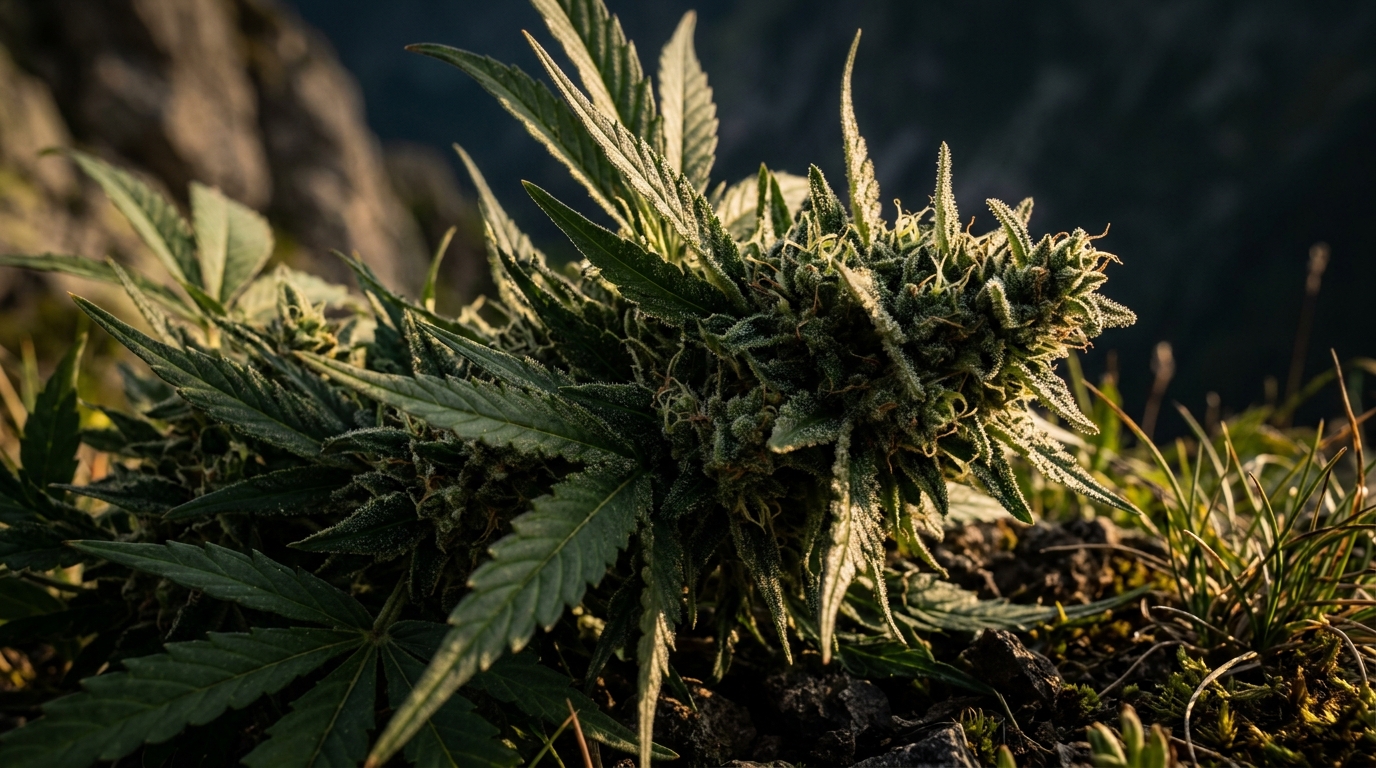
What Is Indica Cannabis?
Indica cannabis plants are characterized by their compact, bushy structure, broad dark-green fan leaves, and dense bud formation. They typically reach two to four feet and finish flowering faster than sativa varieties, often in eight to nine weeks. Their origins trace back to the Hindu Kush mountains spanning Afghanistan, Pakistan, and northern India.
I grew my first true indica outdoors in central Texas years ago. That thing was a tank. Squat, wide, almost prehistoric-looking in the garden bed. Where my sativa plants were reaching for the sky like teenagers who just hit a growth spurt, this indica just sat there and got thick. By mid-October it was loaded with fat, resinous colas that smelled like pine and earth and something I can only describe as “serious business.”
The term “indica” has a complicated scientific history worth knowing. As research published by the National Institutes of Health points out, the indica/sativa distinction is more of a folk taxonomy than a strict botanical one. Modern cannabis genetics are so thoroughly crossbred that the labels often describe plant morphology and general effect profiles rather than truly distinct species. The terms persist because they’re genuinely useful shorthand for growers and consumers trying to communicate what a plant looks like and how it might feel.
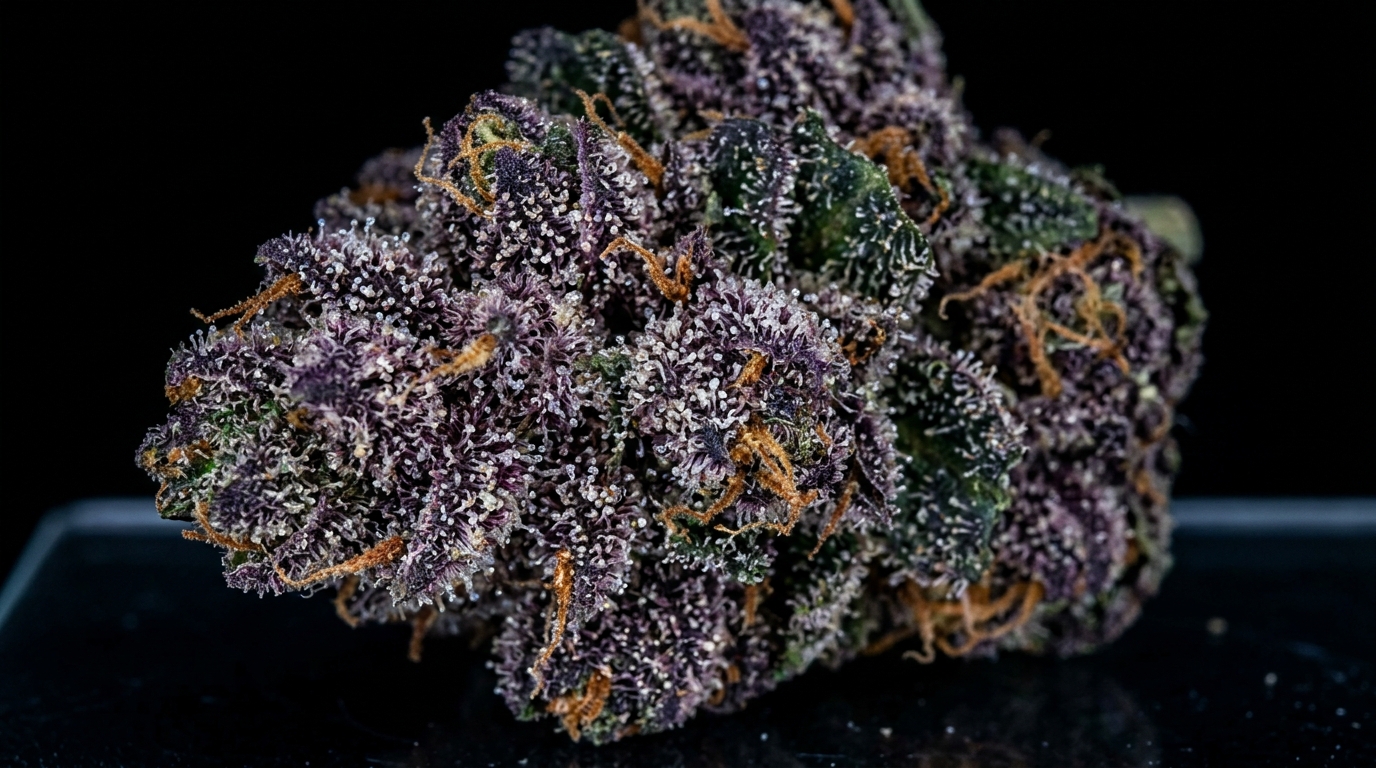
Classic indica-dominant strains include Northern Lights, Granddaddy Purple, and LA Confidential. These are the workhorses of the cannabis world. Reliable. Dense. Resinous as all get-out.
Indica Effects: What to Expect
Indica strains are most commonly associated with physical relaxation, body heaviness, and sedation. Users frequently report reduced muscle tension, a calming mental state, and increased appetite. These characteristics have led to the popular phrase “in da couch,” a playful nod to the deeply relaxed state indica can produce.
Here’s where I have to be straight with you. The idea that indica always equals sedation is an oversimplification the science doesn’t fully support. A cross-sectional survey of cannabis users found that reported effects varied widely based on individual factors, consumption method, and the specific chemical profile of the strain rather than the indica/sativa label alone.
What really drives the experience is the full chemical profile. THC content, CBD levels, and the terpene makeup all work together through what’s known as the Entourage Effect. Indica-dominant strains tend to be higher in Myrcene, a terpene associated with sedation and earthy aroma, which likely explains a lot of that couch-lock reputation. Linalool and Caryophyllene also show up frequently in heavy indica profiles.
Context matters enormously. I’ve smoked indica-dominant strains at a backyard BBQ that just made me social and hungry. Others put me horizontal on the porch swing before the brisket was even sliced. Dose, tolerance, setting, and individual biochemistry all play a role.
Did you know? State-legal cannabis markets across the U.S. have widely adopted the indica/sativa/hybrid framework for consumer labeling. According to the National Institutes of Health, this consumer-facing taxonomy often influences purchasing decisions more than lab-tested cannabinoid data, despite the scientific limitations of the indica/sativa distinction.
Growing Indica: What Growers Need to Know
Indica plants are generally considered more forgiving for beginner growers. Their compact size suits both indoor tent setups and outdoor gardens with limited vertical space. Shorter flowering windows mean faster harvests, and their dense structure produces heavy yields relative to plant size.
From a growing standpoint, indica is where I’d point most first-timers. The plants stay manageable. You’re not wrestling a ten-foot sativa monster that wants to poke through your greenhouse roof come September. Indica fits. It cooperates.
Outdoor growers in cooler climates especially love indicas because they finish early enough to beat the first frost. Here in Texas that’s less of a concern, but if you’re growing in the Pacific Northwest or upper Midwest, finishing by early October is the difference between a great harvest and a heartbreaking mold situation.
Dense bud structure does come with one real trade-off. All that tightly packed flower is a prime target for bud rot if airflow and humidity aren’t managed properly. I learned that lesson the hard way on a Granddaddy Purple run a few years back. Lost a whole cola to botrytis because I let the canopy get too thick. Defoliation and good plant spacing matter more with indicas than almost any other type.
Training techniques like Lollipopping and Topping work particularly well with indica genetics. The shorter internodal spacing means you can build a wide, flat canopy that catches light efficiently. Feminized indica seeds are the most popular choice for home growers who want guaranteed female plants without the guesswork.
Key Facts
✓ Indica plants are typically short and bushy, reaching two to four feet, with broad dark-green fan leaves and dense bud structure
✓ Origins trace to the Hindu Kush mountain region spanning Afghanistan, Pakistan, and northern India
✓ Flowering time is typically eight to nine weeks, faster than most sativa varieties
✓ Commonly associated with body relaxation, sedation, and increased appetite due to terpene profiles often high in myrcene and linalool
✓ The indica/sativa distinction is a folk taxonomy; actual effects depend on the full cannabinoid and terpene profile of each strain
✓ Dense bud structure increases susceptibility to bud rot; proper airflow and humidity management are essential
✓ Well-suited to beginner growers, indoor grows, and outdoor gardens in cooler climates with early frost risk
Frequently Asked Questions
What is the difference between indica and sativa?
Indica plants are short, bushy, and broad-leaved with faster flowering times, while sativa plants are tall, thin-leaved, and take longer to finish. In terms of effects, indica is traditionally associated with body relaxation and sedation while sativa is associated with cerebral, energizing effects. That said, the distinction is largely consumer shorthand. Modern research published by the National Institutes of Health suggests that actual effects depend far more on a strain’s specific cannabinoid and terpene profile than on its label. Most commercial strains today are hybrids blending both genetic lineages anyway.
Does indica actually make you sleepy?
Many people do report sedation and drowsiness from indica-dominant strains. Research suggests that strains high in myrcene, a terpene common in many indicas, may contribute to sedative effects, and some studies indicate cannabinoids may support sleep. But “indica equals sleep” isn’t a universal rule. Individual tolerance, the strain’s specific chemical profile, dosage, and consumption method all shape the outcome. Some indica-dominant strains produce a relaxed but fully functional state, not outright sedation. Worth exploring your options through our cannabis glossary before settling on a strain for that purpose.
Is indica stronger than sativa?
Strength isn’t a function of the indica/sativa classification. THC content varies widely within both categories. What indica does tend to deliver is a heavier, more physical experience compared to the cerebral quality of sativa, which many users perceive as “stronger” in the body even at equivalent THC levels. Potency is strain-specific, not category-specific. Always check the actual cannabinoid data for any strain you’re growing or consuming.
Can I grow indica outdoors?
Absolutely, and for a lot of growers indica is the preferred outdoor choice. Compact size keeps plants manageable in a backyard or garden setting. The faster flowering time means harvest happens earlier in fall, a real advantage in climates with early frost. The main challenge outdoors is managing humidity around those dense buds during wet fall weather. Good airflow, appropriate spacing, and keeping an eye on the forecast during the final weeks of flower will carry you a long way.
Ready to grow your own indica? Browse our selection of feminized indica seeds, including classic cultivars and modern heavy-hitters bred for outdoor performance and indoor yields.