Myrcene (β-myrcene) is the most abundant terpene found in cannabis, responsible for the earthy, musky, clove-like aroma most people associate with the smell of weed. It also occurs in hops, mangoes, and lemongrass. In cannabis, myrcene concentrations typically range from 0.1% to over 0.5% of total weight, and it plays a significant role in shaping the overall effect profile through the entourage effect.
Reviewed by Maya Chen, Cannabis Science Writer | Updated May 21, 2026
What Is Myrcene?
Myrcene is a monoterpene with the molecular formula C₁₀H₁₆, identified as the single most prevalent terpene across commercial cannabis cultivars in the majority of analyzed samples worldwide. Its scent is earthy, musky, and clove-like, with subtle fruity undertones that shift depending on the cultivar.
It is not exclusive to cannabis. Hops (Humulus lupulus) share a remarkably similar terpene signature, which explains why certain cannabis strains smell uncannily like an IPA. You also find it in mangoes, thyme, lemongrass, and bay leaves. According to a phytochemical review published in Molecules (MDPI), myrcene ranks among the most commercially significant monoterpenes due to its widespread occurrence and biological activity across plant species.
Chemically, myrcene is an acyclic monoterpene biosynthesized in cannabis trichomes from geranyl pyrophosphate. The terpene profile of a given plant, including its myrcene concentration, is shaped by both genetics (Genotype) and environmental conditions during cultivation.
Effects and the Entourage Effect
Myrcene is widely studied for its potential sedating, analgesic, and anti-inflammatory properties, though most robust evidence currently comes from preclinical models. Its interaction with cannabinoid receptors and other molecular targets makes it one of the most pharmacologically interesting terpenes in cannabis.
The most discussed effect is its sedative quality. High-myrcene strains are frequently associated with the heavy, couch-lock sensation many users attribute to indica genetics. Research suggests this may relate to myrcene’s activity at TRPV1 receptors. A study examining terpene regulation of TRPV1, available through NCBI, identified mechanistic pathways through which myrcene may modulate pain and sensory signaling. That matters. It means myrcene is not a passive aromatic molecule but an active participant in how cannabis interacts with the body.
The entourage effect is where myrcene earns its reputation. When myrcene combines with THC, CBD, and other Terpenes, the resulting experience differs measurably from isolated cannabinoids alone. Some studies indicate that myrcene may enhance cannabinoid uptake across the blood-brain barrier, potentially amplifying THC effects. Anti-inflammatory activity has also been documented in preclinical models, though whether these effects translate to human therapeutic outcomes requires more clinical investigation.
Myrcene in Cannabis Strains
Myrcene concentrations above 0.5% by weight in dried flower are generally considered high, with some cultivars testing well above that threshold. Strains with dominant myrcene profiles tend toward relaxing, body-heavy effects, though the full cannabinoid ratios always matter alongside terpene data.
In my experience analyzing strain profiles, some of the most myrcene-forward cultivars include OG Kush, built around myrcene’s earthy, fuel-adjacent musk, and Blue Dream, where myrcene softens what would otherwise be a purely cerebral experience into something more balanced. Granddaddy Purple pairs myrcene with Linalool to produce its famously sedating body effect. Interestingly, Green Crack, a strain known for energetic effects, also carries a myrcene-dominant profile. That illustrates an important point: terpene identity alone does not determine effect. Cannabinoid ratios and individual user biochemistry both contribute substantially.
Did you know? According to the Oregon Liquor and Cannabis Commission (OLCC), Oregon licensed cannabis retailers are required to display terpene testing data on product labels, making it one of the few US states where consumers can directly compare myrcene percentages across products at the point of sale.
How Growing Conditions Affect Myrcene
Myrcene concentrations in cannabis are not fixed by genetics alone. Temperature, light intensity, harvest timing, and post-harvest handling all influence how much myrcene ends up in the final product.
Heat degrades myrcene faster than almost any other common cannabis terpene. Its boiling point sits at approximately 167°C (333°F), which is relatively low. Improper drying and Curing can strip a significant portion of myrcene from flower before it ever reaches a consumer. In my conversations with commercial cultivators here in Portland, rushed curing is consistently cited as the primary reason a high-myrcene genetic fails to deliver its expected aroma in the final product.
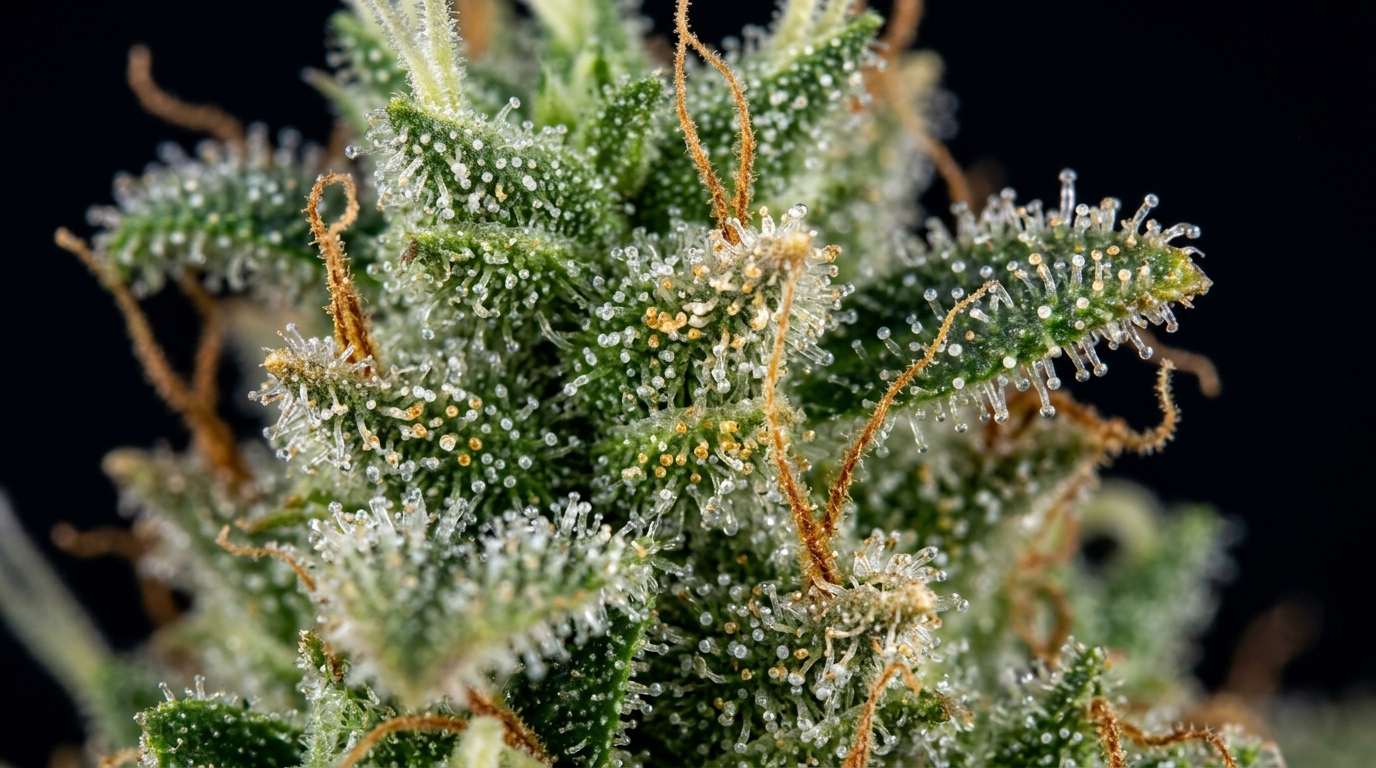
Harvest timing matters too. Myrcene peaks just before full trichome maturity, meaning growers who wait too long may see concentrations decline as terpenes begin to degrade. Monitoring Trichomes under magnification and harvesting when roughly 70-80% have shifted from clear to cloudy helps preserve terpene integrity. Temperature during curing should stay between 60-70°F (15-21°C), with humidity held around 58-62% RH.
Key Facts
✓ Myrcene (β-myrcene) is the most abundant terpene in the majority of commercial cannabis cultivars analyzed to date.
✓ Its aroma is earthy, musky, clove-like, and herbal, with subtle fruity undertones depending on the strain.
✓ Also found in hops, mangoes, lemongrass, thyme, and bay leaves.
✓ Research suggests myrcene interacts with TRPV1 receptors and may contribute to sedating and anti-inflammatory effects in preclinical models.
✓ Concentrations above 0.5% by weight in dried flower are generally considered high-myrcene.
✓ Boiling point of approximately 167°C (333°F) makes myrcene susceptible to heat degradation during drying and curing.
✓ Oregon requires terpene data on cannabis product labels, giving consumers direct access to myrcene percentages at point of sale.
Frequently Asked Questions
Is myrcene responsible for the “indica” couch-lock effect?
Myrcene is frequently cited as a contributor to sedating effects, and many indica-leaning strains do carry elevated myrcene concentrations. However, the indica/sativa classification system is a poor predictor of effect on its own. Research suggests myrcene’s activity at TRPV1 receptors contributes to its sedating reputation, but a high-myrcene strain with a stimulating cannabinoid profile will not necessarily put you on the couch. Terpene context always matters.
Does eating mangoes before smoking actually increase your high?
This is one of cannabis culture’s most persistent claims, and it is grounded in real chemistry, even if the effect is modest. Mangoes contain significant myrcene concentrations. The theory holds that consuming myrcene-rich mango before cannabis may increase myrcene levels in the bloodstream, potentially enhancing cannabinoid uptake across the blood-brain barrier. Some studies indicate this mechanism is plausible based on myrcene’s pharmacokinetics. Whether it is noticeable in practice depends on timing, the myrcene content of the specific mango, and individual metabolism. I would call it a biologically plausible folk remedy rather than a guaranteed enhancement.
Is myrcene safe?
Myrcene has a long history of use as a food flavoring agent and is generally recognized as safe (GRAS) by regulatory bodies at typical food quantities. In cannabis contexts, some studies indicate that high doses of isolated myrcene may produce sedation and mild cognitive impairment. The “is myrcene carcinogenic” question circulates online, but current evidence does not support this concern at normal exposure levels. As with any bioactive compound, dose and context matter. Consult a healthcare professional if you have specific medical concerns about terpene exposure.
What is the difference between myrcene and limonene?
Both are terpenes found in cannabis, but they differ in aroma, effect associations, and molecular structure. Myrcene is an acyclic monoterpene with an earthy, musky scent, commonly associated with relaxing effects. Limonene is a cyclic monoterpene with a bright citrus aroma, more commonly associated with uplifting effects. Most cannabis strains contain both terpenes in varying ratios, and their combined presence shapes the overall experience through the entourage effect. You can explore more terpene comparisons throughout our cannabis glossary.
Ready to grow high-myrcene strains with the earthy, sedating terpene profiles you are looking for? Browse our selection of high-THC seeds featuring myrcene-dominant genetics from proven cultivars.