Linalool is a naturally occurring monoterpene alcohol found in cannabis, lavender, coriander, and over 200 other plant species. It produces a soft floral, slightly spicy aroma and is one of the most studied terpenes in cannabis science. Research suggests linalool may contribute to calming, sedative, and anxiolytic effects, particularly when interacting with other cannabinoids and terpenes through the entourage effect.
Reviewed by Maya Chen, Cannabis Science Writer | Updated May 16, 2026
What Is Linalool?
Linalool is a monoterpene alcohol with the molecular formula C₁₀H₁₈O, occurring naturally in hundreds of plant species and ranking among the most commercially significant aroma compounds in the fragrance and flavor industries. In cannabis, it typically appears at concentrations between 0.01% and 0.5% by weight in the essential oil fraction, though high-linalool cultivars can exceed that upper range under the right growing conditions.
I find linalool fascinating because it straddles two aromatic worlds at once. Unmistakably floral, carrying that signature lavender softness, yet it also holds a faint spiciness that keeps it from reading as purely sweet. Chemists classify it as a tertiary alcohol existing as two enantiomers: (R)-linalool, which dominates in lavender, and (S)-linalool, which appears more frequently in coriander and some cannabis cultivars. Both share similar aroma profiles, though their biological activity may differ in subtle ways researchers are still characterizing.
Linalool is biosynthesized through the methylerythritol phosphate (MEP) pathway in cannabis Trichomes, the same glandular structures producing THC, CBD, and the plant’s other secondary metabolites. Because linalool is highly volatile, it degrades quickly with heat and oxidation during curing and storage. Proper Curing technique genuinely matters here. Within the broader cannabis glossary, linalool sits alongside myrcene, limonene, and pinene as a primary contributor to a strain’s terpene profile.
Linalool Effects: What the Research Actually Says
Linalool has been studied for potential anxiolytic, sedative, anti-inflammatory, and analgesic properties across preclinical and some human-focused research. The evidence is promising but still developing, and individual responses vary considerably.
A 2021 review published in Frontiers in Neuroscience examined linalool as a therapeutic terpene candidate, finding it modulates GABA-A receptor activity, the same receptor system targeted by benzodiazepine medications. That mechanism matters. It provides a plausible pharmacological explanation for the calming associations many cannabis consumers report with linalool-rich strains.
Sex differences also appear to play a role. A 2024 study examining sex differences in the anxiolytic properties of common cannabis terpenes found that linalool’s calming effects varied between male and female subjects in animal models. This is one of the most underreported findings in recent terpene science, pointing toward a more individualized picture of terpene pharmacology than the industry typically acknowledges.
The entourage effect concept is central to understanding how linalool functions in whole-plant cannabis. Isolated linalool behaves differently than linalool embedded within a complete terpene profile alongside THC, CBD, and other Cannabinoids. These effects are dose-dependent and context-sensitive, not guaranteed outcomes.
Did you know? According to the Oregon Liquor and Cannabis Commission, Oregon’s regulated cannabis market requires terpene testing disclosures on product labels across many product categories, making it one of the more transparent state markets for consumers trying to identify linalool-rich products by label alone.
Linalool in Cannabis Strains: Where to Find It
Linalool appears across both indica-leaning and sativa-leaning cultivars, and its presence is driven by genetics and growing environment rather than broad phenotypic classification. That said, it does appear with higher frequency in cultivars marketed for relaxation and nighttime use.
Strains with notable linalool presence include Granddaddy Purple, OG Kush, Girl Scout Cookies, and Wedding Cake. In my analysis of strain profiles, linalool consistently appears as a secondary or tertiary terpene, typically registering between 0.05% and 0.2% in lab-tested flower while the dominant terpene in the same sample sits at 0.8% to 1.5%. Lavender genetics tend to push linalool concentrations higher, with some specialty cultivars exceeding 0.3% in their terpene fraction.
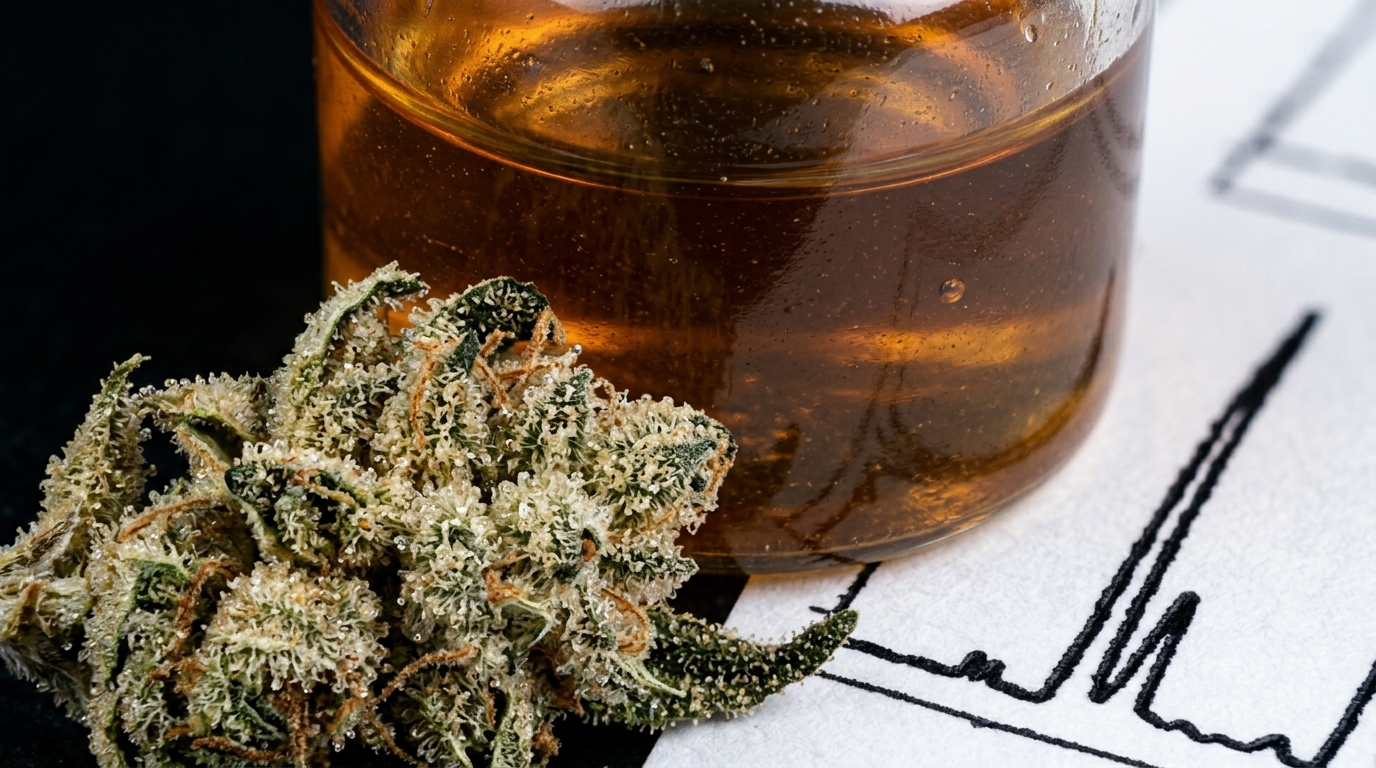
If you are shopping for linalool-forward flower or seeds, request a full terpene panel from a licensed retailer. A Certificate of Analysis from an accredited lab will list linalool as a line item whenever it appears above the detection threshold. That document is far more reliable than strain name alone.
How Linalool Compares to Other Major Terpenes
Each major cannabis terpene occupies a distinct aromatic and pharmacological niche, and understanding those differences helps consumers make more informed choices about strain selection and product formulation.
Myrcene, the most abundant terpene in most commercial cannabis, is earthy and musky, associated with sedative effects and thought to enhance cannabinoid absorption across the blood-brain barrier. Linalool is lighter and more floral, with a more targeted anxiolytic mechanism through GABA modulation rather than broad sedation. The two frequently appear together in indica-leaning cultivars, which may partly explain why those strains produce such pronounced relaxation responses.
Limonene is citrusy and bright, generally associated with mood elevation through serotonin receptor activity rather than GABA pathways. Caryophyllene is the only terpene known to directly bind cannabinoid receptors, specifically CB2, giving it a pharmacological profile categorically different from linalool’s receptor-indirect activity. Pinene is sharp and herbal, associated with alertness and bronchodilation. Linalool and pinene frequently appear together in cultivars with complex, layered aromas, a pairing that the 2021 Frontiers in Neuroscience review examined specifically because their co-occurrence in cannabis suggests a meaningful interactive relationship.
Key Facts
✓ Linalool is a monoterpene alcohol (C₁₀H₁₈O) found in cannabis, lavender, coriander, and 200+ plant species
✓ Typical concentration in cannabis flower ranges from 0.01% to 0.5%, with high-linalool cultivars exceeding 0.3% in the terpene fraction
✓ Research suggests linalool modulates GABA-A receptor activity, providing a pharmacological basis for reported calming effects
✓ It exists as two enantiomers: (R)-linalool, dominant in lavender, and (S)-linalool, common in coriander and some cannabis cultivars
✓ Biosynthesized in cannabis trichomes via the methylerythritol phosphate (MEP) pathway
✓ As a volatile compound, linalool degrades with heat, oxidation, and improper storage
✓ Sex differences in linalool’s anxiolytic effects have been documented in preclinical research
✓ Linalool is a recognized contact allergen in the EU fragrance regulatory framework
Frequently Asked Questions
What does linalool do to your body?
Research suggests linalool interacts with GABA-A receptors in the central nervous system, the receptor system involved in anxiety regulation and sleep. Some studies indicate it may produce calming, anxiolytic, and mildly sedative effects when inhaled or absorbed. These effects are not guaranteed and vary based on dosage, individual biology, and the broader cannabinoid and terpene context in which linalool is consumed. Preclinical findings should be interpreted cautiously until larger human clinical trials confirm them.
Does linalool get you high?
No. Linalool is not psychoactive on its own. It does not bind to CB1 receptors in a way that produces intoxication. Its effects are better described as modulatory: it may shape the character of a THC-driven experience by contributing calming qualities, but the high itself comes from THC and related cannabinoids. The entourage effect means linalool can influence how a session feels without being the direct source of psychoactivity.
How do I know if a cannabis strain is high in linalool?
The most reliable method is reading a Certificate of Analysis from an accredited cannabis testing laboratory. Reputable dispensaries and seed-to-sale brands publish full terpene panels listing linalool as a line item with its measured concentration. Aroma is a secondary indicator. Linalool-rich flower tends to smell distinctly floral, soft, and slightly herby, reminiscent of lavender or bergamot. Strains like Granddaddy Purple, OG Kush, and Wedding Cake are reasonable starting points if you want to explore linalool-forward profiles without immediate access to lab data.
Can you be allergic to linalool in cannabis?
Yes, though it is uncommon. Linalool is a recognized contact allergen in the fragrance industry and appears on the European Union’s list of declared fragrance allergens in cosmetic products above certain concentrations. Consumers who experience reactions to lavender-based products or certain perfumes may have linalool sensitivity. Symptoms can include skin irritation, respiratory discomfort, or allergic contact dermatitis. If you suspect sensitivity, consulting an allergist and avoiding linalool-rich cultivars is the sensible approach.
Ready to grow linalool-rich cannabis at home? Explore our curated selection of feminized seeds, including cultivars known for complex, terpene-rich profiles.