Marijuana Seeds for Sale | Compare 130+ Trusted Breeders
MarijuanaSeedsForSale is an independent review platform that compares cannabis seed prices and genetics from 130+ licensed breeders worldwide. Our team of four cannabis specialists writes in-depth strain reviews with THC data, terpene profiles, and growing guides to help you find the right seeds for your experience level, climate, and desired effects.
Last reviewed and updated: March 2026
Expert Strain Reviews
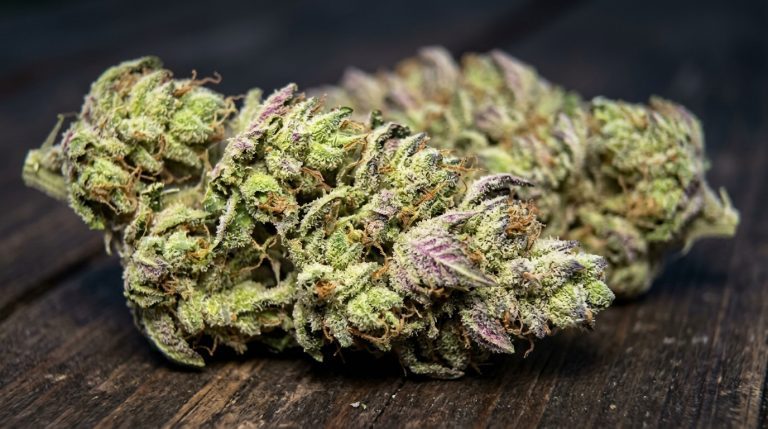
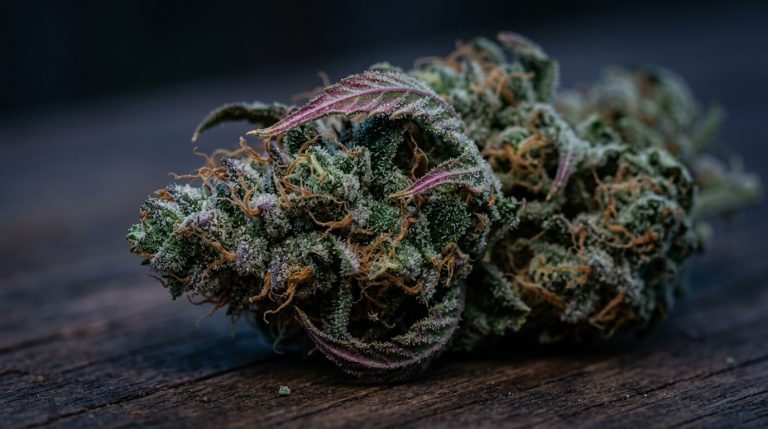
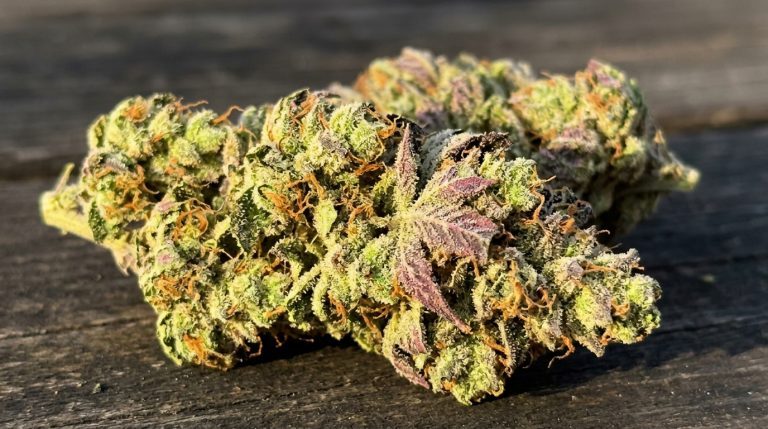
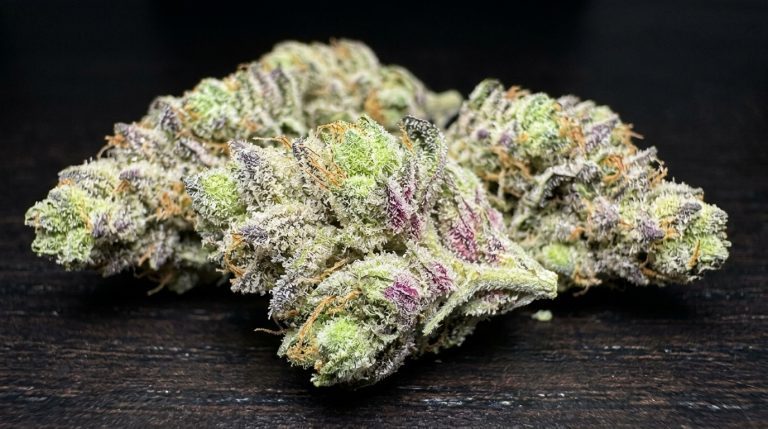
Our team of cannabis specialists publishes in-depth reviews of popular strains like Blue Dream, OG Kush, and Girl Scout Cookies, backed by community data and real growing experience.

Meet Our Cannabis Experts
Every review is written by a specialist with years of hands-on experience in cultivation, terpene science, or cannabis lifestyle.

Darrel Henderson

Maya Chen

Jessica Reed

Travis Cole
Top Cannabis Seeds
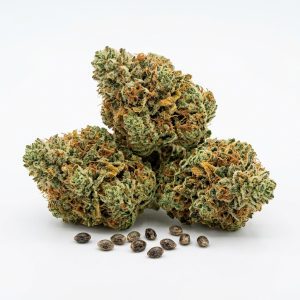
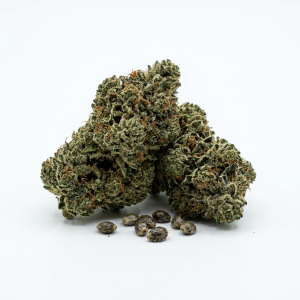
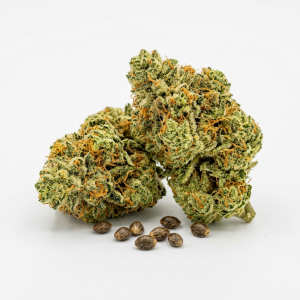
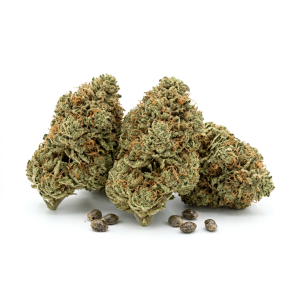
Hand-picked seeds from trusted breeders worldwide. Each product is verified and includes detailed growing specifications.
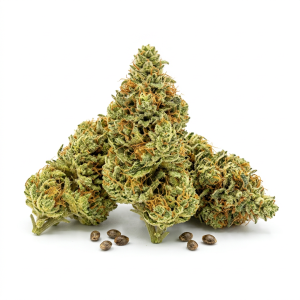
How Do You Choose the Right Cannabis Seeds?
Start by choosing a seed type: feminized for guaranteed female plants, autoflower for fast harvests, or regular for breeding. Then pick a strain that matches your climate and experience level, and order from a seedbank with germination guarantees.
What are the different types of cannabis seeds?
Cannabis seeds come in three main types: regular, feminized, and autoflower. Regular seeds produce both male and female plants (roughly 50/50), requiring growers to identify and remove males. Feminized seeds are bred to produce only female plants, maximizing bud production. Autoflower seeds flower based on age rather than light cycle, making them ideal for beginners.
- Regular: Best for breeding programs and experienced growers who want genetic diversity
- Feminized: Most popular choice; guarantees flower-producing female plants
- Autoflower: Fastest harvest (8–10 weeks seed to harvest), no light schedule changes needed
How do I choose the right strain for my grow?
The best strain depends on your growing environment, experience level, and desired effects. Indoor growers should look for compact indica-dominant strains that stay under 4 feet. Outdoor growers in cool climates need mold-resistant genetics with shorter flowering times.
- Beginners: Start with autoflowers or resilient strains like Blue Dream or Northern Lights
- Indoor: Choose strains rated for indoor growing with controlled height (indica-dominant hybrids)
- Outdoor: Match flowering time to your local season; sativa-dominant strains need longer summers
- Effects: Read our strain reviews for detailed effect profiles and medical applications
Is it legal to buy cannabis seeds?
Cannabis seed legality varies by jurisdiction. In many countries and US states, seeds are sold as adult collectible souvenirs or for preservation of genetics. Where cannabis cultivation is legal (Canada, many US states, Netherlands, Spain, etc.), seeds can be legally purchased and germinated.
- United States: Legal to buy seeds in states with legal recreational or medical cannabis; check your state cannabis laws
- Canada: Fully legal for adults to purchase and grow up to 4 plants per household under the Cannabis Act
- Europe: Seeds are legal to buy in most EU countries as collectibles; germination laws vary
- Always verify your local laws before purchasing and germinating cannabis seeds
How do I germinate cannabis seeds?
The paper towel method is the most reliable germination technique with a 90%+ success rate. Seeds typically crack open within 24–72 hours and develop a visible taproot within 3–5 days. For research-backed growing advice, Oregon State University's cannabis program is an excellent resource.
- Step 1: Soak seeds in room-temperature water for 12–24 hours until they sink
- Step 2: Place seeds between moist (not soaking) paper towels on a plate
- Step 3: Cover with a second plate and keep in a warm, dark place (70–80°F / 21–27°C)
- Step 4: Check daily; once the taproot is 0.5–1 inch long, plant root-down in your growing medium
What makes a seedbank trustworthy?
A reliable seedbank offers verified genetics, discreet shipping, and germination guarantees. We evaluate seedbanks based on customer reviews, shipping speed, seed quality, and after-sales support.
- Germination guarantee: Reputable banks replace seeds that don't germinate
- Verified genetics: Seeds sourced directly from licensed breeders
- Discreet shipping: Stealth packaging with tracking numbers
- Payment options: Multiple payment methods including cryptocurrency for privacy
- Read our seedbank reviews for detailed evaluations of each vendor
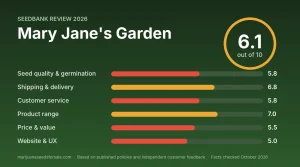
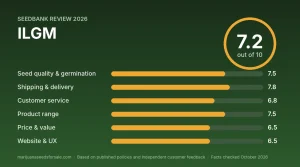
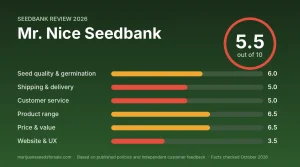
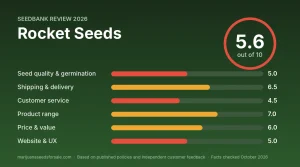
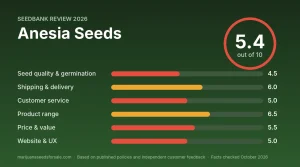
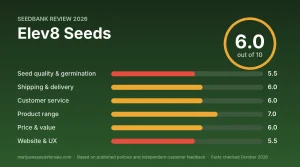
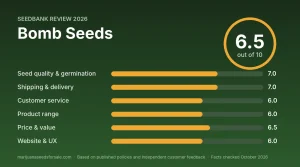
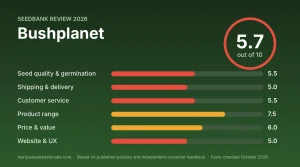
Seedbank Reviews
In-depth evaluations of the most popular cannabis seed banks. We test ordering, shipping, seed quality, and customer service so you can buy with confidence.
Our Blog
Growing tips, strain science, and cannabis culture from our team of specialists.
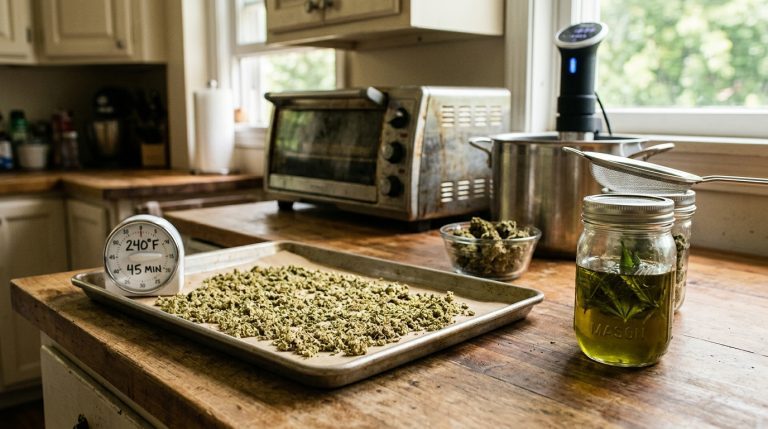
The Definitive Decarb Guide: Temperature, Time, and Every Method That Actually Works
I still remember the first ...
Read More →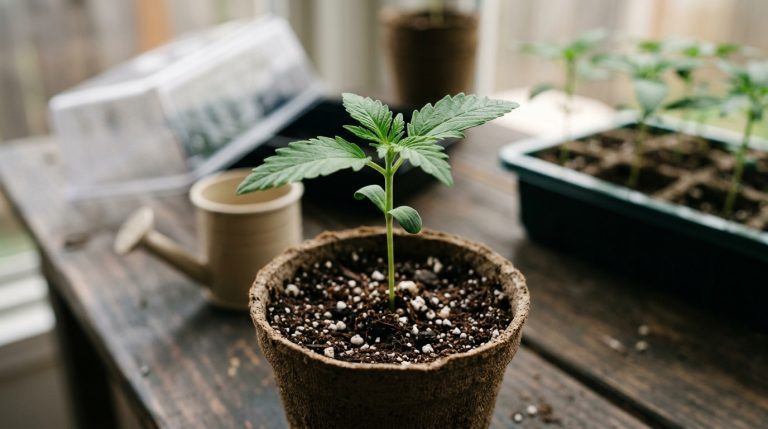
Cannabis Seedling Stage: Your Complete Day-by-Day Growth Guide (Days 1–14 and Beyond)
The seedling stage is where ...
Read More →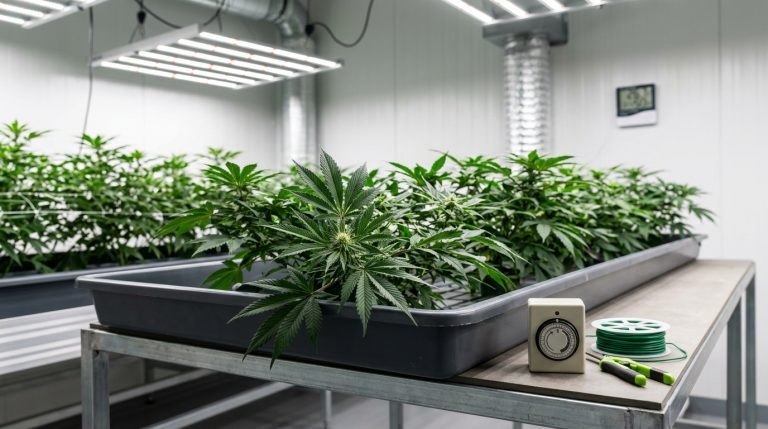
Photoperiod Cannabis Seeds: The Complete Light Cycle Mastery Guide for Serious Growers
Here is a fact that ...
Read More →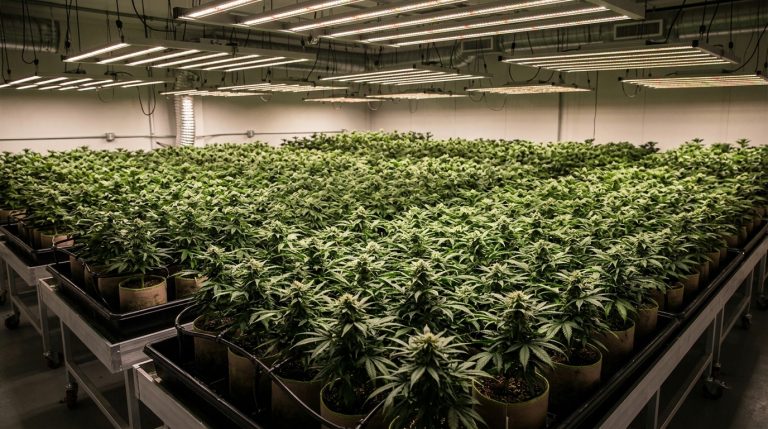
Sea of Green (SOG): The Grower’s Playbook for More Plants, Faster Harvests, and Bigger Yields
If you’ve ever stared at ...
Read More →Cannabis Glossary
Learn the terminology used in cannabis cultivation, genetics, and consumption.
Browse Full Glossary →

Stay Updated
Get strain reviews, growing tips, and exclusive deals delivered to your inbox. No spam, unsubscribe anytime.