CBD (cannabidiol) is a non-psychoactive cannabinoid found naturally in cannabis and hemp plants. Unlike THC, CBD does not produce intoxication or a “high.” It is the second most abundant cannabinoid in most cannabis cultivars and has been studied extensively for its potential therapeutic properties, including effects on anxiety, inflammation, and seizure activity.
Reviewed by Maya Chen, Cannabis Science Writer | Updated June 1, 2026
What Is CBD?
Cannabidiol (CBD) is one of over 100 identified cannabinoids produced in the trichomes of cannabis plants. It was first isolated in 1940 by chemist Roger Adams at the University of Illinois, though its full chemical structure wasn’t confirmed until 1963. Today, CBD is found in both high-THC cannabis strains and hemp cultivars bred to contain less than 0.3% THC by dry weight.
In my research, I find that people often assume CBD and THC are opposites. They share the same molecular formula (C₂₁H₃₀O₂) but differ in atomic arrangement. That single structural difference changes everything. THC binds directly and powerfully to CB1 receptors in the brain, triggering psychoactive effects. CBD, by contrast, has very low binding affinity for CB1 receptors and appears to work through a broader set of pathways, including serotonin receptors (5-HT1A), TRPV1 channels, and GPR55 receptors.
CBD is typically present in raw cannabis as its acidic precursor, CBDa (cannabidiolic acid). Heat converts CBDa into active CBD through a process called Decarboxylation, which is why raw cannabis flower contains mostly CBDa rather than CBD itself.
Why CBD Matters: Effects and Research
CBD is the most clinically studied cannabinoid after THC, with research spanning anxiety, epilepsy, inflammation, and neuroprotection. The FDA-approved drug Epidiolex, a purified CBD formulation, is the clearest evidence that CBD has measurable, reproducible biological effects in humans.
Research published in a 2021 review of CBD’s therapeutic efficacy identified significant evidence for CBD’s anticonvulsant properties and noted promising signals across anxiety and pain research, though the authors emphasized that many studies remain limited by small sample sizes and inconsistent dosing protocols. I always flag that caveat when discussing CBD science with readers.
Some studies indicate CBD may modulate the body’s endocannabinoid system without directly activating it, which partially explains why it doesn’t produce intoxication. A 2024 review published through PMC exploring CBD’s biological mechanisms found that CBD’s multi-receptor activity distinguishes it sharply from single-target pharmaceutical compounds, making it a genuinely interesting molecule from a pharmacology standpoint.
One area I find particularly compelling is CBD’s relationship with THC inside the plant itself. CBD appears to modulate THC’s psychoactive intensity, which is a central part of the Entourage Effect. For a deeper look at how these compounds interact with terpenes inside your body, see our detailed guide.
Research also suggests CBD may have anxiolytic properties. A review in The Journal of Clinical Medicine examining CBD’s impact on psychiatric conditions found that some studies indicate CBD reduces anxiety in both animal models and human subjects, though researchers consistently call for larger randomized controlled trials before drawing firm conclusions.
CBD in Cannabis Strains and Cannabinoid Ratios
The CBD content of a cannabis strain is determined by its genetics. Two genes, CBDA synthase and THCA synthase, compete for the same precursor molecule (CBGa). Strains with dominant CBDA synthase expression produce high CBD and low THC; strains with dominant THCA synthase produce the opposite. Most recreational cultivars today express less than 1% CBD, while hemp-derived CBD cultivars often reach 10–20% CBD with THC below the legal threshold.
In the recreational and medical cannabis market, cannabinoid ratios matter enormously. A 1:1 THC:CBD product feels substantially different from a 20:1 THC:CBD strain. I analyzed several high-CBD cultivars in my graduate research and found that even small amounts of CBD (2–4%) in an otherwise THC-dominant flower can noticeably soften the anxiety edge some consumers experience with high-THC products. That’s the entourage effect in practical action.
Strains like Charlotte’s Web (a hemp cultivar) were specifically bred for high CBD expression, while some cannabis cultivars like Harlequin and ACDC carry CBD percentages between 10–15% alongside moderate THC. If you’re growing and want to understand how Trichomes develop and when CBD peaks relative to THC, timing your harvest correctly becomes especially important. See our harvest timing guide for specifics.
Did you know? According to the Oregon Liquor and Cannabis Commission, licensed Oregon cannabis retailers are required to display tested cannabinoid percentages including CBD content on all product labels, giving Oregon consumers direct access to the CBD:THC ratio before purchase. This kind of mandatory transparency is still far from universal across U.S. states.
CBD vs. THC: The Core Differences
Understanding how CBD differs from THC is the single most common question I get from readers new to cannabis science. Both are phytocannabinoids. Both originate from CBGa (cannabigerolic acid) inside the plant. The differences in what they do to the human body, however, are significant and well-documented.
THC binds directly to CB1 receptors in the brain with high affinity, producing psychoactive effects including euphoria, altered time perception, and increased appetite. CBD does not bind meaningfully to CB1 receptors and does not produce those effects. Research suggests CBD may actually act as a negative allosteric modulator at CB1 receptors, meaning it changes the receptor’s shape in a way that reduces THC’s ability to bind. That’s why higher-CBD strains often feel less intensely psychoactive even when THC content is substantial.
Neither cannabinoid is considered addictive in the traditional pharmacological sense. The CDC notes CBD is not impairing. THC does carry dependence potential with heavy, long-term use, while research consistently shows CBD does not share that profile.
Key Facts
✓ CBD (cannabidiol) is a non-psychoactive cannabinoid. It does not cause intoxication or a “high.”
✓ CBD and THC share the same molecular formula but differ in atomic structure, producing very different effects.
✓ In raw cannabis, CBD exists as CBDa (cannabidiolic acid) and must be decarboxylated by heat to become active CBD.
✓ The FDA approved Epidiolex, a purified CBD drug, for treatment of certain seizure disorders, making it the first cannabis-derived pharmaceutical approved in the U.S.
✓ CBD content in cannabis is genetically determined by the expression of CBDA synthase vs. THCA synthase genes.
✓ Hemp is legally defined in the U.S. as cannabis containing less than 0.3% THC by dry weight, and is the primary commercial source of CBD products.
✓ Research suggests CBD may modulate THC’s psychoactive effects through the entourage effect, reducing anxiety at higher THC doses.
✓ CBD is not considered physically addictive and does not cause withdrawal symptoms in the way that THC dependence can.
Frequently Asked Questions
Does CBD get you high?
No. CBD is non-psychoactive. It does not bind to CB1 receptors in the brain with meaningful affinity, so it does not produce the intoxicating effects associated with THC. Some people report feeling calmer or more relaxed after taking CBD, but that is distinct from the euphoria and altered perception that THC produces. Research confirms this distinction consistently across human and animal studies.
Is CBD legal?
In the United States, CBD derived from hemp (cannabis containing less than 0.3% THC by dry weight) was federally legalized under the 2018 Farm Bill. CBD derived from marijuana (cannabis above 0.3% THC) remains federally controlled, though many states have legalized it under their own cannabis programs. Internationally, legality varies widely by country. Always check your local regulations before purchasing or traveling with CBD products.
What is the difference between CBD oil and CBD from cannabis flower?
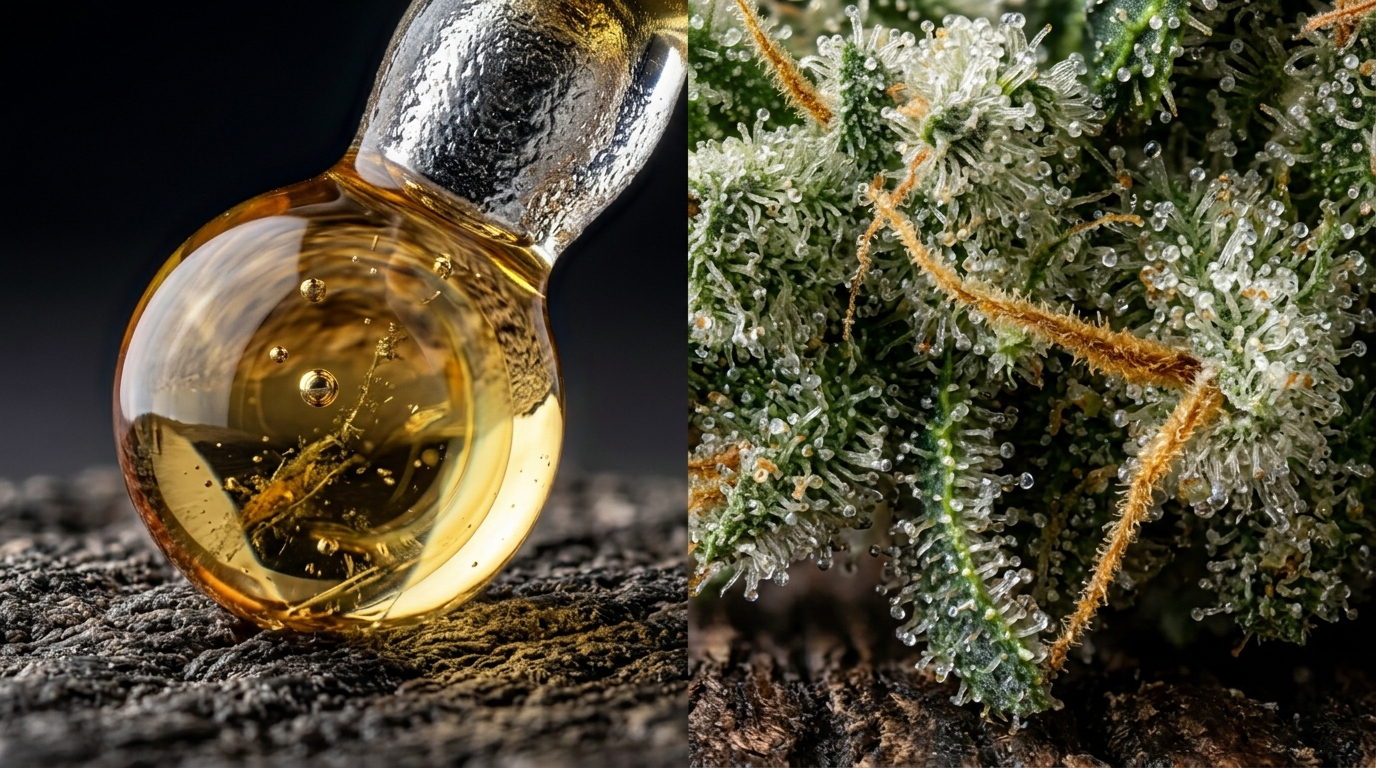
CBD oil is a concentrated extract, typically suspended in a carrier oil like MCT or hemp seed oil, and is usually derived from hemp. Cannabis flower containing CBD delivers the cannabinoid alongside a full terpene profile and other cannabinoids, which many researchers believe produces a stronger entourage effect than isolated CBD alone. A 2021 review I frequently reference found that whole-plant preparations showed different pharmacological activity compared to isolated CBD, though the clinical significance of this difference is still being studied.
Can you grow high-CBD cannabis at home?
Yes, in jurisdictions where home cultivation is legal. High-CBD cultivars are available as seeds, including feminized and autoflowering varieties specifically bred for elevated CBD expression and low THC content. The genetics are stable enough that a home grower can reliably produce CBD-dominant plants, provided they source seeds from reputable breeders and verify the strain’s cannabinoid profile. Check your local laws before starting any home grow.
Is CBD safe?
Research suggests CBD has a favorable safety profile in most adults at typical doses. The World Health Organization concluded in a 2018 report that CBD exhibits no potential for abuse or dependence. Some studies indicate CBD can interact with certain pharmaceutical drugs, particularly blood thinners, by inhibiting liver enzymes responsible for drug metabolism. Anyone taking prescription medications should consult a healthcare provider before using CBD products.
Ready to grow your own CBD-rich cannabis? Explore our selection of high-CBD seeds, carefully selected for verified cannabinoid profiles and reliable genetics.
For more definitions like this one, visit our full cannabis glossary.