THC (tetrahydrocannabinol) is the primary psychoactive cannabinoid in cannabis. It binds to CB1 receptors in the brain and central nervous system, producing the characteristic “high” associated with marijuana use. THC is produced in the plant’s trichomes as THCa, a non-psychoactive acid that converts to THC through heat via decarboxylation.
Reviewed by Maya Chen, Cannabis Science Writer | Updated May 31, 2026
What Is THC? The Chemistry Behind the High
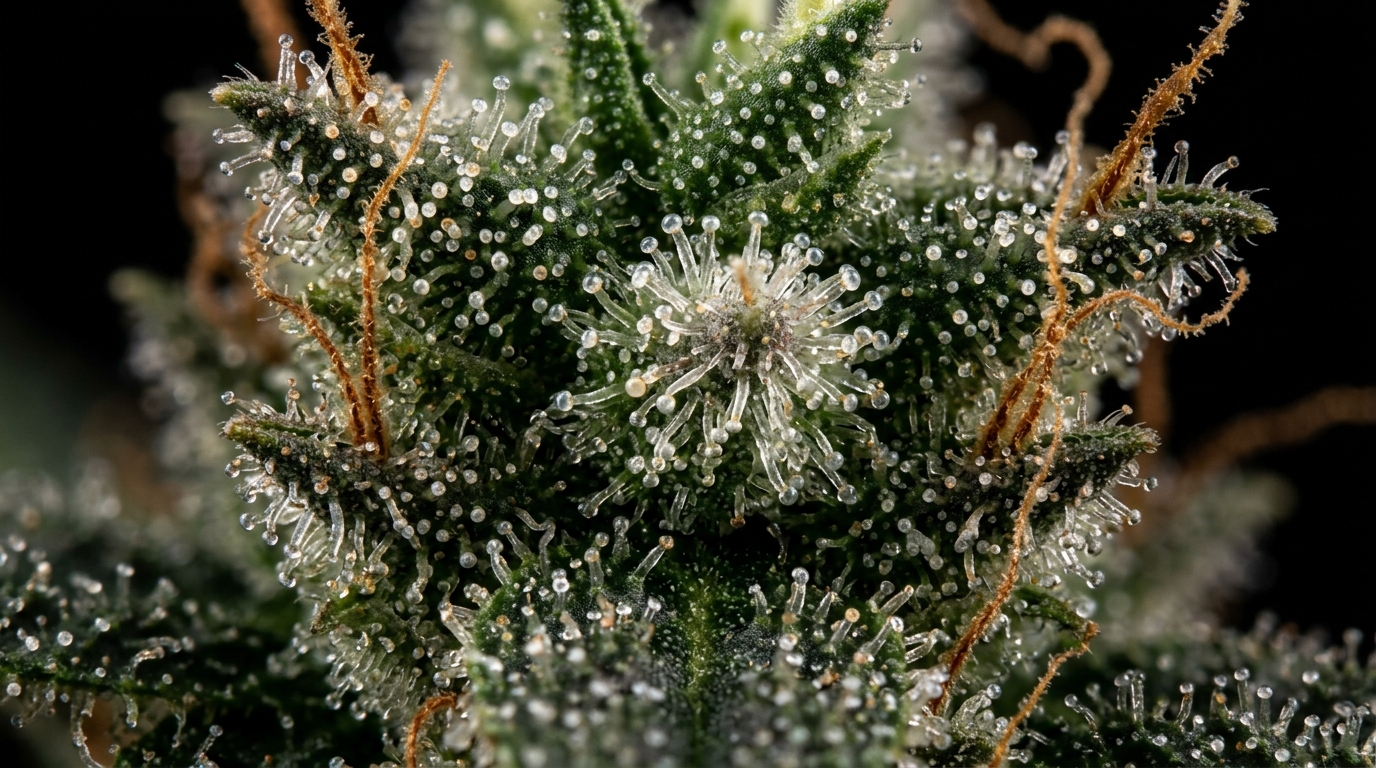
THC, or delta-9-tetrahydrocannabinol, is a terpenophenolic compound produced naturally in cannabis trichomes. It is one of at least 113 identified cannabinoids in the plant, and the one most responsible for psychoactive effects. Fresh, living cannabis actually contains very little THC. The plant produces THCa, the acidic precursor, which only converts to active THC when exposed to heat or prolonged light (a process called decarboxylation).
The molecular formula is C₂₁H₃₀O₂. THC’s lipophilic structure allows it to cross the blood-brain barrier with remarkable efficiency, which is why effects can onset within minutes of inhalation. I find this chemistry endlessly fascinating because the same molecule behaves so differently depending on how it enters the body, at what dose, and alongside which other compounds.
According to StatPearls on NCBI, THC was first isolated and synthesized by Israeli chemist Raphael Mechoulam in 1964. That single discovery set off decades of receptor research that eventually led to the identification of the endocannabinoid system itself.
How THC Works in the Body
THC produces its effects by mimicking the body’s naturally occurring endocannabinoids, binding primarily to CB1 receptors concentrated in the brain’s hippocampus, basal ganglia, and cerebellum. This receptor binding drives changes in memory, motor control, pain perception, and mood. CB2 receptors, found mainly in immune tissue, also respond to THC but with less intensity.
The dose matters enormously. Low doses often produce relaxation and mild euphoria. Higher doses can amplify sensory perception, alter time perception, or in some users, trigger anxiety and paranoia. Research published via PMC on high-potency THC highlights that products exceeding 10% THC concentration carry meaningfully different risk profiles compared to lower-potency flower, particularly for users with limited tolerance or a history of anxiety disorders.
THC rarely works in isolation inside a real cannabis product. The entourage effect describes how THC interacts synergistically with CBD, terpenes like myrcene and caryophyllene, and dozens of other minor cannabinoids to shape the final experience. For a deep look at that interaction, see our detailed guide.
THC Potency: What the Numbers Actually Mean
Modern cannabis products span an enormous potency range, from hemp flower containing under 0.3% THC to concentrates testing above 90%. Understanding what those percentages represent in practical terms is something I spend a lot of time explaining to newer consumers.
Average THC content in cannabis flower sold in regulated US markets has climbed substantially over the past three decades. Research suggests that in the 1990s, average flower THC hovered around 4%. By the early 2020s, studies were documenting averages closer to 12–16% in legal market products, with premium indoor cultivars routinely testing between 20–30%. Strains like Animal Face routinely report 29–33% THCa at harvest, while Bruce Banner has tested as high as 29% THC in independent laboratory analysis.
Those numbers are not always a reliable proxy for effect intensity. Cannabinoid ratios, terpene profiles, and individual consumer tolerance all play roles. A 28% THC strain with a rich myrcene and linalool profile may feel more sedating than a 22% strain with a stimulating terpinolene and limonene signature. Potency percentage is a starting point, not a complete picture.
Did you know? According to the Oregon Liquor and Cannabis Commission, all cannabis products sold in Oregon’s regulated adult-use market must be tested for THC potency by an accredited laboratory before retail sale, giving consumers reliable label accuracy that simply was not possible in the unregulated market.
THC and Research: Therapeutic Applications
THC has been studied for a range of therapeutic applications, and some of that research has translated into approved pharmaceutical products. The FDA-approved drug dronabinol is a synthetic form of THC used to treat chemotherapy-induced nausea and vomiting, as well as appetite loss in HIV/AIDS patients.
Some studies indicate THC may have analgesic properties, with research noting potential benefits for neuropathic pain and muscle spasticity. The National Academies of Sciences report on therapeutic effects of cannabis and cannabinoids found substantial evidence supporting cannabis for chronic pain treatment in adults, though the researchers note that most of this evidence does not distinguish cleanly between THC-only and whole-plant effects.
Research also suggests potential risks. Regular heavy use of high-potency THC products has been associated in some studies with increased risk of cannabis use disorder, and some evidence links early-onset heavy use to cognitive changes in adolescents. These findings reinforce why dose, frequency, and age of initiation matter as much as the compound itself.
THC in the Grow Room: What Growers Need to Know
THC accumulates in the trichomes of unfertilized female flowers. Stress, light intensity, and harvest timing all affect final cannabinoid concentrations. This is why growing from quality feminized seeds matters so much for potency-focused cultivators.
THCa converts to THC through heat (smoking, vaping, cooking) or slowly through UV exposure and time. Poorly cured or degraded cannabis can convert THC further into CBN, a mildly sedating cannabinoid, which is why proper curing and storage protect your final product’s potency. I always check trichome color under magnification before harvest because amber trichomes signal that THC-to-CBN conversion has already begun on the plant.
High-THC cultivars worth exploring include OG Kush, Gorilla Glue, RS11, and Oreoz, each offering distinct terpene profiles that shape how their potency expresses in practice. You can explore our full collection of high-potency genetics in the cannabis glossary and through our seed catalog.
Key Facts
✓ THC stands for delta-9-tetrahydrocannabinol, first isolated by Raphael Mechoulam in 1964
✓ Cannabis plants produce THCa, not THC directly; heat converts THCa to active THC through decarboxylation
✓ THC binds primarily to CB1 receptors in the brain and central nervous system
✓ Average flower THC in regulated US markets has risen from roughly 4% in the 1990s to 12–16%+ by the early 2020s
✓ THC works synergistically with CBD, terpenes, and other cannabinoids via the entourage effect
✓ Synthetic THC (dronabinol) is FDA-approved for chemotherapy-induced nausea and appetite stimulation
✓ THC degrades into CBN over time, especially with poor storage, heat, or UV exposure
Frequently Asked Questions
What does THC actually stand for?
THC stands for tetrahydrocannabinol, specifically delta-9-tetrahydrocannabinol. It is the primary psychoactive compound in the cannabis plant. The “delta-9” designation refers to the position of a double bond in the molecule’s carbon chain, which distinguishes it from related compounds like delta-8-THC, a minor cannabinoid with a similar but less potent psychoactive profile.
Is THC the same as THCa?
No. THCa (tetrahydrocannabinolic acid) is the raw, non-psychoactive precursor found in fresh cannabis flower. It does not produce a high on its own. When THCa is exposed to heat through smoking, vaping, or cooking, it loses a carboxyl group in a process called decarboxylation and converts to active THC. This is why raw cannabis does not intoxicate you, but heated cannabis does. The conversion rate is not 100%, which is why lab-tested flower often lists both THCa and THC percentages separately.
How is THC different from CBD?
THC and CBD are both cannabinoids produced in the same plant, but they have very different effects on the body. THC binds directly and strongly to CB1 receptors in the brain, producing psychoactive effects. CBD has a low binding affinity for CB1 receptors and does not produce intoxication. Some research indicates CBD may actually modulate THC’s effects, potentially reducing anxiety at higher THC doses. The two compounds work best when understood together rather than in isolation.
Is THC legal?
Legality varies significantly by jurisdiction. In the United States, THC remains a Schedule I controlled substance under federal law. However, 24 states and Washington D.C. have legalized adult-use cannabis as of 2026, and many more permit medical use. Hemp-derived products containing less than 0.3% delta-9 THC by dry weight are federally legal under the 2018 Farm Bill. Always verify your local and state regulations before purchasing or growing cannabis.
Does higher THC percentage mean a stronger high?
Not necessarily. THC percentage is one variable among many. The terpene profile, cannabinoid ratios, consumption method, individual tolerance, and set and setting all shape the final experience. In my research and personal testing, I have found that a well-grown 18% THC strain with a rich, complex terpene profile can feel far more potent and satisfying than a 28% isolate-heavy product with a stripped terpene signature. Percentage is a useful data point, not a complete predictor.
Ready to grow your own high-THC cannabis? Explore our curated selection of high-potency feminized seeds, tested genetics, and cultivars bred for maximum resin production.