Lollipopping is a cannabis pruning technique where growers strip away the lower branches, bud sites, and fan leaves from the bottom third (or more) of the plant, leaving a bare stem topped by a dense, productive canopy. The result looks like a lollipop. The goal is to redirect the plant’s energy toward top colas instead of wasting it on small, light-starved popcorn buds below.
Reviewed by Darrel Henderson, Cannabis Cultivation Specialist | Updated April 23, 2026
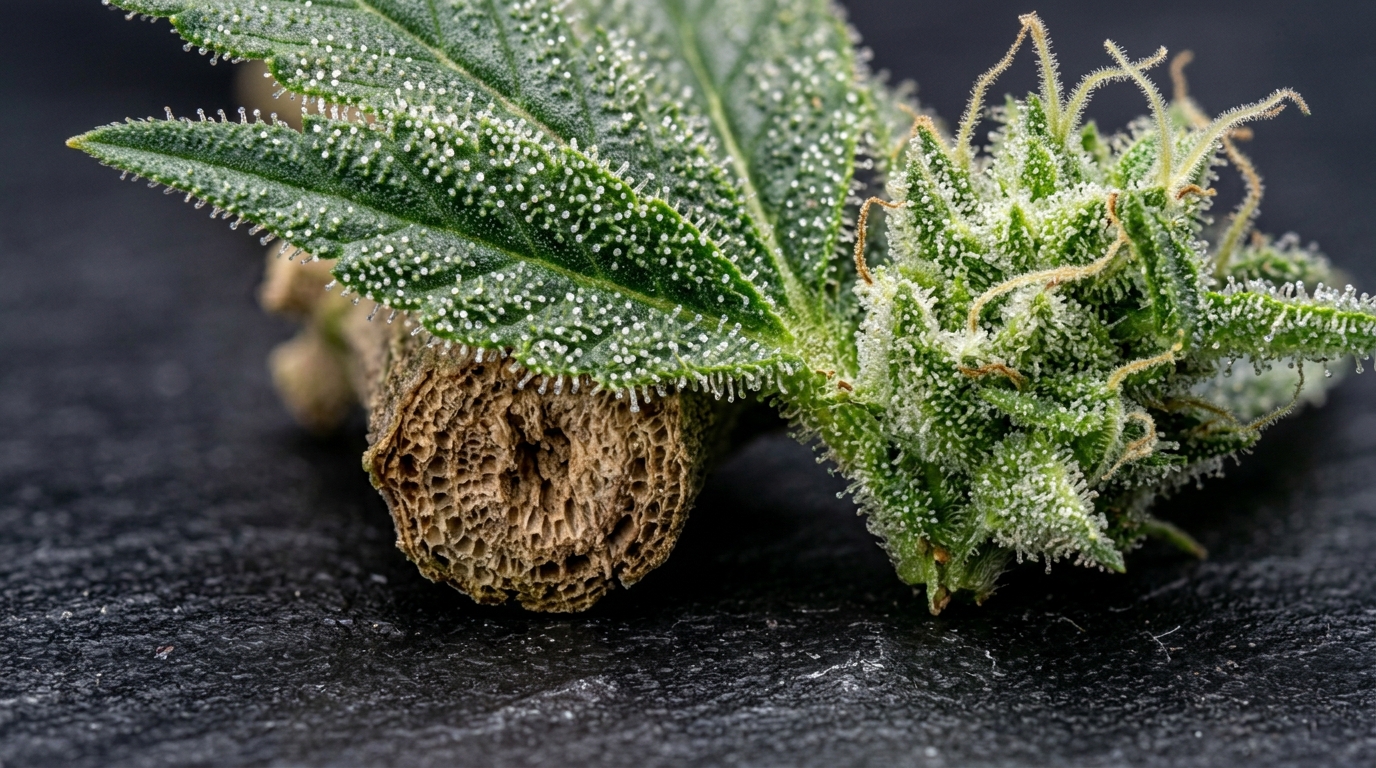
What Is Lollipopping?
Lollipopping is a form of strategic defoliation applied primarily during the transition into flowering. Growers remove everything below the main canopy that won’t receive adequate direct light, typically targeting the bottom 25 to 33 percent of the plant. What’s left is a clean stem and a concentrated top zone where all the real bud development happens.
The name comes from the shape. Strip the lower growth, and your plant starts looking exactly like a lollipop on a stick. Simple visual, but the reasoning behind it is solid plant science. Lower bud sites sit in deep shade under a closed canopy. They receive maybe 10 to 20 percent of the light hitting the tops. Those sites will never produce dense, resinous colas. They’ll give you airy, underdeveloped popcorn buds that take energy to produce but return almost nothing worth trimming.
I ran a side-by-side test in my veg room a couple of years back, two identical Blue Dream clones, same pot size, same feed schedule. One I lollipopped at day three of flower. The other I left untouched. The lollipopped plant finished with noticeably heavier top colas and a much cleaner trim job at harvest. The untouched plant had a pile of larfy popcorn I ended up tossing into oil anyway. That test sold me on the technique permanently.
You can read more about the full range of yield-boosting methods in our guide on how to increase cannabis yield.
Why Lollipopping Matters for Your Yield
Removing unproductive lower growth forces the plant to concentrate its photosynthate, water, and nutrient uptake toward the sites that actually have a shot at becoming dense, trichome-covered colas. This energy redirection is the core argument for lollipopping, and it holds up in practice.
Airflow is the other big win. A dense, bushy lower canopy traps humidity right at the base of the plant. That’s where botrytis and powdery mildew love to start. When I set up my current 4×8 tent, I had a persistent gray mold problem in the lower third of my plants. Once I started lollipopping consistently, that problem basically disappeared. Clean air movement from the base up makes a real difference.
Light penetration matters too. Cannabis plants grown indoors under HID or LED fixtures receive most of their photon energy from above. The research on pruning techniques and cannabinoid development supports this logic; a study published in PMC examining harvest time and pruning technique found that pruning practices influence total cannabinoid and terpene expression at harvest, reinforcing that how you manage the canopy affects the quality of what you pull down.
Trimming time drops significantly too. Fewer popcorn buds means less time at the trim table. That alone is worth something after a long grow.
Did you know? Colorado, one of the first US states to legalize recreational cannabis, now has hundreds of licensed commercial cultivators who rely on canopy management techniques like lollipopping to meet strict per-plant yield regulations. According to the Colorado Department of Regulatory Agencies, licensed facilities must track plant counts carefully, making per-plant productivity a direct financial priority for every commercial grower in the state.
How and When to Lollipop Your Plants
Timing is everything with lollipopping. Done at the right moment, it’s a clean and effective technique. Done too late, it becomes a stress event your plant can’t recover from before harvest.
The standard window is the first one to three days after flipping your lights to 12/12, or just before the flip if you want to reduce stress during the transition. Some growers do a second, lighter pass around day ten to fourteen of flower, once the stretch has revealed which sites are truly below the light threshold. That two-pass approach is what I use now, a heavier removal at flip and a cleanup run at week two.
Here’s how I actually do it. I look at where the canopy closes over and draw an imaginary line about a third of the way up the plant. Everything below that line comes off. Branches, bud sites, fan leaves, all of it. Clean cuts with sterilized scissors or pruning shears. I wipe my blades with isopropyl between plants to avoid spreading anything.
For the actual removal, strip branches at the node. Don’t leave stubs. Stubs invite rot and pests. Clean cuts heal faster and leave less surface area exposed.
Lollipopping pairs naturally with other training techniques. If you’re running a Topping or Topping vs Fimming approach during veg, lollipopping in early flower is the logical follow-up. It also works well alongside Supercropping to maximize your horizontal canopy before you clean up the bottom. Our full guide on super cropping covers how these techniques stack together.
For Autoflower vs Photoperiod plants, the timing question gets trickier. Autoflowers don’t have a flip point. They move into flower on their own schedule, and they don’t have the recovery window that photoperiod plants do. I’d recommend a light lollipop on autos only, removing just the very bottom nodes around weeks three to four, and only if the plant is vigorous and healthy. Aggressive lollipopping on a stressed auto can stall development at the worst possible time. Check our When to Harvest Autoflower entry for more context on autoflower timing generally.
Lollipopping vs. Leaving It Alone
Growers who skip lollipopping often argue that every leaf is a solar panel and removing growth costs the plant energy. That’s not wrong in isolation. But in a real indoor environment with a closed canopy, those lower leaves and bud sites are net negatives. They consume more than they contribute.
Outdoor grows are a different story. Natural sunlight hits from multiple angles throughout the day, and lower bud sites can actually receive meaningful light exposure. I’m more conservative with lollipopping on outdoor plants. I’ll still clean up the very bottom, but I leave more of the mid-plant structure intact. When to lollipop your outdoor plants really depends on your canopy density and local sun angle.
Sea of Green setups, which you can read about in our Sea of Green guide, often benefit from aggressive lollipopping because the goal is a single dominant cola per plant with minimal branching below. In that context, lollipopping isn’t optional, it’s part of the method.
Key Facts
✓ Lollipopping removes the bottom 25 to 33 percent of growth to redirect energy toward top colas
✓ Best timing is the first one to three days after flipping to 12/12, with an optional cleanup pass at week two of flower
✓ Improved airflow from lollipopping significantly reduces the risk of botrytis and powdery mildew at the base of the plant
✓ Autoflowers can be lightly lollipopped but aggressive removal risks stalling development
✓ Pruning technique has been shown to influence total cannabinoid expression at harvest
✓ Lollipopping reduces trim time at harvest by eliminating airy, underdeveloped popcorn buds
✓ Works best when combined with topping, fimming, or supercropping done during the vegetative stage
Frequently Asked Questions
Does lollipopping actually increase yield?
Yes, in most indoor setups it does, though the gains come from quality rather than raw weight. You’re trading small, airy popcorn buds for denser, heavier top colas. Total dry weight might be similar or slightly higher, but the usable, trimmed flower weight goes up meaningfully. The PMC study on pruning technique and cannabinoid content supports the idea that canopy management affects both yield quality and cannabinoid concentration. In my own grows, I’ve consistently seen better trichome coverage on top colas after lollipopping, which matters as much as raw gram counts.
When is it too late to lollipop?
Past week three of flower, you’re too late for any meaningful lollipopping. By then, bud sites are actively developing and removing them stresses the plant during a period when it needs to focus entirely on flower production. The stress response can slow trichome development and reduce final potency. If you missed the early flower window, just leave the plant alone and accept the popcorn at harvest. There’s always next run.
Should I lollipop during veg or wait for flower?
Most experienced growers wait for the flip or the first few days of flower. Lollipopping in veg removes growth that the plant is actively using for photosynthesis and development. You want that canopy full and working during veg. The exception is a very light cleanup of the absolute lowest, most shaded nodes in late veg, maybe a week before you flip, just to get the plant ready. But the main lollipop pass belongs in early flower. That’s where the timing pays off.
Ready to put lollipopping to work? Start with genetics that reward canopy management. Our indoor seed selection features strains bred for vigorous branching and top-heavy cola production.