A hybrid strain is a cannabis variety bred by crossing indica and sativa genetics, producing plants that carry traits from both parent lineages. Hybrids can lean sativa-dominant, indica-dominant, or sit close to a true 50/50 balance, giving growers and consumers a wide range of effects, aromas, and growth characteristics to choose from.
Reviewed by Travis Cole, Cannabis Culture Writer | Updated May 19, 2026
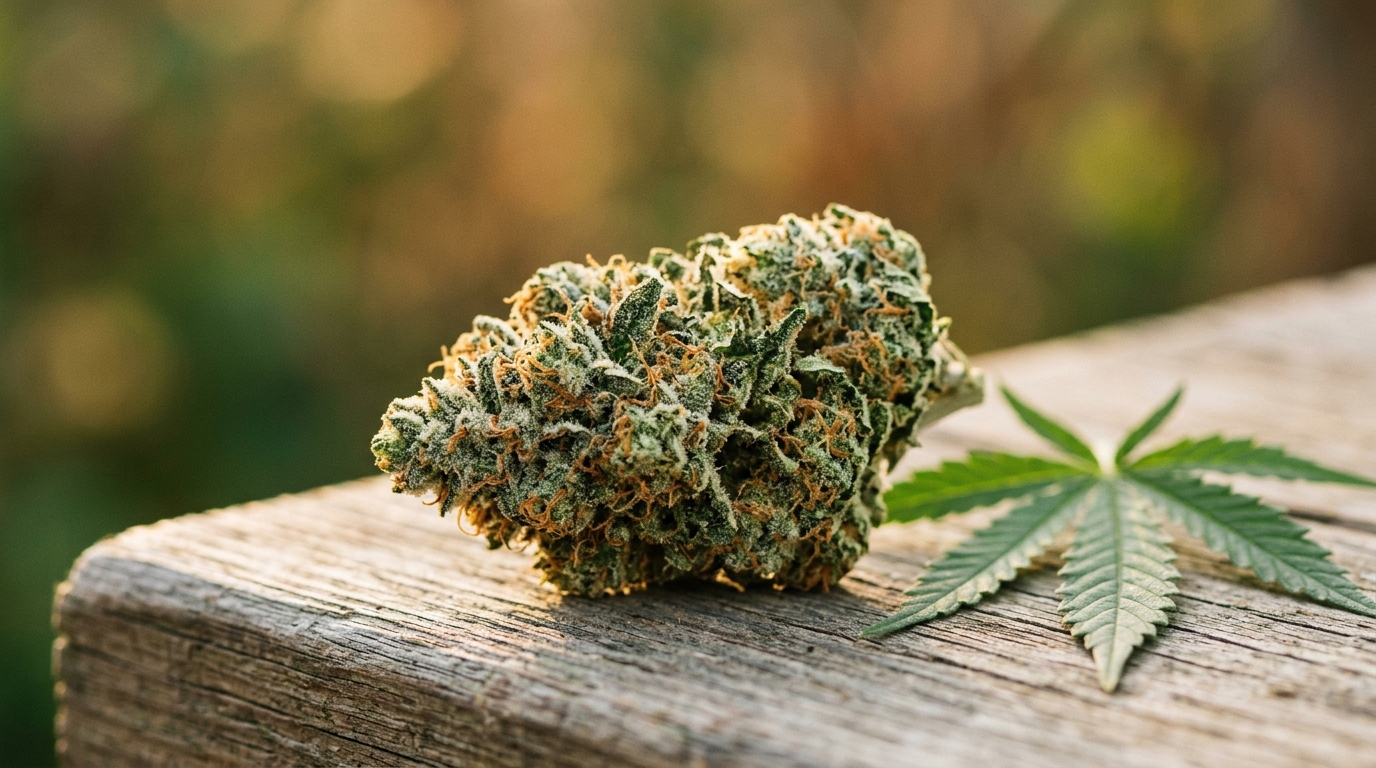
What Is a Hybrid Cannabis Strain?
Hybrid cannabis strains result from intentional cross-breeding between indica and sativa plants, or between two existing hybrids, to combine desirable traits from each parent. Nearly every commercially popular strain today carries some degree of hybrid genetics, making this the dominant category in modern cannabis cultivation.
I remember the first time somebody handed me a joint of Blue Dream at a backyard cookout in Austin and said, “this one’s different.” They were right. It wasn’t the couch-lock I expected from heavy indicas, but it wasn’t the wired, racing-brain energy of a pure sativa either. Easy and warm, like the best kind of summer evening. That right there is the whole promise of a hybrid.
The honest truth is that genetic research published in Cannabis and Cannabinoid Research has shown strain labels often don’t reliably predict chemical profiles or effects. What you actually feel depends far more on a strain’s specific cannabinoid content and Terpenes than on whether a breeder called it sativa-dominant or indica-dominant. Still, the categories give us a useful starting point when you’re standing at a dispensary counter trying to make a decision.
Why Hybrid Strains Dominate the Modern Market
Hybrid strains now represent the majority of cannabis varieties available to consumers and growers, largely because decades of selective breeding have blurred the lines between pure indica and pure sativa genetics. Their versatility across effect profiles, growing environments, and consumer preferences has made them the default category in both commercial and home cultivation.
Think about what a pure landrace sativa demands. Long flowering times, sometimes 14 or 16 weeks. Tall, sprawling plants that eat every inch of your garden. Great euphoria, but not always practical. A tight indica, on the other hand, finishes fast and compact but can put you down for the count before the brisket’s done resting. Neither extreme fits every situation.
Hybrids split the difference beautifully. A sativa-dominant hybrid like Green Crack gives you uplifting headspace while still finishing in a reasonable timeframe. An indica-dominant hybrid like Wedding Cake brings serious body relaxation without necessarily locking you to the couch all night. For outdoor growers like me, hybrids with some indica influence are often the smarter call. They finish earlier, handle Texas heat better, and don’t require the vertical real estate a pure equatorial sativa demands. I’ve run Pineapple Express and Sunset Sherbet side by side in my backyard plot, and both gave me harvests I was genuinely proud to pass around at the neighbor’s BBQ.
Did you know? According to the Journal of Cannabis Research (2024), survey data from medicinal cannabis users showed hybrid strains were among the most commonly reported varieties used, with patients citing balanced effects as a primary reason for choosing them over single-type strains.
How Hybrid Strains Are Classified
Hybrid strains are generally sorted into three broad categories based on which parent genetics dominate the plant’s effects and growth characteristics: sativa-dominant, indica-dominant, and balanced (sometimes called 50/50). In practice, the lines between them are often blurry, and individual Genotype expression means two plants from the same cross can behave noticeably differently.
Sativa-dominant hybrids tend to produce cerebral, uplifting effects alongside a taller, lankier structure. Strains like Sour Diesel, Jack Herer, and Amnesia Haze fall here. These are the ones I reach for on a slow Saturday morning when I want to feel creative without feeling sedated.
Indica-dominant hybrids lean toward physical relaxation and a more compact, bushy growth habit. OG Kush, Zkittlez, and Granddaddy Purple are classic examples. These come out after the sun goes down and the guitar gets put away.
Balanced hybrids sit in the middle ground. Girl Scout Cookies is probably the most famous example, delivering a high that shifts between euphoric and relaxing depending on dose and the person. Crowd-pleasers, because they don’t ask too much of you in either direction.
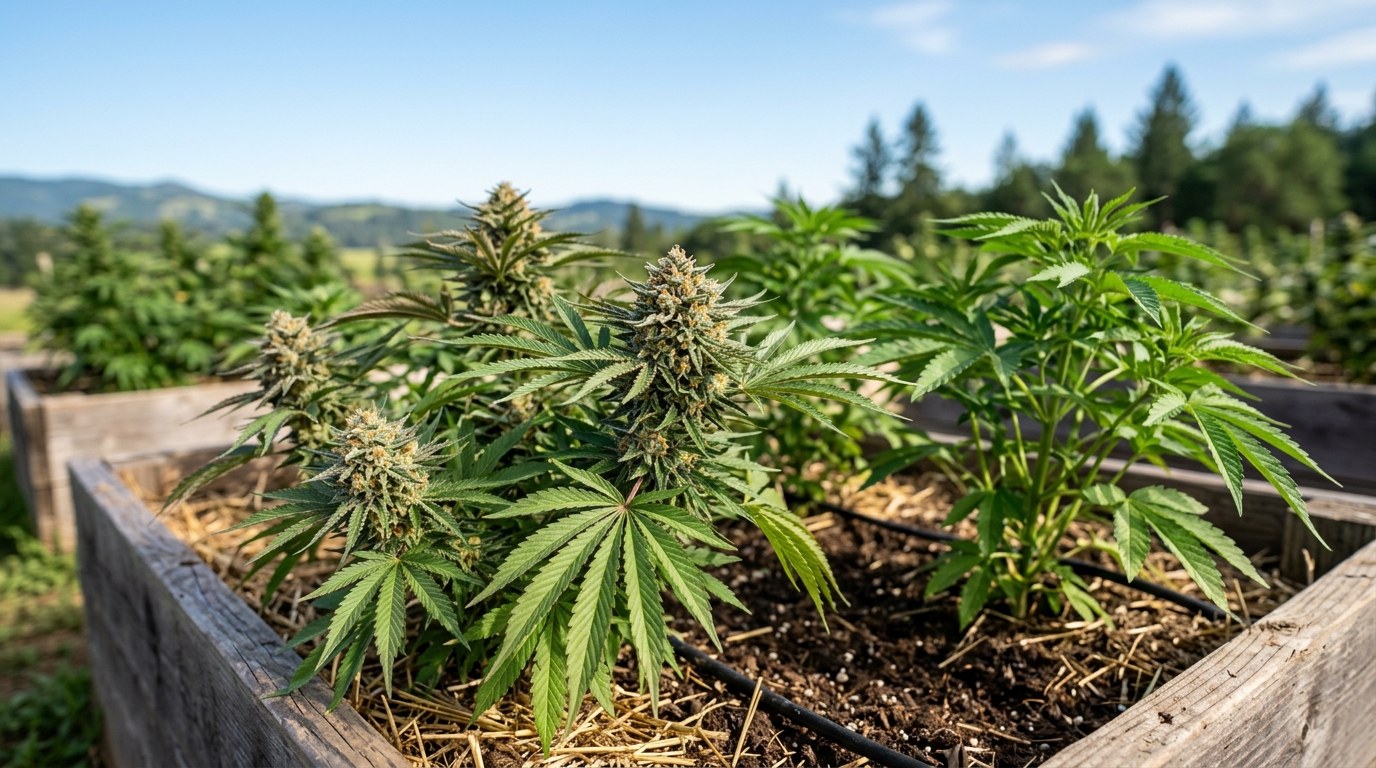
Growing Hybrid Strains: What to Expect
Hybrid cannabis plants inherit a blend of growth traits from their parent genetics, meaning flowering times, plant structure, yield potential, and environmental tolerance vary widely depending on the specific cross. Most hybrids flower between 8 and 10 weeks indoors, faster than pure sativas and only slightly slower than the quickest indicas.
Outdoors in central Texas, that timing puts harvest somewhere in late September to mid-October. Well before the weather turns ugly. Structure-wise, expect something between the two extremes. A sativa-dominant hybrid might stretch significantly in early flower, sometimes doubling in height, while an indica-dominant hybrid stays more manageable. Techniques like Topping or Supercropping help you shape the canopy without fighting the plant’s natural tendencies.
Trichomes are your best harvest signal regardless of what the breeder’s timeline says. Check them with a loupe and let the plant tell you when it’s ready. That’s a lesson I learned the hard way after pulling a Gorilla Glue cross two weeks too early because I was impatient. Never again.
Explore our cannabis glossary to get comfortable with growing terminology before you pop your first seed.
Key Facts
✓ Hybrid strains are bred from indica and sativa genetics and represent the majority of modern cannabis varieties
✓ They can be sativa-dominant, indica-dominant, or balanced (50/50), with effects varying accordingly
✓ Terpenes and cannabinoid content are stronger predictors of effects than the sativa/indica/hybrid label alone
✓ Most hybrids flower in 8 to 10 weeks indoors, making them practical for a wide range of growing setups
✓ Popular examples include Blue Dream, Girl Scout Cookies, OG Kush, Gelato, and Gorilla Glue
✓ Growth structure, yield, and environmental needs vary depending on which parent lineage dominates
Frequently Asked Questions
What does a hybrid cannabis strain actually do?
A hybrid strain produces effects that blend characteristics from both its indica and sativa parents. Sativa-dominant hybrids tend toward uplifting, cerebral highs with some physical relaxation. Indica-dominant hybrids lean toward body relaxation with mood elevation. The exact experience depends heavily on the strain’s specific cannabinoid and terpene profile, not just its classification label. Research suggests that individual biochemistry also plays a significant role in how any given strain affects a person.
Is hybrid weed a downer or an upper?
That depends on which direction the hybrid leans. Sativa-dominant hybrids like Sour Diesel tend to feel more energizing, closer to what people call an “upper” experience. Indica-dominant hybrids like Wedding Cake lean more sedating and relaxing. True balanced hybrids can go either way depending on dose, your tolerance, and the time of day. I’ve had the same strain feel completely different at noon versus midnight, and that’s not unusual at all.
Are all modern cannabis strains hybrids?
Pretty much, yes. Pure Landrace strains still exist and are preserved by breeders and enthusiasts, but the vast majority of what you’ll find at a dispensary or in a seed catalog has been crossed at some point in its lineage. Even strains marketed as “pure indica” or “pure sativa” often carry hybrid genetics when you look closely at their breeding history. That’s not a bad thing. It’s what gave us the incredible variety available today.
What are the best hybrid strains for outdoor growing?
For outdoor growing, you generally want hybrids with enough indica influence to keep flowering times reasonable and plant structure manageable. Strains like Pineapple Express, Blue Dream, and Gorilla Glue have proven themselves across a range of outdoor climates. If you’re in a shorter-season climate, leaning toward indica-dominant hybrids gives you the best shot at finishing before the weather turns.
Ready to grow your own hybrid strain? Whether you want a sativa-dominant energizer or a couch-friendly indica-leaner, we’ve got outdoor-tested genetics waiting for your garden.