Sativa is one of the two primary cannabis subspecies, originating from equatorial regions including Colombia, Thailand, and East Africa. Sativa plants grow tall with narrow leaves and loose buds, and are widely associated with uplifting, energizing effects. Most modern sativa-leaning strains carry higher THC relative to CBD, producing a cerebral, head-focused experience.
Reviewed by Travis Cole, Cannabis Culture Writer | Updated June 5, 2026
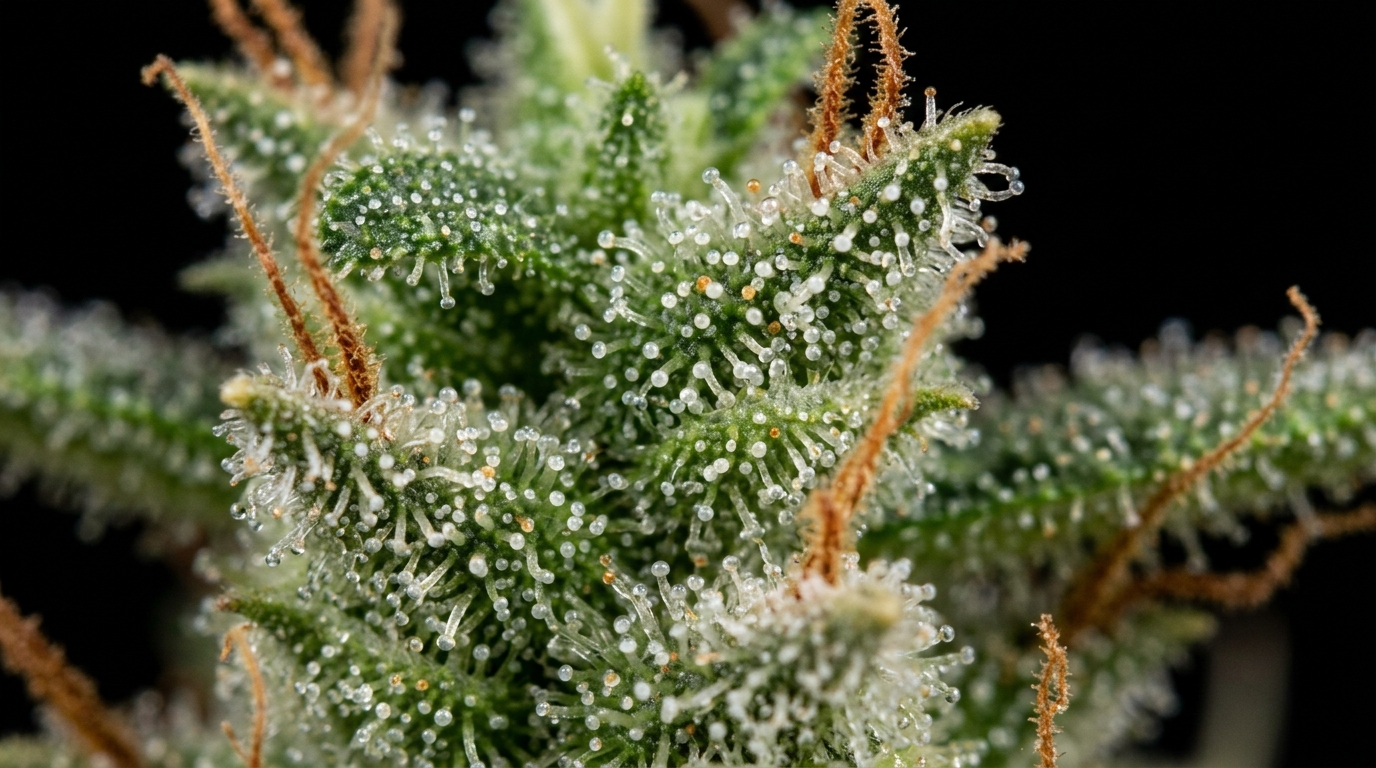
I grew my first pure sativa outdoors in central Texas back when I was still playing weekend gigs and had more optimism than grow space. That thing shot up past my fence line by September. My neighbor thought I was growing some exotic tomato variety. I did not correct him.
What Is Sativa Cannabis?
Sativa is one of the oldest and most studied subspecies of the Cannabis genus, with origins tracing back to equatorial regions where long, hot growing seasons shaped its genetics over centuries. As documented in Cannabis sativa: The Plant of the Thousand and One Molecules, the plant produces hundreds of distinct chemical compounds including cannabinoids, terpenes, and flavonoids that work together to shape its effects.
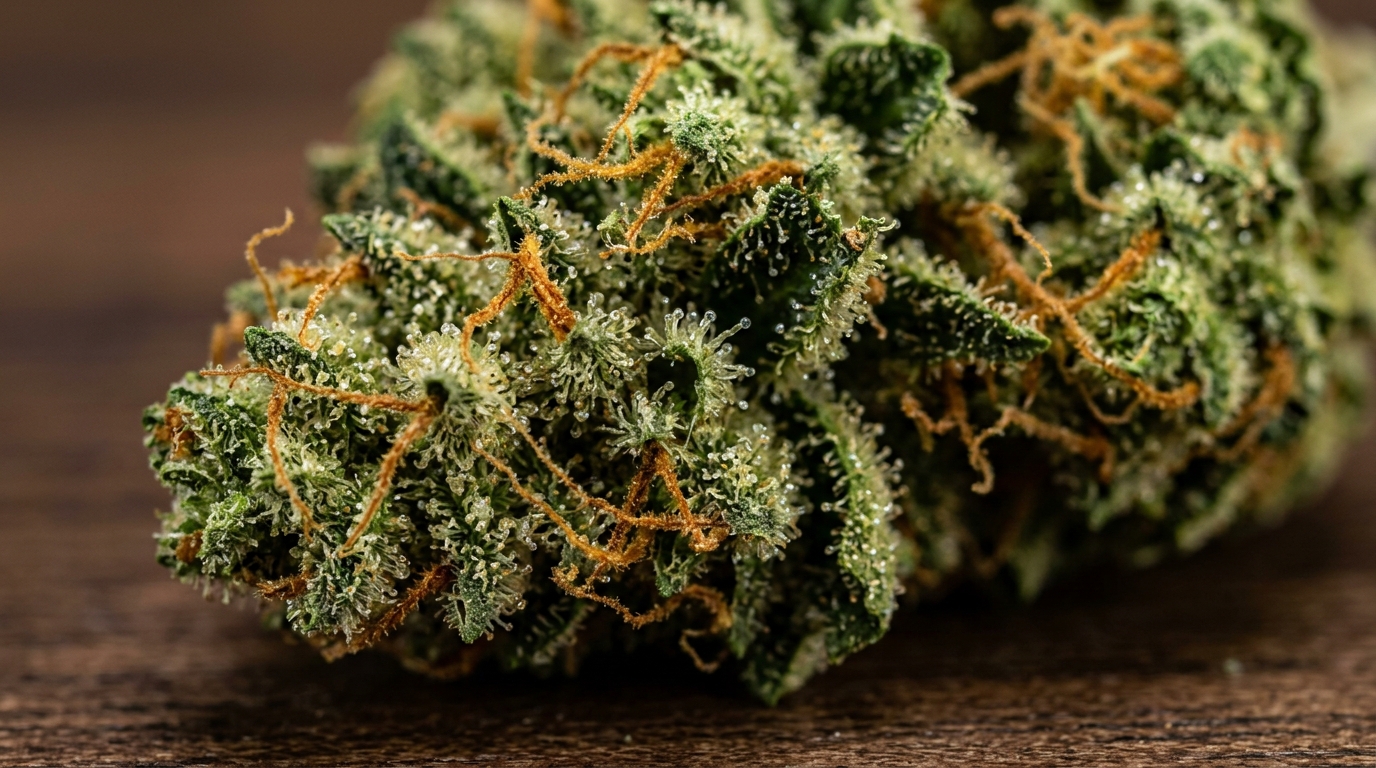
The name comes from Latin, meaning “cultivated.” That feels right. Sativa has been grown by human hands across cultures for thousands of years, raised for fiber, seed oil, and its psychoactive flowers. Physically, sativa plants are hard to miss. They stretch tall, sometimes reaching 15 to 20 feet in a full outdoor season, with long narrow leaves spread wide like an open hand and buds that grow airy and loose compared to the dense, chunky nugs you get from Indica plants. That open bud structure is an adaptation to humid tropical climates, cutting down on moisture buildup and mold risk.
In the broader cannabis glossary, sativa sits alongside Indica and Ruderalis as one of three primary botanical classifications. Most strains today are hybrids rather than pure expressions of any single subspecies.
Sativa Effects: What to Expect
Sativa-dominant cannabis is broadly associated with uplifting, cerebral effects that many users describe as energizing, creative, or socially engaging. A cross-sectional survey published at PMC (NIH) found that users consistently reported more stimulating and mood-lifting experiences with sativa-labeled products compared to indica-labeled ones, though researchers noted the relationship between subspecies labels and actual chemical profiles is complicated.
That complication matters. Research published in The Cannabis sativa Versus Cannabis indica Debate argues that morphological distinctions don’t reliably predict cannabinoid or terpene content. What actually shapes your experience is the specific chemical profile, including THC, CBD, and the full terpene suite.
Sativa-leaning strains tend to carry terpenes like Limonene and terpinolene, both associated with bright, uplifting qualities. Think Sour Diesel, Jack Herer, Strawberry Cough, or Amnesia Haze. I’ve smoked all four on a porch in July with a cold drink in hand, and every one of them made the afternoon feel like it had more hours in it. Some users report that high-dose sativas can amplify anxiety or cause racing thoughts, particularly strains with very high THC and minimal CBD, so starting low and going slow applies here as much as anywhere.
Did you know? According to a PMC research overview on Cannabis sativa, the plant has been used medicinally and industrially across cultures for over 5,000 years, with documented cultivation spanning Asia, Africa, and the Americas long before modern dispensary labels existed.
Growing Sativa Outdoors
Sativa plants evolved under long equatorial days and can take 10 to 16 weeks to finish flowering, significantly longer than most indica or autoflowering varieties. For outdoor growers across the American South and Southwest, that long season is workable if you plan your planting window right.
I start my sativa seeds indoors in late March here in Austin, transplanting outside after the last frost. By late October those plants are monsters. The stretch during early flower is something to witness. You can top and train them to manage height, and I’d strongly recommend learning about super cropping if you want to keep a sativa manageable without sacrificing yield.
The airy bud structure makes sativas more resistant to mold in humid climates, but good airflow around the canopy still matters. Space your plants generously. These are not plants you squeeze into a tight corner. For indoor growers, sativa genetics can be a real challenge due to height, which is why many breeders have developed sativa-dominant hybrids specifically to reduce stretch while preserving the uplifting effect profile.
Sativa in the Modern Strain Conversation
Here’s where things get honest. The sativa and indica labels you see at dispensaries are mostly marketing shorthand at this point. Decades of crossbreeding have blurred the genetic lines so thoroughly that a strain called “sativa” might share more chemical overlap with an indica than with a true equatorial landrace. The Landrace genetics from Colombia, Thailand, or Jamaica represent the purest expression of what sativa originally meant, and most modern strains are far removed from those origins.
What the label still does well is set expectations. When someone tells me they want something for a Saturday morning hike or a creative writing session, I point them toward sativa-dominant options. The label is a rough compass, not a GPS. The real information lives in the terpene and cannabinoid profile, and the more you understand the Entourage Effect, the better you can predict your experience. Strains like Mimosa, Pineapple Express, and Blue Dream are great examples of sativa-dominant hybrids that deliver lifted, sociable energy while staying approachable for newer consumers.
Key Facts
✓ Sativa plants can grow 15 to 20 feet tall outdoors under ideal conditions
✓ Sativa-dominant strains typically have flowering times of 10 to 16 weeks
✓ Narrow leaves and loose, airy bud structure are classic sativa physical traits
✓ Sativa-leaning strains are broadly associated with uplifting, cerebral, energizing effects
✓ Common sativa terpenes include limonene and terpinolene, linked to bright and energizing qualities
✓ Most modern “sativa” strains are sativa-dominant hybrids rather than pure landrace expressions
✓ Scientific research indicates subspecies labels alone don’t reliably predict chemical profile or effects
Frequently Asked Questions
What is the difference between sativa and indica?
Sativa and Indica differ in plant structure, growth patterns, and commonly reported effects. Sativa plants grow tall and thin with narrow leaves and airy buds, while indica plants are shorter and bushier with dense buds. Sativa-dominant strains are broadly associated with energizing, cerebral effects, while indicas are linked to body relaxation and sedation. The scientific community increasingly points out that these labels don’t reliably predict the actual cannabinoid and terpene profile of a given strain, which is the real driver of your experience.
Is sativa good for anxiety?
This depends heavily on the individual and the specific strain. Some people find sativa-dominant strains uplifting and mood-enhancing, which can ease mild stress. Others, particularly those sensitive to THC, find that high-THC sativas amplify anxious thoughts or cause a racing mind. Research suggests that CBD-rich strains or lower-THC options may be better suited for anxiety-prone users. Starting with a small amount and waiting to assess the effect before consuming more is always the right move.
How long does a sativa take to flower?
Sativa and sativa-dominant strains generally have longer flowering periods than indica varieties, typically running 10 to 16 weeks from the start of the flowering stage. Pure landrace sativas from equatorial regions can take even longer. This is one reason outdoor growers in northern climates struggle with true sativas, as the plants may not finish before the first frost. Sativa-dominant hybrids bred for shorter flowering times offer a practical middle ground for growers who want the effect profile without the marathon grow season.
Ready to grow your own sativa-dominant plants? Browse our full selection of outdoor-ready sativa seeds and find genetics built for big sun, warm climates, and that lifted, creative high you’re chasing.