
Every grower hits this crossroads at some point, you’re staring at a seed catalog, three different seed types staring back at you, and you genuinely don’t know which one fits your situation. I’ve been there, and I’ve grown all three types extensively over my 12+ years in the game. The honest answer is that there’s no universally “best” seed type, there’s only the best seed type for you, right now, given your space, your goals, and your experience level. This guide is going to cut through the noise and give you a real decision framework, not just a generic pros-and-cons list. By the end, you’ll know exactly which type to drop in your next grow.
- Understanding the Three Seed Types: What Actually Makes Them Different
- The Real Yield Difference, And Why It’s More Nuanced Than You Think
- Growing Difficulty: Where Each Seed Type Fits on the Learning Curve
- The Feminized Autoflower Hybrid: Best of Both Worlds (And Why Competitors Undercover It)
- Regular Seeds and the Breeding Angle: When “Old School” Is the Right Call
- Cost Analysis: What You’re Actually Paying For
- Choosing Your Seed Type: A Decision Framework
- Outdoor Growing Considerations: Seed Type Matters More Than You Think
- What Happens If Your Feminized Seeds Produce a Male?
- Where to Buy: Seed Banks Worth Knowing
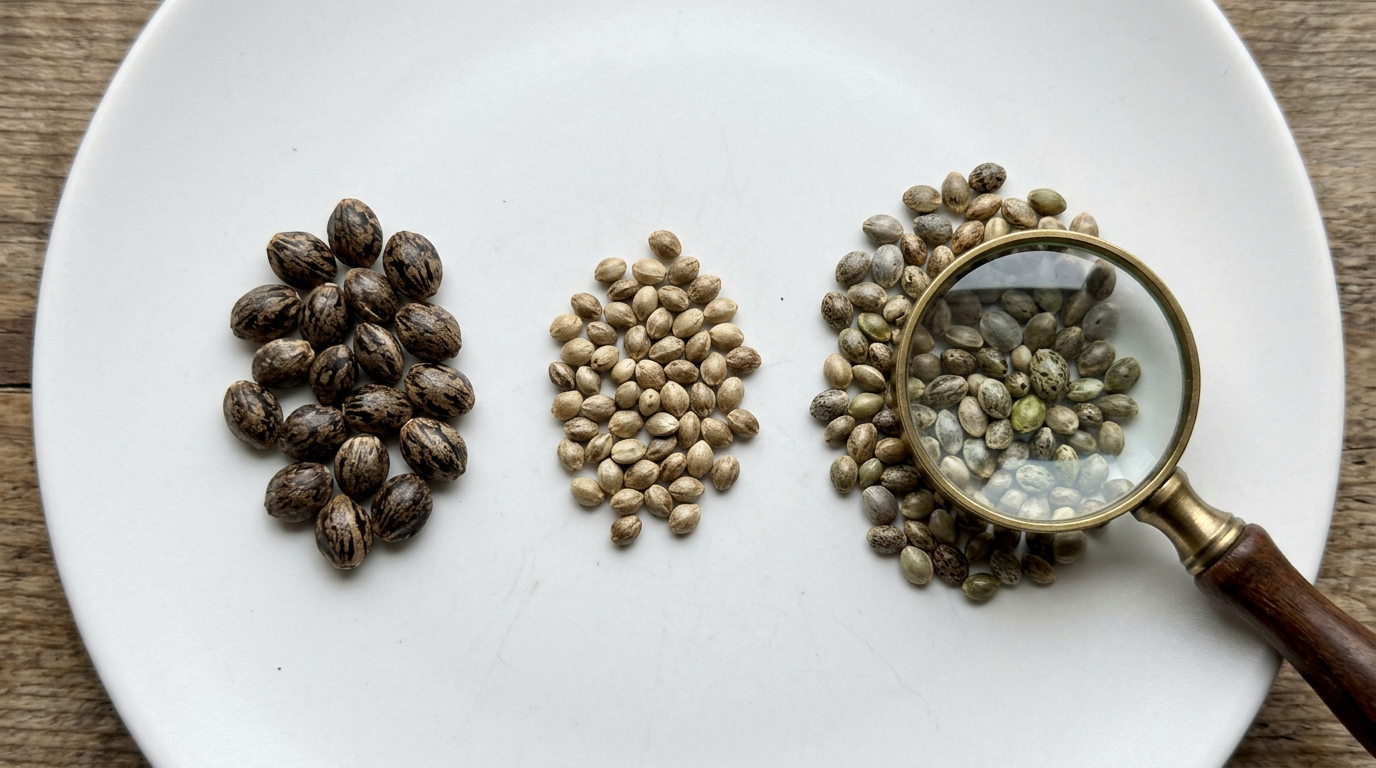
Understanding the Three Seed Types: What Actually Makes Them Different
The most important thing to understand upfront is that these three categories aren’t all parallel to each other, and that trips a lot of growers up. Feminized and regular seeds are both photoperiod plants, meaning they flower based on light schedule changes. Autoflowering seeds are a completely different flowering mechanism, they flower based on age, not light. That’s a fundamental biological difference that affects every decision downstream.
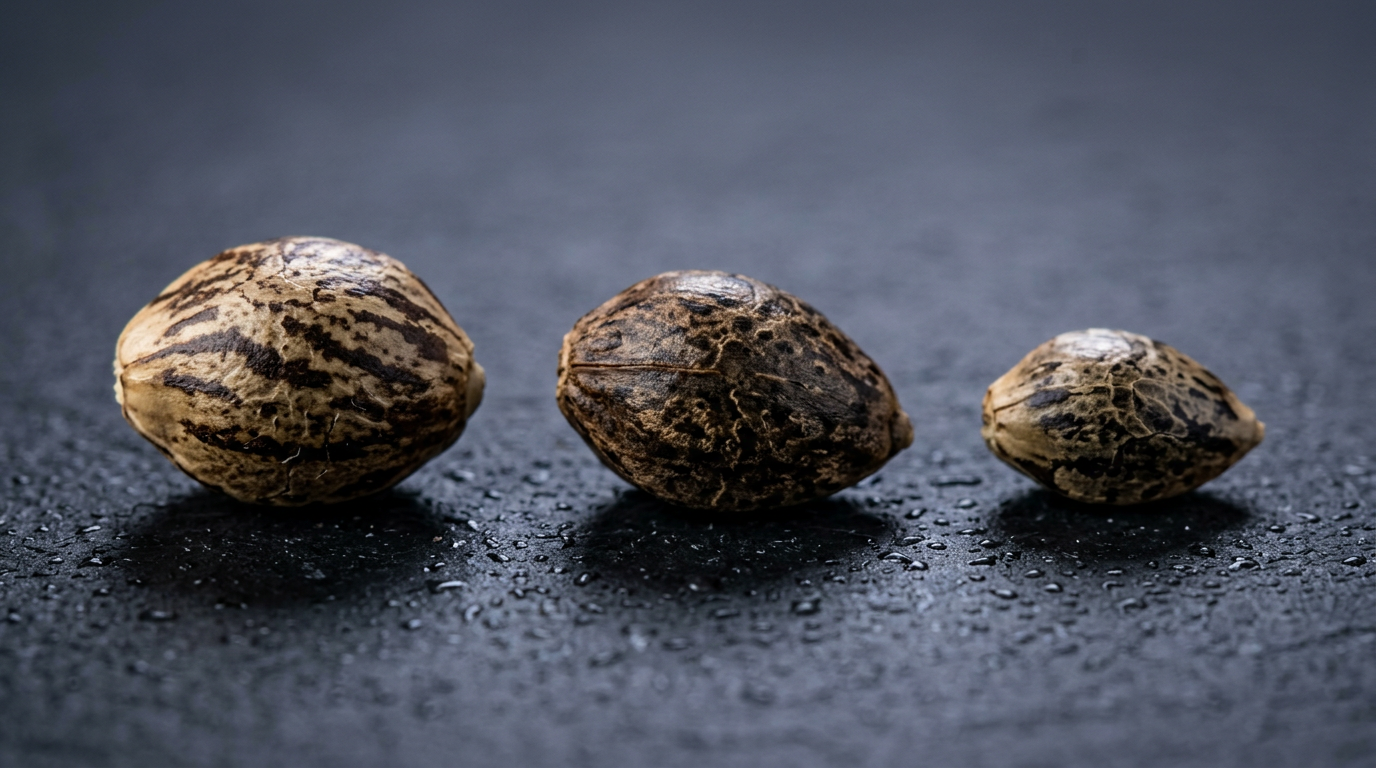
Regular seeds are the OG, the natural, unmodified product of sexual reproduction between a male and female cannabis plant. They produce roughly a 50/50 split of male and female plants, which makes them less efficient for production growing but absolutely essential for breeding work. If you’re hunting phenos or building your own genetics library, regular seeds are where you start. Strains like Northern Lights and White Widow have been preserved in regular form for decades precisely because breeders need that genetic diversity.
Feminized seeds are photoperiod plants that have been bred or chemically treated (typically with colloidal silver or rodelization) to produce only female plants. The result is a seed that’s essentially guaranteed to give you bud-producing plants, eliminating the labor and waste of identifying and pulling males. According to research and grower consensus, feminized seeds deliver denser, more resinous buds with higher cannabinoid content compared to autoflowering varieties, mainly because they have more time to develop during a longer veg phase.
Autoflowering seeds carry genetics from Cannabis ruderalis, a subspecies adapted to harsh northern climates where seasons are short and daylight hours are unpredictable. Scientists have mapped the autoflowering trait to specific genetic loci, identified in peer-reviewed research as Autoflower1 and Early1, which explains why the trait breeds so reliably across modern hybrids. Autos complete their full lifecycle in roughly 8 to 12 weeks regardless of light schedule, which is their defining advantage. And critically, most modern autoflower seeds on the market are also feminized, giving you both traits in one package.
The Real Yield Difference, And Why It’s More Nuanced Than You Think
Let me be straight with you: autoflower seeds typically yield less per plant than feminized photoperiod seeds. That’s an established fact in the growing community and backed by seed bank data. The reason is straightforward, autos are smaller plants with a compressed lifecycle, so they simply have less time to build biomass and bud sites. But “less per plant” doesn’t always mean “less overall,” and this is where a lot of growers make a calculation error.
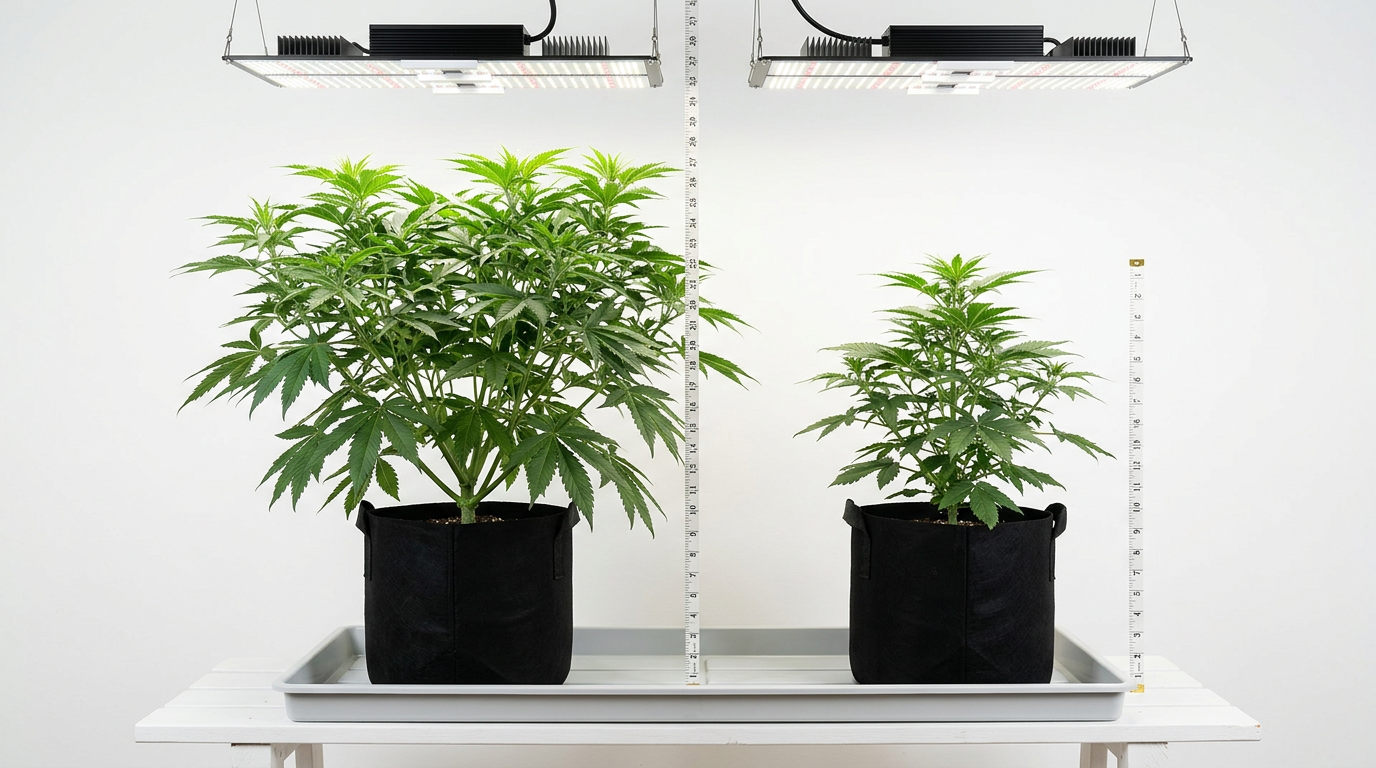
With autos, you can run multiple harvests in the same timeframe it takes a feminized photoperiod plant to complete one cycle. Feminized seeds take anywhere from 3 to 5 months from seed to harvest depending on strain and veg time. A fast autoflower can finish in 8 weeks. That’s the math you need to run for your specific situation. If you’re growing in a state like Colorado or California where home cultivation is legal and you’re working with limited canopy space, staggering autoflower grows can actually give you a more consistent supply than a single large feminized harvest.
Feminized photoperiod plants, on the other hand, allow you to control when flowering starts by flipping your lights to a 12/12 schedule. You can veg them as long as you want, training the canopy aggressively with techniques like super cropping or LST to maximize your how to increase cannabis yield potential. A well-trained feminized plant in a controlled environment can produce significantly more per plant than any auto. That’s why commercial operations and experienced home growers chasing maximum output almost universally go with feminized photoperiod genetics.
Growing Difficulty: Where Each Seed Type Fits on the Learning Curve
This is probably the most important factor for newer growers, and I want to be honest about it rather than sugarcoating things.
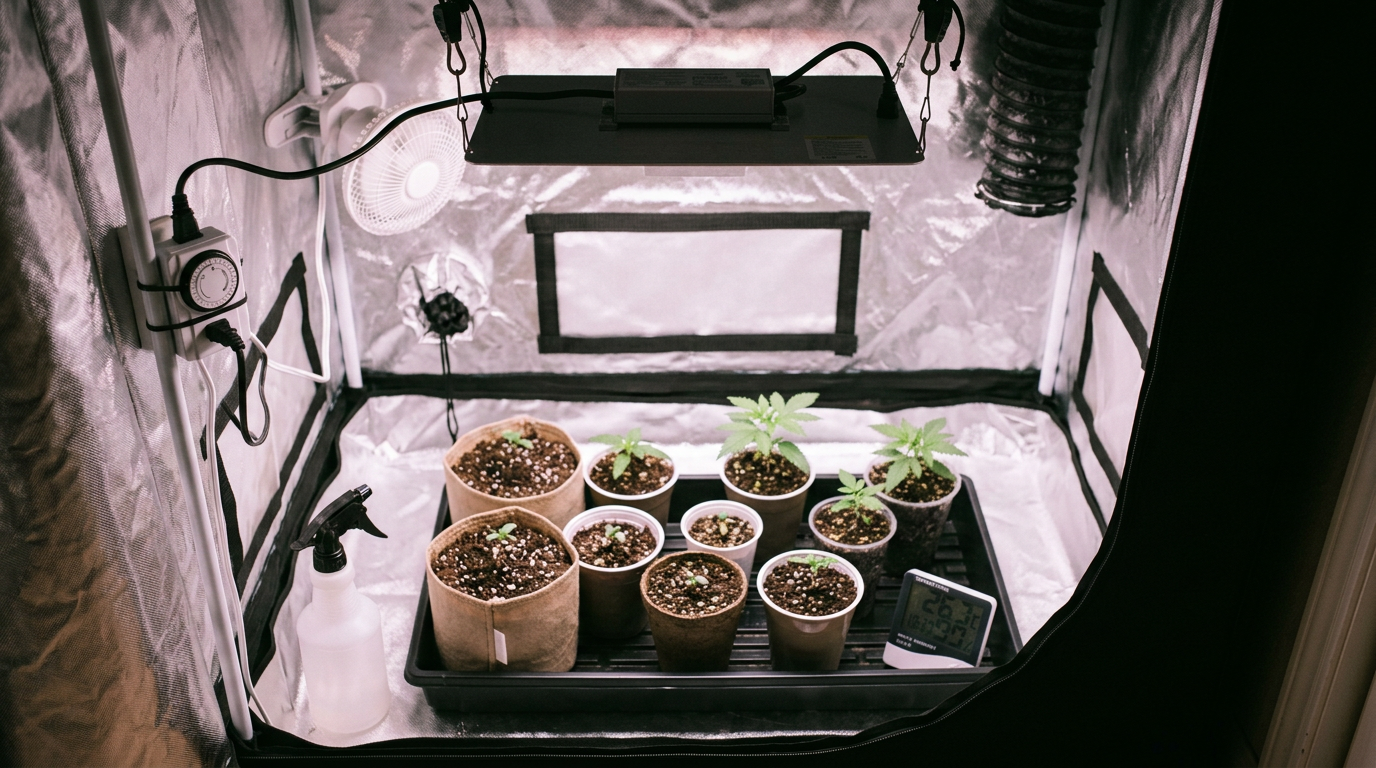
Autoflowers are genuinely the most forgiving starting point. Because they don’t depend on light schedules, you don’t need to stress about light leaks, timer malfunctions, or accidentally triggering early flowering. They’re also fast, which means you get feedback quickly, you learn from mistakes faster when your grow cycle is 8 to 10 weeks instead of 4 to 5 months. I’ve recommended autos to every beginner I’ve mentored, and the success rate is noticeably higher. The main caveat: because autos move so fast, they don’t recover well from major stress events like severe overwatering or nutrient burn. You don’t have the luxury of a long veg period to bounce back.
Feminized photoperiod seeds have a slightly steeper learning curve because you’re managing light schedules, longer veg periods, and more complex training decisions. But that complexity also gives you more control. You can dial in your VPD, extend veg if a plant needs recovery time, and really optimize your canopy management in ways that autos don’t allow. Strains like Girl Scout Cookies, Gorilla Glue, and Gelato are available as feminized seeds and reward growers who put in the extra management work with exceptional quality and density.
Regular seeds add another layer of complexity because you have to sex your plants and pull males before they pollinate your females. This requires knowing how to identify a male cannabis plant, a skill worth developing, but one that adds a real cost in time and wasted space if you’re growing in a small tent. In my experience, regular seeds belong in the hands of growers who have at least a couple of successful grows under their belt and are ready to start working with genetics intentionally.
The Feminized Autoflower Hybrid: Best of Both Worlds (And Why Competitors Undercover It)
Here’s something that doesn’t get enough attention in most seed comparisons: feminized and autoflowering are not mutually exclusive traits. The majority of autoflower seeds sold today are already feminized, combining automatic flowering with the guarantee of female plants. This is genuinely the most beginner-friendly seed type on the market, and it’s what I’d hand to someone growing their first plant in a small tent apartment in Denver or a backyard in Oregon.
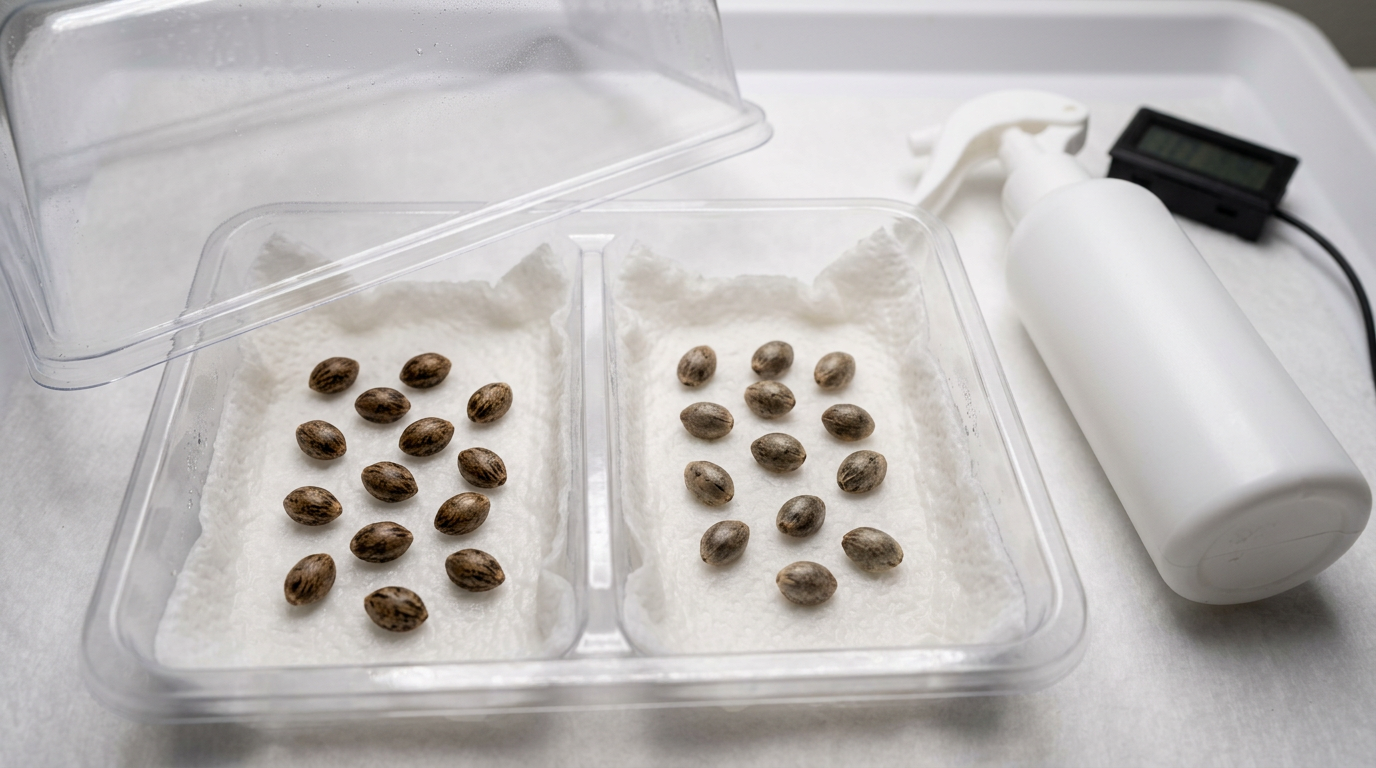
Feminized autoflower hybrids give you the simplicity of automatic flowering, the efficiency of all-female plants, and, in modern elite genetics, surprisingly competitive quality. The gap between auto and photoperiod quality has closed significantly in the last five years as breeders have put serious work into auto genetics. Strains like Lemon Cherry Gelato and Runtz are now available in feminized auto versions that produce terp profiles and trichome coverage that would have been unthinkable from an auto a decade ago.
The tradeoff is still yield per plant and the inability to clone effectively (autos don’t respond well to cloning due to their age-based flowering). But for the grower who wants simplicity, speed, and quality without the complexity of light management, feminized autos are the sweet spot. Maya Chen has written extensively about the genetics behind autoflowering traits and how modern breeding has dramatically improved auto potency and terpene expression, worth reading if you want to go deeper on the science.
Regular Seeds and the Breeding Angle: When “Old School” Is the Right Call
I’d be doing you a disservice if I dismissed regular seeds as just “outdated.” They’re not, they’re essential for anyone serious about cannabis genetics. Regular seeds preserve natural genetic diversity, including the full range of male and female expressions within a strain. That diversity is what breeders use to hunt for exceptional phenos, stabilize new crosses, and develop the feminized and auto genetics that the rest of us buy.
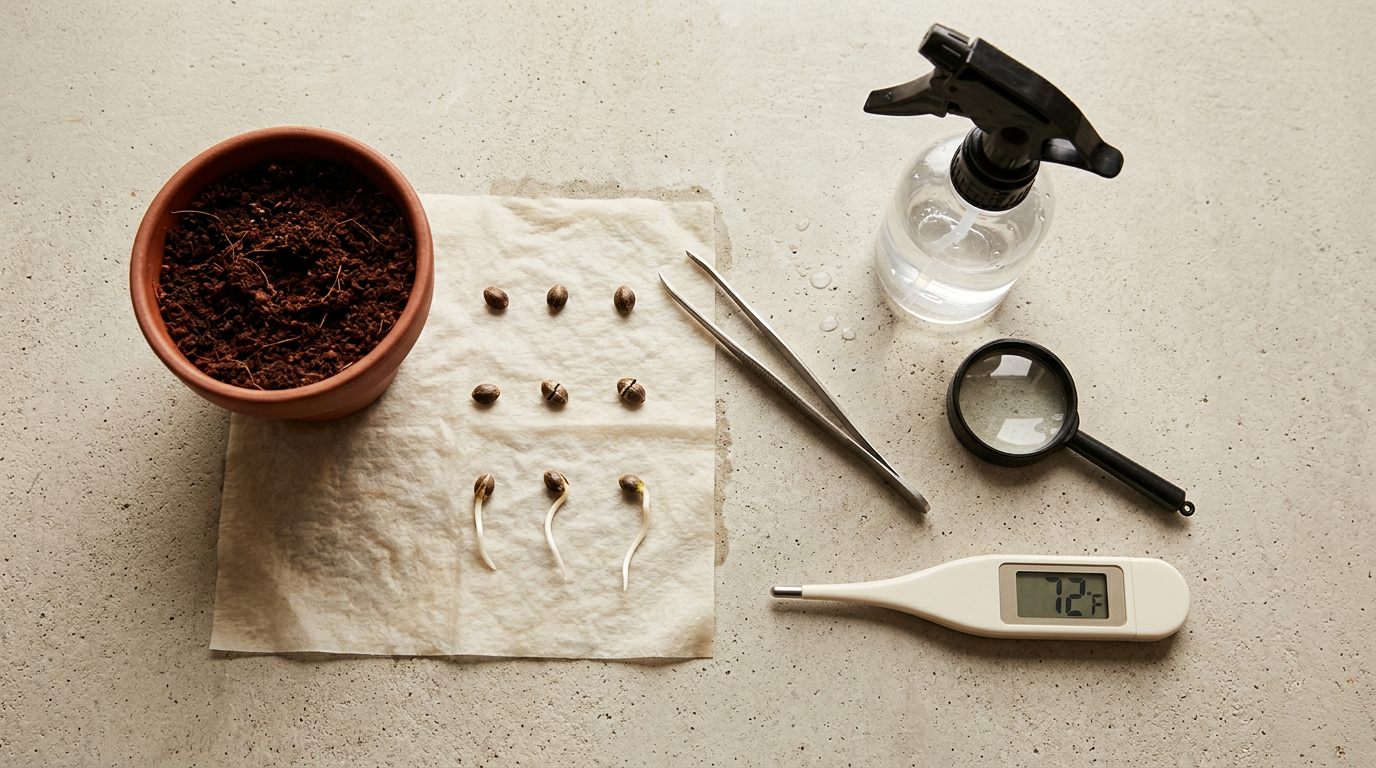
If you’re interested in pheno hunting, running a large number of plants from the same strain to find the one exceptional individual, regular seeds are often more cost-effective than feminized packs, since they’re typically priced lower. The catch is that roughly half your plants will be male and need to be culled. But if you find a standout female pheno, you can clone her and preserve that genetic expression indefinitely. That’s a workflow that makes sense for dedicated hobbyists in states like Michigan or Washington where home plant counts allow for larger grows.
High-end regular seed genetics from boutique breeders can still run into serious money, premium packs can range from $200 to $500 or more, so the “cheaper” label is relative when you’re talking about elite genetics. But at the entry level, regular seeds from established banks are genuinely more affordable per seed than their feminized counterparts.
Cost Analysis: What You’re Actually Paying For
Feminized and autoflower seeds cost more than regular seeds, and that price premium reflects real breeding work. Creating feminized seeds requires either chemical treatment (colloidal silver is most common) or stress-induced rodelization to force a female plant to produce male pollen. That process takes time, expertise, and multiple generations of selection. Autoflower genetics require even more development work to maintain potency and yield while preserving the ruderalis autoflowering trait across generations.
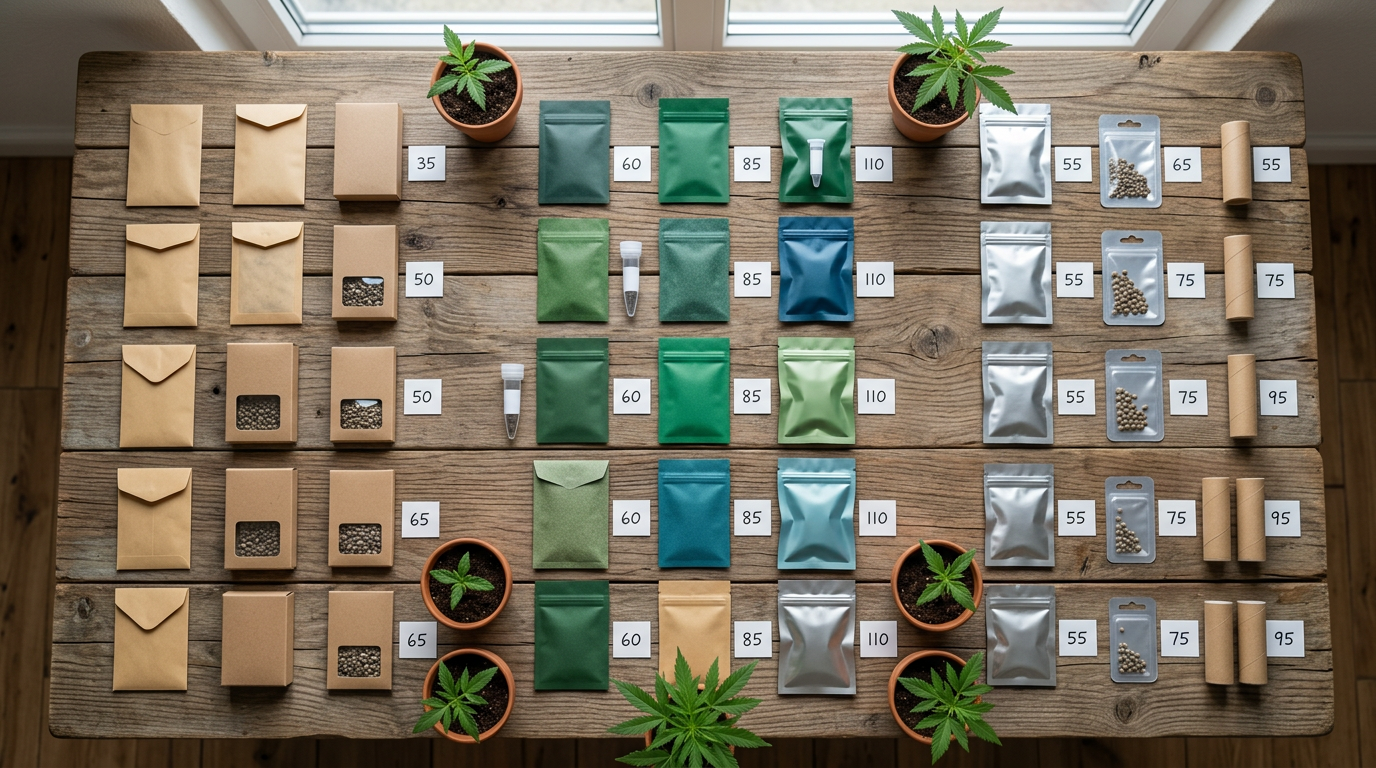
When you factor in the cost of growing a regular seed pack and potentially losing half your plants to males, the real cost-per-female-plant from regular seeds can actually approach or exceed feminized seed costs, especially when you account for the electricity, nutrients, and space used by those male plants before you identify and remove them. For small-scale home growers, feminized seeds are almost always the better economic choice. For breeders running dedicated breeding programs, regular seeds remain the foundation.
Travis Cole has a great perspective on how outdoor growers in particular can leverage regular seeds for large-scale pheno hunts where the cost-per-plant stays low, especially in climates that favor long outdoor seasons. It’s a different calculus than indoor growing, and worth understanding if you’re running an outdoor operation.
Choosing Your Seed Type: A Decision Framework
Rather than telling you what’s “best,” let me walk you through the actual decision points I use when advising growers. Think of this as a practical filter, not a rigid flowchart.
If you are a first-time grower, have limited space, want a quick harvest, or can’t manage light schedules reliably, start with feminized autoflower seeds. Full stop. The combination of automatic flowering and guaranteed female plants removes the two biggest variables that trip up new growers. Strains like Blue Dream or Pineapple Express in auto form are approachable, well-documented, and forgiving.
If you have some grows under your belt, want to maximize yield and quality, and are comfortable managing light schedules and canopy training, feminized photoperiod seeds are your best tool. You’ll get denser, more resinous buds with higher cannabinoid content, and the ability to really dial in your grow environment. Strains like OG Kush, Sour Diesel, Wedding Cake, or Ice Cream Cake shine in feminized photoperiod form.
If you’re interested in breeding, pheno hunting, or building your own genetics, regular seeds are where you need to be. You’ll need to learn to sex plants early, but the genetic diversity and breeding potential you get in return is unmatched. Pair this with a solid understanding of cannabis terpenes explained to know what you’re selecting for in your pheno hunts.
| Seed Type | Flowering Trigger | Guaranteed Female? | Typical Lifecycle | Yield Per Plant | Difficulty | Best For | Relative Cost |
|---|---|---|---|---|---|---|---|
| Regular | Light schedule (12/12) | No (~50% female) | 4–6 months | High (if female) | Intermediate–Advanced | Breeding, pheno hunting | Lowest |
| Feminized (Photoperiod) | Light schedule (12/12) | Yes (99%+) | 3–5 months | Highest | Beginner–Intermediate | Max yield, quality production | Medium–High |
| Autoflower (Feminized) | Age (automatic) | Yes (modern versions) | 8–12 weeks | Lower per plant | Beginner-friendly | Quick harvests, small spaces, beginners | Medium |
| Feminized Autoflower Hybrid | Age (automatic) | Yes | 8–12 weeks | Medium (improving rapidly) | Easiest | Best of both worlds, beginners to intermediate | Medium–High |
Outdoor Growing Considerations: Seed Type Matters More Than You Think
The seed type decision hits differently when you’re growing outdoors, and this is a content gap I see in most comparisons. In the US, outdoor growing is legal for home cultivation in states like California, Oregon, Colorado, Michigan, and others, and the season length in your region should heavily influence your seed choice.
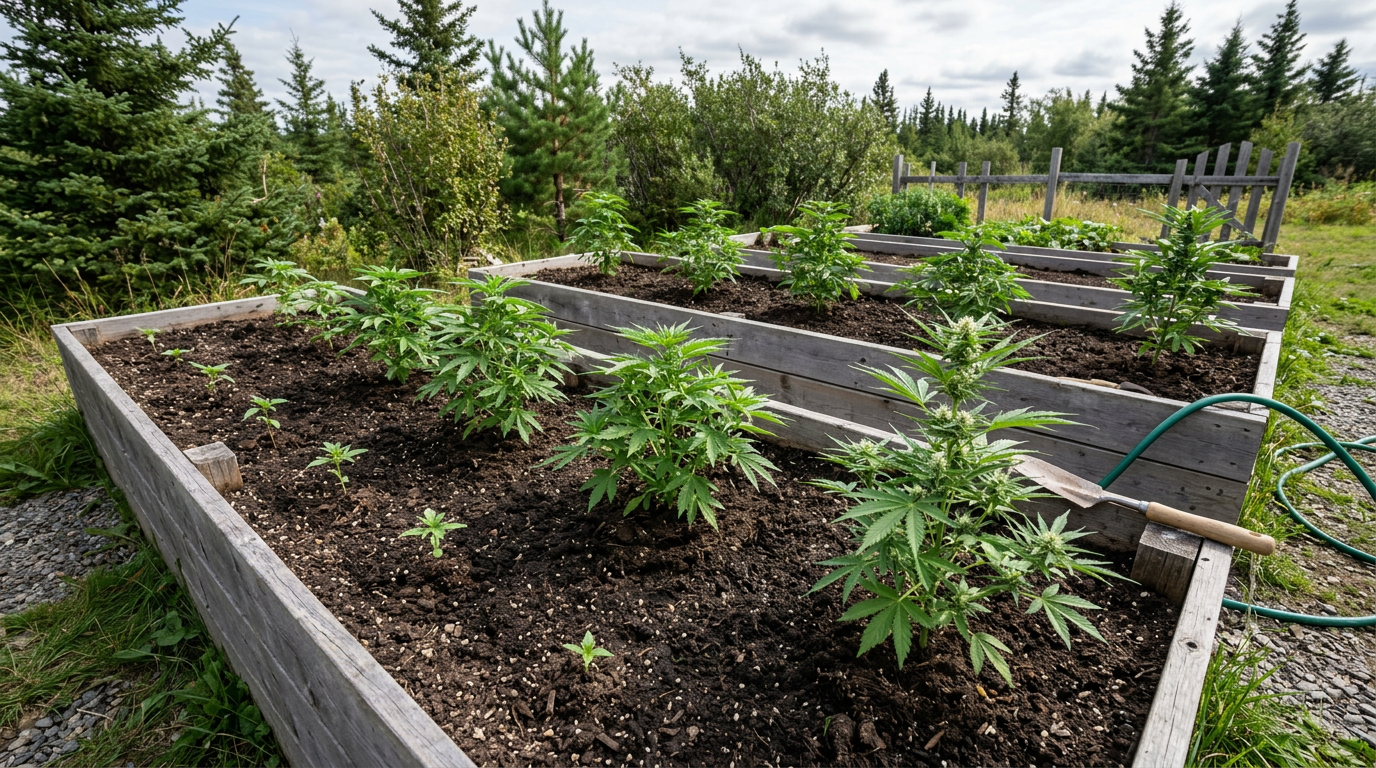
Autoflowers are a game-changer for outdoor growers in northern states or Canada where the growing season is short. Because they flower based on age rather than the shortening of days in late summer, you can start autos in May, harvest in July or August, and potentially run a second crop before frost hits. That’s a massive advantage in places like Montana or Maine where a photoperiod plant might not finish before the first hard freeze.
In California or other long-season states, feminized photoperiod plants can reach their full potential outdoors, massive plants with yields that indoor grows can’t touch. Strains like Granddaddy Purple or Zkittlez in feminized form can become enormous outdoor specimens given a full season. Regular seeds also make sense for outdoor breeding projects where space is abundant and the natural light cycle handles the flowering trigger automatically.
What Happens If Your Feminized Seeds Produce a Male?
This question comes up constantly on Reddit and growing forums, and it deserves a real answer. Feminized seeds are not 100% guaranteed to produce female plants, the community consensus puts the success rate at 99% or higher from reputable breeders, but that remaining fraction is real. Stress events during the grow, extreme temperature swings, light schedule interruptions, or physical damage, can trigger hermaphroditism even in feminized plants, where a female plant develops male pollen sacs.
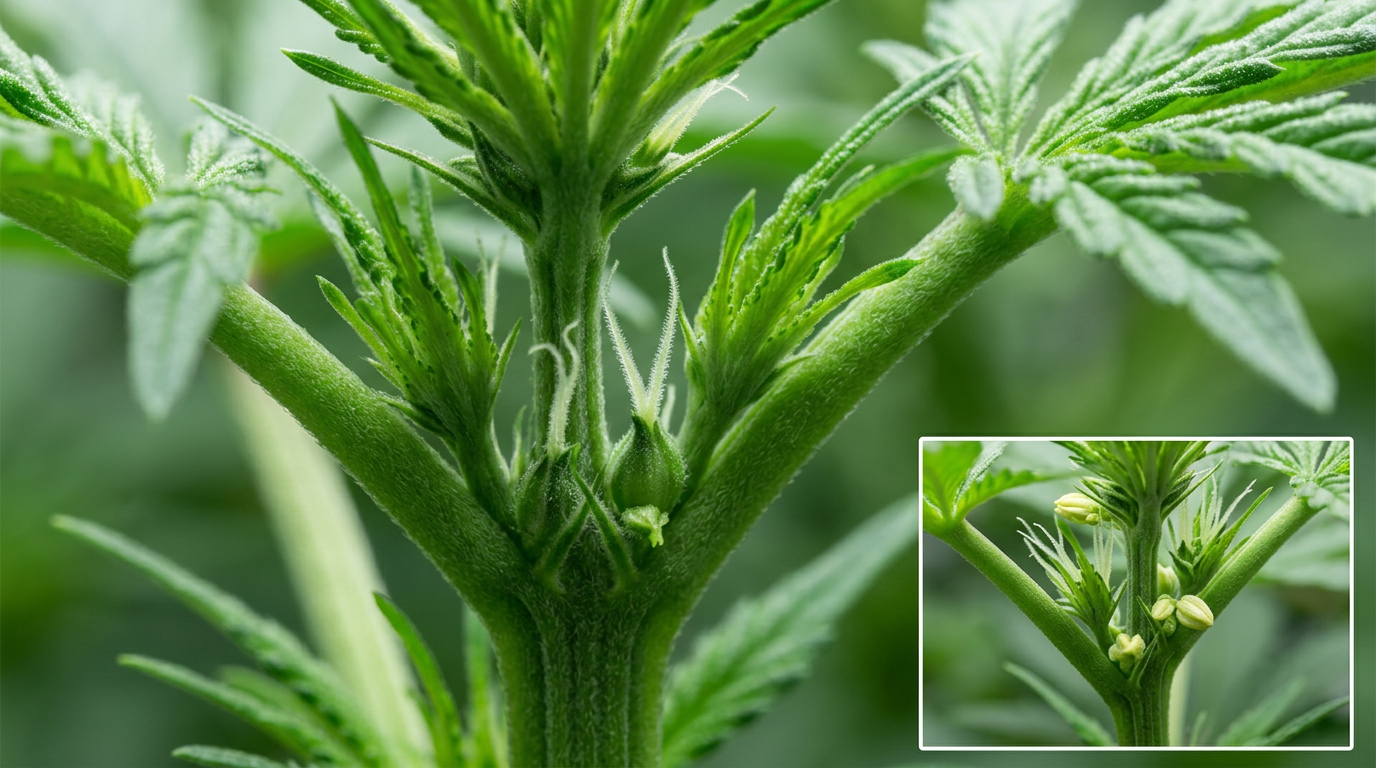
The key is early identification. Learn to spot pre-flowers during late veg, and check your plants regularly once they transition to flower. A true hermaphrodite will show both pistils and pollen sacs, often at the same nodes. If you catch it early and remove the male flowers carefully, you can sometimes save the plant. If pollen has already released, you’re looking at a seeded harvest. Check out our guide on how to identify a male cannabis plant for detailed visual identification help. The takeaway: feminized doesn’t mean zero risk, but with a quality seed source and a stress-free environment, the odds are strongly in your favor.
Where to Buy: Seed Banks Worth Knowing
Wherever you’re buying seeds in the US, whether you’re in a legal state or purchasing for novelty/collection purposes in line with your local laws, the seed bank you choose matters as much as the seed type. Reputable banks like Homegrown Cannabis CO, Crop King Seeds, Sensi Seeds, Seeds Here Now, and Herbies Headshop carry all three seed types across a wide range of genetics. For autoflower specialists, Auto Seeds and 2 Fast 4 Buds are worth checking out specifically. If you want to explore more options, we’ve reviewed dozens of banks in depth on our cannabis blog.
When evaluating any seed bank, look for germination guarantees, verified customer reviews, discreet shipping (especially important for US buyers shipping across state lines), and clear strain information including whether seeds are regular, feminized, or auto. A good bank will be transparent about all of this upfront.
Frequently Asked Questions
Which is better, autoflowering or feminized seeds?
Neither is universally better, it depends entirely on your situation. Autoflowering seeds are better for beginners, small spaces, quick harvests, and outdoor grows in short-season climates. Feminized photoperiod seeds are better for maximizing yield and cannabinoid potency, and for growers who want full control over their plant’s development timeline. If you want a single recommendation for a first grow, go with feminized autoflower seeds that combine both traits.
Are autoflower seeds guaranteed to be female?
Most modern autoflower seeds are also feminized, which means yes, they’re bred to produce female plants. However, not all autoflower seeds are feminized, so always check the product listing before purchasing. Look for “feminized autoflower” or “auto fem” in the description. Regular autoflower seeds do exist and will produce roughly 50% male plants just like regular photoperiod seeds.
Should beginners choose feminized or autoflowering seeds?
For most beginners, feminized autoflower seeds are the ideal starting point. They combine the simplicity of automatic flowering (no light schedule management required) with the efficiency of guaranteed female plants. They complete their lifecycle in 8 to 12 weeks, which means you get feedback fast and learn from the experience quickly. As you gain confidence, moving to feminized photoperiod seeds lets you develop more advanced skills like canopy management and VPD dialing.
What is the difference between feminized, regular, and autoflowering seeds?
Regular seeds are natural, unmodified cannabis seeds that produce approximately 50% male and 50% female plants, and flower based on light schedule changes. Feminized seeds are bred to produce only female plants and are also photoperiod-dependent, flowering when light drops to 12 hours per day. Autoflowering seeds flower based on age rather than light schedule, completing their lifecycle in 8 to 12 weeks regardless of light conditions, a trait inherited from Cannabis ruderalis genetics. Many autoflower seeds are also feminized, combining both traits.
How do light schedules differ between seed types?
Regular and feminized seeds are photoperiod plants, they stay in vegetative growth under long light periods (typically 18 hours of light) and trigger flowering when light drops to 12 hours per day. Autoflowering seeds don’t care about light schedule at all. They’ll flower and complete their lifecycle on their own timeline regardless of whether you’re running 18/6, 20/4, or even 24 hours of light. This is the defining practical difference between the two flowering mechanisms and the main reason autos are so beginner-friendly.
What are the yield differences between autoflower and feminized seeds?
Feminized photoperiod plants generally yield more per plant than autoflowers, primarily because they have more time to develop during a longer vegetative phase and can be trained extensively to maximize canopy coverage. Autoflowers are smaller plants with compressed lifecycles, which limits per-plant yield. However, because autos finish so quickly, you can run multiple harvests in the same timeframe as a single feminized photoperiod cycle, which can close the gap in total annual yield depending on your setup. Modern elite auto genetics have also improved significantly in recent years.
Can you get feminized autoflower seeds?
Yes, absolutely, and they’re the most popular seed type for home growers right now. Feminized autoflower seeds (often labeled “auto fem”) combine the automatic flowering trait with the genetic guarantee of female plants. Most autoflower seeds sold by reputable seed banks today are already feminized. These seeds give you the simplicity and speed of autoflowering with the efficiency of all-female plants, making them the most beginner-friendly option on the market and an excellent choice for growers of all experience levels who want quick, reliable harvests.