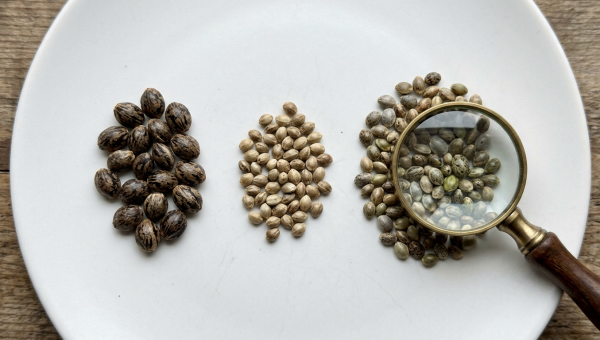
Whether you’re a first-time grower in Colorado staring at a blank grow tent or a seasoned cultivator in California hunting down that next elite pheno, buying cannabis seeds online is the single most important decision you’ll make before your grow even starts. I’ve been doing this for over 12 years, and I can tell you straight up, the difference between a mediocre harvest and a jaw-dropping one often traces all the way back to the quality of the seed you dropped in that cup of water. Get the genetics wrong and you’re fighting upstream the entire grow. Get them right, and everything else, your VPD dialing, your canopy management, your nutrient program, actually pays off the way it should.

This guide covers everything: the legal landscape across U.S. states, how to evaluate seed banks like a pro, the real differences between feminized, autoflower, and regular seeds, red flags that scream “scam,” storage best practices, and a strain-matching framework that actually fits your grow setup. I’ve also pulled in real community feedback from Reddit growers, because honestly, those forums are some of the most honest seed bank reviews you’ll find anywhere. Let’s get into it.
- The Legal Landscape: What You Actually Need to Know Before You Order
- Feminized vs. Autoflower vs. Regular Seeds: The Decision That Shapes Your Entire Grow
- How to Evaluate a Cannabis Seed Bank: The 7-Point Framework I Use Every Time
- The Top Seed Banks Worth Your Attention in 2026
- Red Flags: How to Spot a Scam Seed Bank Before You Lose Your Money
- Strain Selection: Matching Genetics to Your Grow Setup
- The Step-by-Step Purchasing Checklist: From Browsing to Germination
- Seed Storage: Protecting Your Genetic Investment
- Seed Quality: What to Look For When Your Order Arrives
- Understanding Seed Bank Pricing: What You’re Actually Paying For
- Community Voices: What Real Growers Are Saying in 2026
- From Seeds to Harvest: The Bigger Picture
The Legal Landscape: What You Actually Need to Know Before You Order
Here’s the BLUF: cannabis seeds occupy a genuinely complicated legal space in the United States, and understanding it protects you from making costly, or legally risky, mistakes.
The 2018 Farm Bill created a framework where hemp-derived products containing less than 0.3% THC are federally legal. Cannabis seeds themselves, before they germinate, technically contain negligible THC. This is why many seed banks operate by marketing seeds as “novelty collector’s items” or “souvenir seeds”, it’s a legal buffer that has allowed the online seed market to function across state lines for years. The practical reality is that reputable seed banks ship to all 50 states regularly, and the vast majority of orders arrive without incident.
That said, state law is where things get genuinely complex. As of 2026, recreational cannabis cultivation is legal for adults in states including California, Colorado, Oregon, Washington, Michigan, Illinois, Massachusetts, New York, New Jersey, and others. In these states, growing a limited number of plants at home is explicitly permitted. States like Florida, Texas, and Georgia still maintain significant restrictions on home cultivation even where medical programs exist. A handful of states, including Idaho and Kansas, remain fully prohibited for any form of cannabis cultivation. Always verify your specific state’s current statutes before germinating anything, because laws are evolving fast and what was true last year may have changed.
International shipping adds another layer. Many European seed banks ship worldwide, but customs seizure is a real risk on international orders. Domestic U.S. seed banks and those with U.S. fulfillment warehouses dramatically reduce that risk. When I’m ordering for myself or advising growers, I always prioritize banks with domestic shipping infrastructure for that reason alone.
Feminized vs. Autoflower vs. Regular Seeds: The Decision That Shapes Your Entire Grow
This is the question I get more than any other from newer growers, and it deserves a thorough answer. I’ve written a deep-dive companion piece on feminized vs autoflower vs regular seeds, but here’s the essential framework you need before you even browse a seed bank’s catalog.
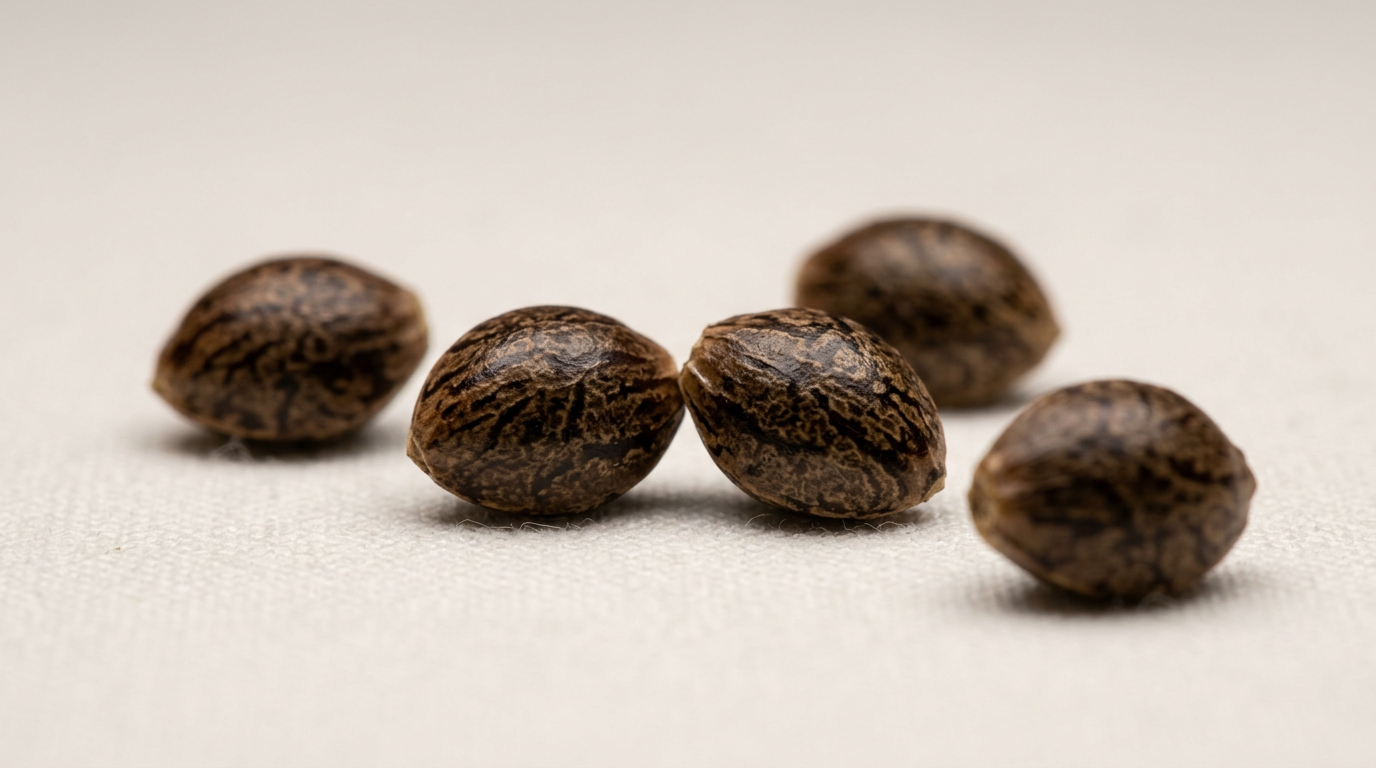
Regular seeds are exactly what cannabis produced for thousands of years before human intervention: roughly 50% male, 50% female. They’re the choice of breeders, clone hunters, and experienced growers who want to hunt phenos, make their own crosses, or preserve genetics in the most genetically stable form. If you’re running a breeding project or you want to find that one exceptional female plant to clone out for years, regular seeds are your tool. They require sexing, identifying and removing males before they pollinate your females, which adds a management step that beginners often find stressful.
Feminized seeds are genetically engineered to produce only female plants, which are the ones that produce the resinous buds we’re all here for. The feminization process, typically using colloidal silver or rodelization to force a female plant to produce pollen, creates seeds that are nearly 100% female. For indoor growers maximizing space efficiency, and for anyone who doesn’t want to deal with male plant removal, feminized seeds are the dominant choice. I’d estimate the vast majority of home grows in legal states run feminized photoperiod genetics for exactly this reason.
Autoflowering seeds, “autos”, flower based on age rather than light cycle, thanks to genetics inherited from Cannabis ruderalis. They’re compact, fast (most finish in 70–90 days from seed), and they don’t require a light schedule change to trigger flowering. This makes them ideal for outdoor growers in states with shorter seasons like Montana or Minnesota, closet growers with limited vertical space, and absolute beginners who want a forgiving first run. The trade-off has historically been lower yields and potency compared to photoperiod strains, though modern auto genetics from breeders like Humboldt Seeds have dramatically narrowed that gap.
Maya Chen on our science team has done excellent work explaining the genetic mechanisms behind autoflowering traits if you want to understand the ruderalis lineage at a deeper level, it’s worth a read before you commit to a seed type.
| Feature | Regular Seeds | Feminized Seeds | Autoflower Seeds |
|---|---|---|---|
| Sex Ratio | ~50% male / 50% female | ~99% female | ~99% female |
| Flowering Trigger | Light cycle (12/12) | Light cycle (12/12) | Age-based (automatic) |
| Typical Grow Time | 16–24 weeks seed to harvest | 14–20 weeks seed to harvest | 8–12 weeks seed to harvest |
| Yield Potential | High (with best female selection) | High | Moderate to High (modern genetics) |
| Best For | Breeders, pheno hunters | Most home growers, indoor setups | Beginners, small spaces, short seasons |
| Clone-ability | Yes | Yes | Not recommended |
| Difficulty Level | Intermediate–Advanced | Beginner–Advanced | Beginner–Intermediate |
| Price Range | Budget to Mid-range | Mid-range to Premium | Budget to Mid-range |
How to Evaluate a Cannabis Seed Bank: The 7-Point Framework I Use Every Time
Not all seed banks are created equal, and the proliferation of online storefronts has made it genuinely difficult to separate the legit operations from the fly-by-night outfits. Here’s the exact framework I use when I’m evaluating a new seed bank, whether for my own orders or when I’m advising the growers in my network.
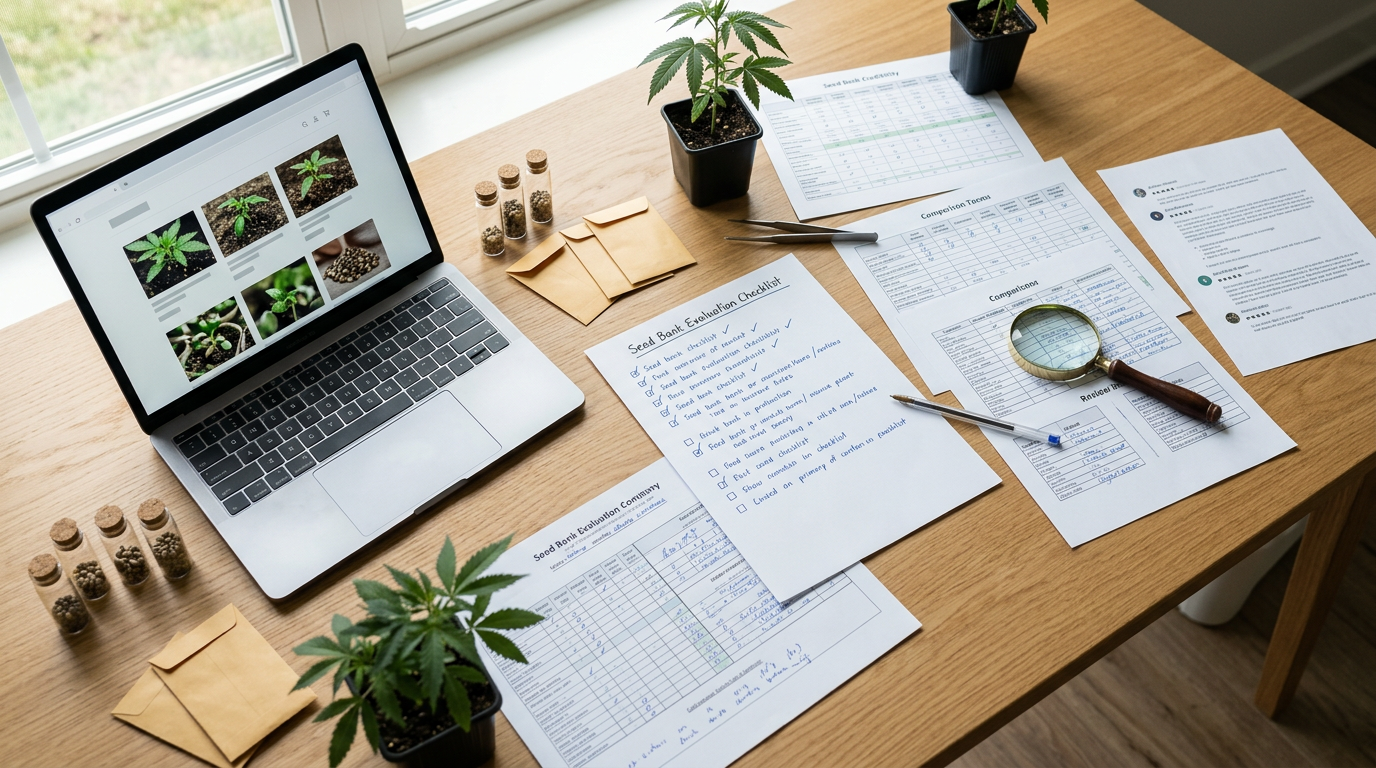
Genetics sourcing and breeder relationships. The best seed banks source from verified, reputable breeders with documented lineages. When a bank can tell you exactly who bred a strain and what the parent genetics are, that’s a green flag. Vague descriptions like “premium genetics from top breeders” without naming those breeders is a yellow flag worth noting. Banks like Seed Supreme have built reputations on carrying genetics from a wide range of established breeders, which gives you genuine variety and traceability.
Germination guarantees. Reputable seed banks stand behind their product with explicit germination rate guarantees. Some offer replacement seeds if your germination rate falls below a stated threshold. Always read the fine print, some guarantees require you to follow specific germination protocols and document the process. This is fair; it protects both parties.
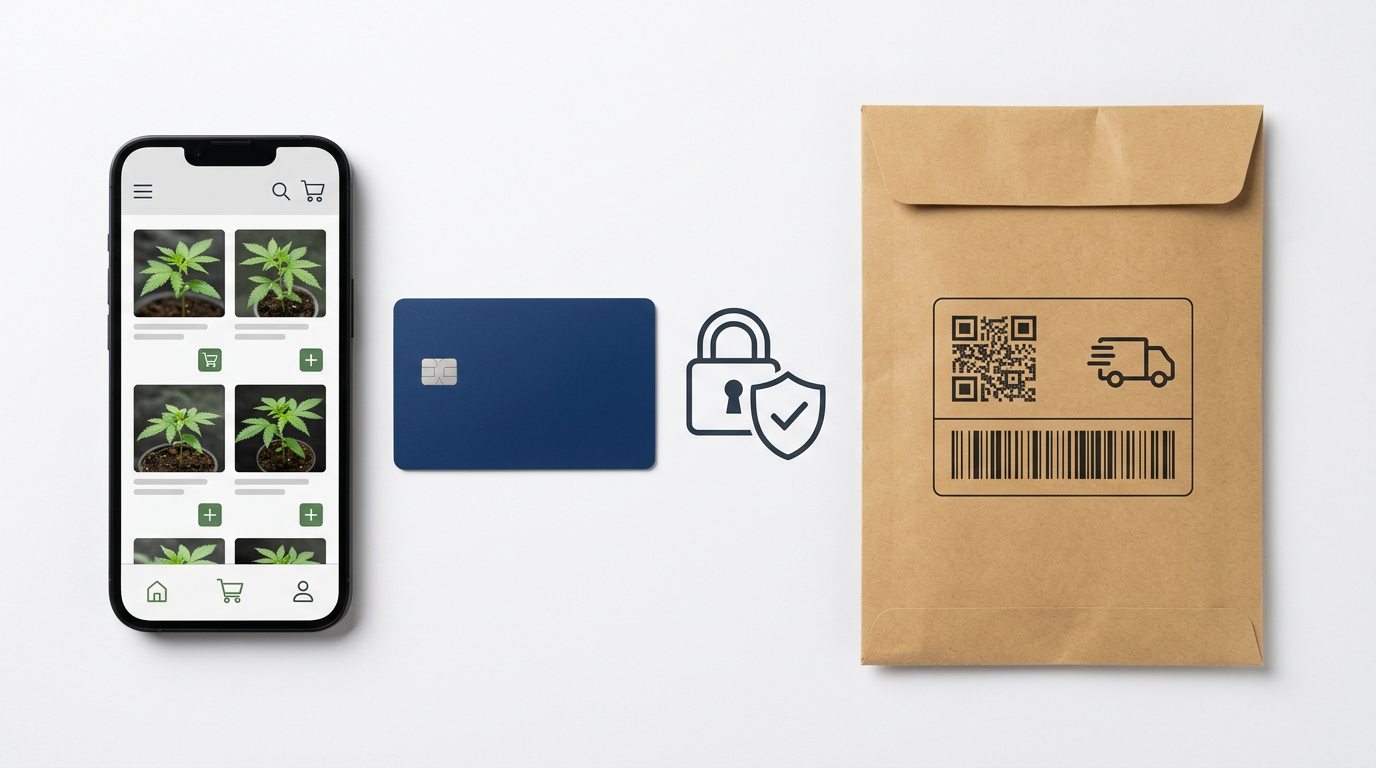
Shipping and stealth packaging. Discreet packaging is standard among serious seed banks, and for good reason. Look for banks that use plain, unmarked envelopes or packages with no cannabis-related branding. Banks with U.S.-based fulfillment or domestic shipping partners offer faster delivery and dramatically lower customs risk compared to international-only shippers. Some banks now offer guaranteed reshipment if an order is seized.
Payment options and security. Legitimate seed banks offer multiple payment methods including credit card, cryptocurrency, and sometimes cash or money order. Be cautious of banks that only accept wire transfers or unconventional payment methods with no recourse, that’s a classic scam signal. Also verify the site uses HTTPS and has a verifiable business address or contact information.
Customer reviews, but verify them. Look for reviews across multiple platforms, not just the seed bank’s own website. Reddit communities like r/HerbGrow, r/newgrowers, and r/MarijuanaSeeds are goldmines for unfiltered grower experiences. When the same bank gets consistent praise across multiple independent forums over years, that’s meaningful signal. When reviews are uniformly five stars with no detail, that’s suspicious.
Customer service responsiveness. Send a pre-purchase question if you’re on the fence. How quickly they respond, how knowledgeable the answer is, and whether they seem genuinely invested in helping you, these are all indicators of how they’ll treat you if something goes wrong with an order.
Bonus seeds and promotional value. Most reputable seed banks offer free bonus seeds with orders. This is now essentially industry standard, and a bank that doesn’t offer any promotional value in a competitive market is either overcharging or cutting corners somewhere. Free seeds are a genuine perk, I’ve found some of my favorite phenos from bonus seeds I wasn’t even planning to run.
The Top Seed Banks Worth Your Attention in 2026
I want to be straight with you: the seed bank market is crowded, and ranking them definitively is genuinely difficult because different banks excel in different areas. What I can do is give you an honest breakdown of the banks with the strongest community reputations, the most diverse genetics, and the most reliable service records as of early 2026.

Seed Supreme consistently comes up as a top-tier option in Reddit discussions, particularly for variety, their catalog spans thousands of strains from dozens of breeders, making it a genuine one-stop shop for growers who want to compare options before committing. The pricing is competitive and they’re known for reliable U.S. shipping.
Herbies Headshop is one of the largest seed shops operating internationally, with a massive catalog covering regular, feminized, and autoflower types. They ship to the U.S. and offer free bonus seeds with orders. Growers on Reddit frequently praise their customer service and the accuracy of their strain descriptions.
SeedBank (Seedbank.com) has built a reputation specifically in the U.S. market with fast, discreet domestic shipping. If speed and domestic fulfillment are your priorities, they’re worth a serious look.
For American-bred genetics specifically, the community has strong affection for operations like Seeds Here Now, which carries an impressive selection of craft American breeders that you won’t find at European-focused banks. If you’re hunting for that CSI Humboldt drop or a Speakeasy Seedbank release, domestic craft-focused banks are where to look.
Crop King Seeds: 21 Years in the Game, 700+ Strains, and a Reputation That’s More Complicated Than the Marketing Suggests is a Canadian operation with a long track record and a loyal following, though as our full review notes, the reality is more nuanced than their marketing suggests. Worth reading before you order.
Growers Choice Seeds is another bank that deserves careful reading, their germination guarantee is one of the more explicit in the industry, but our detailed review unpacks where that story gets complicated.
Other banks with solid community reputations that I’ve seen consistently praised include North Atlantic Seed Co., Homegrown Cannabis CO, Sensi Seeds, Barney’s Farm, Zamnesia, True North Seed Bank, and Nirvana. Each has its own strengths, Sensi Seeds for heritage genetics, Barney’s Farm for award-winning strains, Zamnesia for European variety. You can read our individual reviews for each to find the right fit for your specific needs.
For growers interested in autoflowering specialists, 2 Fast 4 Buds and Auto Seeds have carved out strong niches. Blimburn Seeds is worth attention for their work with American genetics. And if you’re in the craft/boutique space, The Cali Connection, 710 Genetics, and Humboldt Seeds represent some of the most respected American breeding programs available online.
Red Flags: How to Spot a Scam Seed Bank Before You Lose Your Money
I’ve heard enough horror stories from growers, seeds that never arrived, mystery genetics that looked nothing like the advertised strain, customer service that vanished after payment, to know this section deserves its own real estate. Here are the red flags I tell every new grower to watch for.
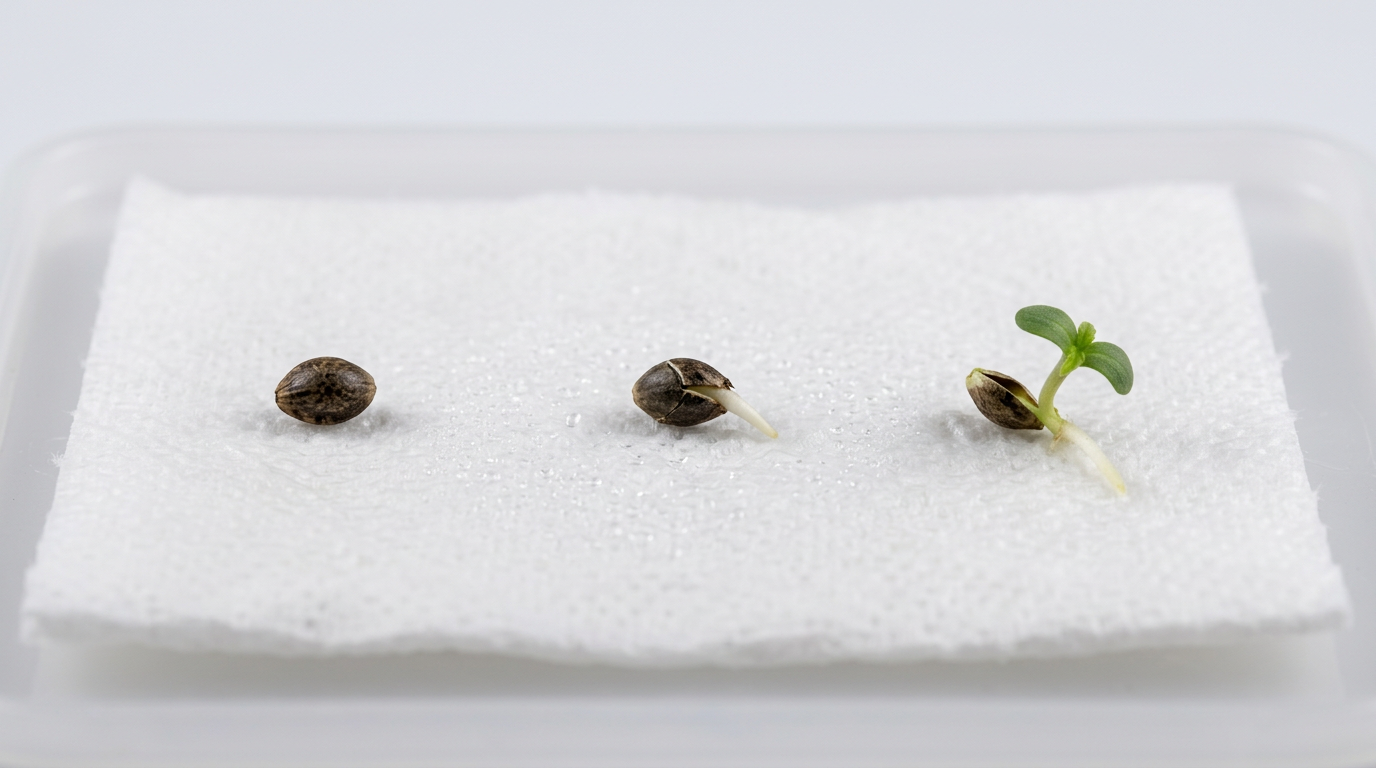
No verifiable contact information is the biggest one. Legitimate businesses have a real address, a working phone number or live chat, and responsive email support. If the only contact option is a web form with no response, walk away. Related to this: a brand-new domain with no history, no reviews outside their own site, and no social media presence is a serious warning sign. Use a WHOIS lookup to check domain registration age if you’re uncertain.
Prices that seem impossibly low should make you pause. Quality genetics cost money to develop, stabilize, and maintain. A bank selling “premium feminized seeds” for $2 a seed with no explanation is almost certainly selling either low-quality seeds with unstable genetics or outright fake product. The old carpenter in me says: if the materials are too cheap, the build quality will show it.
Payment methods with no buyer protection are a classic scam vector. Wire transfers, Zelle, Venmo, or obscure cryptocurrency wallets with no escrow, these offer you zero recourse if the order never arrives. Established banks accept major credit cards or well-known crypto options precisely because they’re confident enough in their product to allow chargebacks.
Vague genetics descriptions are another tell. “Indica dominant hybrid with fruity flavors” tells you nothing. A reputable bank describes lineage, breeder, dominant terpenes, expected flowering time, and typical yield ranges. If a product page reads like it was written to fill space rather than inform a grower, that’s a problem.
Finally, watch out for banks with no clear returns or reshipment policy. Legitimate banks know that shipping involves risk, and they have explicit policies for lost or seized packages. “All sales final, no exceptions” from a seed bank is a major red flag.
Strain Selection: Matching Genetics to Your Grow Setup
This is where the fun really starts, and where I see a lot of newer growers make avoidable mistakes. Buying seeds based purely on THC percentage or a cool name is like buying lumber based on color, it misses the point entirely. Here’s how I actually think about strain selection.
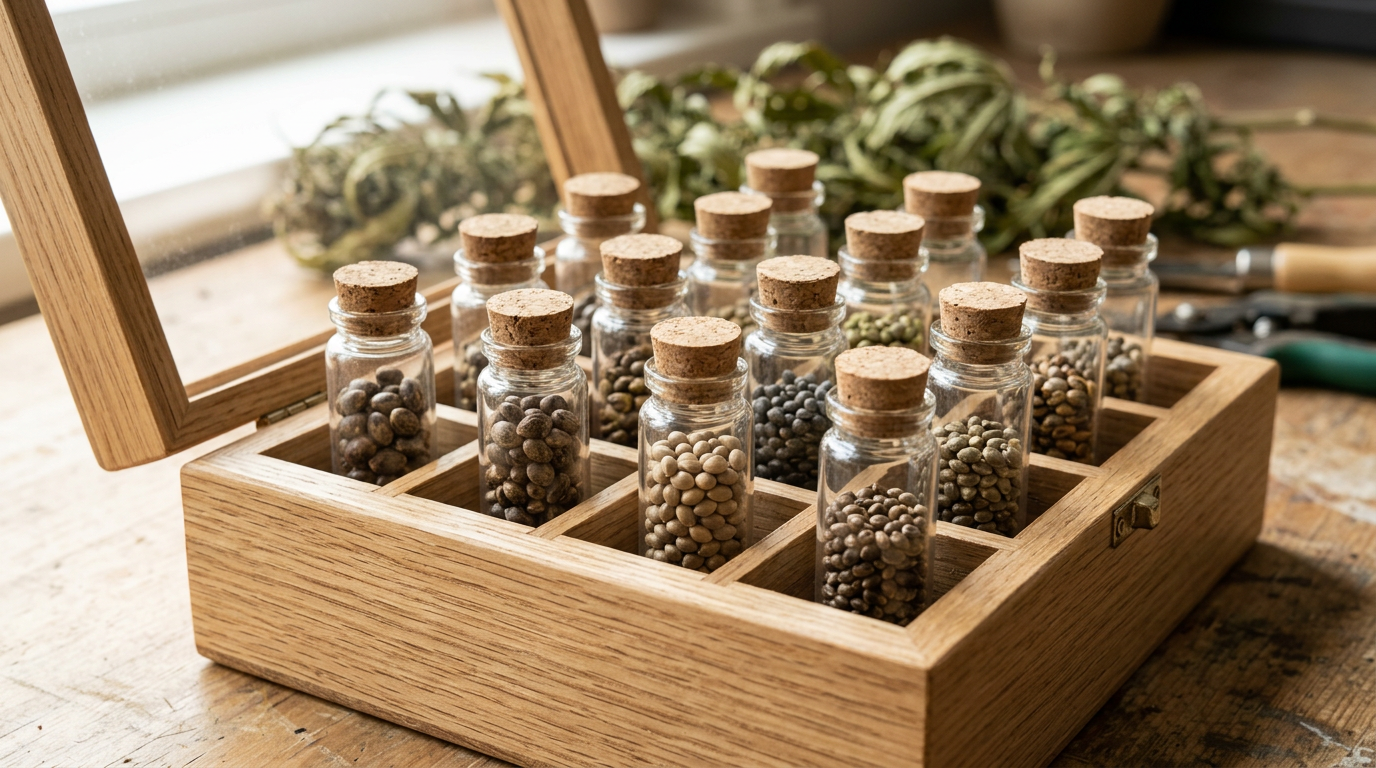
Indoor vs. outdoor growing environment. Indoor growers typically want strains with manageable height, strong lateral branching for canopy management, and disease resistance suited to controlled environments. Outdoor growers in states like California, Oregon, or Colorado need genetics that can handle their specific climate, mold resistance matters enormously in humid Pacific Northwest grows, while heat tolerance is critical in the Southwest. My colleague Travis Cole covers outdoor-specific strain selection in excellent detail if that’s your situation.
Grow difficulty and experience level. I always tell beginners to start with forgiving, resilient genetics. Strains like Northern Lights are legendary for a reason, they’re compact, mold-resistant, fast-flowering, and don’t punish small mistakes. White Widow is another great beginner option. Blue Dream is a slightly more demanding but extremely popular option that produces well in a variety of environments.
Gelato, Wedding Cake, Ice Cream Cake, and Runtz all deliver exceptional terps and trichome coverage when dialed in properly. Lemon Cherry Gelato. I grew Lemon Cherry Gelato last fall and it was genuinely one of the most impressive grows I’ve had in years, the terp profile on that strain is something else.
For advanced growers chasing the absolute ceiling, strains like Slurricane, MAC, Permanent Marker, and Biscotti reward the extra attention they demand. These are strains where dialing your environment, hitting precise VPD targets, managing canopy perfectly, optimizing your light spectrum, genuinely shows up in the final product.
For a comprehensive strain-by-strain breakdown organized by effect, use case, and grow difficulty, our best cannabis strains guide covers everything in detail.
Pineapple Express, Sour Diesel, Jack Herer, Gorilla Glue, Granddaddy Purple, and Zkittlez are excellent choices for growers in California and Oregon who want heavy indica-leaning genetics with strong bag appeal.
The Step-by-Step Purchasing Checklist: From Browsing to Germination
After 12 years of ordering seeds, for myself, for friends, and for the growers I consult with, I’ve developed a pretty reliable process. Here it is, formalized into a checklist you can actually use.
Seed Storage: Protecting Your Genetic Investment
This section gets overlooked constantly, and it drives me a little crazy because proper storage is so simple and the cost of getting it wrong, losing viable seeds you paid good money for, is completely avoidable.
Cannabis seeds are living organisms in a dormant state. The three enemies of seed viability are heat, moisture, and light. Exposure to any of these accelerates the metabolic processes that deplete the seed’s stored energy and reduce germination rates over time. I’ve seen growers leave seeds on a windowsill in a paper bag for months and then wonder why their germination rate was poor. Don’t do that.
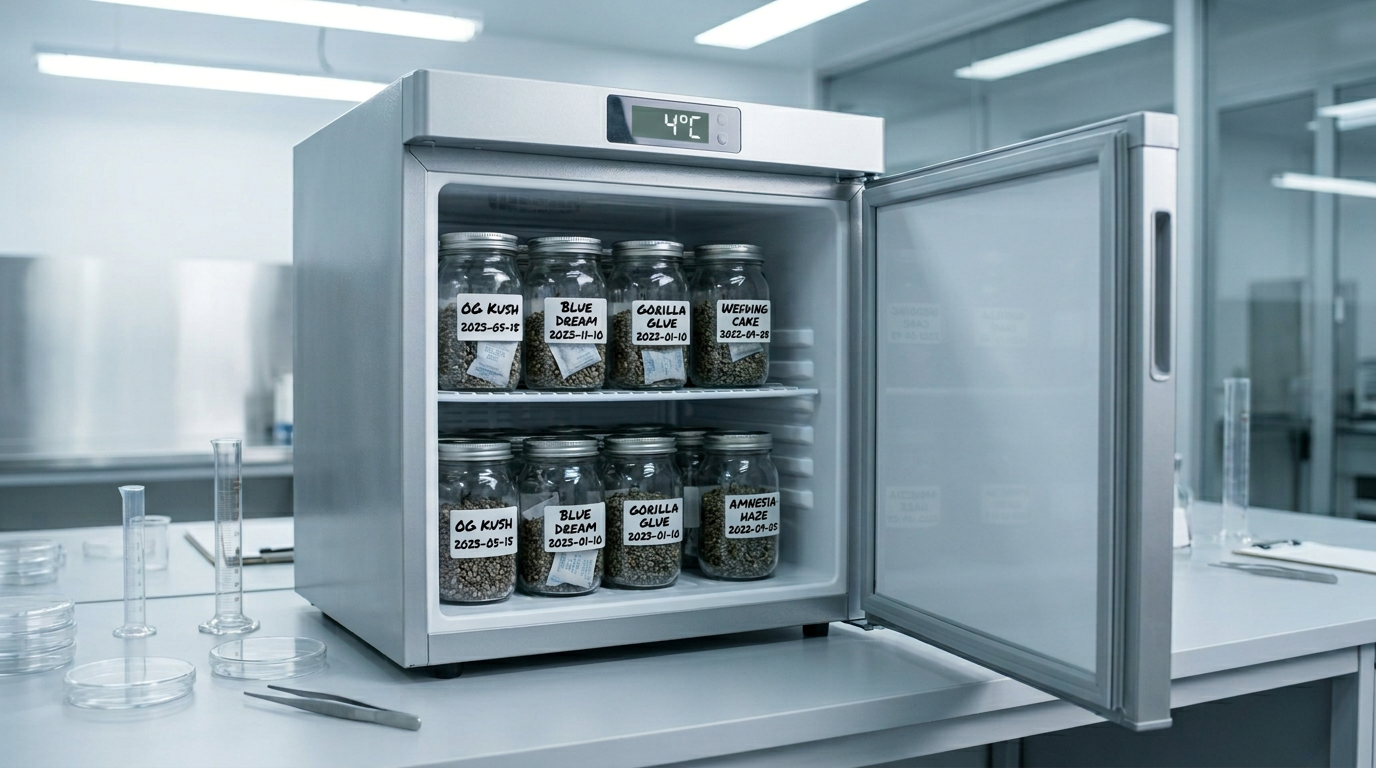
For short-term storage, anything under six months, a cool, dark drawer or cabinet works fine as long as the environment is consistently dry. A small airtight container with a silica gel desiccant packet is all you need. For medium-term storage up to a year or two, the refrigerator is your friend. Keep seeds in an airtight glass jar or film canister with a desiccant, placed toward the back of the fridge where temperature is most stable. Avoid the door, temperature fluctuates too much there.
For long-term storage beyond two years, some growers use a dedicated freezer, though this requires extremely careful handling. Seeds must be fully dry before freezing, and they should be allowed to return to room temperature before opening the container to prevent condensation from forming on the seeds. Done properly, cannabis seeds can remain viable for five or more years in frozen storage. Done carelessly, freezing causes more damage than it prevents.
Always label your storage containers clearly with strain name, seed bank, seed type, and purchase date. I’ve made the mistake of mixing up unlabeled seeds before, and trying to identify a strain by appearance alone once they’re out of the original packaging is an exercise in frustration.
Seed Quality: What to Look For When Your Order Arrives
When your seeds arrive, before you even think about germinating, do a quick visual quality check. This isn’t foolproof, you can’t fully assess genetic quality from appearance alone, but it does catch obvious issues.
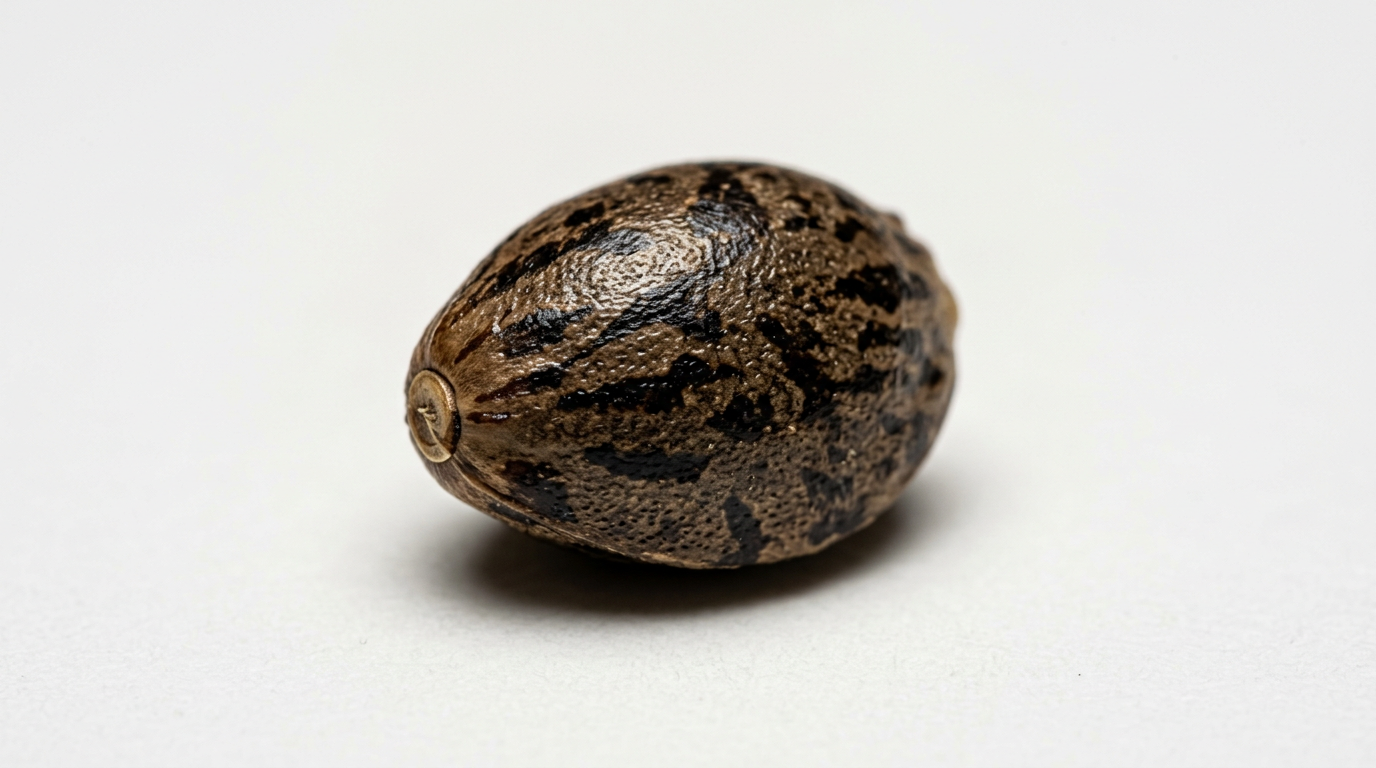
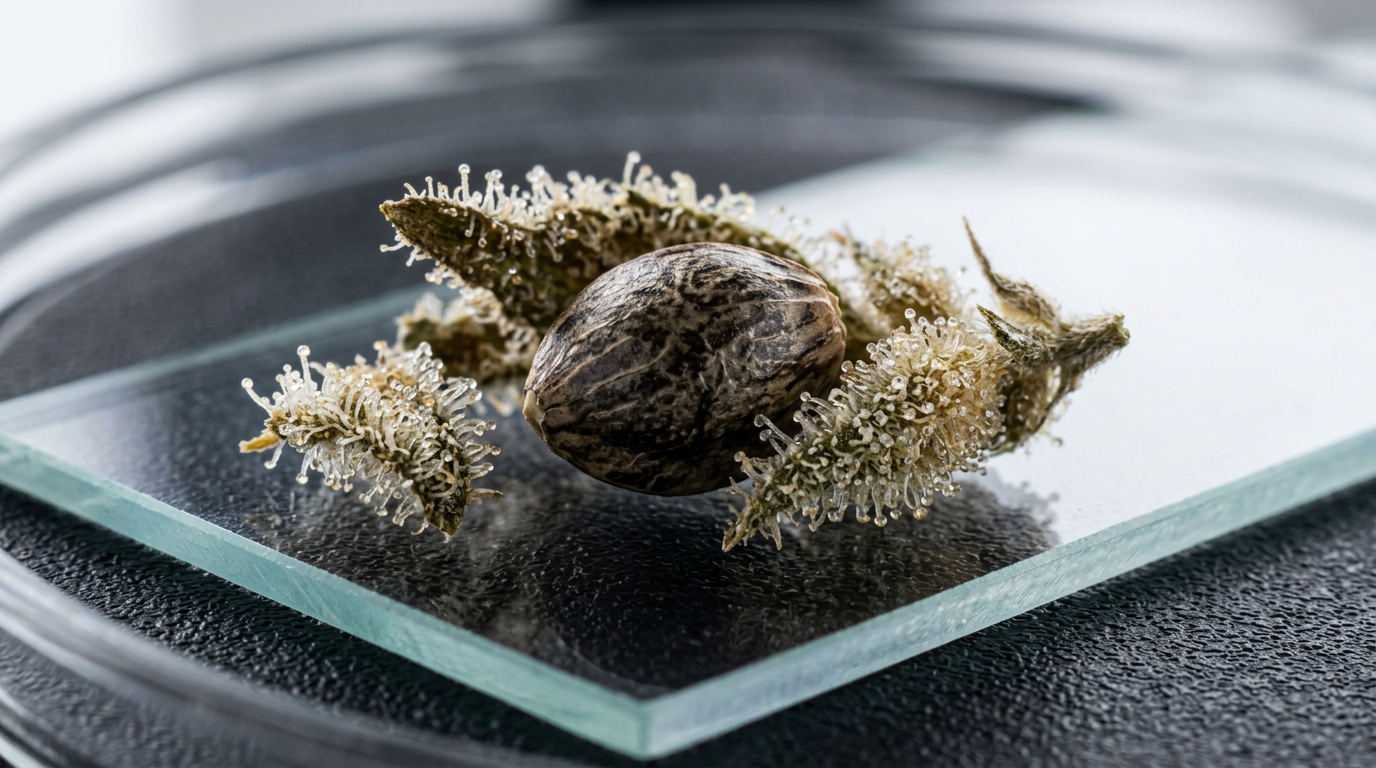
Healthy, viable cannabis seeds are typically dark in color: brown, gray, or black, often with a tiger-stripe or mottled pattern. They should feel firm under gentle pressure and have a slight waxy sheen to the shell. Seeds that are pale, white, or green are almost certainly immature and unlikely to germinate successfully. Seeds that crumble or crack under the lightest pressure are dead or severely degraded.
Size and shape matter less than you might think, cannabis seeds naturally vary in size by strain and even within a strain. Don’t automatically reject smaller seeds; some excellent genetics produce smaller seeds. What you’re really checking for is that firm shell, appropriate coloration, and that characteristic waxy coating that indicates the seed has been properly matured and handled.
If you receive seeds that obviously fail the visual quality check, document it with photos immediately and contact the seed bank’s customer service before attempting to germinate. Most reputable banks will work with you on replacement if the seeds are clearly defective on arrival.
Understanding Seed Bank Pricing: What You’re Actually Paying For
Seed pricing in the cannabis market ranges from a few dollars per seed to well over $50 per seed for limited-edition or highly sought-after genetics. Understanding what drives that price difference helps you make smarter purchasing decisions.
At the budget end of the market, you’re typically getting well-established, widely available strains with stable genetics that have been in production for years. Think classic strains like Northern Lights, OG Kush, or Girl Scout Cookies from established banks. These are absolutely solid choices, especially for beginners. The genetics are proven, the grow data is widely available, and you’re not paying a premium for novelty.
Mid-range pricing typically reflects newer hybrid genetics, award-winning strains, or seeds from breeders with strong reputations for quality and consistency. This is where I spend most of my own seed budget. You’re getting better documentation of the breeding process, more consistent phenotypic expression, and often better customer support from the bank.
Premium pricing, $20–$50+ per seed, is the territory of limited releases, elite clone-only genetics that have been successfully seeded, and highly sought-after strains from breeders with cult followings. If you’re a serious pheno hunter or you’re building a breeding program, this investment can absolutely be worth it. If you’re a home grower just looking to produce quality flower, mid-range genetics will serve you extremely well.
Bulk pricing is worth knowing about if you’re running a larger operation. Banks like Bulk Marijuana Seeds and others offer significant per-seed discounts at higher quantities. For commercial-scale growers in states with legal cultivation operations, this can represent substantial savings while still accessing quality genetics.
Community Voices: What Real Growers Are Saying in 2026
I spend a fair amount of time in cannabis growing communities online because real grower experiences are the most honest signal in this market. Here’s what I’m consistently seeing in 2026 discussions.
Seed Supreme gets frequent mentions for sheer variety, growers appreciate having thousands of strains from dozens of breeders in one place, making it easy to compare options without jumping between sites. The community also consistently praises Herbies for their customer service and the accuracy of their strain descriptions.
The community has a genuine soft spot for domestic American craft breeders. Names like Great Lakes Genetics, Speakeasy Seedbank, CSI Humboldt, Heritage Seedbank, and DCSE (Denver Cannabis Seed Exchange, relevant to my own backyard here in Colorado) come up repeatedly in threads asking for trusted sources. These operations tend to be smaller, more specialized, and deeply connected to the American craft cannabis movement. They may not have the catalog breadth of a Seed Supreme or Herbies, but the genetics they carry are often exceptional and genuinely unique.
Growers on Reddit consistently emphasize a few themes: reliable shipping matters more than price, customer service quality is a major differentiator, and genetics from verified breeders with documented lineages outperform “mystery” seeds regardless of marketing claims. The community is also increasingly sophisticated about identifying scam operations, the combination of social media verification, domain age checks, and cross-referencing multiple review platforms has made it harder for bad actors to operate for long.
One thread insight that stuck with me: experienced growers frequently recommend starting with a smaller test order from a new bank before committing to a large purchase. That’s exactly what I do. Order a pack or two, run the genetics, evaluate the experience end-to-end, and then decide whether to go deeper with that bank.
For everything from grow journals to strain recommendations, our cannabis blog covers the full spectrum of growing topics that complement your seed selection process.
From Seeds to Harvest: The Bigger Picture
Buying the right seeds is the beginning, not the end. Once those seeds arrive and you’re ready to germinate, the real work starts. If you’re new to growing, our seed-to-harvest growing roadmap is the most comprehensive starting point I can point you to, it covers everything from germination through harvest in the kind of detail that actually helps you make decisions in the grow room.
For growers focused on maximizing what their genetics can actually produce, our complete yield optimization guide covers the full hierarchy of yield-influencing factors, from environment and lighting to training techniques and harvest timing.
Understanding what makes your finished flower actually smell and taste the way it does, the terpene science behind those terps you fell in love with, is covered in depth in our cannabis terpenes guide. If you’ve ever wondered why one pheno of the same strain smells completely different from another, that piece will answer your questions at the molecular level.
Frequently Asked Questions
Is it legal to buy cannabis seeds online in the United States?
The legal status is nuanced. Cannabis seeds, before germination, contain negligible THC and many seed banks ship them across state lines under the framework established by the 2018 Farm Bill. Most reputable seed banks market seeds as “collector’s items” or “novelty souvenirs” as a legal buffer. However, germinating and growing cannabis is governed by state law, which varies significantly. In states with legal recreational or medical cultivation, growing from purchased seeds is permitted within plant count limits. In fully prohibited states like Idaho and Kansas, cultivation remains illegal regardless of how the seeds were obtained. Always verify your specific state’s current laws before germinating.
What is the best cannabis seed bank to buy from?
There’s no single “best” answer because different banks excel in different areas. Seed Supreme is widely praised for catalog variety with thousands of strains. Herbies Headshop is highly regarded for customer service and international shipping. SeedBank.com is a strong choice for fast domestic U.S. shipping. For American craft genetics, domestic banks like Seeds Here Now carry breeders you won’t find elsewhere. The best approach is to identify what matters most to you, variety, price, shipping speed, specific breeders, and match that to the bank’s strengths. Reading our individual seedbank reviews and cross-referencing Reddit communities gives you the most reliable picture.
What’s the difference between feminized, autoflower, and regular cannabis seeds?
Regular seeds produce approximately 50% male and 50% female plants and are preferred by breeders and pheno hunters. Feminized seeds are genetically engineered to produce nearly 100% female plants, making them the dominant choice for most home growers maximizing their space. Autoflowering seeds flower based on age rather than light cycle, making them faster, more compact, and ideal for beginners or growers with short outdoor seasons. Each type has genuine advantages depending on your goals, experience level, and growing environment. Our dedicated guide on Feminized vs Autoflower vs Regular Seeds: Which Type Is Actually Right for Your Grow? covers this decision in full detail.
How do I know if a seed bank is legitimate and not a scam?
Key indicators of legitimacy include verifiable contact information (address, phone, responsive email), domain age you can check via WHOIS, consistent positive reviews across multiple independent platforms including Reddit communities, clear and explicit germination guarantees, payment options that include buyer-protected methods, and transparent reshipment policies for lost or seized orders. Red flags include unusually low prices, payment methods with no buyer recourse, vague genetics descriptions, no social media presence, and customer service that goes silent after payment. When in doubt, start with a small test order before committing to a larger purchase.
Do seed banks ship discreetly? Will my order be obvious?
Yes, discreet packaging is standard practice among established seed banks. Reputable banks ship in plain, unmarked envelopes or packages with no cannabis-related branding, return addresses, or identifying information. Many use additional stealth methods for international shipments. Domestic U.S. seed banks and those with U.S. fulfillment warehouses typically offer the most straightforward shipping experience with the lowest risk of any complications. Fast shipping, sometimes within days of ordering, is also a standard offering among top-tier banks.
What should I look for in a cannabis seed to know it’s high quality?
Healthy viable seeds are firm under gentle pressure, dark in color (brown, gray, or black, often with a mottled pattern), and have a slight waxy sheen to the shell. Pale, white, or green seeds are likely immature and won’t germinate reliably. Seeds that crumble under light pressure are dead or severely degraded. Beyond visual inspection, genetics quality, meaning the breeding program behind the seed, matters far more than appearance alone. This is why sourcing from reputable banks with documented breeder relationships is so important: it’s the only way to have confidence in what the genetics will actually express in your grow room.
Which seed banks offer free seeds and the best overall value?
Free bonus seeds with orders is now a standard offering among most reputable seed banks, it’s essentially a baseline expectation in this market. Herbies, Seed Supreme, SeedBank.com, and most established banks include free seeds with qualifying orders, often scaling the number of freebies with order size. Beyond free seeds, value is determined by the combination of genetics quality, pricing, shipping reliability, germination guarantees, and customer service. A bank that’s slightly more expensive per seed but offers a genuine germination guarantee, reliable shipping, and responsive customer service often represents better overall value than a cheaper option with no recourse if something goes wrong.