Cola is a cluster of tightly packed buds growing together along a single stem on a cannabis plant. The main cola, also called the apical or terminal bud, forms at the very top and is typically the largest, most resin-covered flower site. Secondary colas develop on lateral branches throughout the canopy.
Reviewed by Darrel Henderson, Cannabis Cultivation Specialist | Updated May 7, 2026
What Is a Cola on a Cannabis Plant?
A cola is a flowering site where multiple individual buds grow so closely together that they form one continuous, elongated mass. The word comes from the Spanish “cola,” meaning tail, which describes the long, upward-reaching shape these clusters form during flowering. Every female cannabis plant produces at least one cola, and untrained plants naturally concentrate most of their energy into the single main cola at the top.
I think about colas as the plant’s way of focusing its reproductive effort. An unpollenated female, what we call sinsemilla, keeps pouring energy into these flower clusters because she’s still trying to catch pollen that never comes. That biological drive is exactly what growers exploit to produce heavy, resinous colas worth harvesting.
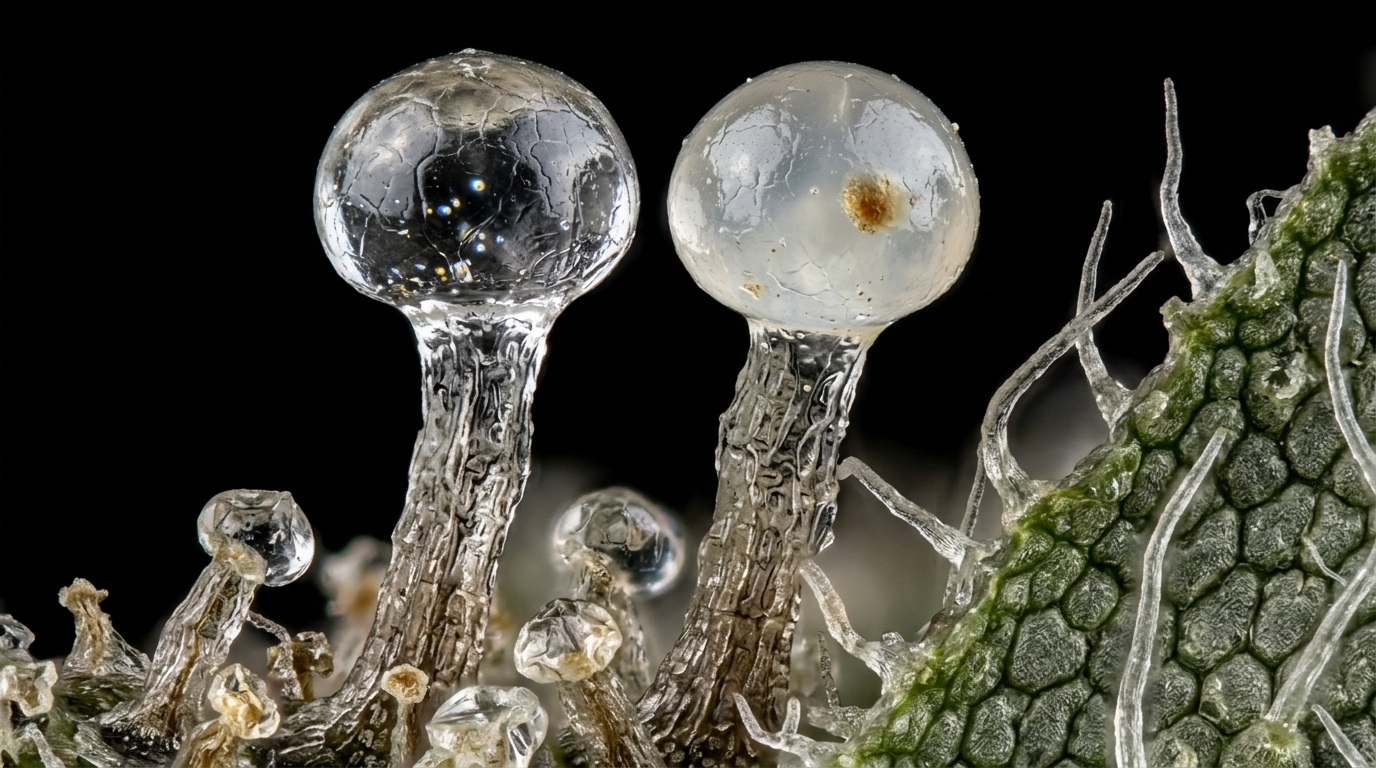
The main cola is where you’ll see the densest trichome coverage on the whole plant, and where terpene production peaks late in flower. When I’m checking a strain for the first time, the main cola tells me almost everything I need to know about how that pheno expresses itself.
Did you know? According to research published on PubMed (NIH), cannabis flower development and cannabinoid concentration are directly tied to the plant’s reproductive biology, meaning the main cola’s superior potency is a function of its position as the primary reproductive site on an unfertilized female plant.
Main Cola vs. Secondary Colas
A standard untopped cannabis plant produces one dominant main cola and several smaller secondary colas on lateral branches. The main cola receives the most direct light and the greatest share of plant resources, so it typically grows larger and denser than anything lower on the plant. Secondary colas are real producers too, but they need help to reach their potential.
In my experience, the gap between a main cola and secondary colas on an untrained plant can be dramatic. I’ve pulled main colas off Gorilla Glue plants the size of my forearm, while the lower secondaries were barely worth trimming. That gap is the whole reason training techniques exist.
Topping removes the apical dominance of the main cola and forces the plant to redirect energy into two new competing tops from the node below. Do it a few times and you can build a plant with four, six, or eight colas sitting at roughly the same canopy height. Lollipopping takes a different approach, stripping lower growth so the plant concentrates everything into the top colas instead of wasting energy on popcorn buds that never develop properly.
How Training Techniques Multiply Your Colas
Canopy management is the biggest lever growers have for increasing the number and quality of colas on any plant. By manipulating how the plant distributes light exposure and hormonal resources, you can turn one main cola into many.
When I set up my first proper indoor room back in 2013, I was growing photoperiod plants in a 4×4 and just letting them go. The main cola was always fire. Everything below it was mediocre. Once I started topping consistently and using low-stress training to spread branches horizontally, my overall yield from the same footprint jumped noticeably. Not magic. Just giving more bud sites access to the same quality of light the main cola had been hogging.
Supercropping is another technique I reach for when one branch is running ahead of the others. Bend it, stress it, and the canopy evens out. The Sea of Green method takes a completely different approach, using many small plants with a single main cola each rather than training one plant to produce multiples. Both work depending on your space and plant count limits.
Defoliation during flowering supports cola development too. Removing fan leaves that shade developing bud sites lets light penetrate deeper, which helps secondary colas fatten up instead of staying airy. I ran a defoliation test on a Lemon Cherry Gelato pheno last year and the secondary cola density was some of the best I’ve gotten from that strain.
Harvest timing matters for colas specifically. The main cola often finishes slightly before lower sites on the same plant. Checking trichome maturity on the main cola versus the lowers separately is worth the extra few minutes. You can also find more tips throughout our cannabis glossary on related techniques.
Key Facts
✓ The main cola forms at the apex and receives the greatest share of hormonal resources and direct light
✓ Secondary colas develop on lateral branches and can be enlarged through topping, fimming, and LST
✓ Trichome and terpene concentration is typically highest on the main cola due to superior light exposure
✓ Topping removes apical dominance and converts one main cola into two competing colas from the node below
✓ Lollipopping redirects plant energy away from lower popcorn buds toward top colas
✓ The main cola on an untrained plant often matures slightly ahead of secondary colas on the same plant
Frequently Asked Questions
What is the difference between a bud and a cola?
A bud is a single flower site, one individual calyx cluster sitting at a node. A cola is a collection of many buds growing so tightly together along a stem that they merge into one long, dense structure. Every cola is made of buds, but a single bud is not a cola. The main cola at the top of an untrained plant might contain dozens of individual bud sites fused into one mass. When you’re trimming at harvest, you’ll actually break that cola apart into individual buds for curing. The calyx is the building block; the cola is the finished structure.
How many colas can one cannabis plant produce?
An untrained plant produces one main cola and several smaller secondary colas, typically four to eight total depending on the strain. With training, that number changes dramatically. A topped and low-stress trained photoperiod plant can easily produce eight to sixteen well-developed colas. I’ve seen heavily trained plants with twenty or more competing sites, though at that point you’re managing diminishing returns on each individual cola’s size. Strains with naturally vigorous branching respond especially well to multi-cola training, and the right number always depends on your light intensity and how long your veg period runs.
Why is the main cola bigger than the rest of the plant’s buds?
Apical dominance is the short answer. The shoot tip at the very top produces auxin, a plant hormone that suppresses lateral branch growth while directing resources upward toward the apex. The main cola sits at that apex and gets first access to light, nutrients, and hormonal signals. It’s not just bigger; it usually has denser trichome coverage and more developed terp profiles than lower sites on the same plant. Removing the main cola through topping disrupts that hormonal hierarchy and forces the plant to redistribute energy more evenly, which is why trained plants end up with multiple colas of similar size instead of one dominant top and a bunch of underdeveloped lowers.
Does the main cola always have the highest THC?
Generally yes, though the difference is less dramatic than some growers expect. The main cola’s superior light exposure drives greater trichome development, and trichomes are where cannabinoids and terpenes are produced and stored. Research suggests that light intensity and spectrum directly influence cannabinoid biosynthesis in cannabis flower, so bud sites receiving more photons tend to accumulate more resin. In my own grows I’ve tested main cola samples against mid-canopy samples from the same plant and consistently found the top material tests higher. A well-trained plant with even canopy coverage can produce secondary colas that come very close to matching the main cola in density and potency, especially if your light distribution is dialed in.
Want to grow plants with multiple fat, resin-packed colas? Start with genetics that respond well to training. Our feminized seed selection includes high-yielding strains built for exactly that kind of canopy work.