The calyx is the first structure to form on a cannabis plant when it enters the flowering stage. It consists of small, teardrop-shaped sepals that enclose and protect the female reproductive organs. Calyxes are among the most resin-rich parts of the plant, making them a primary site of cannabinoid and terpene production.
Reviewed by Maya Chen, Cannabis Science Writer | Updated May 4, 2026
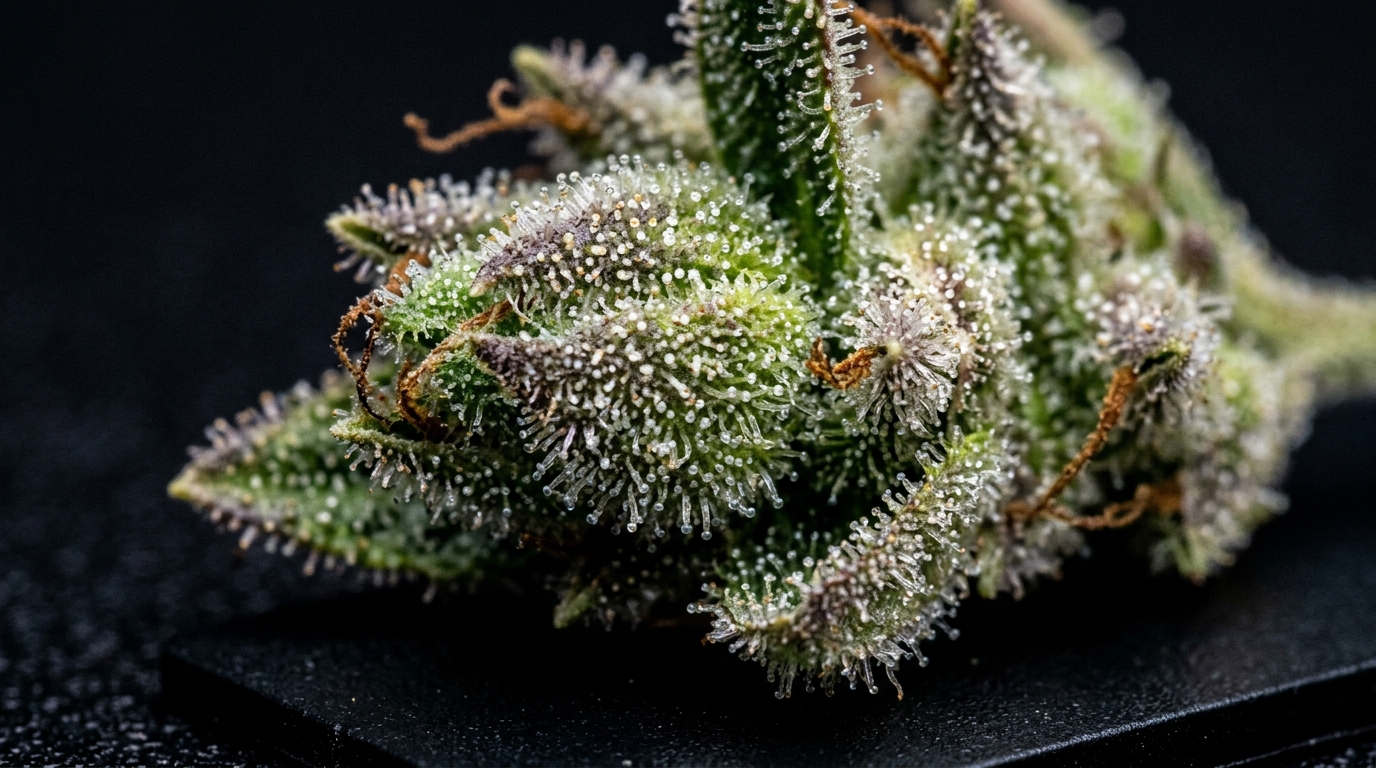
What Is a Cannabis Calyx?
In botanical terms, a calyx is the collective name for a flower’s sepals, the outermost protective structures that form around a plant’s reproductive parts. In cannabis, it appears as a small rounded pod at the base of each pistil pair and is the very first sign your plant has entered its flowering phase.
I find this structure fascinating from a plant chemistry standpoint. Each calyx is essentially a tiny factory. It houses the ovule, anchors the pistils, and sits directly beneath the dense cluster of glandular trichomes that produce the cannabinoids and terpenes we care about. When a plant goes unpollinated, as in sinsemilla cultivation, the calyx swells noticeably as the plant redirects energy toward resin production rather than seed development.
The calyx is sometimes confused with the bract, a slightly larger modified leaf that wraps just below it. Growers often use the terms interchangeably, though botanically they are distinct. The bract wraps around the calyx; the calyx wraps around the ovule. Both are coated in trichomes, which is why the distinction rarely matters at harvest. For a broader look at cannabis anatomy and terminology, our cannabis glossary covers the full vocabulary.
Did you know? According to the Oregon Liquor and Cannabis Commission, Oregon’s regulated cannabis market requires potency testing of the flower fraction, which includes calyxes and their associated trichome coverage. The calyx’s resin density directly influences the lab results that appear on every legal product label in the state.
Why the Calyx Matters for Potency and Quality
The calyx is one of the most chemically active sites on the entire cannabis plant. Understanding it helps growers and consumers evaluate quality far more accurately than appearance alone.
Research published in a 2025 study examining trichome density across cannabis plant tissues confirmed that the bract and calyx region consistently shows some of the highest glandular trichome concentrations on the plant. Trichomes are the biosynthetic sites for cannabinoids like THC and CBD, as well as the full terpene profile that drives the entourage effect. More trichomes per surface area means more active compounds per gram of dried flower.
In my research, I’ve found the calyx-to-leaf ratio to be one of the best informal quality indicators available to a grower. Strains like Girl Scout Cookies and Gorilla Glue produce dense, swollen calyxes with heavy trichome coverage, correlating directly with their reputation for potency. Strains with sparse, underdeveloped calyxes tend to test lower regardless of genetics on paper.
Swollen calyxes signal the plant is near peak ripeness and has been growing without pollination. A calyx that begins to brown and recede signals the harvest window is closing. Knowing the difference is one of the most practical skills any grower can develop.
Calyx Development Across the Flowering Cycle
Calyx formation begins within the first one to two weeks of the flowering stage and progresses in predictable phases that growers can track visually. Each phase communicates something specific about plant health and harvest timing.
Early in flower, tiny pre-calyxes emerge at the nodes, each accompanied by white pistils that signal female sex. Male plants produce pollen sacs at these same sites rather than calyxes, so the distinction is clear. I always recommend checking nodes at days 10 to 14 of the flowering stage when growing regular seeds.
Through weeks three to six, calyxes stack and cluster, forming the dense bud structure we recognize as cannabis flower. Each bud is essentially hundreds of calyxes layered together, which is why high-calyx-count genetics produce visually denser, more resinous buds. By weeks seven to nine in most photoperiod strains, calyxes reach full size and trichome density peaks. When calyxes begin to tighten, amber trichomes increase, and pistils darken from white to orange-red, the plant is past peak.
Calyx-to-Leaf Ratio and Growing Conditions
The calyx-to-leaf ratio describes how much of a bud’s surface area consists of resinous calyxes versus sugar leaves. Higher ratios mean easier trimming, better bag appeal, and typically higher cannabinoid density per gram.
Genetics drive this ratio more than any other single variable. Environmental factors play a secondary role. Strong light intensity during flowering encourages calyx development and trichome production. A 2023 study on glandular trichome development found that trichome morphology and maturation are influenced by both genetic and environmental conditions, confirming that the right strain in the right environment produces the best calyx expression.
Phosphorus and potassium are particularly important during flowering, as both support bud density and trichome production. Nutrient Lockout during flowering can visibly reduce calyx swelling and trichome coverage. Temperature stress during late flower can cause calyxes to brown prematurely, so maintaining stable conditions through the final two weeks matters considerably. From a consumer standpoint, well-developed calyxes are a reliable visual marker of quality, contributing directly to the trichome frost visible on premium flower.
Key Facts
✓ The calyx is the first structure to form when cannabis enters the flowering stage, typically appearing within 1 to 2 weeks of light cycle change
✓ Calyxes are among the most trichome-dense tissues on the cannabis plant, making them a primary site of cannabinoid and terpene biosynthesis
✓ A swollen calyx in an unpollinated female plant signals peak ripeness and redirected resin production
✓ The calyx and the bract are botanically distinct structures, though both are coated in trichomes and often described interchangeably by growers
✓ Calyx-to-leaf ratio is a practical quality indicator: higher ratios mean denser, more resinous buds and easier trimming
✓ Browning or receding calyxes indicate the harvest window is closing and trichome degradation may be beginning
Frequently Asked Questions
What is the difference between a calyx and a bract in cannabis?
The calyx is the cluster of sepals that directly encloses the ovule and anchors the pistils. The bract is a slightly larger modified leaf that wraps around and beneath the calyx, providing additional protection to the reproductive structures. Both are covered in glandular trichomes. In everyday growing conversation, many people use “calyx” to refer to both structures, and the practical distinction rarely affects harvest decisions. Botanically, though, they are separate tissues with separate developmental origins.
Is a swollen calyx a good sign?
Swollen calyxes are almost always positive. In an unpollinated female plant, calyx swelling indicates the plant has redirected energy toward resin production rather than seed development. This is exactly what you want in a sinsemilla grow. Calyxes swell progressively through weeks five to nine of flowering and reach their peak just before the harvest window closes. The one exception is a “false seed pod,” where a calyx swells dramatically without pollination, sometimes indicating hermaphrodite stress or genetic instability rather than peak ripeness.
What does a browning calyx indicate?
Late in the flowering cycle, some browning is normal as the plant approaches and passes its harvest window. Pistils darken from white to orange and red, and calyxes may begin to recede slightly. This is a harvest timing signal rather than a problem. Premature browning earlier in flower, however, can indicate heat stress, nutrient burn, or early onset of bud rot. Checking surrounding trichomes with a jeweler’s loupe is the fastest way to distinguish between natural ripening and environmental damage.
Can you identify a cannabis plant’s sex by looking at the calyxes?
Yes, and it is one of the most reliable early sexing methods available. Female plants develop pre-calyxes at the nodes, each with a pair of white pistils emerging from the tip. Male plants develop round pollen sacs at the same locations, without pistils. Pre-calyxes on females typically appear 10 to 14 days into the flowering stage in photoperiod plants. Autoflowering varieties may show sex signs slightly earlier. Catching males before pollen release is essential for any grower pursuing seedless flower.
Understanding calyx development helps you time harvests, evaluate bud quality, and choose genetics bred for the resin density you’re after.