Edibles are food and beverage products infused with cannabis cannabinoids, most commonly THC or CBD. Unlike smoking or vaping, edibles are processed through the digestive system, which converts THC into a more potent compound called 11-hydroxy-THC. This produces effects that are stronger, longer-lasting, and slower to onset than inhaled cannabis, typically taking 30 minutes to 2 hours to kick in.
Reviewed by Jessica Reed, Cannabis Lifestyle Writer | Updated June 8, 2026
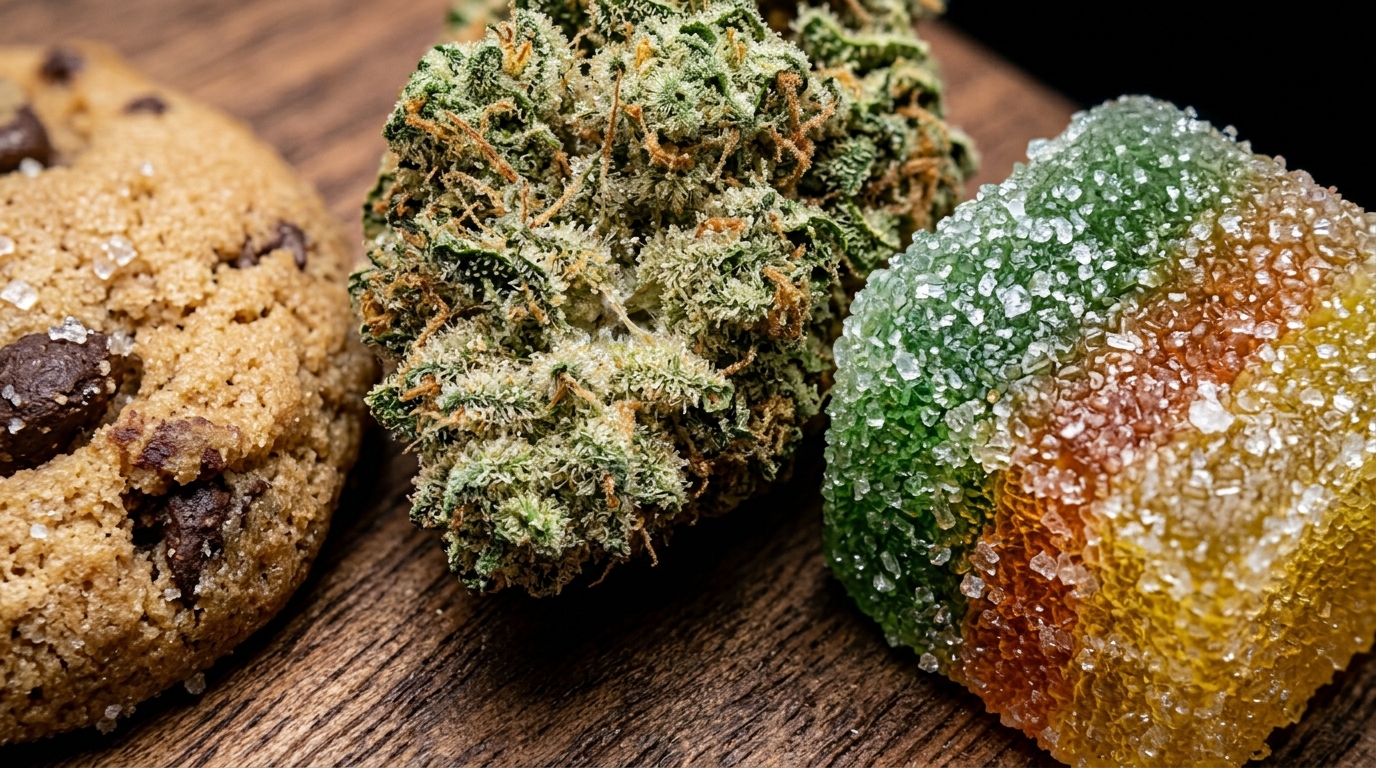
What Are Cannabis Edibles?
Cannabis edibles are any food or drink product containing cannabinoids derived from the cannabis plant, ranging from commercially produced gummies and chocolates to homemade infused butter baked into brownies or savory dishes. Cannabinoid content varies widely, from low-dose Microdosing products at 2.5mg THC to high-potency options exceeding 100mg per package.
I remember the first time I truly understood edibles. Not a dispensary gummy. A friend’s homemade brownie at a Silver Lake dinner party, and I genuinely thought nothing had happened, so I ate another half. Classic rookie move.
The foundation of any edible is an infused fat. THC is fat-soluble, binding to butter, coconut oil, or olive oil far more effectively than to water. Before any infusion can work, though, raw flower must go through Decarboxylation, the heat-activation process that converts inactive THCA into psychoactive THC. Skip it, and you’re sprinkling expensive plant matter into batter and wondering why nothing happens.
How Edibles Work in Your Body
When you eat a cannabis edible, your liver metabolizes the THC rather than your lungs absorbing it, converting delta-9-THC into 11-hydroxy-THC, a compound that crosses the blood-brain barrier more efficiently and produces a more intense, body-centered experience. According to research on cannabis edibles published via PMC, the variability in oral absorption is one of the most significant challenges for consumers and researchers alike.
That delay is what trips people up. Every single time.
Effects can extend 4 to 8 hours or more, depending on your dose, metabolism, and whether you’ve eaten recently. Fat content in your meal matters too. I always eat a small snack before any edible session I’m hosting. It makes the experience smoother and more predictable for everyone at the table.
Did you know? Dosing regulations for cannabis edibles vary dramatically by state. According to the California Department of Cannabis Control, a single serving is capped at 10mg THC, with a maximum of 100mg THC per package. These limits exist specifically because edibles are more frequently involved in overconsumption incidents than other consumption methods.
Types of Cannabis Edibles
The edibles category spans an enormous range of formats, from familiar gummies and chocolates to infused beverages, savory oils, and capsules, giving consumers more ways to incorporate cannabis into their daily routines than ever before.
Gummies are the most popular commercial format right now. Pre-dosed, discreet, and available in flavor profiles that rival any candy aisle. Chocolate is another staple, and the pairing of cannabis with high-quality cacao is something I genuinely geek out about. My personal favorite hosting move is a cannabis-infused olive oil drizzled over burrata. Low dose, beautiful pairing, and nobody feels like they’re taking medicine.
Sublingual products like tinctures sit in a gray area. Some absorption happens through mucous membranes under the tongue, producing faster onset than a fully digested edible. Worth knowing the difference when you’re choosing your format.
For home cooks, strain selection shapes the final experience. The Entourage Effect means terpenes and minor cannabinoids carry through into your infused butter or oil, so what you start with genuinely matters.
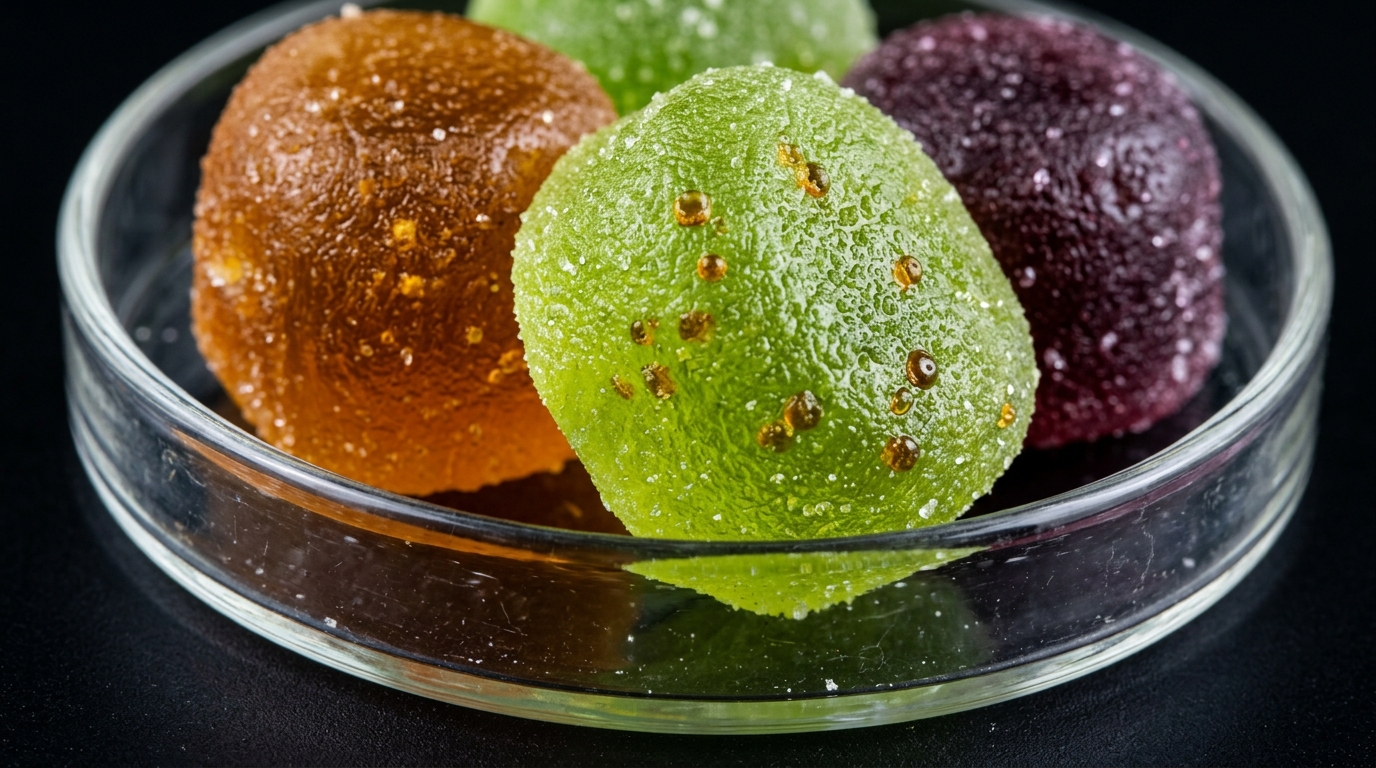
Dosing Edibles: Start Low, Go Slow
Proper dosing is the single most important factor in whether someone has a positive or overwhelming edible experience, with most cannabis health guidance recommending beginners start at 2.5mg to 5mg THC and wait a full two hours before considering any additional dose.
I cannot stress the waiting part enough. I have watched so many people at gatherings decide “it’s not working” at the 45-minute mark and take more. The second dose hits right as the first one does. Not fun.
Microdosing is something I genuinely love for social settings. Taking 2.5mg or less keeps you present and comfortable without intensity. It’s how I approach most hosting situations now, keeping a low-dose option available so guests can choose their own experience. Tolerance matters significantly here; regular consumers often need higher doses, while someone returning after a long break should treat any amount as potentially strong.
Key Facts
✓ Edibles are processed by the liver, converting THC to 11-hydroxy-THC, which is more potent than inhaled THC
✓ Onset typically takes 30 minutes to 2 hours; effects can last 4 to 8 hours or longer
✓ The standard beginner dose is 2.5mg to 5mg THC; always wait two hours before redosing
✓ Decarboxylation is required before infusion; raw cannabis contains inactive THCA, not THC
✓ Fat-soluble cannabinoids bind to butter, coconut oil, and olive oil, making fat the base of most infusions
✓ In California, a single serving is legally capped at 10mg THC, with 100mg maximum per package
✓ Commercial edibles include gummies, chocolates, beverages, tinctures, capsules, and savory products
Frequently Asked Questions
What does an edible high feel like compared to smoking?
Heavier, more body-centered, and longer-lasting. Where inhaled cannabis produces a clearer, more cerebral effect that peaks quickly and fades within a couple of hours, edibles build slowly and often feel more sedating and immersive. This is because the liver converts THC into 11-hydroxy-THC, which crosses the blood-brain barrier more efficiently. First-timers are frequently surprised by how different it feels from flower, even at the same milligram equivalent.
How long do edibles take to kick in?
Most edibles take 30 minutes to 2 hours to produce noticeable effects, though some people don’t feel the full impact until 3 hours after consumption. The variation depends on your metabolism, recent food intake, and individual tolerance. This slow onset is the most common reason people accidentally overconsume. Set a two-hour timer before you consider taking any more. That’s the only reliable strategy.
Are edibles stronger than smoking cannabis?
Dose for dose, yes, edibles often produce stronger effects. The metabolic conversion of THC to 11-hydroxy-THC in the liver creates a more potent compound than delta-9-THC from inhaled smoke, and some THC is lost to combustion when smoking. With a well-made edible, more of the cannabinoid content is bioavailable. Research published in Edible Cannabis via PMC confirms the oral route produces distinct pharmacokinetic effects compared to inhalation, including higher variability in intensity and duration.
Can you make edibles at home?
Yes, and it’s more approachable than most people think. The process involves decarboxylating your cannabis flower in the oven first, then infusing the activated material into a fat like butter or coconut oil. From there, you can use that infused fat in virtually any recipe. The key variables are temperature control during decarb, infusion time, and starting with a strain whose effects you already enjoy. Our cannabis glossary has entries on every term you’ll encounter along the way.
Ready to grow the flower that goes into your favorite infusions? Explore our full selection of high-THC cannabis seeds and find the cultivar that suits your edible goals.