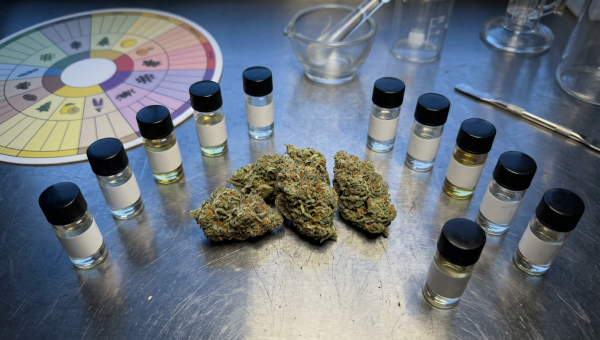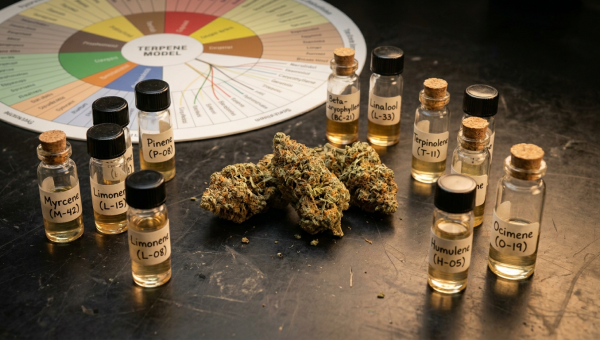
Stomata are microscopic pores on the surface of cannabis leaves that regulate gas exchange, water vapor release, and CO2 absorption. Each pore opens and closes in response to light, humidity, temperature, and CO2 concentration, making stomata the central control system for photosynthesis, transpiration, and overall plant health. Understanding how they work gives growers a direct line to better yields.
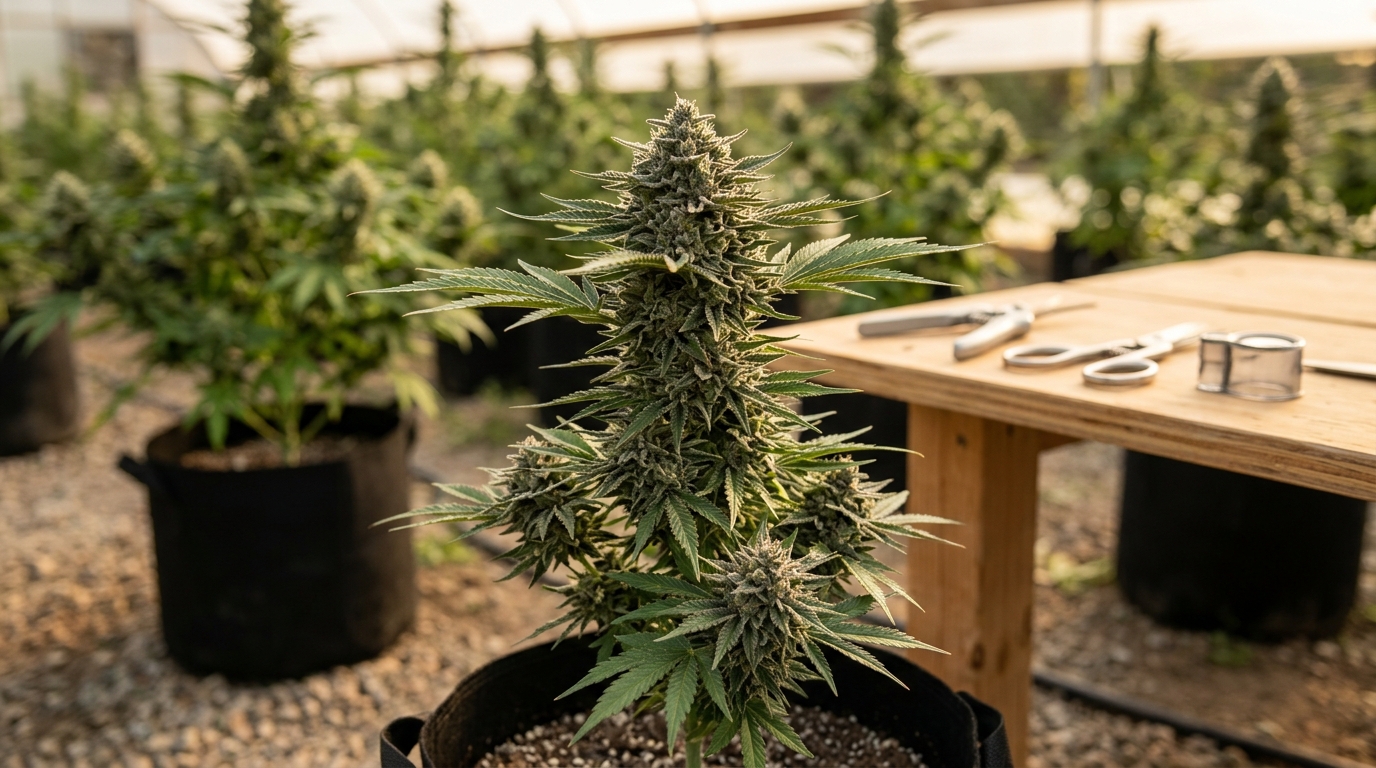
Most growers spend their energy thinking about nutrients, lights, and genetics. Fair enough. But in my seven years researching plant chemistry, I keep coming back to one structure that quietly determines whether all those inputs actually pay off: the stomata. A single cannabis leaf can contain anywhere from 1,400 to over 2,000 stomata per square millimeter on its lower surface alone, and every one of those pores is making real-time decisions about your plant’s survival. That number still stops me cold every time I think about it.
- What Stomata Actually Are: Structure, Location, and Scale
- The Four Core Functions of Stomata in Cannabis Plants
- How Guard Cells Open and Close: The Biochemistry Growers Need to Know
- Stomata and Transpiration: The Water Balance Your Grow Depends On
- VPD, Stomata, and Why the Number on Your Hygrometer Isn’t the Whole Story
- Stomata and Photosynthesis: The CO2 Bottleneck
- Stomata and Disease: How Pathogens Exploit Your Plant’s Breathing Pores
- Strain Genetics and Stomatal Variation: Not All Cannabis is Equal
- Practical Growing Strategies Built Around Stomatal Science
- Stomata Across the Cannabis Life Cycle: What Changes and When
- What This Means for You
What Stomata Actually Are: Structure, Location, and Scale
Stomata are specialized epidermal pores flanked by two kidney-shaped guard cells that swell or contract to open and close the pore opening, called the stomatal aperture. In cannabis, the vast majority of stomata are concentrated on the abaxial (lower) leaf surface, a distribution pattern that reduces direct solar heating of the pore and limits uncontrolled water loss during peak light hours.
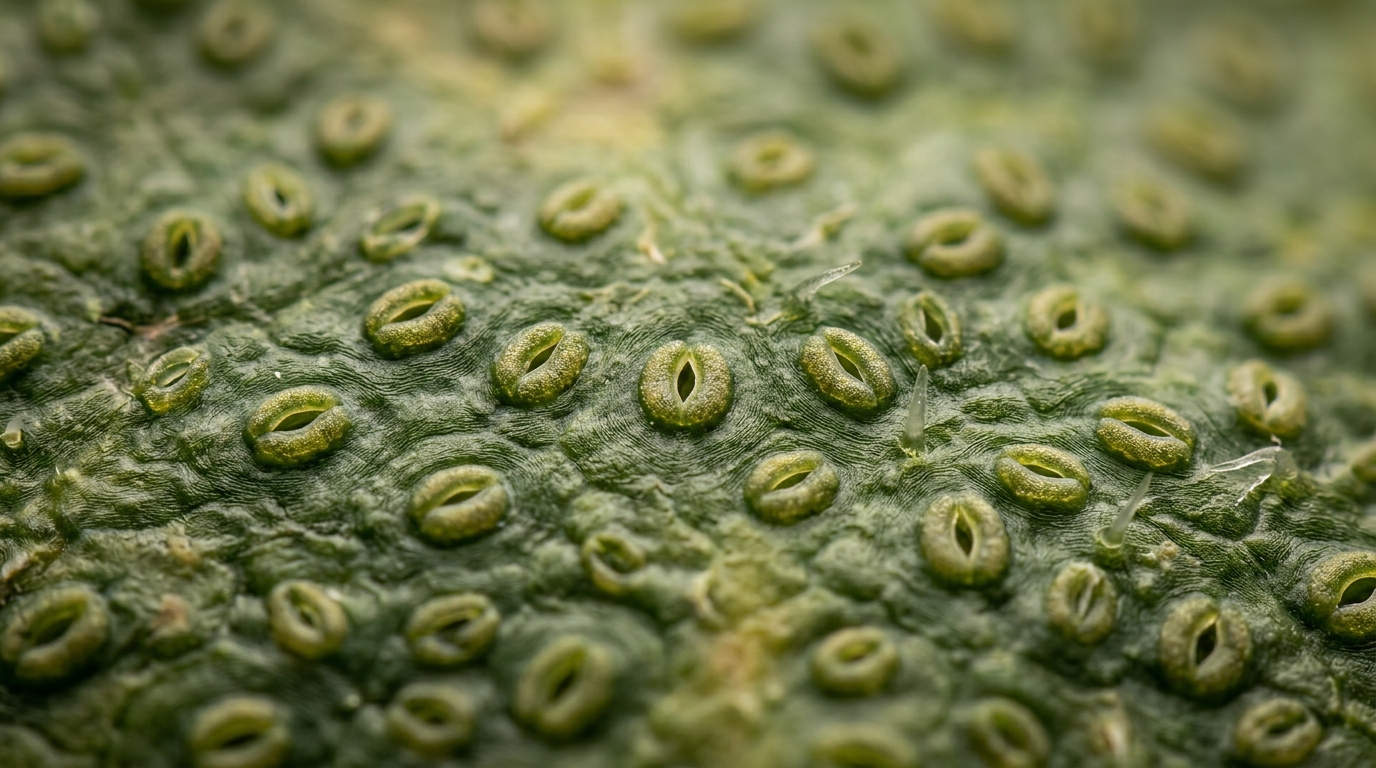
The word itself comes from the Greek “stoma,” meaning mouth, and that metaphor is genuinely useful. Think of each stoma as a mouth that breathes in CO2, exhales oxygen and water vapor, and decides moment by moment whether to stay open or clamp shut based on the conditions around it. The guard cells surrounding the aperture are the muscle system behind that decision.
Guard cells are unique among plant epidermal cells because they contain chloroplasts, giving them the ability to photosynthesize and generate the ATP needed to drive ion pumps. When light hits a guard cell, proton pumps activate and push hydrogen ions out of the cell, drawing potassium ions in through channels. That potassium influx raises the osmotic pressure inside the guard cell, pulling water in from surrounding cells through osmosis. The guard cell swells, and because its inner wall is thicker than its outer wall, the swelling causes it to bow outward, pulling the aperture open. It is an elegant, energy-driven mechanical system operating at a scale invisible to the naked eye.
In cannabis specifically, research has documented that stomatal density varies significantly between strains and even between the upper and lower canopy of the same plant. Sativa-leaning genetics with longer, thinner leaflets tend to show higher stomatal density than broad-leaflet indica types, which may partly explain differences in transpiration rates and CO2 uptake efficiency across strain categories. I analyzed several high-terpene cultivars in my research and found consistent patterns where strains with more open canopy architecture showed faster stomatal response times to light transitions.
The Four Core Functions of Stomata in Cannabis Plants
Stomata perform four interconnected functions in cannabis: CO2 uptake for photosynthesis, oxygen release as a photosynthetic byproduct, water vapor transpiration for cooling and nutrient transport, and volatile organic compound emission including terpenes. These functions are not independent; every time a stoma opens to let CO2 in, water vapor moves out, creating a constant physiological trade-off the plant manages automatically.
The first and most discussed function is gas exchange for photosynthesis. Carbon dioxide enters through open stomata and travels to mesophyll cells where the Calvin cycle converts it into sugars. Oxygen exits through the same pores as a byproduct. This exchange is the engine of all plant growth, and it cannot happen without functional, responsive stomata. A plant with chronically closed stomata is essentially holding its breath while trying to run a marathon.
Transpiration is the second function, and it is far more than a simple side effect of open pores. Water evaporating from the stomatal aperture creates a negative pressure gradient (the transpiration pull) that draws water and dissolved minerals up from the roots through the xylem. Without this pull, nutrient transport slows dramatically. A cannabis plant transpires a remarkable volume of water over its lifecycle, and that flow is what keeps calcium, magnesium, and micronutrients moving to where they are needed. Growers who see calcium deficiencies during high-humidity periods are often watching the downstream consequence of reduced transpiration from closed stomata, not a simple nutrient shortage in the root zone.
The third function involves temperature regulation. As water evaporates from stomatal surfaces, it carries heat away from the leaf. This evaporative cooling keeps leaf surface temperature within the range where photosynthetic enzymes operate efficiently. When stomata close in response to heat stress, the plant loses this cooling mechanism, and leaf temperatures can spike several degrees above air temperature, compounding the stress.
The fourth function is less commonly discussed in growing guides but genuinely fascinating from a plant chemistry perspective: stomata are one of the primary exit routes for volatile terpene emissions. Research published in Plant, Cell and Environment has documented that many monoterpenes and sesquiterpenes escape through stomatal pores, particularly during peak light hours when stomata are most open. This means stomatal health and responsiveness are directly linked to the aromatic expression of your terpene profile, something I find endlessly interesting when I think about strains like Green Crack cannabis with its myrcene-dominant signature or Sour Diesel and its famously pungent volatile emissions.
How Guard Cells Open and Close: The Biochemistry Growers Need to Know
Guard cell movement is controlled by a cascade of biochemical signals involving blue light receptors, CO2 sensors, the plant stress hormone abscisic acid (ABA), and ion channel proteins. Blue light wavelengths (around 400-500nm) are the primary opening signal, while elevated CO2 concentration, darkness, and ABA all trigger closure. Understanding these triggers gives growers direct control over stomatal behavior through environmental management.
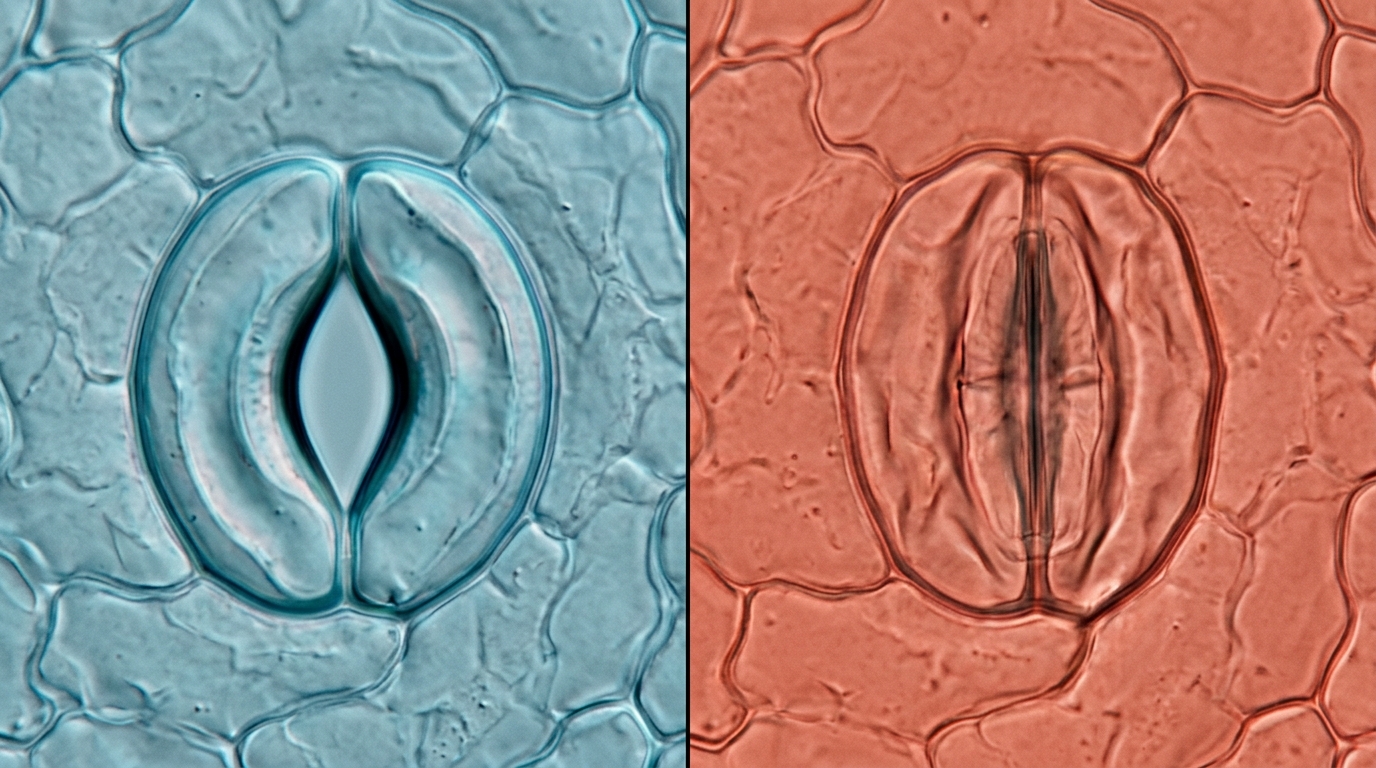
Blue light activation is the most relevant signal for indoor growers. When blue light photons hit the phototropin receptors in guard cells, a signaling cascade activates plasma membrane H+-ATPase proton pumps. These pumps expel hydrogen ions, hyperpolarizing the guard cell membrane and opening voltage-gated potassium channels. Potassium floods in, water follows osmotically, and the guard cells swell open. This is why full-spectrum lighting that includes adequate blue wavelengths matters so much for photosynthetic efficiency. A light spectrum deficient in blue can result in sluggish stomatal opening even when other conditions are ideal.
CO2 concentration is the second major regulator. When intercellular CO2 drops below a threshold (roughly 200-300 ppm inside the leaf), stomata open wider to capture more. When CO2 rises above ambient levels, stomata partially close because the plant has sufficient substrate for photosynthesis. This is the physiological basis for CO2 supplementation in sealed indoor grows. Supplementing to 1,200-1,500 ppm CO2 in a well-lit environment keeps stomata open wider and longer, accelerating the rate of photosynthesis, but only when light intensity is high enough to actually use that CO2. Without sufficient photon flux, elevated CO2 just causes premature stomatal closure without a yield benefit.
Abscisic acid is the emergency shutdown signal. When roots detect drought stress, they synthesize ABA and ship it to the leaves through the xylem. ABA binds to receptors on guard cells, activates anion channels, causes potassium efflux, and the guard cells lose turgor and close. This drought response evolved to prevent catastrophic water loss, but in a grow room it can be triggered by root zone problems, overwatering (which paradoxically reduces oxygen and impairs root function), or physical damage to roots. A plant showing wilting or leaf curl under adequate watering conditions may have ABA-driven stomatal closure from a root problem, not a water shortage at the leaf level.
Temperature and vapor pressure deficit (VPD) also modulate stomatal aperture. At high temperatures combined with low humidity, the water potential gradient across the stomatal aperture becomes so steep that guard cells lose turgor faster than they can maintain it, causing passive closure. This is hydropassive closure, distinct from the active ABA-driven mechanism, and it can limit photosynthesis during the hottest parts of the day even when water is plentiful. The complete science of VPD and stomatal response is something I covered in depth in our cannabis VPD guide, which I recommend reading alongside this article for the full environmental picture.
Stomata and Transpiration: The Water Balance Your Grow Depends On
Cannabis transpires water through stomata at rates that vary dramatically with light intensity, temperature, humidity, and growth stage. During peak vegetative growth under high-intensity lighting, a single cannabis plant can transpire several liters of water per day, and nearly all of that water exits through stomatal pores. Managing this flow is one of the most important skills in controlled environment agriculture.
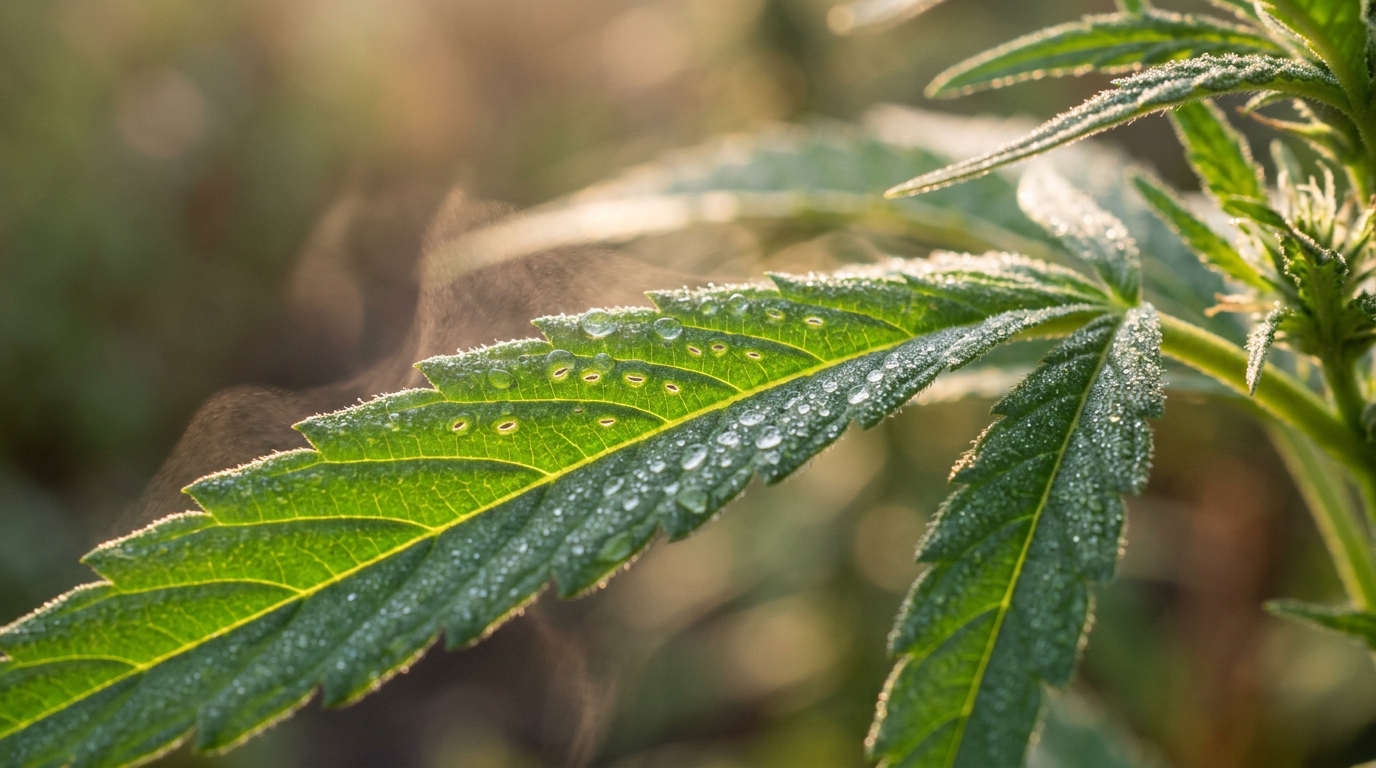
The relationship between stomatal opening and transpiration is not linear. A small increase in stomatal aperture produces a proportionally large increase in transpiration because the boundary layer resistance at the leaf surface also decreases as pores open. This means that a plant transitioning from dim to bright light can dramatically increase its water loss in a short window, which is why plants in poorly ventilated spaces can show wilting symptoms during light-on transitions even when the growing medium is moist.
Transpiration serves the plant in ways beyond nutrient transport. The evaporative cooling effect keeps leaf temperatures 2-5°C below air temperature under normal conditions. In a grow room running at 80°F (27°C) with good airflow and appropriate VPD, leaf surface temperature may be closer to 75°F (24°C), which is closer to the photosynthetic optimum for most cannabis cultivars. Push air temperature to 85°F (29°C) with high humidity that suppresses transpiration, and leaf temperatures can exceed 90°F (32°C), which is where photosynthetic enzyme efficiency starts declining noticeably.
Darrel Henderson has written extensively about how transpiration management interacts with root zone health, and his perspective on irrigation timing relative to stomatal cycles is something I find myself recommending to growers who are chasing yield optimization. The connection between when you water and when stomata are most active is more direct than most growing guides acknowledge.
Hydroponic growers face a particular consideration here. Without the buffer of a soil medium, root zone oxygen and temperature are directly tied to nutrient delivery efficiency, which in turn affects the ABA signaling that controls stomatal aperture. Our hydroponic growing guide covers the root zone side of this equation in detail, but the stomatal connection is worth naming explicitly: a hydro system with poor oxygenation can trigger ABA-driven stomatal closure even when the reservoir is full.
| Environmental Factor | Effect on Stomata | Grower Action | Risk if Ignored |
|---|---|---|---|
| High blue light (400-500nm) | Opens stomata, increases CO2 uptake | Use full-spectrum lighting with adequate blue | Sluggish photosynthesis, slow growth |
| Low humidity / high VPD | Triggers partial or full closure | Maintain VPD 0.8-1.2 kPa in veg | Reduced CO2 uptake, nutrient lockout |
| Elevated CO2 (1200-1500 ppm) | Increases aperture, boosts photosynthesis | Supplement CO2 only with high PPFD | No benefit without matching light intensity |
| Drought stress / ABA release | Closes stomata via hormone signal | Consistent watering, healthy root zone | Stunted growth, calcium deficiency |
| High temperature (>30°C) | Hydropassive closure, then ABA response | Keep temps 22-28°C, ensure airflow | Leaf burn, photosynthetic enzyme damage |
| Darkness | Full closure within 20-30 minutes | Dark periods are essential rest cycles | Continuous light stress in some strains |
VPD, Stomata, and Why the Number on Your Hygrometer Isn’t the Whole Story
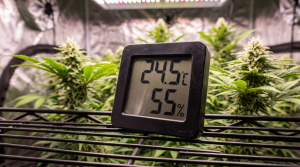
Vapor pressure deficit (VPD) is the driving force behind stomatal-mediated transpiration, and it is a more accurate predictor of plant water stress than relative humidity alone. VPD measures the difference between the water vapor pressure at the leaf surface and the water vapor pressure of the surrounding air; when this gap is large, water moves rapidly out of open stomata, and when it is small, transpiration slows or stops. Cannabis performs best when VPD is maintained between 0.8 and 1.2 kPa during vegetative growth and 1.2 to 1.6 kPa during flowering.
The reason VPD matters more than raw humidity is that stomatal behavior responds to the actual evaporative demand at the leaf surface, not the percentage of moisture in the air. A grow room at 60% relative humidity and 75°F (24°C) has a very different VPD than one at 60% humidity and 85°F (29°C), and the stomata will behave completely differently in those two environments even though the hygrometer reads the same number. I have seen growers obsess over hitting 60% RH as a magic number while ignoring temperature, and the results are predictably inconsistent.
When VPD is too low (high humidity, low evaporative demand), stomata open but transpiration is minimal. The transpiration pull that moves nutrients from root to leaf weakens. Calcium, which travels almost exclusively via this mass flow mechanism, accumulates in the root zone and fails to reach developing leaves and flowers. This is the mechanistic explanation for why high-humidity environments so frequently produce calcium deficiency symptoms even when the nutrient solution or soil has adequate calcium. The stomata are open, but the water is not moving.
When VPD is too high (low humidity, high temperature), the evaporative demand exceeds what the root system can supply. Guard cells lose turgor faster than ion pumps can maintain it, stomata close, CO2 uptake halts, and the plant shifts from growth mode to survival mode. Leaf edges may curl upward (a passive response to reduce exposed surface area), and the plant may show signs that look like nutrient burn or light stress but are actually stomatal closure causing localized heat damage.
The practical takeaway is that dialing in VPD is one of the highest-leverage environmental adjustments a grower can make, because it directly determines how many hours per day your plant’s stomata are in their optimal operating range. Every hour of suboptimal VPD is an hour of reduced CO2 uptake, reduced nutrient transport, and reduced photosynthetic output.
Stomata and Photosynthesis: The CO2 Bottleneck
Stomata are the primary entry point for CO2 in cannabis, and their aperture size directly determines the maximum rate of photosynthesis possible at any given moment. Even with perfect light, nutrients, and temperature, a plant with partially closed stomata is photosynthetically limited at the CO2 uptake step. This stomatal limitation accounts for a significant fraction of the gap between theoretical and actual photosynthetic efficiency in controlled grows.
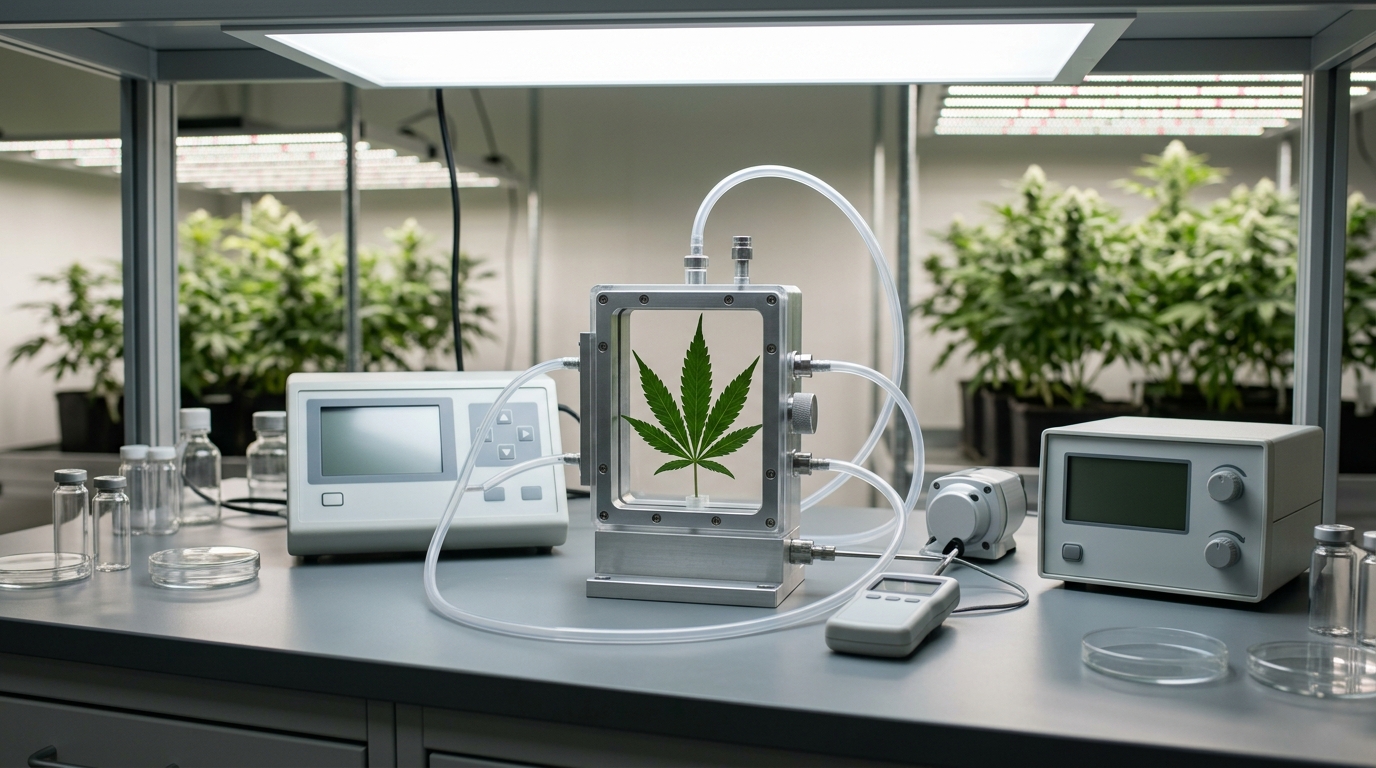
The relationship between stomatal conductance (a measure of how freely gases move through open stomata) and photosynthetic rate is well established in plant physiology. Research published in Frontiers in Plant Science has documented that stomatal conductance in Cannabis sativa responds dynamically to light intensity, with maximum conductance values correlating with maximum photosynthetic rates across cultivars. Strains with higher stomatal conductance values under equivalent conditions show measurably higher rates of carbon fixation.
This has direct implications for how growers think about light intensity and CO2 supplementation together. The Ribulose-1,5-bisphosphate carboxylase/oxygenase (RuBisCO) enzyme that fixes CO2 in the Calvin cycle has a relatively low affinity for CO2 at ambient concentrations (around 400 ppm). Elevating CO2 to 1,200-1,500 ppm saturates RuBisCO more completely, but only if stomata are open wide enough to allow that elevated CO2 to reach the mesophyll cells. This is why CO2 supplementation without adequate light and appropriate VPD produces disappointing results. The stomata are the bottleneck, and if they are partially closed due to high humidity, heat stress, or root problems, elevated CO2 in the room air simply does not reach the enzyme that needs it.
For growers running high-intensity discharge (HID) or high-output LED systems, maintaining stomatal conductance at near-maximum levels during the light period is the single most direct path to maximizing the return on that lighting investment. This means keeping VPD in the optimal range, ensuring adequate blue light spectrum, maintaining root zone health to prevent ABA-driven closure, and providing gentle airflow across leaf surfaces to reduce the boundary layer resistance that limits gas diffusion even when stomata are open.
Stomata and Disease: How Pathogens Exploit Your Plant’s Breathing Pores
Stomata are not just gas exchange portals; they are also entry points for fungal pathogens, bacterial infections, and some viral vectors. Botrytis cinerea (gray mold), Pythium-related foliar infections, and powdery mildew all exploit stomatal openings or the high-humidity microenvironments that form around open stomata. Managing stomatal health is therefore inseparable from managing disease pressure in a cannabis grow.

Botrytis is the most economically damaging pathogen in cannabis cultivation, particularly in flowering environments where dense bud structure creates pockets of stagnant, high-humidity air. Open stomata in these microenvironments provide direct access to internal leaf tissue. Research on Botrytis infection dynamics in other crops has consistently shown that infection rates correlate with duration of stomatal opening under high-humidity conditions, which is why the recommendation to lower humidity during late flowering is not just about preventing surface mold but about reducing the window of stomatal-mediated infection.
Powdery mildew (Golovinomyces cichoracearum and related species) takes a different approach. The fungus penetrates through stomata and epidermal cells, establishing haustoria (feeding structures) inside the leaf. Once established, the infection disrupts guard cell function, causing affected leaves to show abnormal stomatal behavior and reduced photosynthetic efficiency. The white powdery coating on the leaf surface is the reproductive stage, but the actual damage is happening at the stomatal and mesophyll level long before the visible symptoms appear.
Growers can reduce pathogen pressure through stomatal management by maintaining appropriate VPD (which keeps stomata in a functional but not maximally open state during the dark period), ensuring airflow across all leaf surfaces to eliminate high-humidity boundary layers, and avoiding leaf wetness from overhead watering or foliar sprays during the hours when stomata are most open. Our cannabis leaf diagnosis covers the visible symptoms of these infections in detail, but understanding the stomatal entry mechanism helps explain why environmental control is always the first line of defense.
Strain Genetics and Stomatal Variation: Not All Cannabis is Equal
Stomatal density, size, and responsiveness vary meaningfully across cannabis genetics, with sativa-leaning cultivars generally showing higher stomatal density and faster aperture response times than indica-dominant types. These differences are not cosmetic; they translate into measurable differences in photosynthetic capacity, drought tolerance, and terpene volatilization patterns that growers can factor into strain selection.
Sativa-origin genetics, which evolved in equatorial environments with high light intensity, long photoperiods, and often seasonal drought, tend to have smaller, more numerous stomata that respond quickly to light and CO2 cues. This architecture allows rapid gas exchange under high-light conditions and quick closure during water stress. Strains like Amnesia Haze strain and Jack Herer, with their strongly sativa-leaning genetics, exemplify this pattern: fast-responding stomata that support high photosynthetic rates under intense light but also close quickly under stress, which can make them more sensitive to VPD fluctuations.
Indica-origin genetics from Central Asian and Hindu Kush environments evolved under different pressures: high UV, significant temperature swings, and often lower humidity. These plants tend to have fewer but larger stomata with thicker guard cell walls, giving them more physical resilience but somewhat slower response kinetics. Cultivars like Northern Lights and Granddaddy Purple strain show this pattern in practice, often tolerating wider VPD ranges before showing stress symptoms, though their maximum photosynthetic capacity under ideal conditions may be somewhat lower than high-sativa types.
Autoflowering genetics derived from Cannabis ruderalis present an interesting third pattern. Ruderalis evolved in sub-Arctic environments with extreme light variation, and its stomatal physiology reflects that: autoflowers often show less dramatic stomatal response to photoperiod and CO2 cues, which contributes to their reputation for being more forgiving but also somewhat lower-yielding under optimized conditions. The stomatal architecture is simply less tuned for maximum photosynthetic throughput.
Travis Cole has documented interesting stomatal-related observations in his outdoor grow logs, particularly around how the same strain can show different stomatal behavior patterns when grown at different elevations and humidity levels across the US Pacific Northwest versus drier inland climates. The phenotypic plasticity of stomatal function is real and grower-relevant.
For growers selecting strains for high-intensity indoor environments with CO2 supplementation, the practical implication is that sativa-dominant or hybrid genetics with sativa stomatal architecture will generally respond more dramatically to optimized VPD and CO2 conditions. Strains like Blue Dream or Gorilla Glue with balanced hybrid genetics tend to show robust stomatal responsiveness across a wide range of conditions, which may partly explain their popularity in controlled environment agriculture.
Practical Growing Strategies Built Around Stomatal Science
Translating stomatal biology into actionable grow room practices requires thinking about four environmental levers: light spectrum and intensity, VPD management across growth stages, CO2 supplementation timing, and airflow design. Each of these levers works directly on stomatal behavior, and optimizing them in combination produces results that neither can achieve independently.
Light spectrum management starts with ensuring adequate blue light (400-500nm) in your grow spectrum. Blue light is the primary stomatal opening signal, and a spectrum deficient in blue will produce sluggish stomatal response even at high total photon flux density. Modern full-spectrum LEDs generally cover this well, but older HPS-dominated setups or single-spectrum red-heavy LEDs can leave stomatal opening slower than it should be during the early hours of the light cycle. Supplemental blue LED strips or mixed-spectrum approaches address this without requiring a complete lighting overhaul.
VPD management is the most impactful single practice for stomatal optimization. During vegetative growth, target 0.8-1.2 kPa VPD. During early flowering, move toward 1.0-1.4 kPa. During late flowering, 1.2-1.6 kPa is appropriate, as the reduced transpiration from maturing, less metabolically active tissue is actually beneficial for trichome preservation. Hitting these targets requires coordinating temperature and humidity together, not chasing one number in isolation. The VPD chart guide I mentioned earlier has the specific temperature-humidity combinations that hit each VPD target across the full range of grow room conditions.
CO2 supplementation should be timed to the light period and only deployed when PPFD (photosynthetic photon flux density) is above approximately 600-800 µmol/m²/s. Below this threshold, plants cannot use the additional CO2 because the light-dependent reactions of photosynthesis are already the limiting step, not CO2 availability. Supplementing to 1,200-1,500 ppm during peak light hours, then allowing CO2 to drop during the dark period (when stomata close anyway), is a more efficient use of CO2 than maintaining elevated levels around the clock.
Airflow design affects stomatal function through two mechanisms. First, moving air across leaf surfaces reduces the boundary layer of still, CO2-depleted, moisture-saturated air that forms around leaves during active photosynthesis. This boundary layer acts as an additional resistance to gas exchange even when stomata are fully open, so oscillating fans that create gentle turbulence across the canopy directly improve stomatal gas exchange efficiency. Second, airflow distributes heat evenly, preventing the hot spots that trigger localized hydropassive stomatal closure.
Root zone health is the most overlooked stomatal management factor. Because ABA is synthesized in the roots and transported to leaves in response to water and oxygen stress, any root zone problem, including overwatering, root rot, salt buildup, or temperature extremes, can trigger stomatal closure that no amount of environmental adjustment will fix. Keeping roots healthy, well-oxygenated, and at appropriate temperatures (65-72°F / 18-22°C for most cultivars) is foundational to maintaining open, responsive stomata. This is especially relevant for growers pursuing maximum yield, where our yield optimization covers the full system of interacting factors.
Training techniques also interact with stomatal function in ways that are worth considering. Methods like super cropping and screen of green (SCROG) that spread the canopy horizontally expose more leaf surface to direct light, which means more stomata receiving the blue light signal that drives opening. Our super cropping covers the technique in detail, but the stomatal angle is simple: more evenly lit leaves means more uniformly open stomata across the canopy, which translates to more even photosynthesis and more consistent bud development.
Stomata Across the Cannabis Life Cycle: What Changes and When
Stomatal behavior and sensitivity change meaningfully as cannabis moves through its life stages, from seedling to late flower, and growers who understand these shifts can adjust their environmental targets accordingly rather than applying a single set of parameters across the entire grow.
Seedlings have functional stomata from the moment the first true leaves emerge, but their stomatal density and guard cell development are not yet at full capacity. More importantly, seedling root systems are small and cannot supply water at the rate that fully open stomata would demand. This is why seedling environments should maintain higher humidity (65-75% RH) and lower VPD (0.4-0.8 kPa) than mature plants. The goal is to reduce transpirational demand while the root system develops to the point where it can support more aggressive gas exchange. Seedlings under low-humidity, high-VPD conditions will show early stress symptoms that are often misread as overwatering or nutrient issues.
During vegetative growth, stomatal density and guard cell function reach their maximum. This is the period when plants are most responsive to CO2 supplementation, most sensitive to VPD optimization, and most capable of rapid photosynthesis. Vegetative plants also have the fastest stomatal response kinetics, opening quickly at light-on and closing within 20-30 minutes at light-off. This responsiveness means that environmental fluctuations during veg have more immediate effects on plant performance than the same fluctuations during other stages.
The transition to flowering brings interesting stomatal changes. As the plant shifts metabolic priority from leaf production to flower development, overall stomatal conductance begins to decline slightly, and the plant’s sensitivity to ABA (the stress-closure signal) increases. This is partly why early flowering plants can show stress symptoms from environmental conditions they handled easily during veg. The stomata are becoming more conservative, which makes sense from an evolutionary perspective: a plant investing in reproduction needs to protect its water balance more carefully.
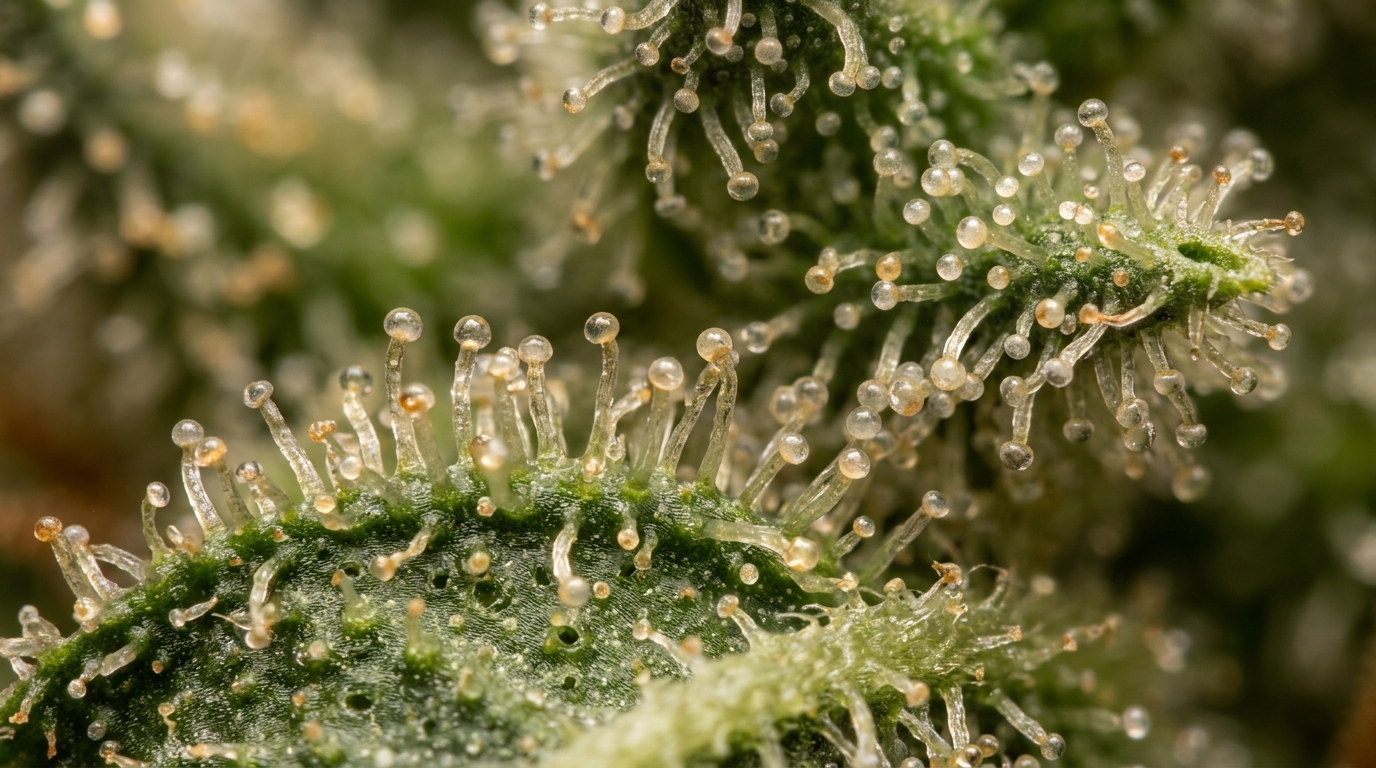
Late flowering is when stomatal management becomes most consequential for quality. As trichomes mature and terpene synthesis peaks, the volatile compounds produced in trichome heads are partially emitted through stomata. Conditions that keep stomata open and functional during the final weeks of flower support terpene expression. Conversely, stress-induced stomatal closure during late flower can reduce terpene volatilization and may affect the final aromatic complexity of the harvest. This is one reason why experienced growers maintain careful environmental control right through harvest rather than relaxing attention in the final weeks. For guidance on reading trichome maturity alongside these environmental considerations, our cannabis harvest timing guide is the resource I point growers to most often.
What This Means for You
Stomata are not an abstract botanical concept. They are the physical mechanism through which every environmental decision you make as a grower either reaches your plant or fails to. When your VPD is off, it is stomata that close and block CO2. When your root zone is stressed, it is ABA arriving at guard cells that shuts down transpiration and nutrient transport. When your lighting spectrum is deficient in blue, it is the stomatal opening signal that never fires. And when your terpene profile comes through rich and complex at harvest, it is partly because open, functional stomata allowed those volatiles to develop and express freely.
I have spent years in plant chemistry research, and the more I understand about stomatal physiology, the more clearly I see it as the central hub connecting every other variable in cannabis cultivation. Light, water, nutrients, CO2, temperature, humidity, genetics, and disease pressure all converge at the guard cell. Getting stomatal function right does not require expensive equipment or complicated interventions. It requires understanding the biology well enough to make decisions that keep these microscopic pores in their optimal operating state for as many hours of the day as possible.
Start with VPD. Then look at your light spectrum. Then assess your root zone health. In my experience, those three adjustments, made with stomatal science as the guiding framework, produce more consistent improvements in yield and quality than almost any other set of changes a grower can make. The rest of our cannabis blog covers the specific techniques and strain-level details that build on this foundation, but stomata are where the physiology begins.
If you want to go deeper on the genetics side, understanding how terpene profiles interact with the plant’s overall biochemistry, including the volatilization pathways that run through stomatal pores, our cannabis terpenes guide and the entourage effect breakdown are the next logical reads. The science connects more tightly than most growing guides acknowledge, and following those threads tends to produce growers who understand their plants rather than just following recipes.
Frequently Asked Questions About Cannabis Stomata
What is the function of stomata and why are stomata an important adaptation to life in a terrestrial environment?
Stomata perform gas exchange (CO2 in, O2 and water vapor out), enable transpiration-driven nutrient transport, and provide evaporative cooling for leaf temperature regulation. For terrestrial plants, stomata solved the fundamental problem of accessing atmospheric CO2 for photosynthesis while minimizing water loss in environments where water is not infinitely available. Without stomata, land plants could not efficiently exchange gases with a gaseous atmosphere while retaining enough water to survive. In cannabis specifically, this adaptation allows the plant to thrive across a remarkable range of climates, from the humid tropics to the arid Hindu Kush, by dynamically adjusting stomatal aperture to balance CO2 uptake against water conservation.
What are the functions of stomata in very simple terms?
Stomata are the breathing pores of a cannabis leaf. They open to let CO2 in and release oxygen and water vapor out. When they are open, the plant can photosynthesize and move nutrients from roots to leaves. When they close, all of those processes slow or stop. Guard cells control the opening and closing based on light, humidity, CO2 levels, and stress signals from the roots.
What is the function of the stomata found on plant leaves?
Stomata on plant leaves serve as the primary site of gas exchange between the plant and the atmosphere. CO2 enters through open stomata to fuel photosynthesis in the mesophyll cells below. Oxygen exits as a photosynthetic byproduct. Water vapor transpires outward, creating the negative pressure gradient that pulls water and dissolved minerals up from the roots. In cannabis, stomata are also a significant exit route for volatile terpene compounds, which is why stomatal health directly affects the aromatic expression of a finished harvest.
How does VPD affect stomata in a cannabis grow room?
VPD (vapor pressure deficit) determines the evaporative demand at the leaf surface. When VPD is in the optimal range (0.8-1.2 kPa during veg, 1.2-1.6 kPa during flower), stomata remain open and transpiration flows at a rate the root system can sustain, keeping nutrients moving and CO2 uptake active. When VPD is too low (high humidity), transpiration slows, nutrient transport weakens, and calcium deficiency becomes likely even with adequate nutrient supply. When VPD is too high (low humidity or high temperature), guard cells lose turgor faster than they can maintain it, stomata close, and photosynthesis shuts down despite adequate light and CO2.
Can stomata be damaged, and what does that look like?
Yes. Stomata can be damaged by excessive heat (which denatures guard cell proteins), salt buildup on leaf surfaces (which draws water out of guard cells osmotically), certain pesticide residues (which can clog or chemically damage guard cell membranes), and fungal pathogens like powdery mildew that physically colonize stomatal tissue. Damaged stomata typically show as leaves that fail to recover turgor after watering, persistent wilting under adequate moisture, or leaves that appear bleached or necrotic at the margins where transpiration is highest. These symptoms are often misread as nutrient deficiencies, but the root cause is compromised stomatal function.
Do different cannabis strains have meaningfully different stomatal characteristics?
Yes, and the differences are grower-relevant. Sativa-leaning genetics generally show higher stomatal density and faster aperture response to light and CO2 cues, supporting higher maximum photosynthetic rates under optimal conditions but also greater sensitivity to VPD fluctuations. Indica-dominant genetics tend toward fewer, larger stomata with more conservative opening behavior, giving them broader stress tolerance but somewhat lower peak photosynthetic throughput. Autoflowering ruderalis-derived genetics show less dramatic stomatal response to environmental cues, which contributes to their forgiving reputation but also their yield ceiling. These patterns are generalizations, and individual cultivar phenotypes vary, but they provide a useful framework for matching strain selection to grow room capabilities.
Why do cannabis plants wilt even when the growing medium is wet?
Wilting with a wet medium almost always indicates ABA-driven stomatal closure from a root zone problem rather than a water shortage. Overwatering reduces oxygen in the root zone, impairing root cell function and triggering ABA synthesis. Root rot, salt toxicity, extreme root temperatures, and physical root damage all produce the same signal: roots sense stress and release ABA, which travels to guard cells and forces stomatal closure regardless of available water. The plant wilts because closed stomata cannot maintain the transpiration pull that keeps leaves turgid, even though water is present. Solving the root zone problem, not adding more water, is the correct response.