Photoperiod cannabis refers to strains that rely on changes in light exposure to trigger different stages of growth. During the vegetative stage, these plants need long light periods (typically 18+ hours). To flower, they require a shift to 12 hours of light and 12 hours of uninterrupted darkness. Unlike autoflowers, photoperiod plants will not flower until that light schedule change occurs.
Reviewed by Darrel Henderson, Cannabis Cultivation Specialist | Updated March 25, 2026
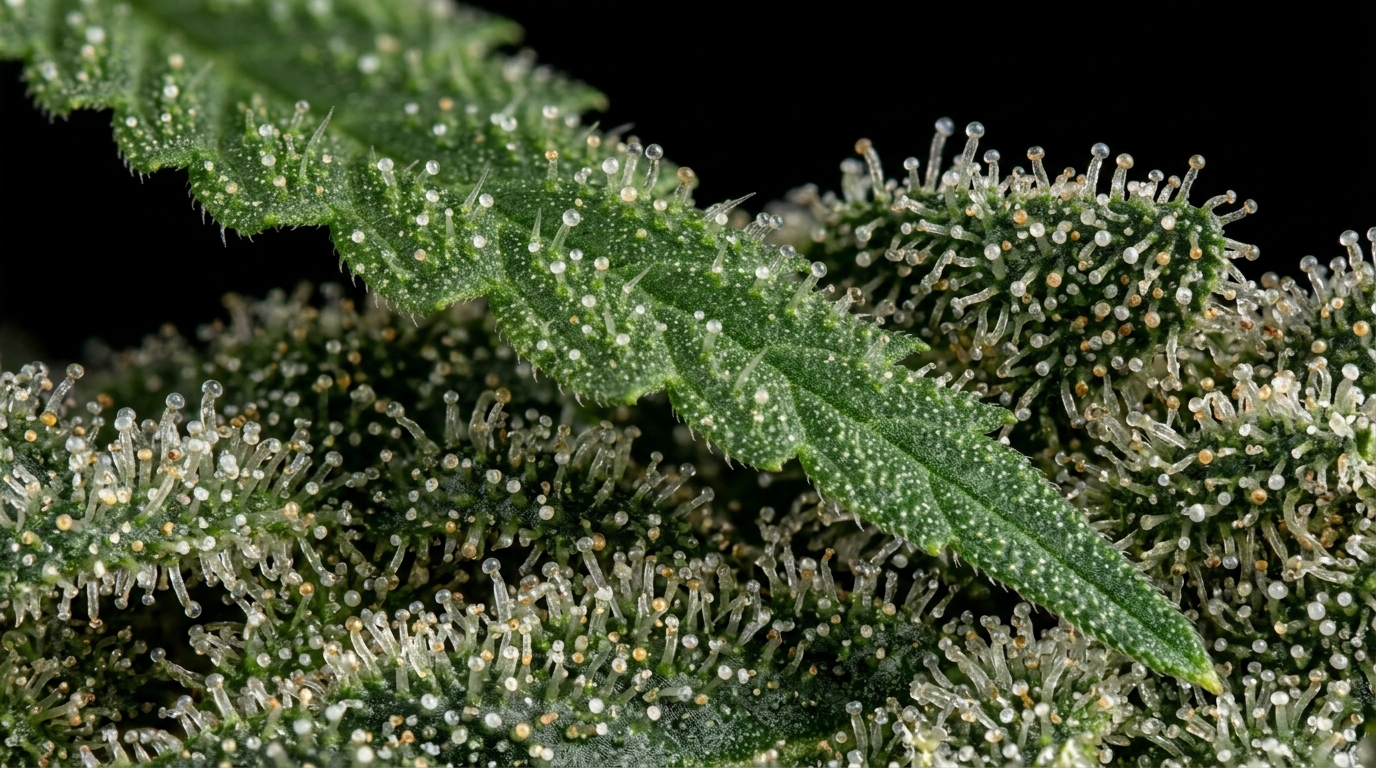
What Is Photoperiod Cannabis?
Photoperiod cannabis plants respond to the ratio of daylight to darkness as their primary signal for shifting from vegetative growth into flowering. This biological response, called photoperiodism, is shared with many other flowering plant species. The plant essentially reads the length of the dark period to decide whether conditions are right to reproduce.
I’ve been working with photoperiod genetics for over a decade, and the first thing I tell new growers is this: the dark period triggers flowering, not the light period. Your plant is counting uninterrupted darkness. Even a brief light leak during that dark window can confuse the plant, stall flowering, or cause stress-related hermaphroditism.
Research published in a study examining high-THC cultivars grown under 12-hour versus 13-hour days confirmed that even a one-hour difference in photoperiod can meaningfully affect floral development timing, yield, and cannabinoid accumulation. Small adjustments carry real consequences.
Why Photoperiod Matters for Your Grow
The light schedule you run directly determines how long your plant stays in veg, how large it gets before flowering, and how much harvestable biomass you produce. Growers who don’t understand this relationship often end up with plants that flower too early, stretch too tall, or never reach their genetic potential.
One of the biggest advantages of photoperiod plants is control. You decide when to flip. I’ve run vegging plants for 8 weeks, sometimes 12, depending on the strain and how much canopy I want to build. When I ran Gorilla Glue last fall, I kept her in veg for 10 weeks under 18/6, topped her three times, and ran a screen of green setup before flipping. The canopy management possibilities with a photoperiod pheno are genuinely hard to beat.
Research from a study on optimizing photoperiod switch to maximize floral biomass found that the timing of the flip from vegetative to flowering light schedules has a direct impact on both yield weight and cannabinoid density. Flip too early and you sacrifice yield. Flip too late indoors and you’re wasting electricity.
Did you know? Colorado sits at roughly 39 degrees north latitude. Outdoor photoperiod plants naturally begin receiving fewer than 12 hours of light around late August, which is when I start seeing pre-flowers on most strains in my outdoor beds. According to the Colorado Department of Agriculture, hemp and cannabis growers in the state must account for regional light cycles when planning outdoor cultivation schedules to avoid early flowering or compliance issues with THC thresholds.
Photoperiod vs. Autoflower: Practical Differences
Photoperiod plants differ from autoflowering varieties in one fundamental way: autoflowers flower based on age, not light schedule. Autoflowers carry genetics from Cannabis ruderalis, a subspecies that evolved in regions with unpredictable light cycles and developed the ability to flower automatically regardless of day length.
Photoperiods generally produce heavier yields and allow for more advanced training techniques. Autoflowers are faster and more forgiving for beginners. Neither is universally better. It depends entirely on your setup, your goals, and your timeline. I run both in my facility, but for premium terp expression and serious canopy work, I reach for photoperiod genetics every time.
The training flexibility is real. Because you control when flowering starts, you can spend as many weeks as you need running techniques like LST, topping, super cropping, or SCROG before the clock starts on your flower period. Seed-to-harvest time is longer overall. A typical indoor run looks like 4 to 12 weeks of veg (your choice) plus 8 to 12 weeks of flower depending on the strain.
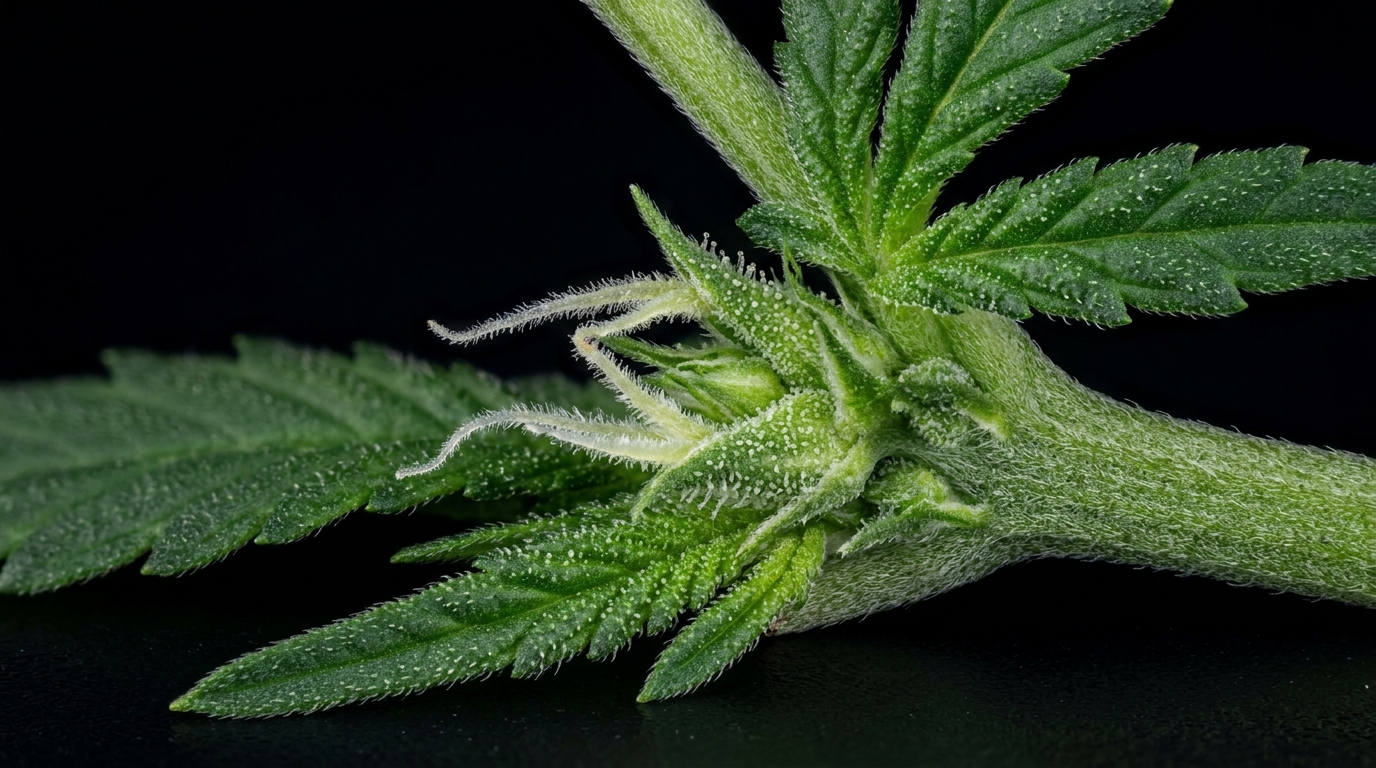
How to Grow Photoperiod Cannabis Indoors
Growing photoperiod cannabis indoors gives you total environmental control. The basic framework is straightforward: run 18 hours of light and 6 hours of darkness during veg, then switch to 12/12 when you’re ready to flower. But the details separate a good harvest from a great one.
Light leak prevention is non-negotiable. When I set up my current grow room, I spent an entire afternoon with a flashlight checking every seam, door gap, and cable entry point for light intrusion during the dark cycle. Some phenos are more forgiving than others, but I don’t gamble with it.
The transition period after flipping to 12/12 is called the stretch. Most photoperiod strains double or even triple in height during the first two to three weeks of flower. Plan your canopy height before you flip, because you can’t undo stretch once it starts. I usually flip when my plants are at about half the maximum height my space can accommodate.
Key Facts
✓ Photoperiod cannabis requires a shift to 12 hours of uninterrupted darkness to trigger flowering
✓ The dark period, not the light period, signals the plant to begin flower development
✓ Indoor growers control vegetative length by choosing when to flip the light schedule
✓ Outdoor photoperiod plants naturally begin flowering as days shorten in late summer
✓ Even a 1-hour difference in photoperiod can affect yield and cannabinoid levels, per peer-reviewed research
✓ Light leaks during the dark cycle can cause stress, hermaphroditism, or re-vegging
✓ Most photoperiod strains flower for 8 to 12 weeks after the light flip
Frequently Asked Questions
Which is better, autoflower or photoperiod?
Neither is objectively better. Photoperiod plants give you more control over vegetative growth, support advanced training techniques, and typically produce heavier yields per plant. Autoflowers are faster and more forgiving if your light schedule isn’t perfect. In my experience, beginners often do better starting with autos, while growers chasing yield and quality ceilings tend to gravitate toward photoperiods over time. Your setup and goals should drive the decision. Check out our cannabis glossary for more on both plant types.
How many weeks does a photoperiod plant take from seed to harvest?
Total time depends on how long you run veg and the specific strain’s flower time. A minimal indoor run might be 4 weeks of veg plus 8 weeks of flower, putting you around 12 to 14 weeks total from seed. More typical runs with 8 to 10 weeks of veg plus 9 to 11 weeks of flower can stretch to 20 weeks or more. Outdoor grows in most Northern Hemisphere climates run from a spring planting through an October or November harvest, depending on latitude and strain.
Can photoperiod plants re-veg after flowering starts?
Yes, and it’s a technique some growers use intentionally called monster cropping. If you revert a flowering plant back to an 18/6 light schedule, it will slowly return to vegetative growth, often producing a very bushy, branchy plant. Accidentally re-vegging mid-flower is frustrating though, and usually happens from light leaks or an inconsistent timer. Keep your timers on a UPS battery backup if you can. I learned that lesson the hard way during a power blip that cost me three weeks of progress on a promising White Widow pheno.
What light schedule is best for photoperiod cannabis in veg?
Most growers run 18 hours of light and 6 hours of darkness during vegetative growth. That’s my standard. Some growers push to 20/4 or even 24/0, arguing more light equals faster growth. Research suggests there are diminishing returns past 18 hours, and some strains actually benefit from a short rest period. I’ve run 20/4 on fast-growing sativas with solid results, but 18/6 is my default because it balances growth rate with electricity costs and equipment longevity.
Ready to grow your own photoperiod cannabis? Browse our selection of feminized photoperiod seeds, with genetics suited for both indoor light-controlled setups and outdoor seasonal grows.