
White Widow is a hybrid cannabis strain with 18-25% THC and myrcene-dominant terpenes, known for its woody flavor profile and happy and euphoric effects. Commonly chosen by those managing stress, anxiety, pain.
Quick Facts: White Widow
| Strain Type: | Hybrid |
| THC Content: | 18-25% |
| CBD Content: | 0.1% |
| Primary Effects: | Happy, Euphoric, Uplifted, Energetic, Creative |
| Flavors: | Woody, Earthy, Flowery, Pepper |
| Growing Difficulty: | Easy |
| Flowering Time: | 8-10 weeks |
| Best For: | Stress, Anxiety, Pain, Depression, Insomnia |
Last updated: February 28, 2026
The first thing that hits me with White Widow is the earthy, herbal aroma, layered with subtle spice and a faint citrus twist. It’s not the loudest strain, but there’s a quiet complexity lurking beneath that frosty exterior, myrcene leads the charge, but pinene and caryophyllene are right behind, shaping both smell and experience. White Widow is a hybrid cannabis strain bred from Brazilian sativa and South Indian indica parents, with THC levels of 18-25%. Among 4647 user reviews averaging 4.3/5, White Widow is celebrated for its uplifting, creative, and euphoric effects, science and experience are in rare balance here.
Origins and Genetics of White Widow
White Widow’s genetics are rooted in a cross between Brazilian sativa and South Indian indica landraces. This hybridization, first stabilized by Green House Seeds in the mid-1990s, was a deliberate attempt to capture both the cerebral energy of a classic sativa and the body-soothing calm of a rugged indica. The resulting strain is typically 60% indica and 40% sativa, though its effects and phenotype can swing either way, depending on the specific seed line. The breeder history is a bit contentious, Arjan and Shantibaba at Green House Seeds launched White Widow to global fame, right before it clinched the High Times Cannabis Cup in 1995. Since then, it’s become one of the most cloned, crossbred, and debated strains in the world. The original genetics are still hotly contested: some seedbanks claim to carry the “true” White Widow cut, but in reality, phenotype drift is common, and subtle differences in aroma and effect abound. I still remember the first time I cracked open a jar from a batch claimed to be “original” White Widow, the smell was fresh, but the buds looked slightly less crystalline than the legendary photos. This is where it gets really interesting: even minor environmental or genetic shifts can tilt the balance between earthy, spicy, and floral notes. White Widow’s hybrid status is not just for marketing, it’s genuinely bred for versatility and approachability. The Brazilian sativa parent brings a clear-headed euphoria, while the South Indian indica imparts dense trichome production and a grounding relaxation. This genetic base has also made White Widow the progenitor of numerous famous hybrids, including White Russian and Black Widow. If you’re fascinated by cannabis lineage, White Widow is a living snapshot of 1990s breeding philosophy: balance, resilience, and a focus on both growers and users.
Appearance, Aroma and Flavor Profile
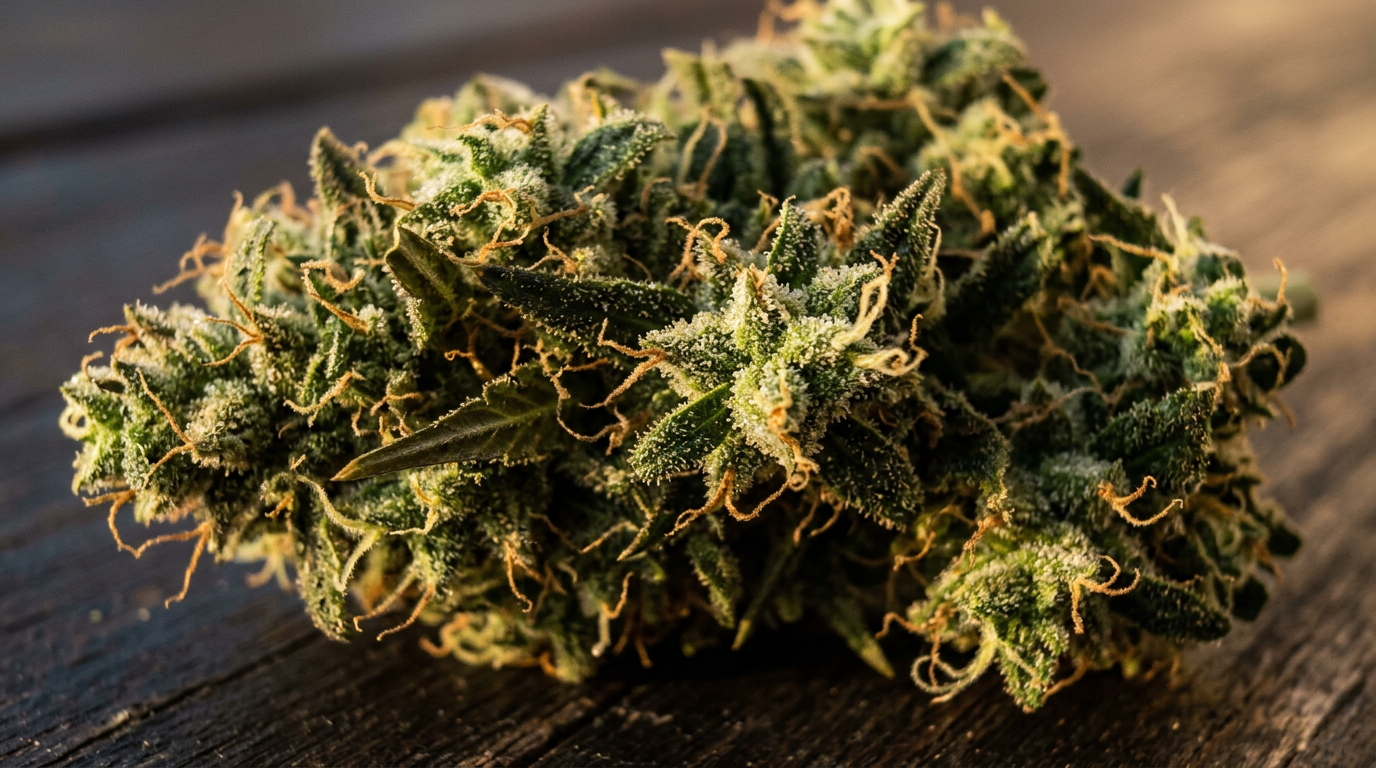
White Widow buds are visually striking, dense, medium-sized nuggets with a pale green base, sometimes streaked with deeper forest hues. The trichome coverage can be jaw-dropping, giving each bud a frosted, almost sugar-dipped appearance. Under the right light, you’ll see amber pistils weaving through a web of crystalline resin. It’s no wonder the strain got its name, these flowers look like they’ve been dusted with fresh winter snow. The dominant terpene is myrcene, responsible for White Widow’s earthy, herbal base and gentle sedative edge. Caryophyllene adds a noticeable peppery kick, while pinene and limonene provide faint notes of pine and citrus that peek through on the inhale. Some batches lean slightly floral or even sweet, but most users describe the nose as a subtle interplay between earth, spice, and undercurrents of wood or moss. I’ve occasionally caught a whiff of berry or sweet citrus, especially from slower-cured, well-grown phenotypes. Flavor mirrors aroma, on the dry pull, expect a gentle earthiness, followed by a peppery, almost musty bite that lingers on the tongue. On exhale, those secondary terpenes really shine: a breath of pine, a twist of lemon zest, and a faint sweetness that reminds me of wild berries after rain. Some users on Reddit mention the taste can be underwhelming from less cared-for grows (“terps were bland”), but in my own experience, a well-cured batch delivers a nuanced, satisfying smoke, never overwhelming, but quietly complex.
Effects and Experience
White Widow’s primary effects are happiness and euphoria, typically setting in within 10-15 minutes. Most users report feeling energized, uplifted, and creative, with a subtle undercurrent of physical relaxation that never quite tips into sedation. The onset is gentle but unmistakable, I often notice a mood lift and a light, buzzing clarity behind the eyes in the first 30 minutes. Mental effects are front and center: 62% of users report feeling happy, 57% euphoric, and 53% uplifted, according to 4647 reviews averaging 4.3/5. That’s a rare level of consensus for any hybrid. There’s a sociable, talkative edge that peaks within the first hour, making White Widow a favorite for group sessions, creative brainstorming, or tackling household projects with a grin. Physical effects are milder, expect a gentle body relaxation, but you won’t be glued to the couch. The experience timeline goes something like this: first 30 minutes, you feel a rush of energy and positivity. By the 60-minute mark, there’s a steady, mellow plateau, creative thoughts flow easily, and minor aches fade into the background. The comedown is smooth, with minimal drowsiness, making it suitable for daytime or early evening use. I tend to reach for White Widow when I need a spark of motivation or a gentle mood reset, never racy, never heavy, just a balanced, functional high.
“White Widow is my go-to for those days when I want to feel bright and clear, but still anchored in my body. The terpene mix is subtle but effective, myrcene keeps it grounded, while pinene and limonene make the mind race in the best way. It’s the rare hybrid that doesn’t leave me foggy or overstimulated.”
, Maya Chen, Cannabis Science Writer & Terpene Specialist
| Effect Category | Intensity (1-10) | Onset | Duration |
|---|---|---|---|
| Euphoria | 9 | 10-15 min | 2-3 hrs |
| Relaxation | 6 | 10-15 min | 2 hrs |
| Creativity | 8 | 15 min | 2+ hrs |
| Pain Relief | 5 | 20 min | 1.5-2 hrs |
| Appetite | 4 | 20-30 min | 1 hr |
| Sedation | 2 | 30+ min | Short |
💡 Quick tip: If you’re sensitive to racier sativas but still want a clear, happy high, White Widow strikes a beautiful balance, just mind your dosage to avoid overdoing the energy rush.
Medical Benefits and Therapeutic Uses
The most commonly reported medical use for White Widow is stress relief, according to user data. Many patients also turn to it for anxiety, depression, mild pain, and fatigue, thanks to the strain’s balanced THC (18-25%) and low CBD (typically below 1%). The entourage effect, where cannabinoids and terpenes work together, makes White Widow especially interesting for those looking for mood elevation without overwhelming sedation. Research suggests strains high in myrcene and caryophyllene (like White Widow) may provide anxiolytic and mild analgesic benefits. The gentle euphoria and creative lift can help those dealing with depressive symptoms, while the moderate physical relaxation takes the edge off achy muscles or headaches. In my own circles, several people with chronic stress or PTSD report White Widow allows them to function during the day without the “heavy head” common to stronger indicas. One medical user described being able to focus at work for the first time in months, thanks to the clear, non-sedating high. Dosing is key: most patients find that 1-2 moderate inhalations, or a small edible dose, are enough to unlock the mood and anxiety relief without tipping into paranoia or unwanted stimulation. Because the CBD content is low, those seeking strong anti-inflammatory or seizure-modulating effects may want to look at higher-CBD strains like CBD Cheese Seeds. For a deeper dive into cannabinoid and terpene-based therapies, the National Center for Complementary and Integrative Health offers an excellent primer: Cannabis and Cannabinoids.
Disclaimer: This article is for informational purposes only and does not constitute medical advice. Always consult with a qualified healthcare professional before using cannabis for medical purposes.
What the Community Says About White Widow
Several Reddit threads in r/microgrowery highlight White Widow as a forgiving, beginner-friendly strain that can bounce back from minor mistakes in nutrients or watering. Growers often remark on the dense trichome coverage, especially in later flowering, and some report yields of 500-600g/m² indoors with basic training techniques. Among community reviews, users consistently mention a balanced high that keeps them motivated without anxiety, one reviewer described switching from strictly high-THC modern strains back to White Widow for its “classic” effect that still holds its own today. In one Growdiaries log, a first-time grower managed nearly a pound from two outdoor plants, marveling at both the ease of cultivation and the quality of the finished buds. Medical users also speak up: a veteran with PTSD shared that White Widow helps manage daily symptoms without making him feel lethargic or disconnected. My own reaction to these stories? This is a rare strain that bridges experience levels, seasoned growers and new patients both find something to appreciate.
Growing White Widow: Complete Guide
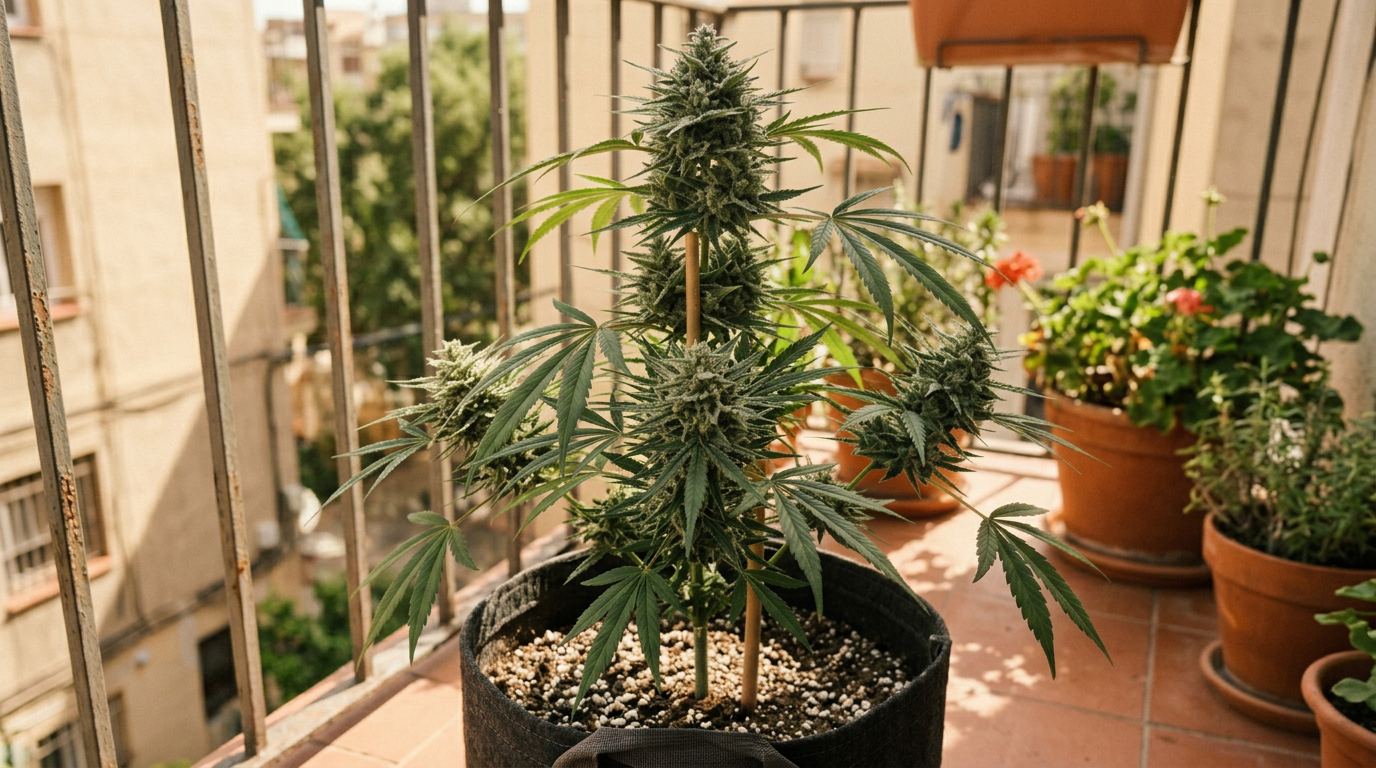
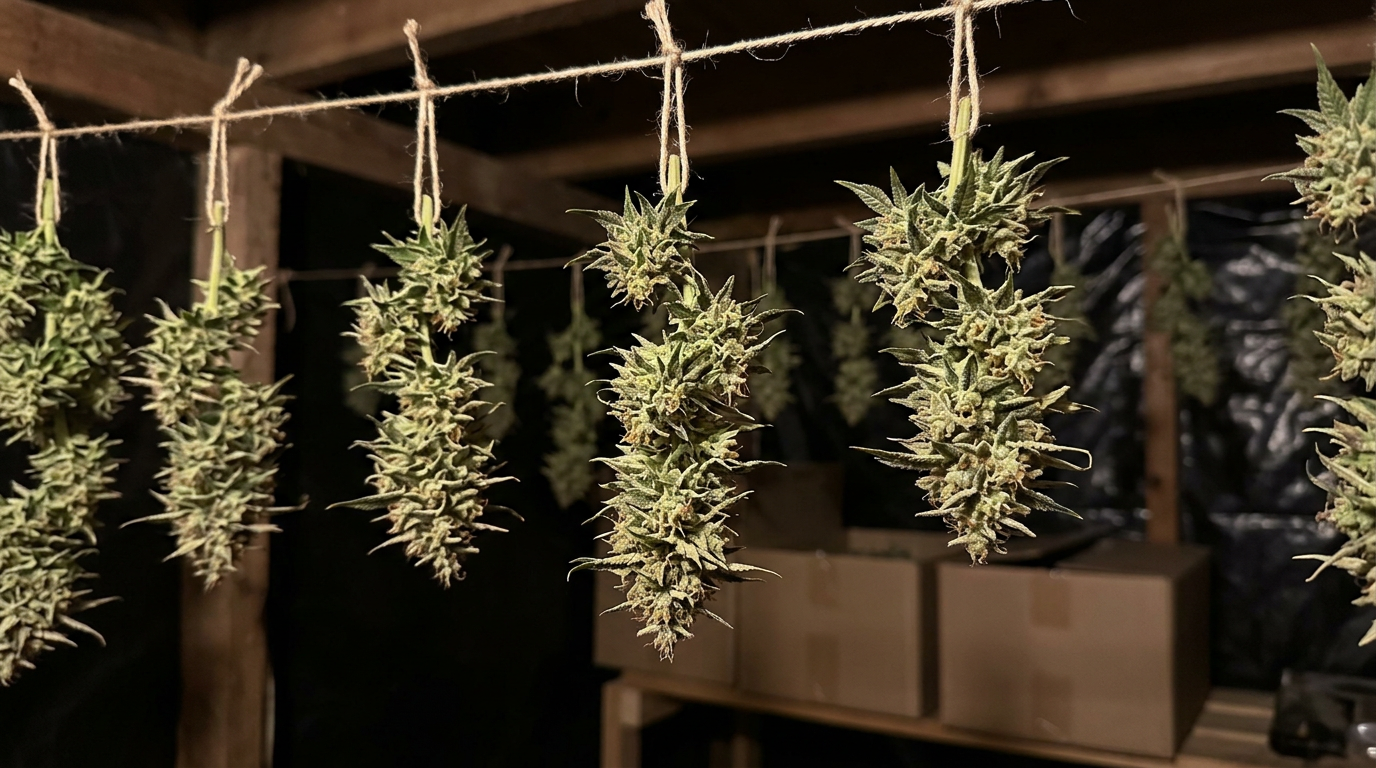
White Widow’s flowering time is 8-10 weeks indoors, making it a manageable choice for growers of all skill levels. The strain is known for being forgiving, beginners can get solid results even with minor mistakes, while experienced cultivators can push yields higher with techniques like LST or topping. Indoors, yields commonly range from 400-700g/m², with most growers on r/microgrowery reporting 450-600g/m² under average conditions. Outdoors, expect 150-250g per plant, though some have hit nearly 400g with ideal weather. Temperature and humidity are critical: keep flowering rooms below 30°C to avoid stress, and watch humidity in late bloom to prevent mold. Some phenotypes are more susceptible to botrytis, especially in dense canopies. Darrel Henderson, our in-house grower, pointed out that the myrcene-dominant phenotype tends to be more robust but can still show issues if airflow is poor during the final weeks. I’ve noticed that a slow, careful cure brings out the best aroma, rushing the dry process can dull the flavor and aroma considerably.
For outdoor growers, White Widow appreciates a mild, temperate climate and lots of sun. Watch for late-season rain, as dense buds can trap moisture and invite mold. For those looking to maximize yield with minimal fuss, White Widow offers similar grow requirements to Northern Lights,both strains are classics for a reason. If this terpene profile interests you, Get White Widow seeds here. Discreet shipping with germination guarantee.
Best Ways to Consume White Widow
The recommended vaporization temperature for White Widow is 175–185°C (347–365°F) to best preserve its terpene profile and nuanced flavor. Smoking delivers the classic earthy, peppery taste, but vaporizing at lower temps really lets the myrcene and pinene shine, think herbal, piney, and just a hint of citrus. Edibles made with White Widow tend to have a smoother, more gradual onset, with a gentle mood lift and less of the racy edge some sativas can bring.For concentrate fans, White Widow’s heavy trichome production makes it a reasonable choice for dry sift or bubble hash, though I find the flavor is best in flower or gentle extracts. One thing I always tell people, don’t overheat this strain if you want to experience the full spectrum of effects. Low and slow is the way to go.
White Widow vs Similar Strains
White Widow’s balanced genetics make it a natural point of comparison for other classic hybrids and their modern descendants. Let’s look at how it stacks up against three closely related strains:
White Widow vs Northern Lights Review
Both White Widow and Northern Lights share an indica-dominant heritage, but Northern Lights leans heavier on sedation and body relaxation, with a shorter flowering time (often 6-8 weeks). Choose Northern Lights for insomnia or pure body relief; pick White Widow when you want a clear head and a more social, creative vibe.
White Widow vs Girl Scout Cookies
Girl Scout Cookies is another hybrid with a rich terpene profile, but its effects are often heavier, with more pronounced couchlock and a sweeter, doughier flavor. GSC is best for deep relaxation or evening use, while White Widow’s energetic edge makes it more versatile throughout the day.
White Widow vs Wedding Cake Review
Wedding Cake shares White Widow’s dense trichome coverage and high THC potential, but brings a creamier, vanilla-tinged flavor and a more sedative finish. If you’re after mood elevation without drowsiness, White Widow is your go-to; for a heavier, dessert-like high, Wedding Cake takes the cake.
| Strain | Type | THC | Key Effects | Growing |
|---|---|---|---|---|
| White Widow | Hybrid (Indica-dominant) | 18-25% | Happy, Euphoric, Creative, Uplifted | Easy, 8-10 weeks, 400-700g/m² |
| Northern Lights | Indica | 16-21% | Relaxed, Sleepy, Body High | Very Easy, 6-8 weeks, 500-700g/m² |
| Girl Scout Cookies | Hybrid | 19-28% | Relaxed, Euphoric, Sedating | Medium, 9-10 weeks, 400-600g/m² |
| Wedding Cake | Hybrid | 20-25% | Relaxing, Euphoric, Sedating | Medium, 8-9 weeks, 450-650g/m² |
If you’re seeking energetic clarity, White Widow edges ahead; for deeper physical relief, try Northern Lights or Wedding Cake. Want a sweeter, heavier treat? GSC is your answer.
Potential Side Effects and Precautions
The most common side effects of White Widow are dry mouth and dry eyes, with occasional reports of paranoia or anxiety at higher doses. Those sensitive to THC or prone to anxiety should start low and go slow. Some users mention that commercial batches can be underwhelming in flavor or overly dry, so sourcing from a reputable grower or seedbank is key.
Frequently Asked Questions
What are the parent strains of White Widow?
White Widow is bred from Brazilian sativa and South Indian indica landraces. This hybridization gives it a balanced effect profile, combining clear-headed euphoria with grounding body relaxation. The original cross was stabilized by Green House Seeds in the 1990s and remains one of the most widely cloned genetics worldwide.
How long does White Widow take to flower indoors?
White Widow’s flowering time is 8-10 weeks indoors. This makes it a manageable strain for most growers, balancing quick turnaround with robust yield. Autoflower versions typically finish in 75-85 days from seed to harvest.
What makes White Widow’s aroma and flavor unique?
The dominant terpene in White Widow is myrcene, which provides an earthy, herbal aroma with subtle hints of spice and pine from caryophyllene and pinene. Some batches also reveal faint citrus or berry notes, especially when properly cured. The flavor is gentle, never overwhelming, with a clean finish.
Is White Widow good for anxiety or depression?
Many users report relief from anxiety and depressive symptoms due to White Widow’s uplifting, mood-stabilizing effects. Its moderate THC content (18-25%) and low CBD make it suitable for daytime use, but those prone to THC-induced anxiety should start with a low dose and monitor their response.
Why do some White Widow batches taste bland or lack aroma?
Variability in aroma and flavor is often due to phenotype differences and post-harvest processing. Batches grown with less attention to drying and curing can lose their terpene complexity, leading to a “bland” experience. Sourcing seeds from reputable breeders and focusing on proper curing can help ensure the best flavor profile.
White Widow is one of those rare strains that’s truly shaped by both its genetics and its environment. If you’re after a bright, functional high with just enough body, it’s worth growing or seeking out a well-cured batch. My advice? Trust your nose, if the aroma is subtle but layered, you’re in for a treat. And never underestimate the power of a careful cure, those terpenes make all the difference.
Related Strains You Might Enjoy
If you enjoyed this strain, you might also like Blue Dream, Wedding Cake, Runtz, Permanent Marker, AK-47, and Biscotti.