
Blue Dream is a hybrid cannabis strain with 21-28% THC and myrcene-dominant terpenes, known for its berry flavor profile and relaxed and happy effects. Commonly chosen by those managing stress, anxiety, depression.
Quick Facts: Blue Dream
| Strain Type: | Hybrid |
| THC Content: | 21-28% |
| CBD Content: | 0.1% |
| Primary Effects: | Relaxed, Happy, Euphoric, Creative, Uplifted |
| Flavors: | Berry, Blueberry, Sweet, Flowery |
| Growing Difficulty: | Easy |
| Flowering Time: | 8-10 weeks |
| Best For: | Stress, Anxiety, Depression, Pain, Insomnia |
Last updated: February 28, 2026
The first time I encountered Blue Dream, I was hit with a vibrant swirl of aromas, ripe blueberry, sweet earth, a twist of herbal spice, notes that instantly told me this strain was a terpene playground. Myrcene leads with its herbal warmth, but pinene and caryophyllene dance through the bouquet, each promising a distinct layer to the experience. Blue Dream is a hybrid cannabis strain created by crossing Blueberry and Santa Cruz Haze, with THC levels of 21-28%. Among community platform’s 14,861 reviews, it averages a robust 4.3/5, with users praising its euphoric clarity and pleasantly creative buzz. For me, this strain is like a science experiment in relaxation and focus, every session feels like rediscovering what cannabis can do.
Origins and Genetics of Blue Dream
Blue Dream’s genetic lineage is a cross between DJ Short’s Blueberry (indica) and Santa Cruz Haze (sativa), creating a sativa-dominant hybrid with roughly 60–70% sativa content. This parentage is more than a marketing note, it’s the reason Blue Dream delivers its signature blend of uplifting mental clarity and gentle body relaxation. Blueberry brings dense, resinous buds and that unmistakable berry aroma, while Santa Cruz Haze contributes the energetic, creative high and sweet herbal undertones. The original breeding traces back to Santa Cruz, California, where Blue Dream quickly gained traction among West Coast growers for its robust growth and consistent yields. What’s fascinating is how this strain became the “standard” hybrid in dispensaries, especially up and down the California coastline. In fact, its popularity led to a flood of phenotypes on the market, some true to type, others a shadow of the original. I remember the first time I compared two Blue Dream batches side by side: the difference in aroma and potency was remarkable, a direct lesson in the importance of genetics and phenohunting. Darrel Henderson once pointed out that Blue Dream’s high myrcene content makes it one of his most terpene-rich grows, especially by week 7 when the aroma peaks. This genetic combination, robust Blueberry structure with the resinous, sativa-leaning Haze vigor, is a big reason why Blue Dream is both forgiving for beginners and rewarding for connoisseurs.
Appearance, Aroma and Flavor Profile
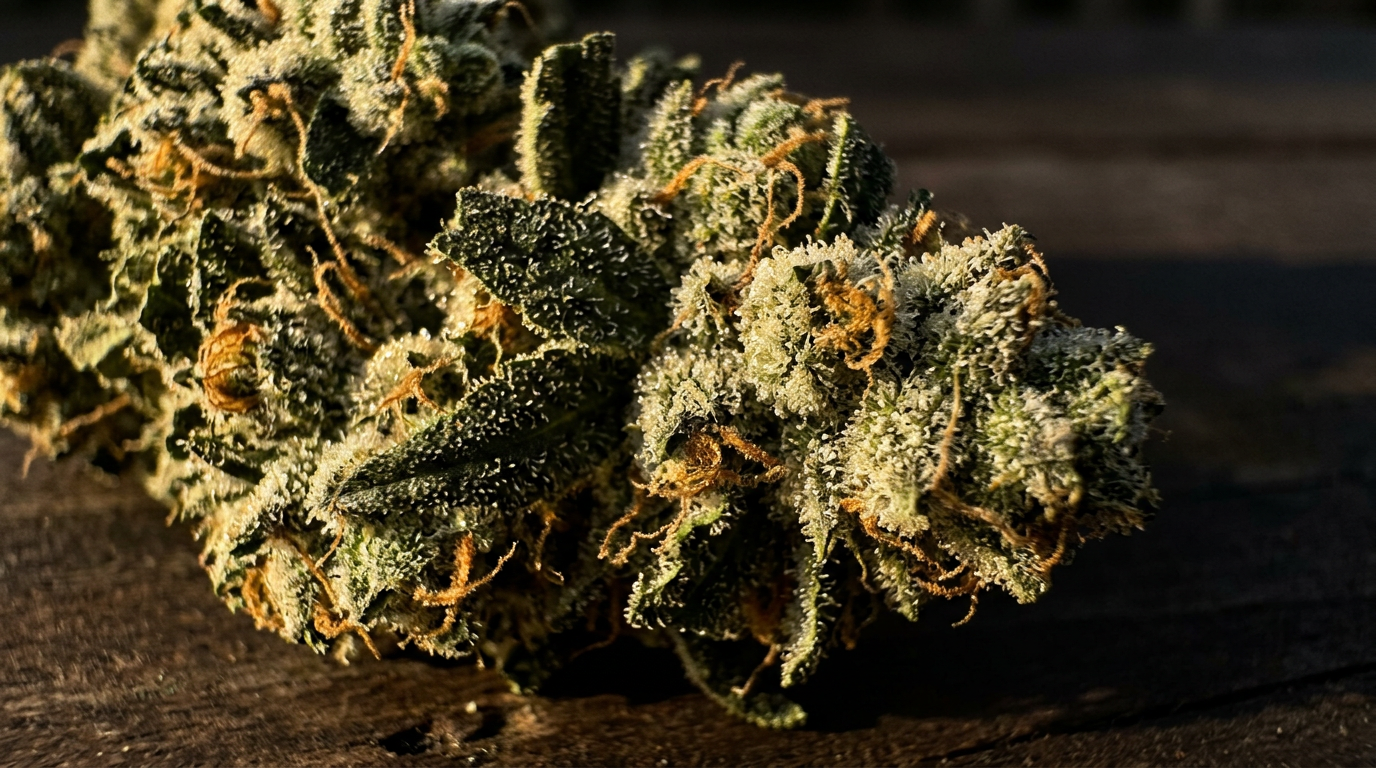
Blue Dream buds are a visual treat: large, elongated, and generously dusted with a silvery layer of trichomes that seem to glow against the blue-green calyxes. Subtle violet and indigo streaks peek through the dense foliage, sometimes more pronounced in cooler grows or late-harvested outdoor plants. The bud structure is somewhere between the compact heft of Blueberry and the looser, fox-tailed look of traditional Haze. Crack open a jar, and the dominant scent is unmistakably blueberry, ripe, slightly tart, with a sugar-kissed finish. This unmistakable aroma comes primarily from myrcene (0.70%), which also imparts earthy and herbal notes, grounding the sweeter berry. Pinene (0.58%) threads in a sharp, piney brightness, while caryophyllene (0.22%) lends a subtle, peppery spice you can taste on the exhale. There’s an undercurrent of citrus, thanks to limonene, though it’s a supporting note rather than the main event. On the palate, Blue Dream starts sweet and fruity, reminiscent of a fresh berry compote with a hint of vanilla. As the smoke (or vapor) settles, earthy and spicy flavors linger, occasionally revealing a floral twist from linalool. I find the finish surprisingly smooth; it’s one of the few strains I can enjoy in a joint without any harshness. The interplay of terpenes here isn’t just for show, their ratios shape the effect profile as much as the flavor.
Effects and Experience
Blue Dream’s primary effects are relaxation and euphoria, typically kicking in within 10–15 minutes. The onset is gentle, building gradually into a clear-headed, uplifted high that balances mental stimulation with a soft, full-body calm. For most, the experience unfolds in three phases: an initial cerebral rush (creativity, focus), a plateau of mellow happiness (relaxation, euphoria), and a slow, easy comedown with minimal sedation. In the first 30 minutes, I often notice a mental “spark”,ideas flow more easily, conversation feels lighter, and there’s a distinct sense of motivation. This is where the sativa genetics shine. As the high peaks, relaxation washes in without heavy couchlock, making Blue Dream ideal for daytime use or creative projects. Physical effects are subtle but soothing, muscles relax, but I never feel weighed down. The high typically lasts two to three hours, with a gradual fade that leaves me clear-headed. Among community platform’s 14,861 reviews, 63% report feeling happy, 56% euphoric, 55% relaxed, and 53% uplifted. Creativity is frequently mentioned, 41% tagged this effect, making Blue Dream a favorite for artists and writers. I relate: some of my best brainstorming sessions started with a bowl of Blue Dream and a blank notebook.
“Blue Dream is my go-to when I want to feel focused but not wired, social but never scattered. The terpene synergy here is textbook ‘entourage effect’,I always walk away feeling both relaxed and genuinely inspired. If every hybrid hit like this, my notebook would be twice as full.”
, Maya Chen, Cannabis Science Writer & Terpene Specialist
| Effect Category | Intensity (1-10) | Onset | Duration |
|---|---|---|---|
| Euphoria | 8 | 10-15 min | 2-3 hrs |
| Relaxation | 7 | 15 min | 2 hrs |
| Creativity | 7 | 20 min | 2-3 hrs |
| Pain Relief | 5 | 25 min | 2 hrs |
| Appetite | 4 | 30 min | 1-2 hrs |
| Sedation | 3 | 45 min | 1 hr |
💡 Quick tip: Blue Dream’s uplifting effect makes it a fantastic daytime strain, but if you’re prone to anxiety, start with a small dose and work up slowly. The pinene and caryophyllene content can make the high feel sharper in large amounts.
Medical Benefits and Therapeutic Uses
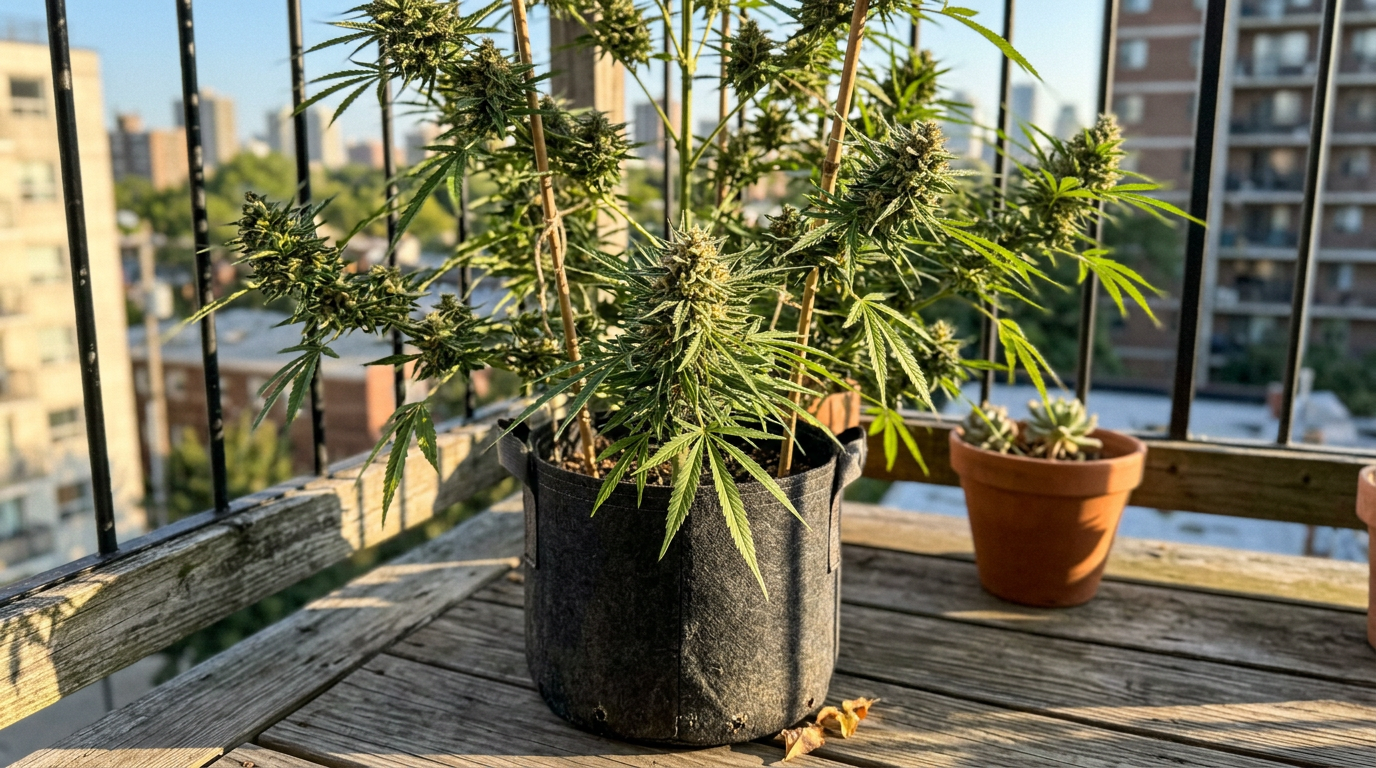
The most commonly reported medical use for Blue Dream is stress relief, according to community data. With its moderate THC content (21–28%) and low CBD (<1%), Blue Dream offers a balanced profile for daytime symptom management without heavy sedation. Among community platform’s 14,861 reviews, 38% mention relief from stress, 33% from anxiety, and 29% from depression, while 27% note benefits for pain and 13% for insomnia. This is where the entourage effect gets really interesting: the combination of myrcene, pinene, and caryophyllene may contribute to both mood elevation and mild analgesia. Myrcene is believed to enhance muscle relaxation, while pinene’s anti-inflammatory potential could help with minor aches. Caryophyllene, a rare terpene that activates CB2 receptors, adds another layer of potential anti-anxiety benefit, though research is still emerging. Many patients report that Blue Dream helps them stay functional and clear-headed, even when dealing with chronic pain or low moods. I’ve spoken with several medical users who prefer Blue Dream over heavier indicas for daytime use, especially when they want to avoid couchlock or cognitive fog. Dosage is crucial; for new patients, I always recommend starting with a single inhalation or a 2.5–5mg edible, then waiting 60–90 minutes before increasing. For those seeking chronic pain or anxiety relief, Blue Dream’s blend of terpenes and sativa-leaning high can offer gentle relief without overwhelming sedation. Still, the lack of substantial CBD means it may not be suitable for severe conditions or those extremely sensitive to THC. For more information on cannabis and anxiety, government resources like this NCCIH overview are a good starting point.
Disclaimer: This article is for informational purposes only and does not constitute medical advice. Always consult with a qualified healthcare professional before using cannabis for medical purposes.
What the Community Says About Blue Dream
Among community platform’s 14,861 reviews, Blue Dream is often called the “coffee of weed”,dozens of users say it helps them launch into the day with energy and focus. One user shared that after a session, they “talked to themselves for an hour and had the best ideas ever,” capturing the strain’s creative spark. On Reddit’s r/microgrowery, growers consistently pull 500–600g/m² indoors, especially when using SCROG or LST methods. Many note the plant’s forgiving nature, making it a favorite for first-time cultivators and veteran hobbyists alike. The only recurring complaint: some commercial batches are “too mild” or lack the signature blueberry flavor, highlighting just how much phenotype and cure quality matter. In Growdiaries logs, outdoor yields can hit 700–800g per plant under optimal conditions, but mold risk is real, especially in humid climates. I always smile at the story of the user who cleaned their whole house after a Blue Dream session, then forgot why they started in the first place. I’ve been there, sometimes the terpenes do the organizing for you.
Growing Blue Dream: Complete Guide
Blue Dream’s flowering time is 8–10 weeks indoors, making it a moderate-difficulty strain for growers of all skill levels. Indoors, expect yields of 400–600g/m², with outdoor plants producing 500–800g per plant if you give them enough root space and sun. The plant is robust and vigorous, but can get tall, training or SCROG is almost essential indoors to control height and maximize bud sites. I’ve helped friends set up Blue Dream grows in both tents and greenhouses, and the biggest challenge is always mold. The dense, sticky buds need solid airflow and humidity control, especially late in flower. Outdoor growers should plan for harvest from late September to early October in temperate climates, watch the weather forecast for rain, and don’t be afraid to harvest a bit early to avoid rot.
Darrel once told me that Blue Dream loves light and nutrients, but cautioned not to overdo the nitrogen in flower, too much, and you’ll lose resin production. Across Growdiaries, growers who dial in their training and keep humidity below 50% in late flower see the biggest, frostiest buds. If this terpene profile interests you, Get Blue Dream seeds here. Discreet shipping with germination guarantee.
Best Ways to Consume Blue Dream
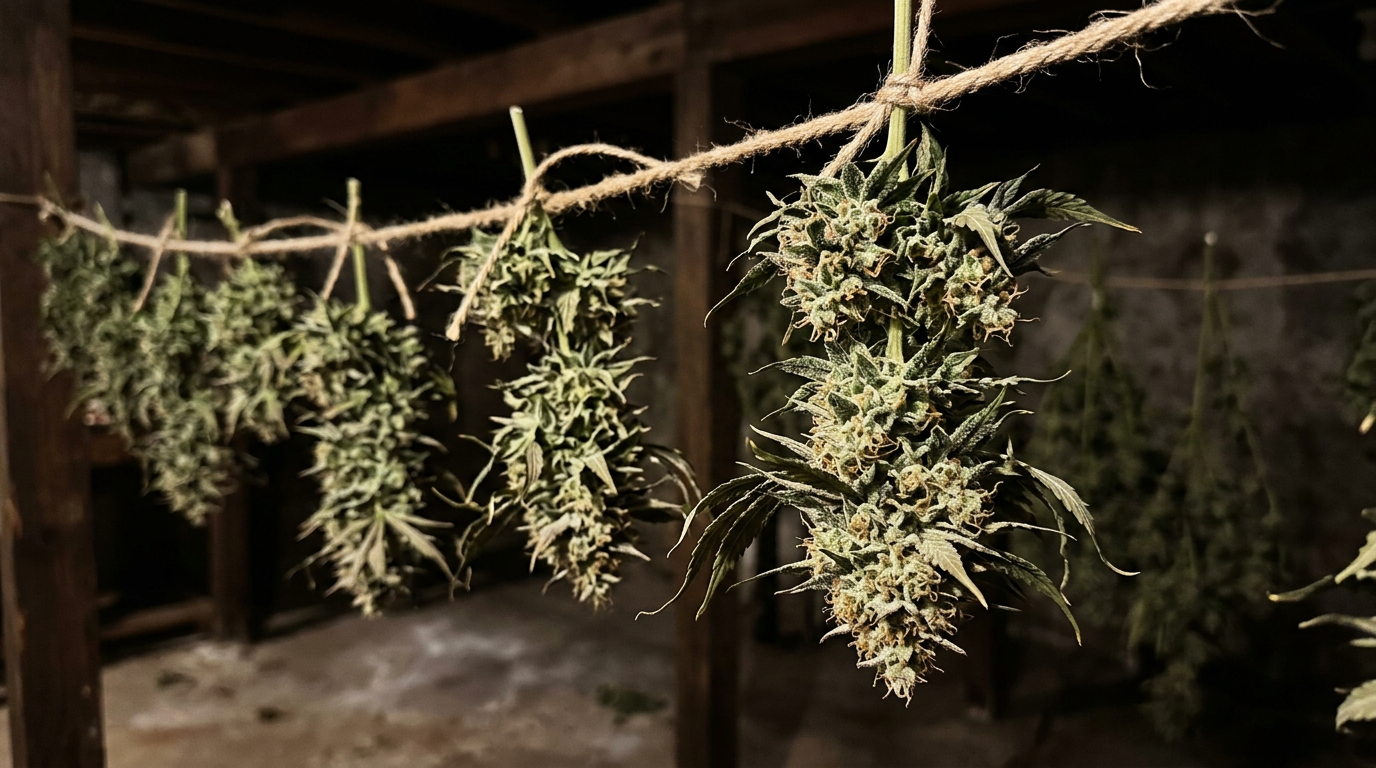
The recommended vaporization temperature for Blue Dream is 175–185°C (347–365°F) to preserve its terpene profile and maximize flavor. Smoking in a clean glass pipe or joint brings out the sweet berry notes, but I find vaporizing at 180°C really lets the myrcene and pinene shine, herbal, fruity, and just a touch spicy. Edibles made with Blue Dream tend to deliver a mellow, uplifting effect, though onset is slower and body relaxation is more pronounced. For concentrate fans, Blue Dream shatter and live resin can pack a serious punch, but some of the subtler berry notes may be lost with high-heat extraction.
💡 Quick tip: If you want the full flavor spectrum, try Blue Dream in a dry herb vaporizer at 180°C, it’s the best way to capture the blueberry, pine, and earthy undertones in one inhale.
Blue Dream vs Similar Strains
Blue Dream vs Jack Herer
Both Blue Dream and Jack Herer are sativa-dominant hybrids with creative, uplifting effects, but Blue Dream’s myrcene-driven blueberry aroma sets it apart. Jack Herer typically tests around 18–23% THC and features a sharper, pine-forward flavor (pinene dominance). Choose Blue Dream if you want fruitier flavor and softer body relaxation; Jack Herer is better for pure mental clarity.
Blue Dream vs Girl Scout Cookies
Blue Dream (Blueberry x Santa Cruz Haze) and Girl Scout Cookies (OG Kush x Durban Poison) differ in both genetics and effect profile. GSC’s THC often reaches 21–28%, with heavier sedation and a dessert-sweet, earthy profile (caryophyllene and limonene). Blue Dream is more energizing and creative, while GSC leans toward body relaxation and couchlock, pick GSC for evenings, Blue Dream for productive days.
Blue Dream vs Granddaddy Purple
While Blue Dream is sativa-dominant and upbeat, Granddaddy Purple is a pure indica famous for its grape-berry aroma and deep body sedative effects. Granddaddy Purple’s typical THC is 21–28%, with high myrcene and linalool for serious muscle relaxation. Reach for Blue Dream when you want mental uplift and clear-headedness; choose Granddaddy Purple for winding down and sleep support.
| Strain | Type | THC | Key Effects | Growing |
|---|---|---|---|---|
| Blue Dream | Sativa-dominant hybrid | 21–28% | Euphoric, Relaxed, Creative | 8–10 wks, 400–600g/m² |
| Jack Herer | Sativa-dominant hybrid | 18–23% | Energetic, Focused, Uplifted | 8–10 wks, moderate yield |
| Girl Scout Cookies | Hybrid | 22–28% | Relaxed, Euphoric, Sedative | 9–10 wks, moderate yield |
| Granddaddy Purple | Indica | 17–23% | Body High, Sedative, Relaxed | 8–9 wks, 400–500g/m² |
I reach for Blue Dream when I want daytime creativity and a clear mind, but switch to Granddaddy Purple or Girl Scout Cookies if my body’s calling for deeper relaxation.
Potential Side Effects and Precautions
The most common side effects of Blue Dream are dry mouth and dry eyes, with occasional reports of mild paranoia at high doses. Those with low THC tolerance or a history of anxiety should start low, as the sativa component can feel racy to sensitive users. I’ve noticed that poorly cured or misidentified “Blue Dream” can sometimes feel underwhelming or lack the signature flavor.
Enjoy responsibly, wait at least 20 minutes between doses, especially with edibles or concentrates.
Frequently Asked Questions
What are Blue Dream’s parent strains?
Blue Dream is a cross between DJ Short’s Blueberry (indica) and Santa Cruz Haze (sativa). This genetic combination gives Blue Dream its signature blueberry aroma and uplifting, creative effects. Many commercial phenotypes lean sativa, but the original blend is about 60–70% sativa.
What does Blue Dream taste and smell like?
Blue Dream features a dominant blueberry aroma with sweet, fruity, earthy, and herbal notes. The flavor is similar, fruity on the inhale, with an earthy, spicy finish from myrcene, pinene, and caryophyllene terpenes.
How long does Blue Dream flower, and what’s the average yield?
Blue Dream’s flowering time is 8–10 weeks indoors, with indoor yields of 400–600g/m² and outdoor yields up to 800g per plant in optimal conditions. Training and good airflow are key for best results.
Is Blue Dream good for anxiety?
Blue Dream is frequently used for stress and mild anxiety, with Some users citing anxiety relief. That said, its sativa-leaning high can feel overwhelming at high doses for sensitive users. Start with a low dose and assess your response.
Why do some Blue Dream batches feel weak or different?
Variation in Blue Dream effects is often due to genetic drift, grower practices, and cure quality. With so many phenotypes and seed sources on the market, not every batch captures the original terpene and cannabinoid profile. Always check aroma and lab results when possible.
If you’re after a strain that truly lets you experience the interplay of terpenes and cannabinoids, Blue Dream is a fascinating case study. I recommend it to anyone curious about daytime hybrids with a creative edge, just remember, not all Blue Dream is created equal. Trust your nose, start low, and enjoy the science in every session.
Related Strains You Might Enjoy
If you enjoyed this strain, you might also like OG Kush, Gorilla Glue, Runtz, and Northern Lights.