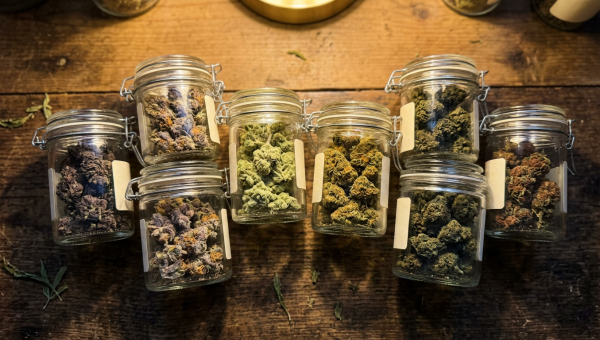
I’ll tell you what, there’s nothing quite like that moment when the right indica strain settles into your bones after a long Texas day. The porch is cool, the crickets are singing, and somewhere between the second hit and the bottom of your sweet tea, your eyelids start making a very convincing argument for bed. I’ve spent years chasing that feeling, both as a grower and as someone who’s wrestled with the kind of restless nights that leave you staring at the ceiling at 3 a.m. wondering if your brain has a mute button. Cannabis, specifically the right indica strains, has been one of the most talked-about natural sleep aids in the community, and for good reason. But not all indicas are created equal, and the science behind why some strains put you out like a light while others have you reorganizing your sock drawer at midnight is genuinely fascinating.
This isn’t just another list of strain names with vague descriptions. I want to walk you through the actual cannabinoid and terpene profiles that drive the sedative experience, break down which strains the community keeps coming back to, and give you the real talk on consumption methods, dosing, and why your buddy’s knockout strain might keep you wired. Whether you’re in California, Colorado, Oregon, or one of the growing number of legal states across the US, this guide is built to help you find your perfect night-cap strain. Let’s get into it.
- Why Indica Strains Are the Community’s Go-To for Sleep
- The Top Indica and Indica-Dominant Strains for Sleep, Profiles That Actually Matter
- The Terpene Science: What’s Actually Making You Sleepy
- Consumption Methods: How You Take It Matters as Much as What You Take
- Dosing for Sleep: The Minimum Effective Dose Principle
- Indica vs. Indica-Dominant Hybrids: Which Actually Wins for Sleep?
- Growing Your Own Sleep Strains: The Outdoor Grower’s Perspective
- Individual Variation: Why Your Knockout Strain Might Keep Your Friend Awake
- The Broader Sleep Toolkit: Cannabis Products Beyond Flower
Why Indica Strains Are the Community’s Go-To for Sleep
Indica is thought to be more calming and may help produce feelings of relaxation and sleepiness, according to Leafly, and patients who report using cannabis for insomnia tend to reach for indica-dominant varieties, believing them to be sedating and calming. But the “indica vs. sativa” framing is a bit of an oversimplification, what we’re really talking about when we say an indica puts you to sleep is a specific combination of cannabinoids and terpenes that work together to ease your nervous system into rest mode.
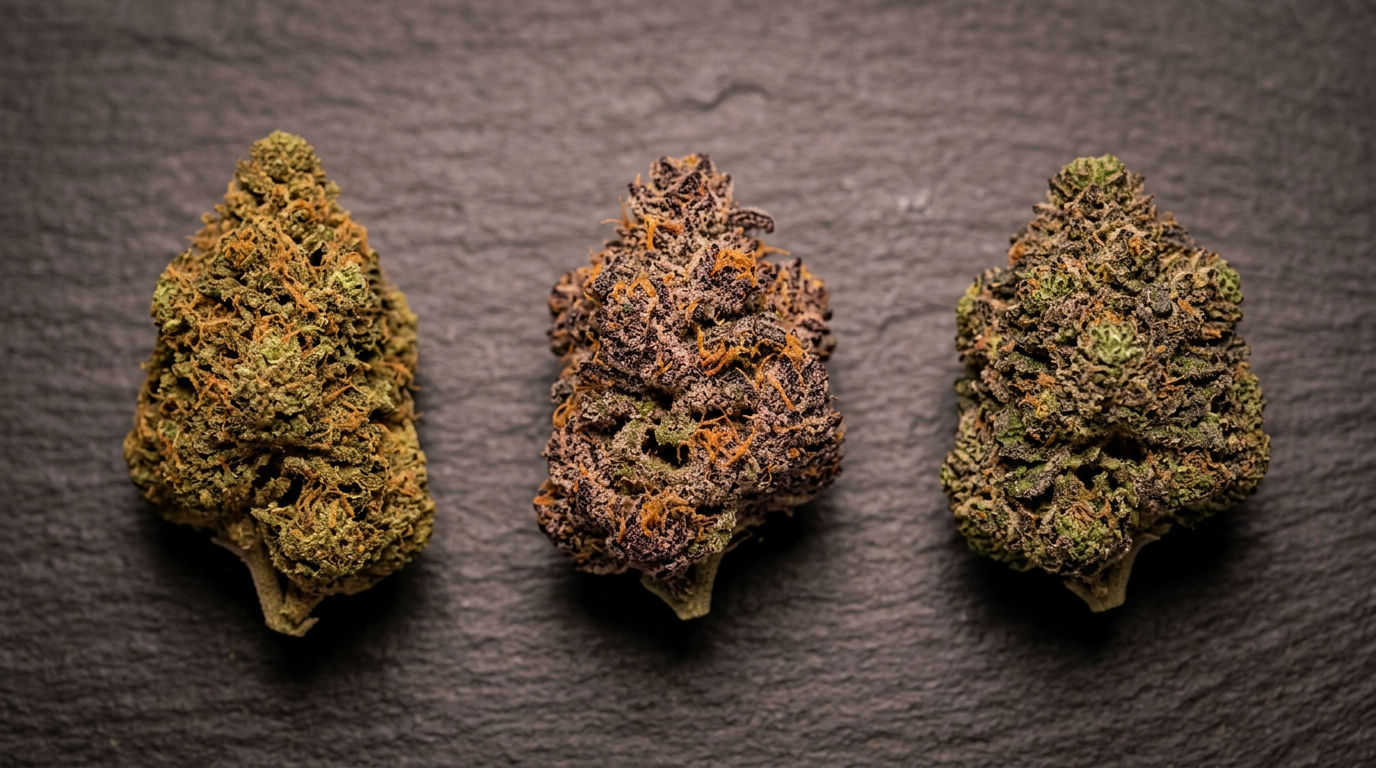
The key players here are THC, CBD, and a handful of terpenes, particularly myrcene, linalool, caryophyllene, and terpinolene. Indica strains generally contain higher CBD content and elevated levels of myrcene compared to their sativa counterparts, and myrcene is widely associated with those heavy, couch-lock feelings. To understand the full picture of how terpenes shape your experience, cannabis terpenes and aromatic science becomes essential knowledge. Myrcene works synergistically with THC in what researchers call the “entourage effect”, essentially, the whole cannabinoid and terpene package is greater than the sum of its parts.
There’s an important nuance worth addressing here, though. Research suggests that while THC may initially promote sleep, it can alter sleep architecture over time, particularly suppressing REM sleep with long-term use. CBD, on the other hand, appears to improve sleep quality without the psychoactive effects and without the same long-term architectural disruption. This is why many experienced cannabis users seeking sleep support gravitate toward strains with balanced THC-to-CBD ratios or lean on CBD Oil as a complementary tool rather than relying solely on high-THC flower night after night.
The Cannabinoids at work in your sleep strains are doing a lot of heavy lifting. CBN (cannabinol), which forms as THC ages and oxidizes, has also gained a reputation in the community as a particularly sedative cannabinoid, and you’ll find CBN-forward products marketed specifically for sleep in dispensaries across legal states like Washington, Michigan, and Illinois.
The Top Indica and Indica-Dominant Strains for Sleep, Profiles That Actually Matter
Rather than just rattling off names, let me give you the full picture on each of these strains, what’s in them, what they feel like, and why the community keeps reaching for them when the lights go out.
Northern Lights, The Old Faithful of Sleep Strains
If there’s a strain that’s earned its place in the sleep hall of fame, it’s Northern Lights. One of the most popular indica strains of all time, Northern Lights is loved for its reported ability to relax the body and calm the mind, according to Weedmaps. This is an almost pure indica with genetics tracing back to Afghani landrace strains, the same ancient genetics that have been putting people to sleep in the Hindu Kush mountain range for centuries.
The terpene profile on Northern Lights leans heavily on myrcene, with supporting notes of caryophyllene and pinene. That myrcene dominance is a big part of why it hits so differently from a sativa, it creates a thick, full-body relaxation that starts in the shoulders and works its way down. I’ve grown Northern Lights outdoors here in central Texas, and I’ll tell you, there’s something poetic about watching those dense, resinous buds develop under the August sun knowing they’re going to be your October sleep remedy. The high is described as dreamy and euphoric before transitioning into deep physical sedation, exactly what you want when you’re trying to shut your brain down for the night.
Granddaddy Purple, The Purple Royalty of Bedtime
Granddaddy Purple’s cozy hug – pure bliss is the strain I most often recommend to friends in Texas who are new to cannabis for sleep. GDP, as it’s affectionately known, is a California-bred indica cross of Purple Urkle and Big Bud, and it carries one of the most distinct terpene profiles in the sleep-strain category. Where Northern Lights leans on myrcene, GDP brings a significant linalool presence alongside myrcene and caryophyllene. Linalool, the same terpene that makes lavender aromatherapy effective, has documented calming and anxiolytic properties, which makes GDP particularly useful for people whose insomnia is driven by anxiety rather than just physical restlessness.
The visual experience alone is part of the ritual, those deep purple buds with orange hairs are genuinely beautiful, and if you want to understand why cannabis turns purple, Everything You Need To Know About Purple Weed breaks down the science perfectly. GDP produces a classic “grape and berry” aroma that makes the pre-bed smoke feel intentional and ceremonial rather than just functional. Users consistently report a heavy body high with a gentle cerebral euphoria that fades into sleep without a jarring transition.
Bubba Kush, The Reddit Community’s Favorite Knockout
If you spend any time in cannabis communities online, you’ll notice Bubba Kush comes up again and again in sleep discussions. The Reddit community has repeatedly flagged Kush varieties in general, and Bubba Kush specifically, as reliable for deep sleep, and this tracks with the strain’s genetics. Bubba Kush carries strong Afghan indica heritage, which means it’s working with some of the most deeply sedative genetics in the cannabis family tree. Afghan and Hindu Kush strains are considered prototypical sleep-inducing indicas by the community, and Bubba Kush is essentially that heritage refined for modern palates.
The terpene profile here is dominated by myrcene and caryophyllene, with notable limonene. The caryophyllene is particularly interesting from a sleep perspective, it’s the only terpene known to interact directly with the body’s endocannabinoid system as a CB2 receptor agonist, and it has documented anti-inflammatory and anxiolytic properties. If your sleeplessness is connected to chronic pain or inflammation, which is common for a lot of folks in physically demanding jobs, Bubba Kush’s caryophyllene content makes it a particularly smart choice. The Biscotti: The Caryophyllene-Rich Hybrid with a Creamer High and Dessert Flavors strain shares this terpene emphasis if you’re looking for something with a similar therapeutic angle but a more dessert-forward flavor.
Gorilla Glue #4, The Heavy Hitter That Glues You to the Mattress
Gorilla Glue’s Sticky Symphony: Genetics & Terpene Architecture is one of those strains that demands respect. GG4, now officially called Original Glue, is technically an indica-dominant hybrid, and the Reddit community frequently recommends it specifically for deep, sustained sleep. What makes GG4 interesting from a sleep science perspective is its exceptionally high THC content combined with a caryophyllene and myrcene-dominant terpene profile. The combination creates what experienced users describe as a “full system shutdown”, heavy limbs, quiet mind, and an almost immediate desire to be horizontal.
I’ll be honest with you: GG4 is not a strain for beginners chasing sleep. The potency can tip into anxiety-inducing territory if you push the dose, which is the opposite of what you want at bedtime. But for experienced consumers with some tolerance, this strain’s couch-lock reputation is well-earned and well-loved. The key is finding your minimum effective dose, more on that in the dosing section below.
Ice Cream Cake, The Modern Indica Hybrid That Delivers
Ice Cream Cake’s Creamy Myrcene-Limonene Elixir represents the newer generation of sleep-focused indica hybrids, and it’s become one of my personal favorites to grow outdoors. A cross of Wedding Cake and Gelato #33, Ice Cream Cake carries a creamy, vanilla-forward terpene profile built on myrcene and limonene with caryophyllene rounding out the base. The limonene might make you think “energizing,” but in the context of an indica-dominant hybrid with this cannabinoid profile, it actually smooths out the transition into sleep, reducing anxiety without the heavy sedation hitting so hard that you wake up groggy.
This is actually a great example of why indica-dominant hybrids are often considered the optimal choice for sleep over pure indicas. You get the sedative body effect without feeling like you’ve been hit by a freight train, and the morning-after experience is typically cleaner. Ice Cream Cake is widely available across legal dispensaries in states like Oregon, Nevada, and Massachusetts, and it’s one of the strains I’d point to as a perfect entry point for people transitioning from pharmaceutical sleep aids.
Slurricane, The Underdog Sleep Strain Worth Knowing
Slurricane’s dense frost and terps doesn’t get enough credit in sleep conversations, and that’s a shame. This Do-Si-Dos and Purple Punch cross brings a terpene profile that’s genuinely impressive for sleep purposes, heavy myrcene, significant linalool, and a grape-forward flavor that makes the experience feel luxurious. The Purple Punch parentage brings in that same linalool-rich, anxiety-calming quality that makes Granddaddy Purple so effective for stress-driven insomnia, while the Do-Si-Dos side adds a deeper, more physical sedation.
Growing Slurricane outdoors requires some patience, she can be finicky about humidity and prefers a dry climate, but the payoff is extraordinary. The buds are dense, frosty, and aromatic in a way that makes your drying room smell like a grape candy factory. Darrel Henderson has some excellent notes on managing humidity-sensitive indica strains during the late flowering stage that are worth checking out if you’re planning to run Slurricane in a humid Southern climate.
The Terpene Science: What’s Actually Making You Sleepy
Understanding terpenes is the difference between randomly picking sleep strains and actually knowing what you’re looking for. Beyond myrcene, which gets most of the attention, there are several other terpenes in the sleep-strain toolkit that deserve recognition.
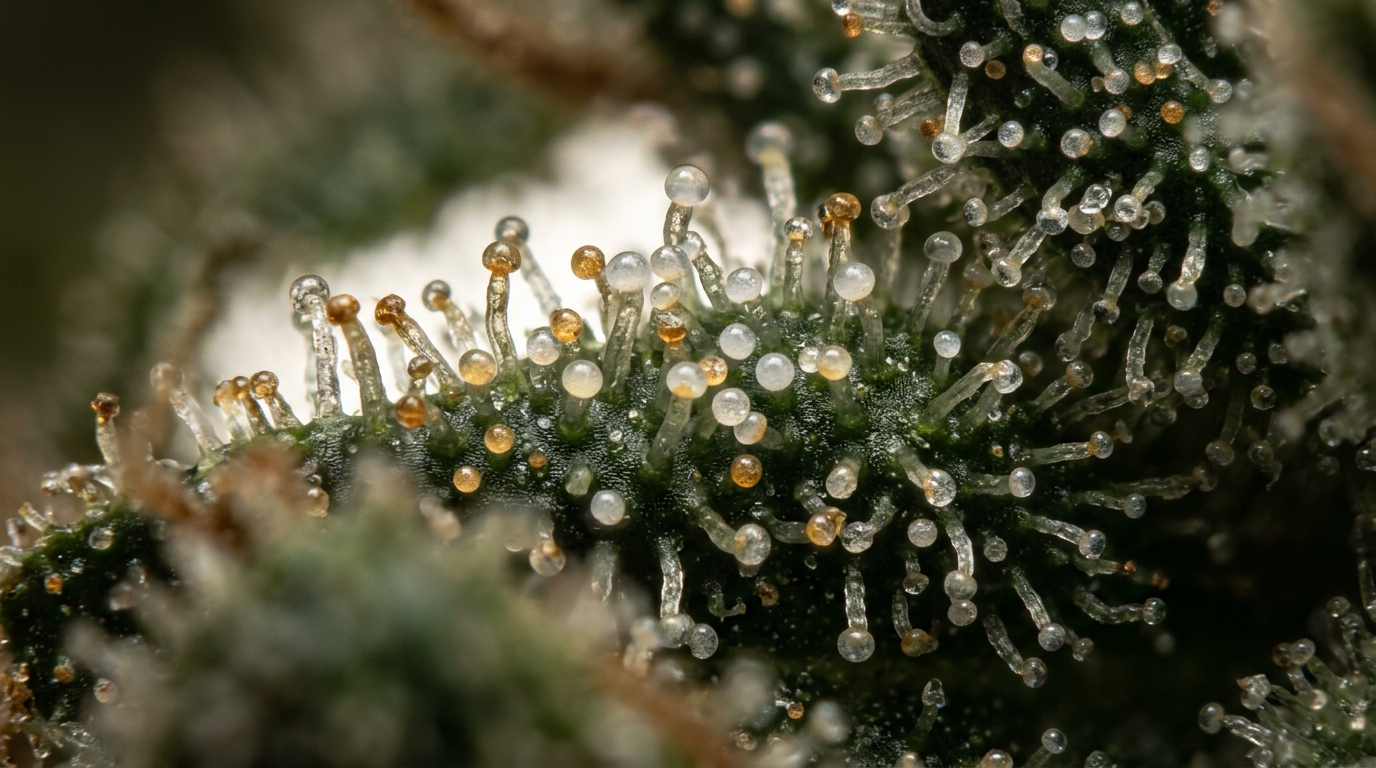
Linalool is the one I’d argue is most underrated. Found in lavender, bergamot, and certain cannabis strains, linalool has been studied for its anxiolytic and sedative properties. Strains like Granddaddy Purple and Slurricane carry notable linalool content, and this is precisely why they tend to work better for anxiety-driven insomnia than pure myrcene-dominant strains. If you’re lying awake because your brain won’t stop running through tomorrow’s to-do list, a linalool-rich strain is your friend.
Caryophyllene, as I mentioned in the Bubba Kush section, is unique because it’s both a terpene and a dietary cannabinoid. It interacts with CB2 receptors in the body’s endocannabinoid system, contributing to anti-inflammatory and pain-relieving effects. For people dealing with chronic pain that disrupts sleep, a significant population, particularly among older cannabis users and medical patients in states like Arizona, Florida, and New York where medical programs are well-established, caryophyllene-dominant strains offer a targeted benefit that goes beyond simple sedation.
Terpinolene is the wild card. It’s commonly associated with sativa-leaning effects in isolation, but in the context of an indica-dominant cannabinoid profile, it can contribute to the dream-like, slightly euphoric quality of the early high before the sedation takes over. Jack Herer’s Terpinolene: A Genetic Anomaly is a fascinating read on how terpinolene behaves differently depending on its cannabinoid context, it’s a great example of why you can’t evaluate terpenes in isolation.
The key takeaway is this: when you’re shopping for a sleep strain, don’t just look at the THC percentage. Ask your budtender for the terpene breakdown, or look for lab-tested flower that lists myrcene, linalool, and caryophyllene prominently. Those three together are your sleep trifecta.
Consumption Methods: How You Take It Matters as Much as What You Take
This is one of the most underserved topics in sleep-strain conversations, and I want to give it the attention it deserves. The same strain can produce very different sleep outcomes depending on whether you smoke it, vape it, or eat it, and the differences aren’t subtle.
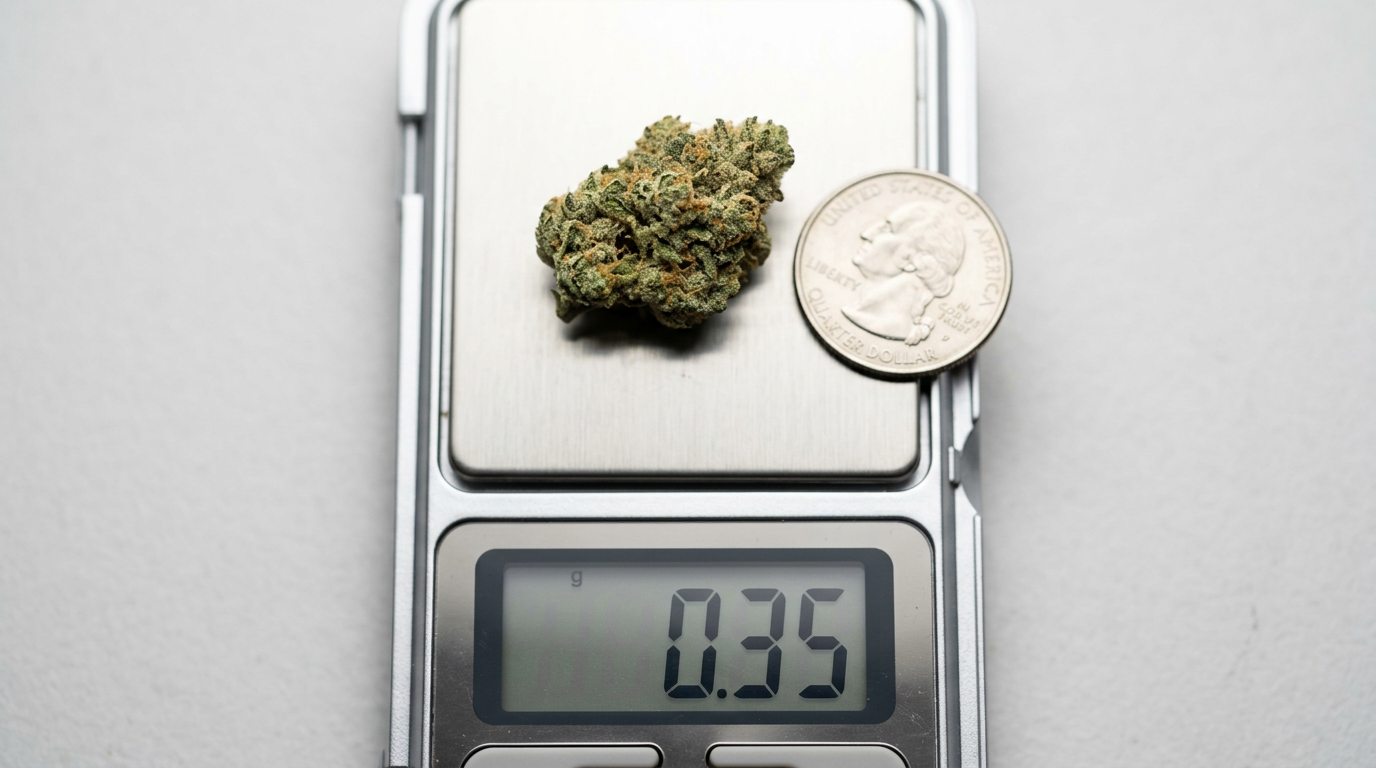
Smoking and vaping offer the fastest onset, typically within minutes, which makes them useful if you want to time your sleep window precisely. Vaping tends to produce a cleaner, more terpene-forward experience since you’re not combusting plant material, and many sleep-focused users prefer it for this reason. If you’re reaching for your vape pen or pipe about 30-45 minutes before your intended bedtime, you’re likely to hit peak sedation right around the time your head hits the pillow. How to pack and smoke a bowl? is a good reference if you’re newer to the flower-smoking side of things.
Edibles are a completely different animal, and for sleep specifically, they can be extraordinarily effective, or extraordinarily problematic if you misjudge timing or dose. The onset with edibles is typically 45 minutes to two hours, and the duration of effects is significantly longer than inhaled cannabis. For people who struggle with staying asleep rather than falling asleep, this extended duration is a genuine advantage. A low-dose indica edible taken 90 minutes before bed can provide sleep support that lasts through the night without the need to re-dose. Understanding marijuana edibles onset timing covers the pharmacokinetics in detail, and it’s essential knowledge before you commit to edibles as a sleep tool. Also worth noting: when you make your own edibles, the What is decarboxylation and how to do it? process is critical to getting the full cannabinoid activation you need for those sleep effects.
Tinctures sit somewhere in the middle, sublingual absorption is faster than a digested edible (typically 15-45 minutes) but the effects can last longer than inhaled methods. THC/CBD tinctures are noted as effective cannabis products for sleep, and the ability to dose precisely in small increments makes tinctures a favorite among medical cannabis patients managing insomnia in states with robust medical programs.
Dosing for Sleep: The Minimum Effective Dose Principle
Here’s something the cannabis community doesn’t talk about enough: more THC is not always better for sleep, and in many cases, it actively works against you. High doses of THC can increase anxiety and paranoia in sensitive individuals, which is the last thing you need at bedtime. The Reddit community has noted that some users find cannabis keeps them awake and thinking, and this is almost always a dosing and/or strain issue rather than a fundamental incompatibility with cannabis for sleep.
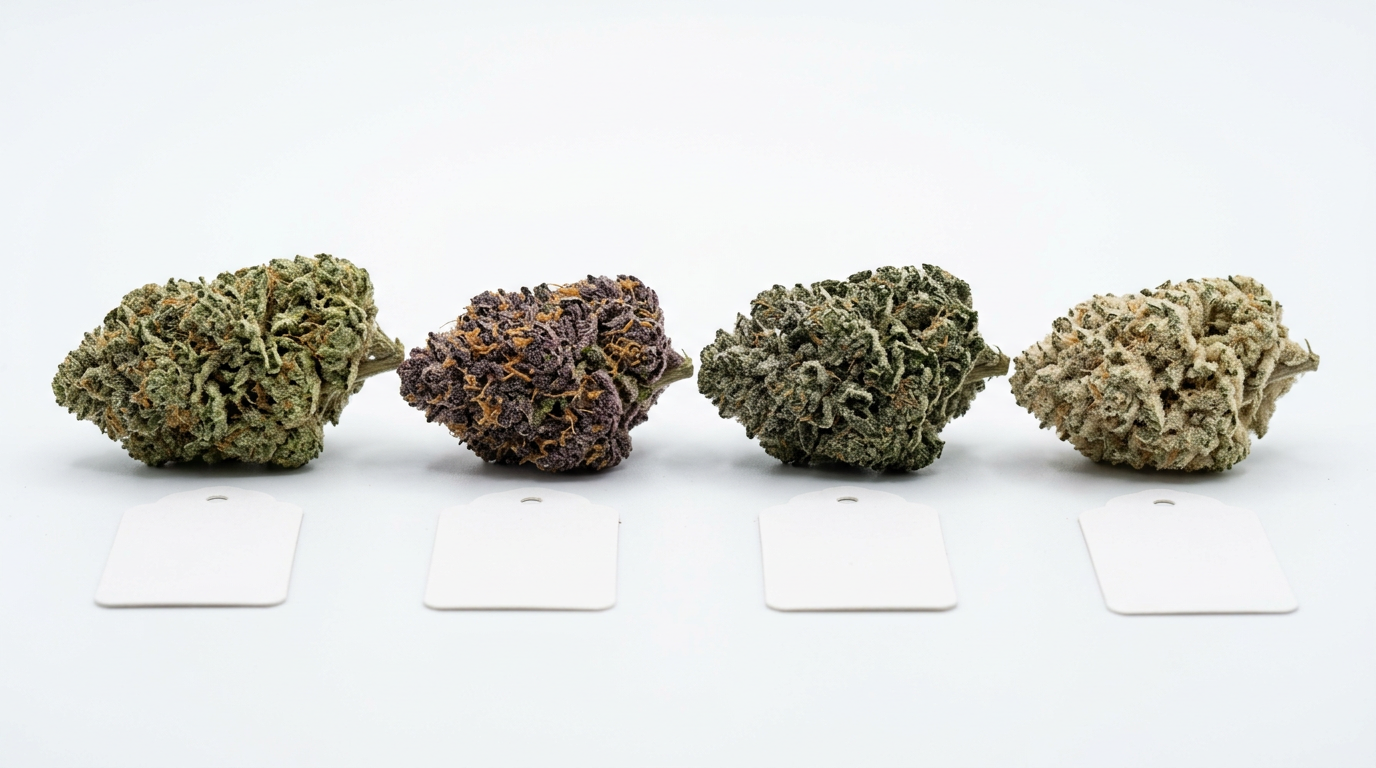
The principle I follow, and that Maya Chen has written about extensively from a scientific perspective, is the minimum effective dose. Start low, go slow, and find the smallest amount that produces the desired sleep effect without overshooting into anxiety territory. For inhaled flower, this might mean one or two draws from a pipe rather than smoking a full joint. For edibles, starting with a low dose and waiting the full two hours before considering a redose is non-negotiable.
Tolerance is also a real consideration for long-term sleep users. Because THC can alter sleep architecture with prolonged use, many experienced medical cannabis patients cycle their use, taking tolerance breaks every few weeks to maintain effectiveness. This isn’t just anecdotal wisdom; it reflects the underlying pharmacology of THC’s interaction with CB1 receptors, which can downregulate with chronic exposure. CBD-dominant products don’t carry the same tolerance concern, which is part of why balanced THC/CBD ratios are gaining favor among sleep-focused users.
Granddaddy Purple
Linalool-rich terpene profile targets anxiety-driven insomnia; gentle transition into deep sleep; widely available across US legal states
Northern Lights
Classic pure indica genetics with myrcene dominance; consistent, reliable sedation; ideal for physical restlessness and body tension
Slurricane
Underrated linalool and myrcene combo with luxurious grape terps; exceptional for stress-driven sleeplessness; worth seeking out
Indica vs. Indica-Dominant Hybrids: Which Actually Wins for Sleep?
This is a debate that comes up constantly in cannabis communities, and the honest answer is: it depends on what kind of sleeplessness you’re dealing with. Pure indicas like Northern Lights and Afghan Kush varieties deliver the most consistent, heavy sedation, they’re the sledgehammer approach. If you just need to be physically knocked out, a pure indica with strong myrcene dominance is your tool.
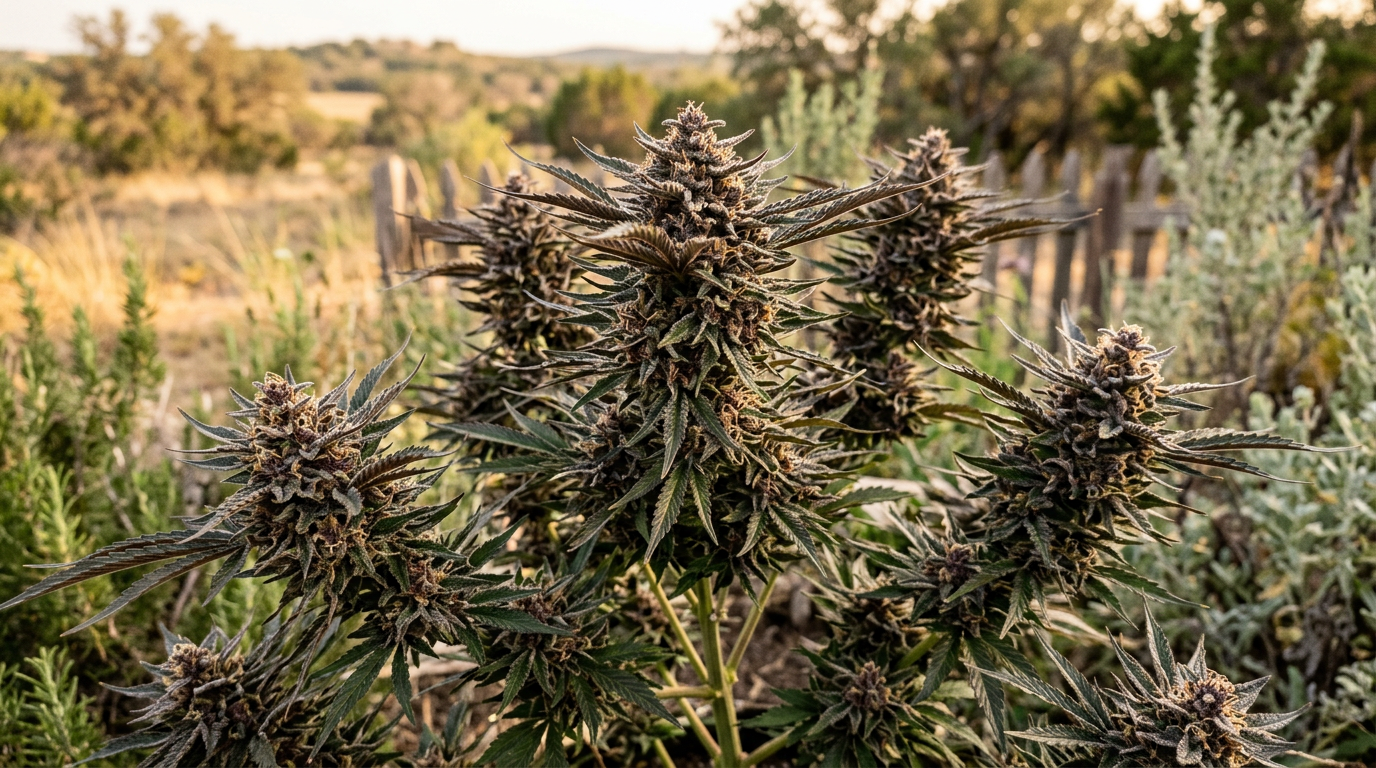
Indica-dominant hybrids, however, often provide a more nuanced sleep experience. The slight sativa influence typically means a more pleasant pre-sleep euphoria, a less groggy morning-after, and a more manageable anxiety profile for sensitive users. Strains like Ice Cream Cake, Slurricane, and Zkittlez, Fruity Terpene Artistry & Genetic Uniqueness (which leans indica-dominant) demonstrate that you don’t have to sacrifice sleep quality for a more enjoyable overall experience. The cannabis community increasingly recognizes indica-dominant hybrids as the optimal choice for sleep, and the dispensary shelves across legal states reflect this, you’ll find far more indica-dominant hybrids marketed for sleep than pure landrace indicas.
| Strain | Type | Key Terpenes | Sleep Benefit | Best For | Onset (Smoked) | Difficulty to Grow |
|---|---|---|---|---|---|---|
| Granddaddy Purple | Pure Indica | Linalool, Myrcene | Anxiety-driven insomnia | Sleep onset | 15-20 min | Easy |
| Northern Lights | Pure Indica | Myrcene, Pinene | Physical tension relief | Body restlessness | 10-15 min | Easy |
| Bubba Kush | Indica-dominant | Myrcene, Caryophyllene | Deep sedation | Chronic insomnia | 15-20 min | Moderate |
| Gorilla Glue #4 | Hybrid | Myrcene, Humulene | Full-body relaxation | Stress relief | 10-15 min | Moderate |
| Ice Cream Cake | Indica-dominant | Linalool, Myrcene | Calming euphoria | Racing thoughts | 15-20 min | Moderate |
| Slurricane | Indica-dominant | Linalool, Myrcene | Stress-driven sleep | Anxiety insomnia | 15-20 min | Moderate |
Growing Your Own Sleep Strains: The Outdoor Grower’s Perspective
There’s something deeply satisfying about growing the plants that are going to support your own wellness. I’ve been growing indica-dominant strains outdoors in central Texas for years, and I’ll tell you, the relationship you develop with a plant you’ve tended from seed to harvest changes the way you experience it. You know those trichomes because you watched them develop. You know that myrcene smell because you’ve been checking on those colas every morning for weeks.
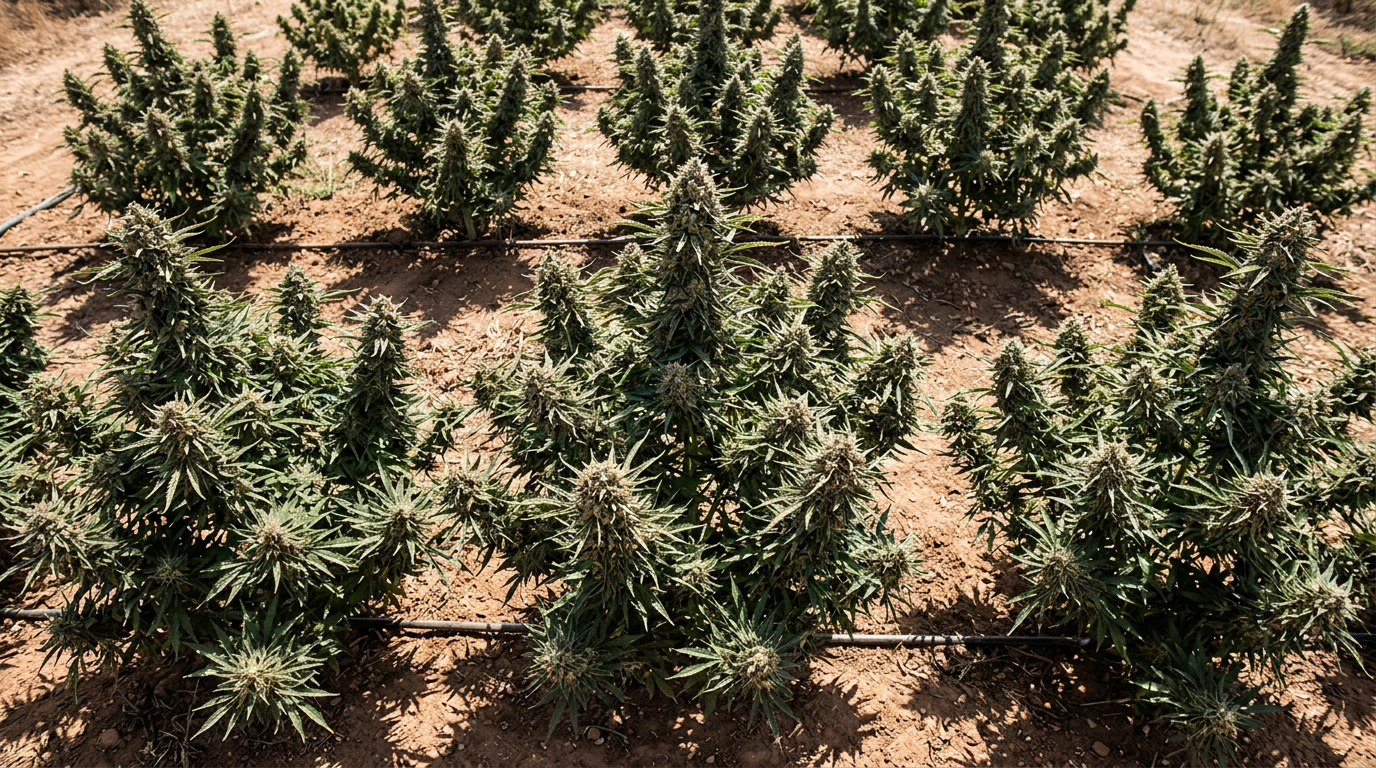
Northern Lights and Granddaddy Purple are both solid choices for outdoor growing in the southern US, though GDP does prefer a slightly cooler climate during late flowering to bring out those signature purple colors. Bubba Kush is remarkably resilient outdoors and handles Texas heat better than you’d expect from an indica. Slurricane, as I mentioned, is the fussiest of the group, she wants lower humidity in the final weeks of flower, which can be a challenge in Gulf Coast states like Louisiana and Mississippi but is very manageable in drier climates like New Mexico or Arizona.
If you’re sourcing seeds for your sleep-strain garden, Sensi Seeds carries exceptional Northern Lights genetics, and Crop King Seeds has solid Granddaddy Purple stock. For the more boutique options like Slurricane and Ice Cream Cake, Seeds Here Now tends to have the widest selection of premium American genetics. Always check your state’s home cultivation laws, as of 2026, states like California, Colorado, Oregon, and Michigan allow home cultivation for adults, while others like Texas still restrict it significantly.
For those looking to maximize what their plants produce, cannabis yield optimization techniques is the most comprehensive resource I’ve found on the topic. Dense, well-developed indica buds with full terpene expression are what you’re after for sleep purposes, and yield optimization techniques directly support that goal.
Individual Variation: Why Your Knockout Strain Might Keep Your Friend Awake
This is the part of the sleep-strain conversation that most articles skip over, and I think it’s actually one of the most important things to understand. The Reddit community has been clear about this: strain effectiveness varies significantly by individual. Some users report that cannabis, even indica-dominant strains, keeps them awake and thinking rather than putting them to sleep.
This isn’t a failure of the strain. It’s a reflection of individual endocannabinoid system variation, tolerance levels, anxiety responses to THC, and even the set and setting of consumption. Someone who’s new to cannabis and slightly anxious about the experience may find that any THC-containing product increases alertness and anxiety before any sedation kicks in. Someone with high tolerance may find that moderate doses no longer produce sleep effects. And some people genuinely seem to have endocannabinoid systems that respond to THC in a more activating way, it’s a real phenomenon, not just a mindset issue.
If you find that indica strains tend to keep you awake, a few adjustments are worth trying before giving up. First, reduce the dose significantly, paradoxically, lower THC doses are often more sedating than high doses for THC-sensitive individuals. Second, try shifting toward higher-CBD, lower-THC options or adding a CBD product alongside your indica. Third, experiment with consumption timing, some people find that consuming 60-90 minutes before bed rather than right at bedtime works better, allowing the initial alerting phase to pass before sleep time arrives. And fourth, consider the setting: consuming in a calm, dark, already-relaxing environment dramatically changes how your nervous system responds to the cannabinoids.
The Broader Sleep Toolkit: Cannabis Products Beyond Flower
While this guide focuses on indica flower strains, it’s worth acknowledging that the broader cannabis sleep toolkit extends well beyond what you can smoke or vape. CBD oil, THC edibles, CBN oil, and THC/CBD tinctures are all noted as effective cannabis products for sleep, and for many users, particularly those managing sleep issues in states where only medical cannabis is legal, these products provide important options.
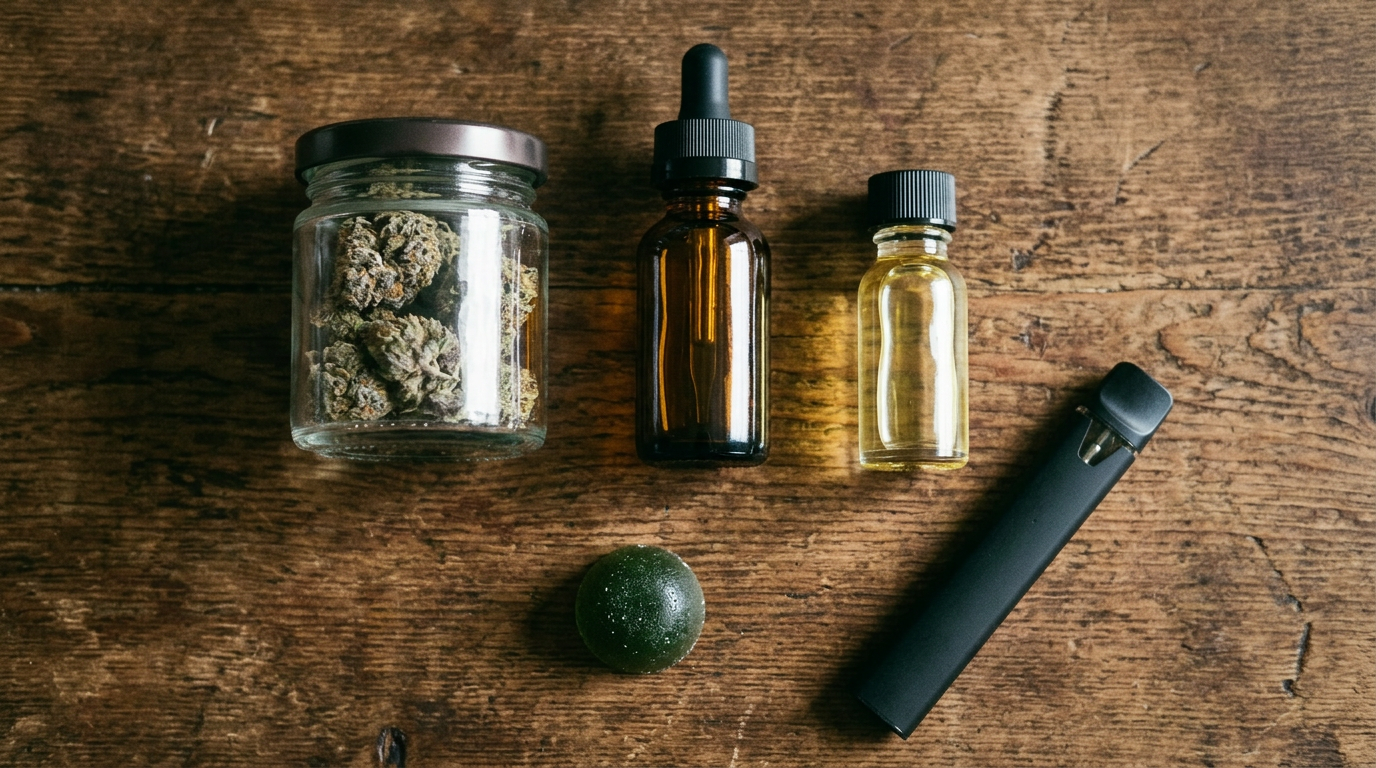
CBN (cannabinol) products have exploded in the market over the past few years, and you’ll find CBN gummies, tinctures, and oils specifically marketed for sleep at dispensaries across legal states. The community’s understanding of CBN as a particularly sedative cannabinoid has driven significant product development, and while the clinical research is still catching up, anecdotal reports are consistently positive. Pairing a CBN tincture with a myrcene-rich indica strain is a combination that experienced sleep-focused cannabis users swear by.
For those interested in the edibles route, understanding the full preparation process, from What is decarboxylation and how to do it? to The Complete Beginner’s Guide to Cannabis Butter: Decarb, Infuse, and Dose Like a Pro, puts you in control of your own dosing and formulation. Making your own indica-infused sleep edibles with a strain like Granddaddy Purple or Northern Lights, properly dosed, is genuinely one of the most effective sleep interventions I’ve encountered in this space. You can find more of our cannabis lifestyle and product content over on our cannabis blog.
Frequently Asked Questions
What is the best cannabinoid for sleep?
The honest answer is that it depends on your specific sleep issue and your relationship with THC. THC can promote sleep onset effectively in the short term, but research suggests it may alter sleep architecture, particularly REM sleep, with long-term use. CBD has shown promise for improving sleep quality without psychoactive effects and without the same long-term concerns. CBN (cannabinol) has a strong community reputation as a sedative cannabinoid and is increasingly available in dedicated sleep products. For most users, a combination approach, a moderate THC dose from an indica-dominant strain paired with CBD or CBN, tends to produce the most balanced and sustainable sleep support.
Which strain is better for sleeping, indica or sativa?
Indica and indica-dominant strains are the consistent community and expert recommendation for sleep. According to Leafly, patients who report cannabis helping with insomnia tend to reach for indica-dominant varieties, believing them to be sedating and calming. Sativa strains, with their typically higher terpinolene and limonene content and lower myrcene, tend to produce more energizing, cerebral effects that are counterproductive for sleep. There are always individual exceptions, but if sleep is your goal, starting with an indica is the well-supported choice.
Which is better for sleeping, indica or indica-dominant hybrid?
Indica-dominant hybrids are increasingly considered the optimal choice for sleep by the cannabis community and many experts. Pure indicas deliver heavier sedation but can sometimes produce a groggier morning-after experience and a less pleasant pre-sleep euphoria. Indica-dominant hybrids tend to offer a smoother transition into sleep, better morning-after clarity, and a more manageable anxiety profile, particularly for users who are sensitive to high THC doses. Strains like Ice Cream Cake and Slurricane exemplify why hybrids have become the preferred sleep option for many experienced users.
What is in indica that makes you sleepy?
The sleepy feeling associated with indica strains comes primarily from a combination of cannabinoids and terpenes working together. Indica strains tend to contain higher CBD content and elevated levels of myrcene, a terpene strongly associated with sedative, couch-lock effects. Linalool (also found in lavender) contributes calming and anxiolytic properties, while caryophyllene adds anti-inflammatory and CB2-receptor-activating effects that help with pain-related sleeplessness. THC interacts with CB1 receptors to reduce sleep onset time, and the full entourage of these compounds working together is what produces the characteristic indica sleep experience.
What are the best indica strains for sleep and anxiety?
For the combination of sleep and anxiety relief, you want strains with significant linalool content alongside myrcene. Granddaddy Purple is the top recommendation here, its linalool-rich profile directly addresses anxiety-driven insomnia, and it’s widely available across US legal states. Slurricane is the sleeper pick for anxiety-plus-sleep, with its Do-Si-Dos and Purple Punch genetics delivering both linalool and myrcene in a genuinely pleasant package. Bubba Kush’s caryophyllene content also provides anxiety relief through CB2 receptor interaction, making it a solid option for stress-driven sleeplessness.
What are the best indica strains for sleep and pain relief?
When pain is the primary driver of sleep disruption, caryophyllene-dominant indicas are your best starting point. Bubba Kush, with its strong Afghan heritage and notable caryophyllene content, is the community’s most-recommended option for pain-related insomnia. Gorilla Glue #4 is another strong choice, its high potency and caryophyllene-forward profile address both pain and sedation simultaneously, though the potency requires careful dosing. For more moderate pain, Ice Cream Cake offers a balanced approach with caryophyllene alongside myrcene without the intensity of GG4. Edibles are particularly well-suited for pain-driven sleep issues because of their longer duration of effect, a properly dosed indica edible can provide pain relief and sleep support through the full night.
Are indica edibles better than smoking for sleep?
For staying asleep through the night, edibles have a significant advantage because of their longer duration of effect. The onset is slower, typically 45 minutes to two hours, but the effects can last four to eight hours, covering a full sleep cycle in a way that inhaled cannabis typically cannot. The key is precise dosing and timing: taking a low-dose indica edible 60-90 minutes before your intended sleep time and starting with a conservative dose to avoid overshooting into anxiety territory. For falling asleep specifically, inhaled methods (smoking or vaping) offer faster onset and more precise control over the immediate experience. Many experienced sleep-focused cannabis users use both, a small amount of inhaled indica to initiate sleep onset, with an edible taken earlier in the evening to support sustained sleep through the night.