Let me paint you a picture. It’s a warm Texas evening, the kind where the air smells like cedar and possibility, and you’re sitting on the back porch with a mason jar of sweet tea in one hand and a freshly rolled joint in the other. Your buddy asks, “Hey, what’s the best way to actually smoke this stuff?” And you realize, that’s a bigger question than it sounds. Because whether you’re brand new to cannabis or you’ve been at it for years, the how matters just as much as the what. The method you choose shapes everything: the intensity of your high, the flavor profile you experience, how long it lasts, how hard your lungs work, and even how much flower you burn through. I’ve tried pretty much every method under the sun, from hand-rolled joints on a tailgate to dab rigs at a dispensary event in Colorado, and I’m here to break it all down for you in plain language. No gatekeeping, no snobbery. Just real, practical guidance on every cannabis consumption method out there, so you can find what works best for your life. Check out our cannabis blog for even more deep dives into the culture and craft of cannabis.

- The Four Categories of Cannabis Consumption: Start Here
- Joints: The Classic, The Ritual, The Crowd-Pleaser
- Blunts: The Slow Burn with Southern Soul
- Pipes and Bowls: Simple, Immediate, Reliable
- Bongs: The Water-Filtered Powerhouse
- One-Hitters and Chillums: The Minimalist’s Choice
- Bubblers: The Best of Both Worlds
- Vaporizers: The Health-Conscious, Flavor-Forward Option
- Dabbing: The Most Intense Way to Consume Cannabis
- Non-Smoking Alternatives: Edibles, Tinctures, and Topicals
- Choosing the Right Method for Your Lifestyle: A Decision Framework
- Cannabis Culture Etiquette: The Unwritten Rules
- Safety, Greening Out, and Responsible Consumption
- Cleaning and Maintaining Your Cannabis Equipment
- Pairing Strains with Consumption Methods
- The Cost and Efficiency Breakdown
The Four Categories of Cannabis Consumption: Start Here
Before we get into the good stuff, the rolling, the packing, the torching, it helps to understand that cannabis consumption methods fall into four main categories: inhalation, oral, sublingual, and topical. Each category delivers cannabinoids to your body through a different pathway, and that pathway determines everything from onset time to duration to intensity. Smoking and vaping fall under inhalation. Edibles and capsules are oral. Tinctures are sublingual. Creams and patches are topical. This guide is going to go deep on all of them, because being a well-rounded cannabis consumer means knowing your options. According to Business Insider, smoking remains the most common consumption method overall, but the landscape has changed dramatically as legal markets have opened up across US states like California, Colorado, Michigan, and beyond.
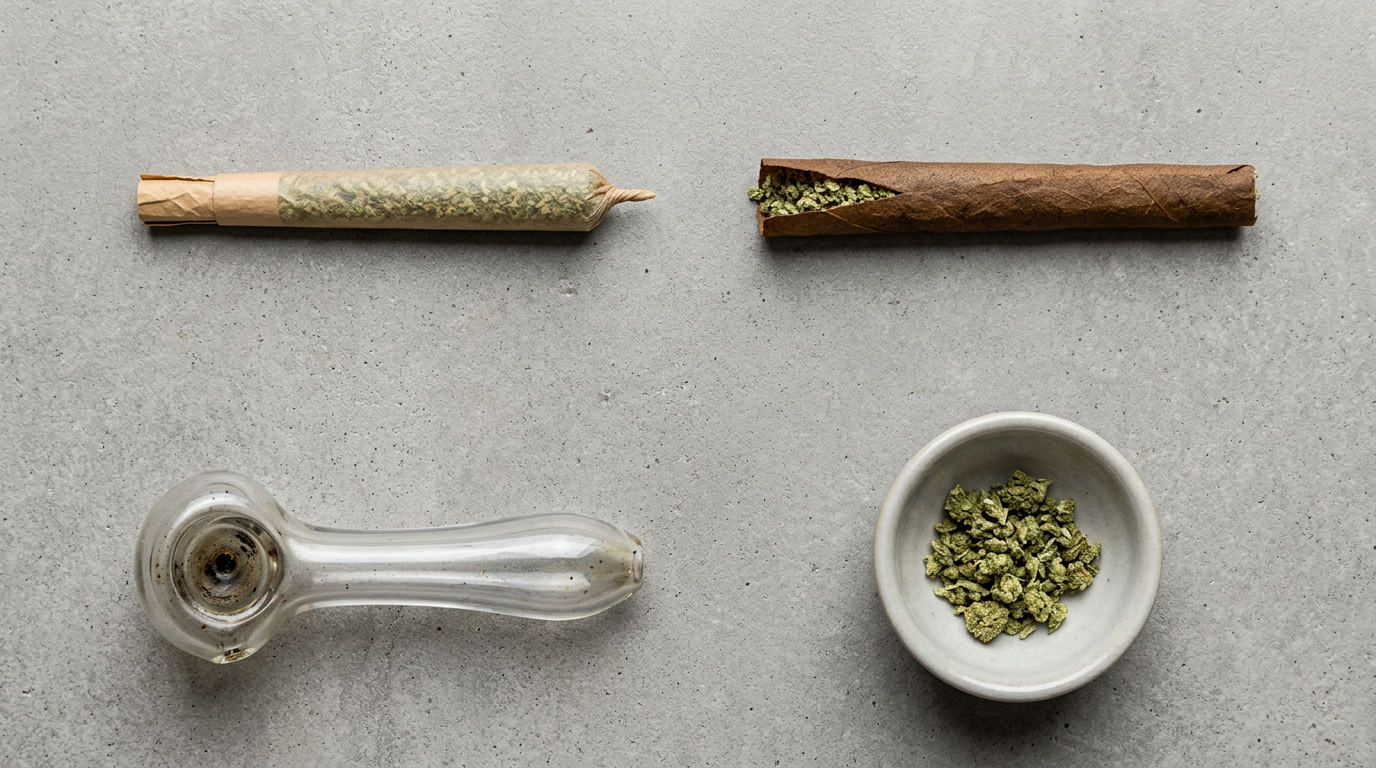
The inhalation category is where most people start, and for good reason, the onset is fast, the experience is intuitive, and the ritual of it is genuinely enjoyable. But I want you to leave this page understanding that there’s a whole world beyond the joint, and every single method has its place depending on who you are, where you are, and what you’re trying to feel.
Joints: The Classic, The Ritual, The Crowd-Pleaser
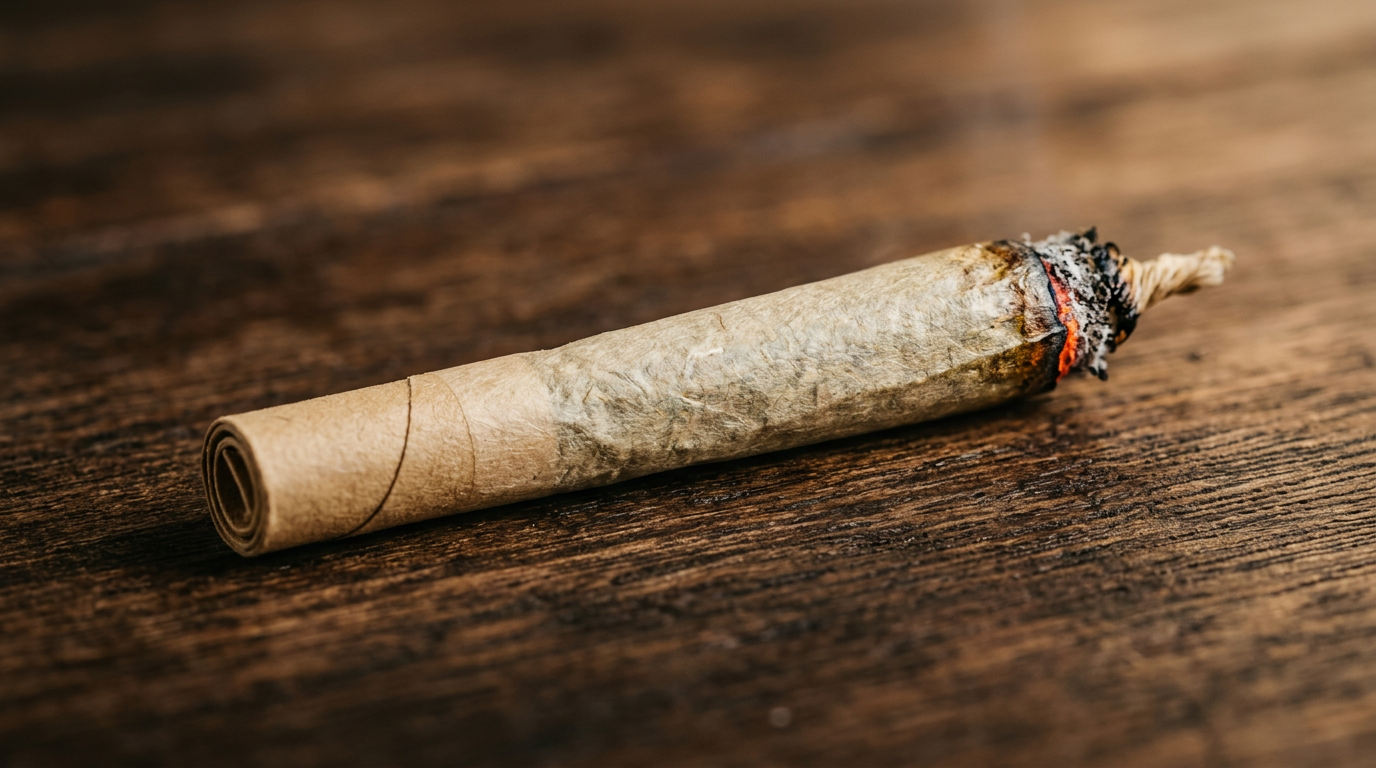
If cannabis has a flagship product, it’s the joint. There’s something almost ceremonial about rolling one up, the grind, the spread, the tuck, the lick, the twist. I rolled my first joint sitting on the hood of a ’98 Silverado somewhere outside of San Marcos, Texas, and I’ll be honest with you, it was a lumpy disaster. But I got better, and so will you.
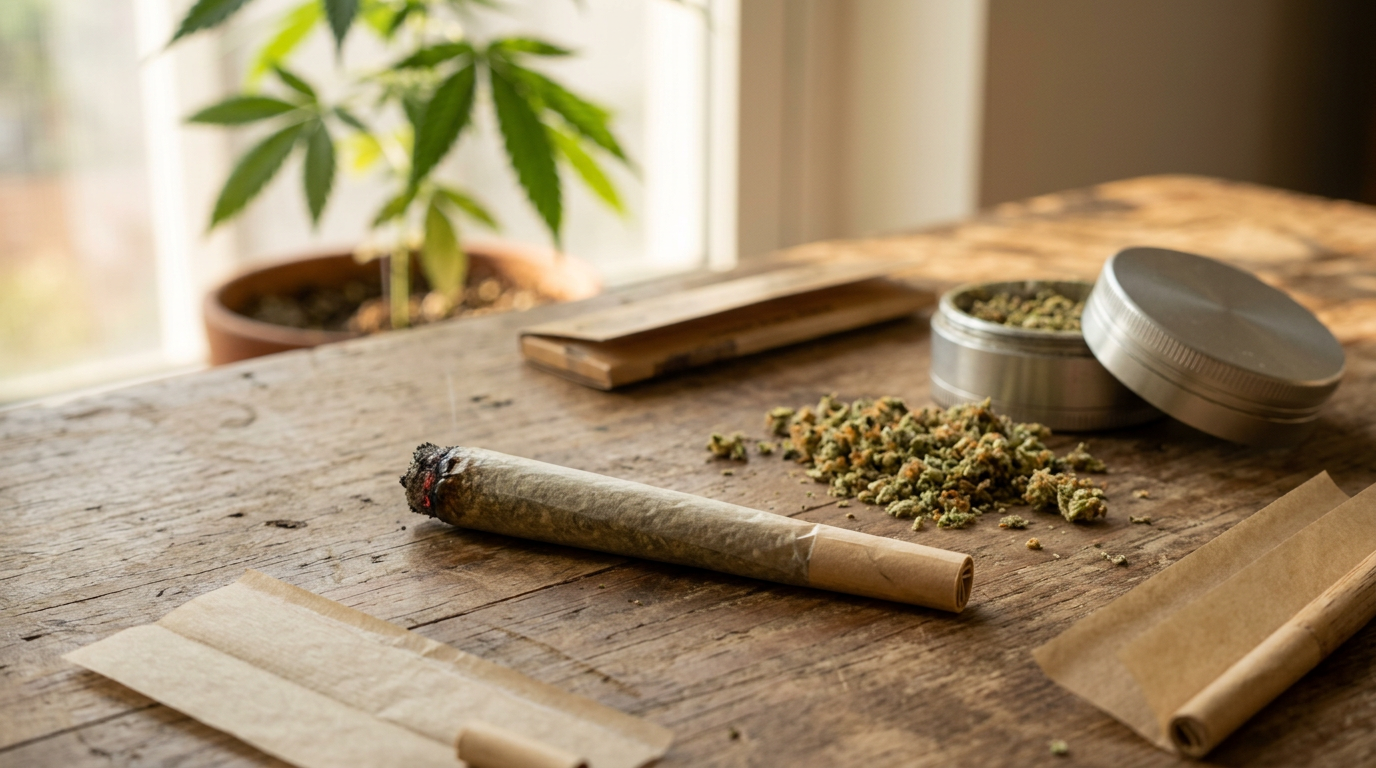
A joint is simply ground cannabis flower rolled in thin rolling paper, usually made from rice, hemp, or wood pulp. Hemp papers have become increasingly popular because they burn slow and clean, and they feel right at home with the plant itself. Some folks add a crutch (also called a filter or tip) at the mouthpiece end, a small rolled piece of cardboard or pre-made glass tip that keeps the end open and prevents you from burning your fingers as the joint gets short.
The rolling process starts with a good grinder. Pack your ground flower evenly into the paper, keeping it consistent from end to end so it burns evenly, what we call an even “cherry.” Tuck the paper under the flower, roll it up with your thumbs and forefingers, lick the adhesive strip, and seal it. Twist the open end to hold the flower in place. Light it at the twisted tip, let it catch evenly, and you’re in business.
Joints are social creatures. The puff-puff-pass tradition is practically sacred in cannabis culture, and there’s a reason for it, sharing a joint around a circle is one of the most communal experiences the plant offers. I’ve had some of the best conversations of my life passing a joint of Blue Dream around a bonfire. The flavor comes through beautifully in a joint, especially with quality flower and clean papers. The downside? They can burn unevenly (called “canoeing”), they’re not the most efficient use of flower since the joint keeps burning between puffs, and rolling takes practice. But nothing beats the simplicity and portability of a well-rolled joint.
Blunts: The Slow Burn with Southern Soul
A blunt is essentially a joint’s bigger, bolder cousin, cannabis rolled in a tobacco leaf or a cigar wrap. Down here in Texas, blunts have a serious following. They burn slower than joints, hold more flower, and the tobacco leaf adds a subtle buzz that some folks love and others skip entirely. If you’re tobacco-sensitive or just prefer to keep your cannabis experience tobacco-free, blunts aren’t your jam, and that’s perfectly valid.
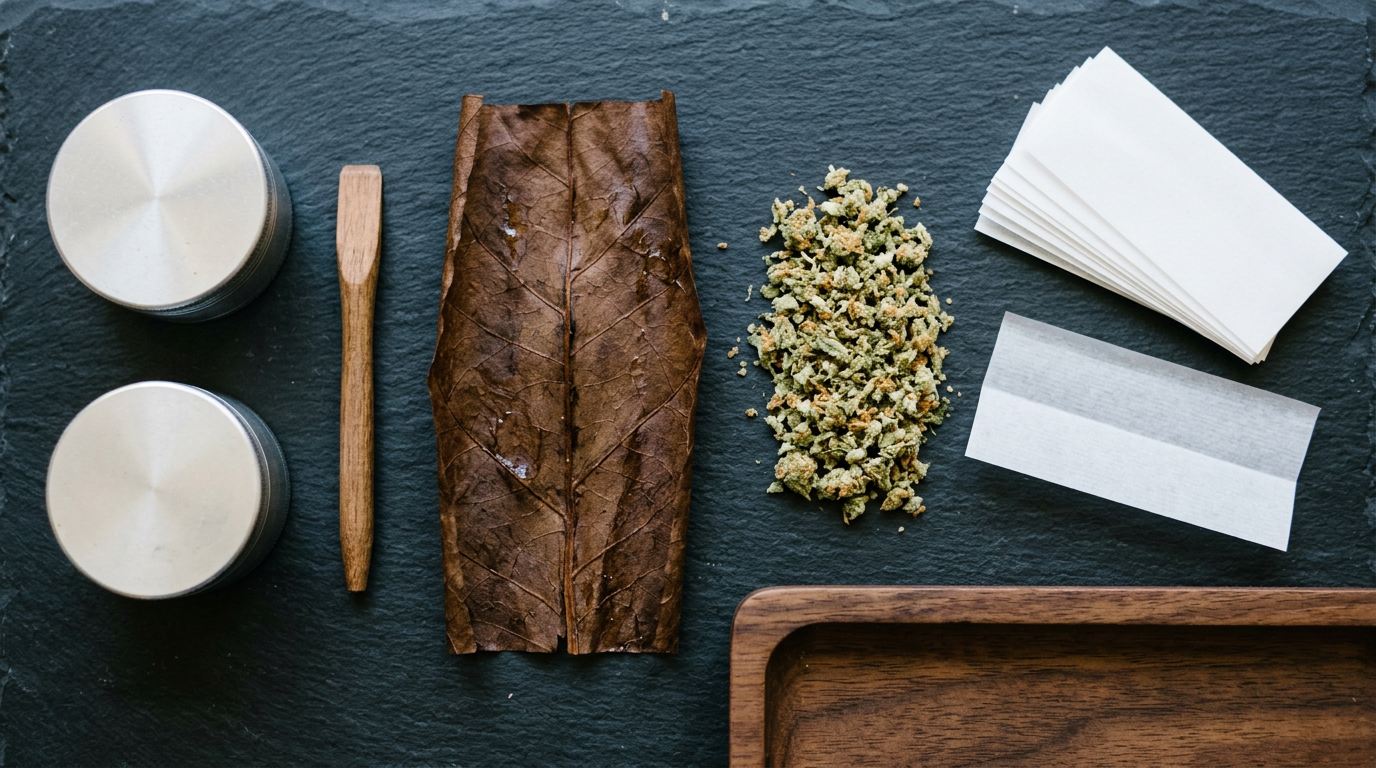
To roll a blunt, you split a cigar or blunt wrap, empty the tobacco, fill it with ground cannabis, and re-roll it. The moisture content of the wrap matters, too dry and it cracks, too wet and it won’t seal. A little moisture from your breath or a damp finger along the seam does the trick. Blunts are ideal for group sessions, long outdoor hangs, or when you want something that’ll last through a whole BBQ conversation. The burn time is significantly longer than a standard joint, which makes them efficient for social settings even if they’re not the most precise dosing tool.
The flavor profile of a blunt is distinctly different from a joint, earthier, richer, with that underlying tobacco note. Strains with bold terpene profiles like Sour Diesel or Gorilla Glue tend to hold up well in a blunt wrap, their pungent aromatics punching through the tobacco character. If you’re in a legal state and buying pre-made blunt wraps from a dispensary, look for hemp wraps as a tobacco-free alternative that still gives you that slow, satisfying burn.
Pipes and Bowls: Simple, Immediate, Reliable
If joints are the social butterfly of cannabis consumption, pipes are the reliable workhorse. According to earthmed.com, pipes are the simplest and most straightforward way to smoke weed, and I’d have a hard time arguing with that. You grind your flower, pack it into the bowl (the cup-shaped chamber at one end), cover the carb hole (a small hole on the side of the bowl) with your thumb, light the flower while inhaling through the mouthpiece, release the carb to clear the smoke, and exhale. That’s it. No rolling, no setup, no fuss.
Glass pipes come in a wild variety of shapes, sizes, and colors, spoons, sherlocks, chillums, steamrollers. A basic glass spoon pipe is what most people start with, and honestly, a good one will serve you for years. The bowl size matters: smaller bowls are better for solo sessions and microdosing, larger bowls work for groups. Packing too tight restricts airflow; packing too loose means your flower falls through.
The flavor from a pipe is direct and unfiltered, you’re getting the full terpene expression of your flower without the paper or tobacco wrap altering it. Pack a bowl of MAC or Lemon Cherry Gelato in a clean glass pipe, and you’ll taste every layer of those complex terpene profiles. The downside is that pipes get dirty fast. Resin builds up, airflow suffers, and the flavor gets harsh. Regular cleaning with isopropyl alcohol and coarse salt is essential, shake it in a sealed bag, rinse thoroughly, and your pipe comes back to life like new.
Pipes are also the most discreet smoking method in terms of gear, they fit in a pocket, they don’t require accessories, and a single bowl can be consumed quickly and completely. For solo daily consumers, a good pipe might be the single most practical tool in the kit.
Bongs: The Water-Filtered Powerhouse
I’ll tell you what, the first time I hit a proper bong, I understood immediately why experienced cannabis users swear by them. A bong uses water filtration to cool the smoke before it hits your lungs, and the difference in smoothness compared to a dry pipe is remarkable. According to the cannabis community at large, bongs are considered highly efficient for smoking, and that reputation is well-earned.
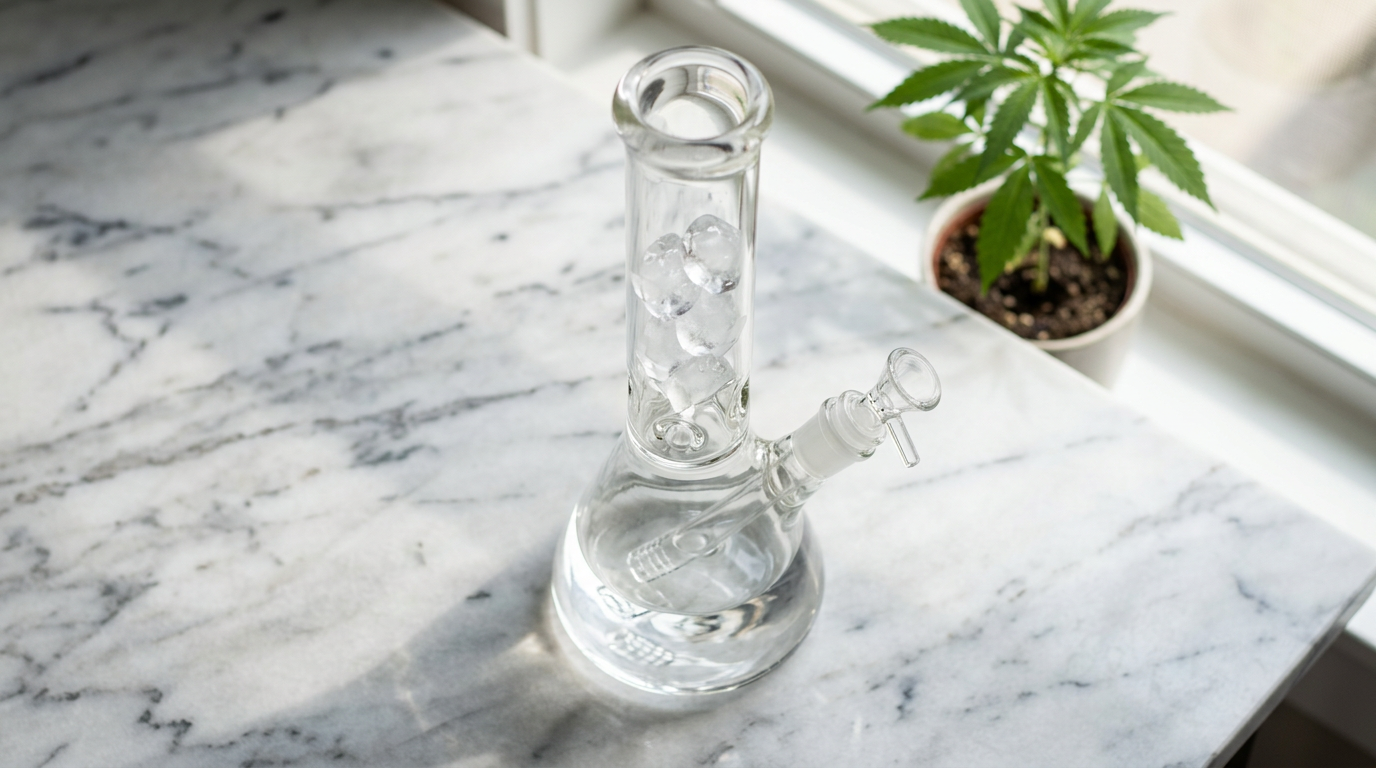
The anatomy of a bong is worth understanding: you’ve got the tube (the main chamber), the base (which holds the water), the downstem (a tube that directs smoke into the water), the bowl (where your flower goes), and the mouthpiece. Some bongs have percolators, additional water chambers or diffusers that filter the smoke even further, creating smaller bubbles and more surface area for cooling. Ice catchers (notches in the tube where you stack ice cubes) take the cooling effect even further.
To use a bong: fill the base with enough water to submerge the downstem by about an inch. Grind and pack your bowl. Place your mouth over the mouthpiece, creating a seal. Light the bowl while inhaling steadily, you’ll see the smoke bubble through the water and fill the tube. Pull the bowl out of the downstem (this is the “carb” action on a bong) and inhale the remaining smoke in the tube. The hit comes fast and hits harder than a pipe or joint, largely because you’re inhaling a larger volume of smoke in one go.
The water filtration does cool the smoke and filter some particulates, though it’s worth noting that it doesn’t eliminate the combustion byproducts entirely. Bongs are not a “healthy” smoking method per se, combustion still produces carbon monoxide and other compounds, but they do deliver a smoother experience that’s easier on the throat. Our science writer Maya Chen has covered the chemistry of cannabis combustion in detail, and the takeaway is that while water filtration helps with particulates, the fundamental chemistry of burning plant material remains consistent across methods.
Bongs require more maintenance than pipes, the water should be changed after every session, and the glass needs regular cleaning. Dirty bong water is genuinely one of the worst things you can expose good flower to. Keep it clean, and your bong will reward you with consistently smooth, flavorful sessions. OG Kush through a clean bong with fresh cold water is an experience I’d recommend to anyone.
One-Hitters and Chillums: The Minimalist’s Choice
There’s a time and a place for every tool, and the one-hitter has a very specific, very useful place in the cannabis toolkit. A one-hitter is a small, narrow pipe designed to hold a single hit’s worth of flower, roughly enough for one to two inhalations. They often come in a “dugout” system: a small wooden or plastic box with one compartment for your flower and another for the one-hitter, which is frequently shaped to look like a cigarette for discretion.
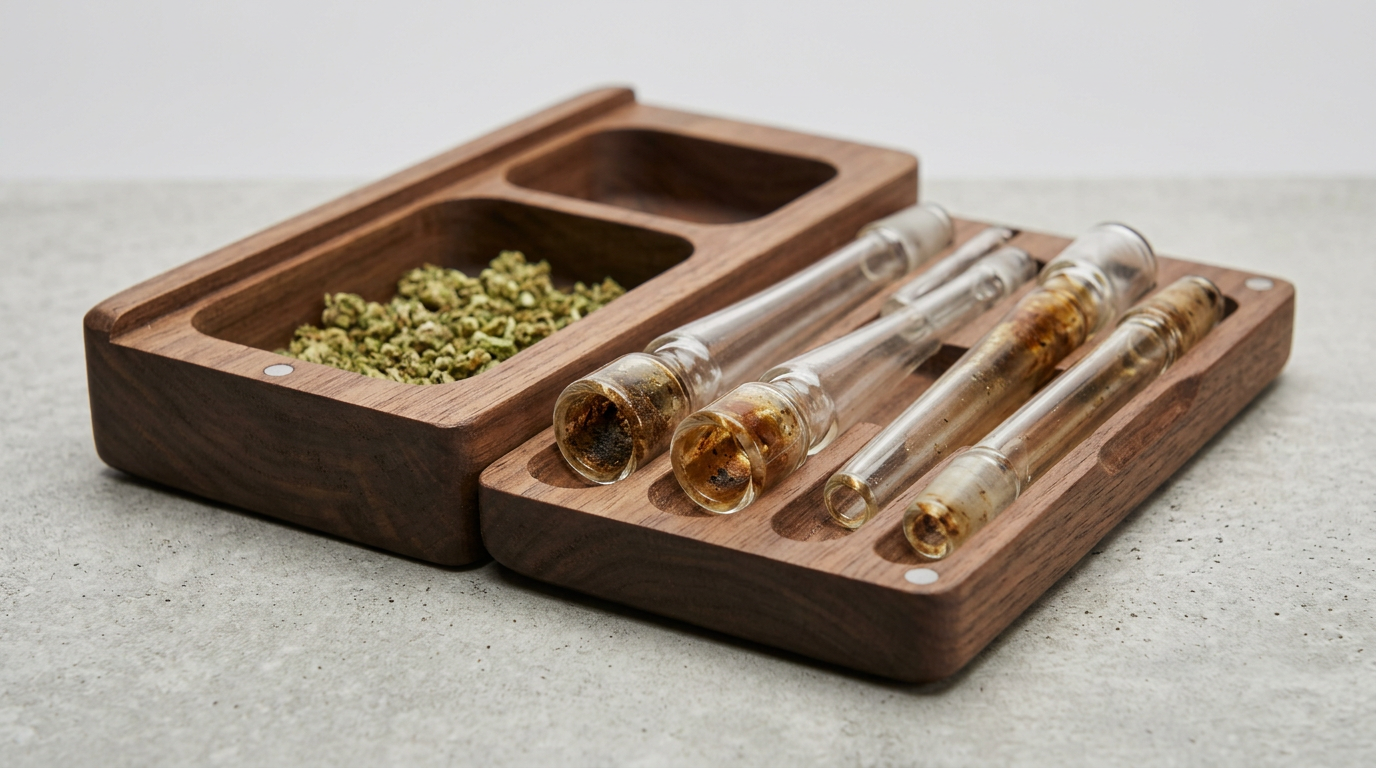
One-hitters are the ultimate efficiency tool. You load exactly what you need, smoke it completely, and you’re done. There’s no joint burning down between puffs, no half-packed bowl going stale. For micro-dosers, for people who want to step outside for a quick break without committing to a full session, or for travelers in legal states who want maximum portability and discretion, a one-hitter is unbeatable. The hit is small, the onset is quick, and the consumption is precise.
Chillums are similar but slightly larger, a straight conical pipe without a carb that you load from one end and smoke from the other. They’re a bit more involved than a one-hitter but still far simpler than a full pipe setup. Both one-hitters and chillums need frequent cleaning because the narrow channel clogs quickly with resin.
Bubblers: The Best of Both Worlds
Picture a pipe and a bong had a baby, that’s a bubbler. Bubblers are handheld glass pieces that incorporate a water chamber for filtration, giving you the portability of a pipe with the smooth, water-cooled hits of a bong. They’re typically smaller than bongs, don’t require as much water, and don’t have a removable bowl, which means they have a fixed carb hole like a pipe.
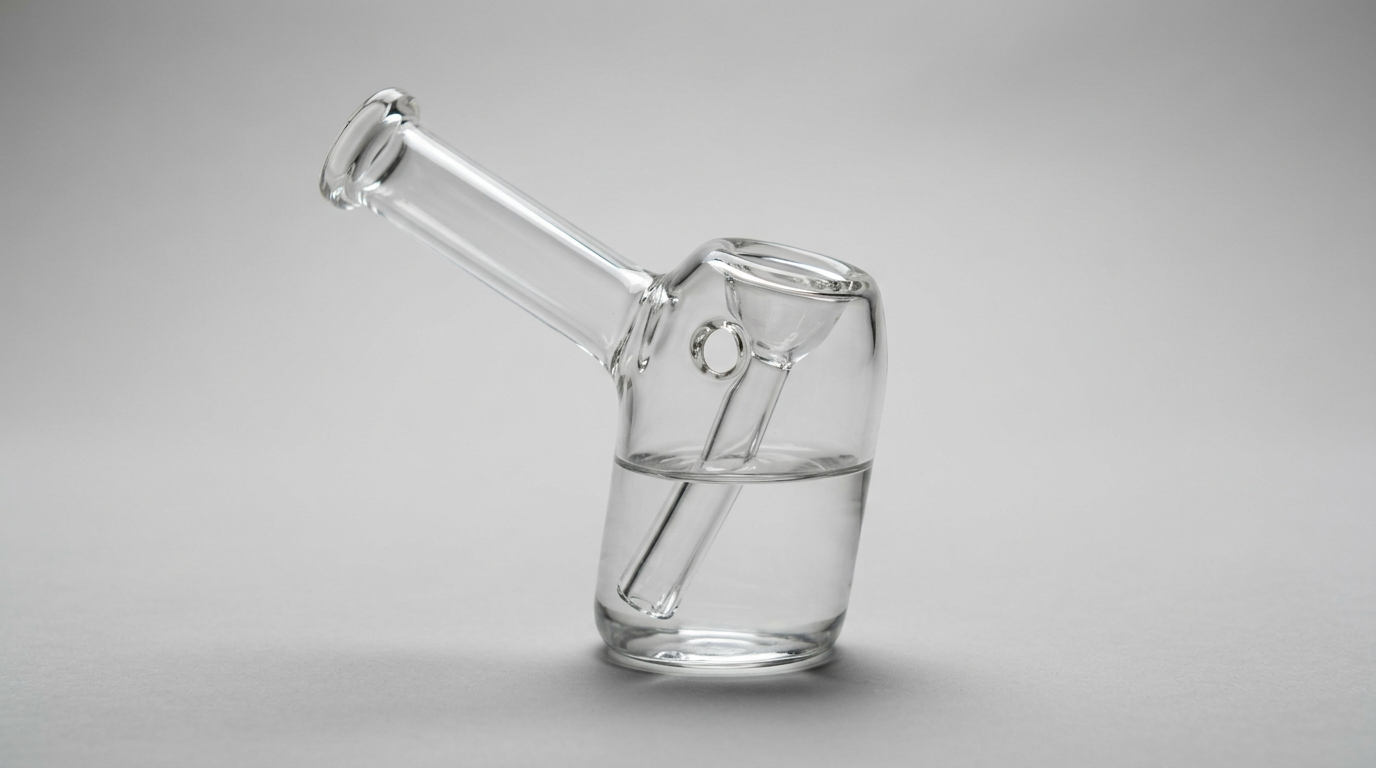
The tradeoff with bubblers is cleaning difficulty. Because the water chamber is built into the piece and there are no removable parts, getting a brush or cleaning solution into every crevice can be challenging. But for someone who wants a portable, smooth-smoking option and doesn’t want to carry a full bong setup, a bubbler is a genuinely elegant solution. They’re popular among daily consumers who prioritize flavor and smoothness in a compact form factor.
Vaporizers: The Health-Conscious, Flavor-Forward Option
Vaporizers have changed the game, and I say that as someone who came up on joints and pipes. According to Zen Leaf Dispensaries, vaporizers are the health-conscious option for cannabis consumption, and the science behind that claim is straightforward: vaporizers heat cannabis without combustion, releasing vapor instead of smoke. No combustion means no carbon monoxide, no tar, and significantly fewer harmful byproducts than traditional smoking.
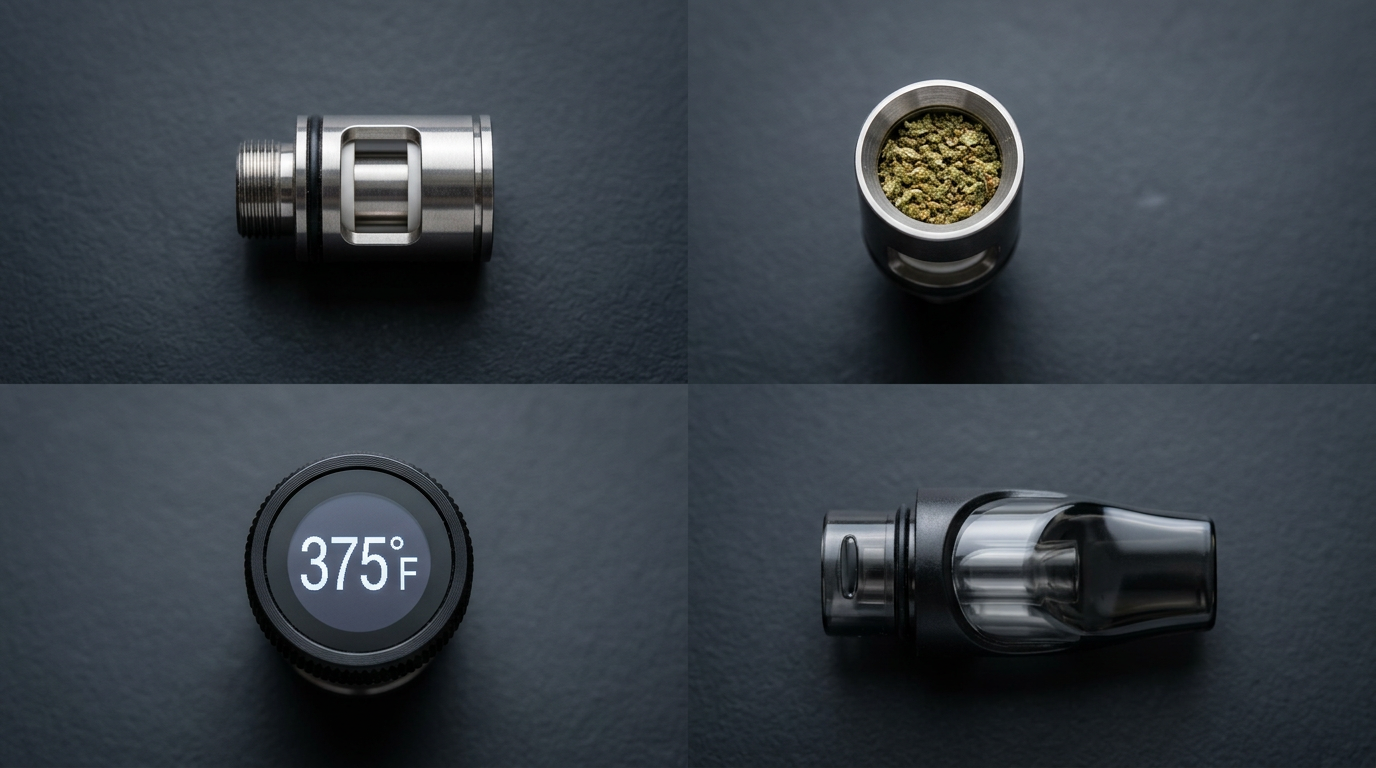
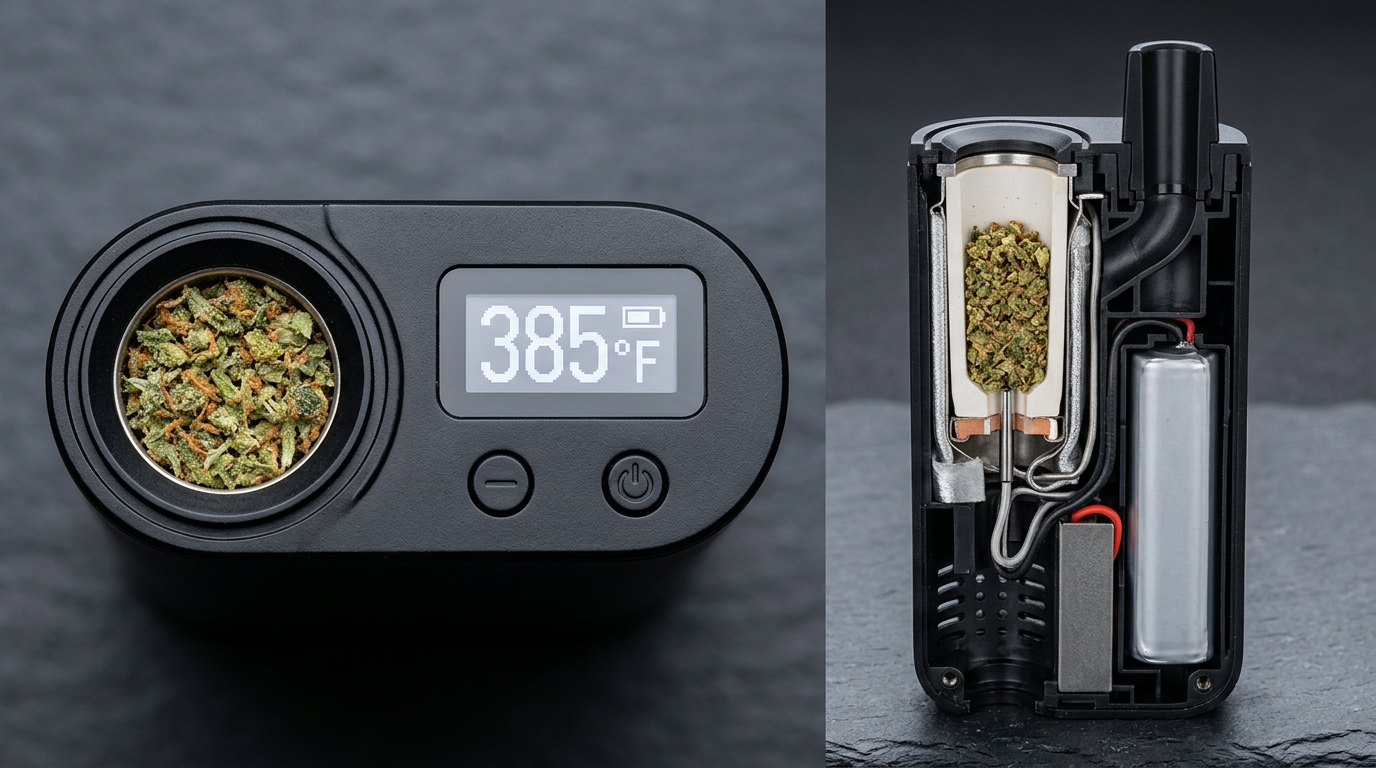
There are two main types of dry herb vaporizers: conduction and convection. Conduction vaporizers heat the flower by direct contact with a hot surface, they’re typically cheaper and heat up faster, but can unevenly heat your material. Convection vaporizers pass hot air through the flower, heating it more evenly and producing cleaner, more flavorful vapor. Premium convection vaporizers are genuinely impressive pieces of technology.
The experience of vaping flower is different from smoking it in ways that surprise people. The flavor is dramatically more pronounced, you taste the terpenes in a way that combustion partially destroys. A bowl of Zkittlez in a quality vaporizer tastes like fruit candy in a way that smoking the same flower simply can’t replicate. The high is also often described as cleaner and more cerebral, which some users love and others find less satisfying than the full-smoke experience.
Temperature control is the key variable in vaporizing. Different cannabinoids and terpenes vaporize at different temperatures. Lower temperatures (around 325-350°F) produce lighter, more flavor-forward vapor with a milder effect. Higher temperatures (375-430°F) produce denser vapor with more pronounced psychoactive effects. Most quality vaporizers let you dial in your preferred temperature, which gives you a level of precision that no other smoking method offers. The Reddit cannabis community consistently recommends dry herb vapes as efficient alternatives to traditional smoking, particularly for people who want to reduce smell indoors or who are health-conscious about combustion.
Cartridge vaporizers (vape pens) use pre-filled cartridges of cannabis oil or distillate. They’re the most discreet, portable option available, they look like a pen, produce minimal odor, and deliver consistent, measured doses. The tradeoff is that you’re working with processed oil rather than whole flower, which means the terpene profile is often less complex unless it’s a live resin or full-spectrum cartridge. In legal markets across the US, cartridge quality varies enormously, always buy from licensed dispensaries in states like California, Oregon, Nevada, or wherever you’re consuming legally.
| Method | Onset Time | Duration | Efficiency | Discretion | Beginner-Friendly | Avg. Cost to Start |
|---|---|---|---|---|---|---|
| Joint | 1-5 min | 1-3 hrs | Moderate | Low | Yes | $5-15 (papers + filter) |
| Blunt | 1-5 min | 1-3 hrs | Moderate | Low | Yes | $2-8 (wraps) |
| Pipe/Bowl | 1-5 min | 1-2 hrs | Moderate | Medium | Yes | $15-60 |
| Bong | Immediate | 1-3 hrs | High | Low | Moderate | $30-200+ |
| One-Hitter | 1-5 min | 30-90 min | High | High | Yes | $10-30 |
| Bubbler | Immediate | 1-3 hrs | High | Medium | Moderate | $25-80 |
| Dry Herb Vape | 1-5 min | 1-3 hrs | Very High | High | Moderate | $50-300+ |
| Vape Pen/Cart | 1-5 min | 1-3 hrs | High | Very High | Yes | $20-60 (cart) |
| Dab Rig | Immediate | 1-4 hrs | Very High | Low | No | $50-500+ |
| Edibles | 30-120 min | 4-8 hrs | Very High | Very High | Moderate | Varies |
Dabbing: The Most Intense Way to Consume Cannabis
Alright, let’s talk about dabs. If you’re brand new to cannabis, bookmark this section and come back to it after you’ve gotten comfortable with flower. Dabbing is considered the most intense way to consume cannabis, and that’s not hyperbole, it’s the consensus of the cannabis community and industry experts alike. Dabs involve vaporizing cannabis concentrates, wax, shatter, live resin, rosin, budder, on a superheated surface called a “nail” or “banger,” then inhaling the resulting vapor through a dab rig (essentially a specialized water pipe).
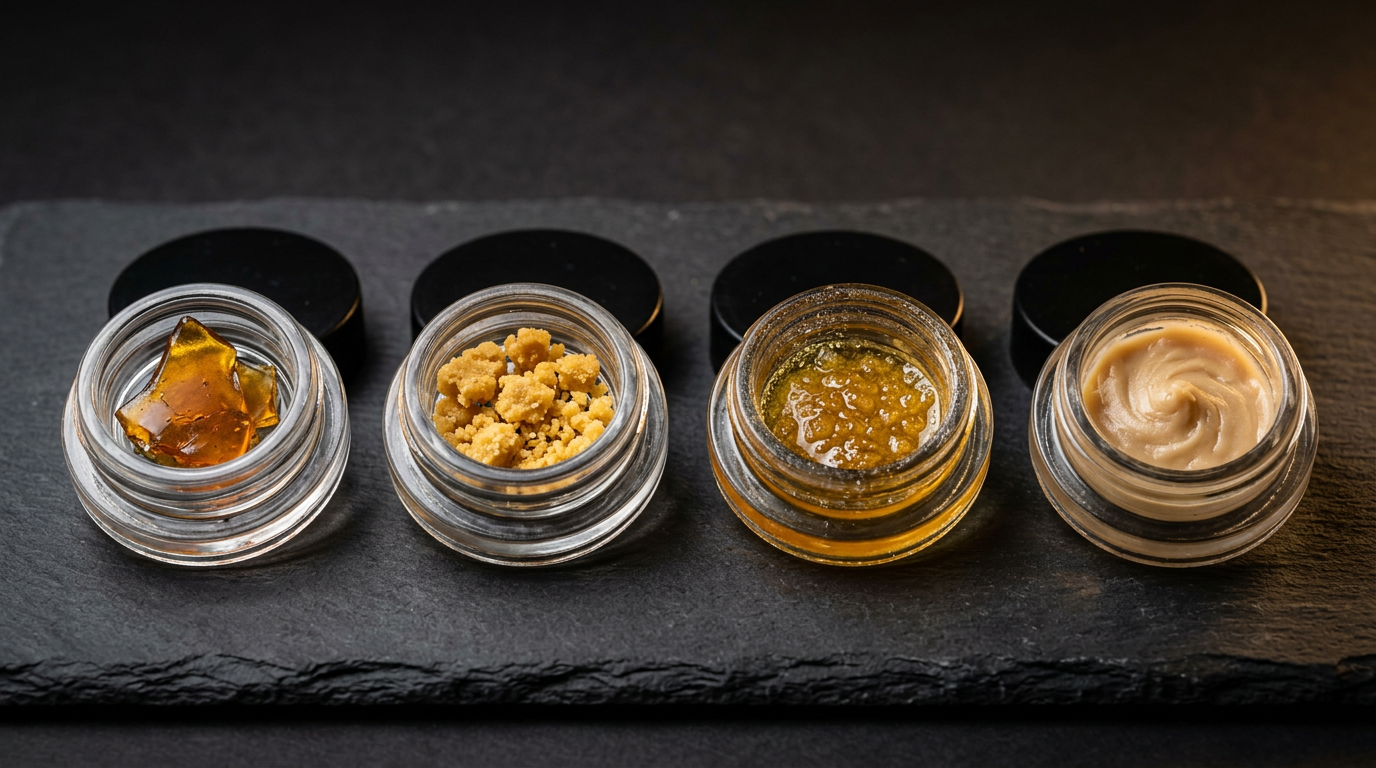
The potency difference between flower and concentrates is significant. While quality flower might test at 20-30% THC, concentrates can reach 70-90% THC or higher. Concentrates are the most potent and efficient way to use cannabis, with products like RSO syringes containing extraordinarily high concentrations of cannabinoids. A small amount goes a very long way, which is why dabbing is typically the domain of experienced consumers with established tolerance.
The dabbing process: heat your banger with a torch until it’s glowing hot, then let it cool for 30-60 seconds (the exact time depends on your banger’s thickness and your target temperature, too hot and you combust the concentrate, too cool and it doesn’t vaporize properly). Apply a small amount of concentrate to the hot banger using a dab tool, cap it with a carb cap to trap the vapor, and inhale through the rig. The hit is immediate, intensely flavorful, and powerfully psychoactive.
Low-temp dabbing (around 450-550°F) has become the preferred method among connoisseurs, it preserves more terpenes, produces smoother vapor, and delivers a more flavorful, nuanced experience. High-temp dabs hit harder and faster but sacrifice flavor and can be harsh. Electronic nails (e-nails) and electronic rigs (like the Puffco Peak) eliminate the torch entirely, maintaining precise temperatures electronically, they’re more expensive but significantly more consistent and safer than open-flame torching.
The flavor profile of a quality live resin or fresh-press rosin dab is extraordinary, it’s the closest you can get to smelling the living plant in a consumable form. Strains with complex terpene profiles really shine in concentrate form. If you’re curious about how terpenes shape the concentrate experience, understanding the entourage effect is required reading.
Non-Smoking Alternatives: Edibles, Tinctures, and Topicals
Not everyone wants to smoke or vape, and that’s completely valid. The non-smoking alternatives to cannabis have evolved dramatically as legal markets have matured, and some of them offer experiences that smoking simply can’t replicate.
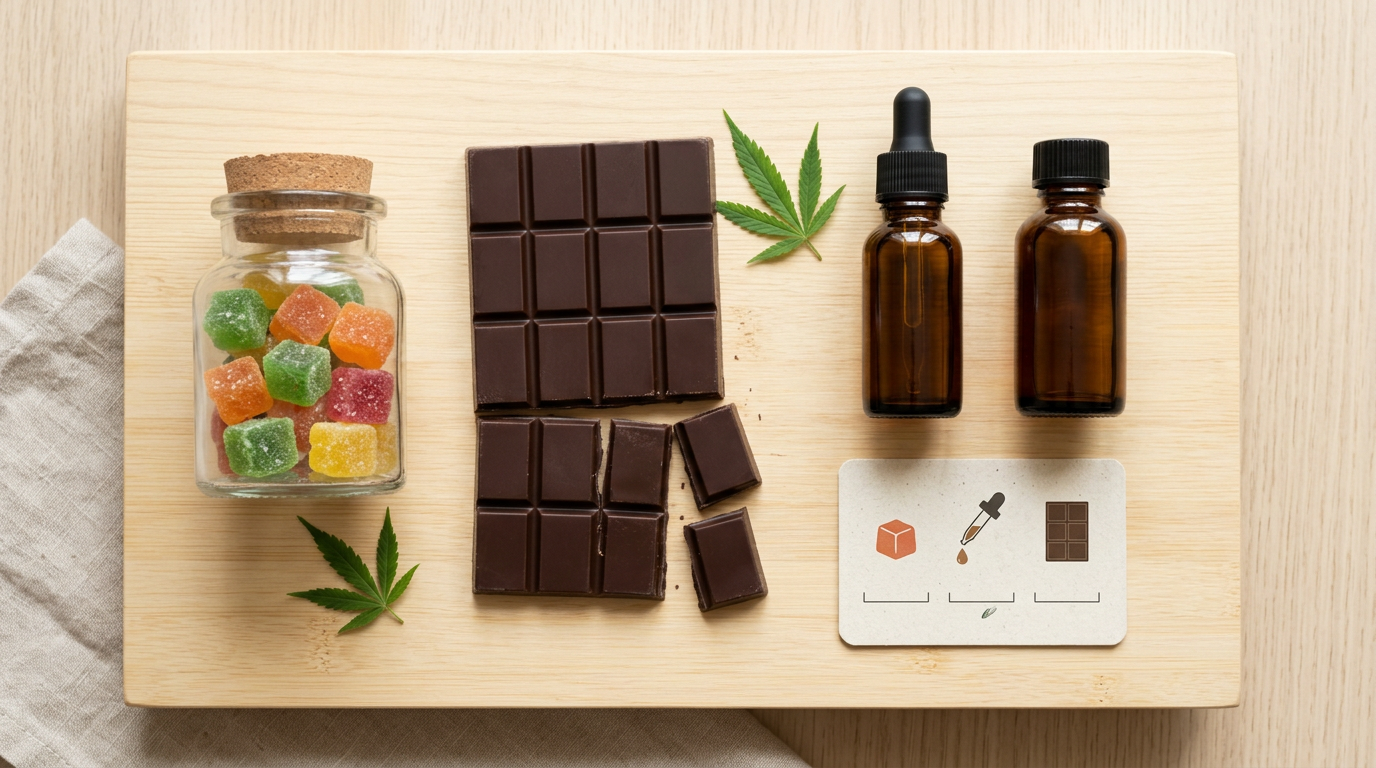
Edibles are oral cannabis products, gummies, chocolates, beverages, baked goods, capsules, that deliver cannabinoids through the digestive system. The onset is dramatically slower than smoking (typically 30 minutes to 2 hours), but the duration is much longer (4-8 hours or more) and the effects tend to be more body-focused and intense at equivalent doses. The reason is pharmacological: when THC is metabolized by the liver, it converts to 11-hydroxy-THC, a compound that crosses the blood-brain barrier more efficiently than inhaled THC and produces a distinctly different, often more sedative and full-body effect.
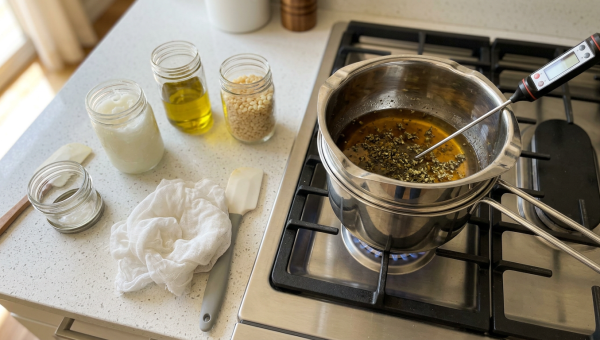
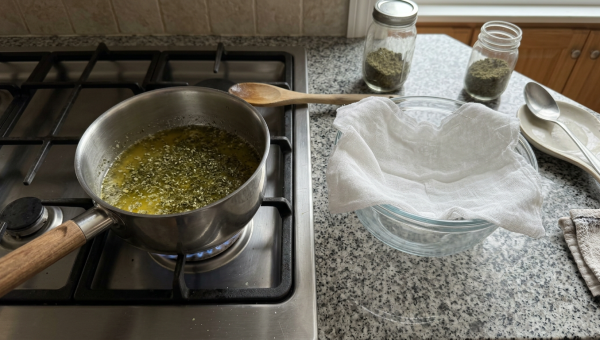
Dosing is the critical variable with edibles. The recommendation from medical professionals and cannabis authorities is to start with 2.5mg THC or less, especially for beginners, or to choose products with a high CBD to low THC ratio. The classic mistake is eating an edible, not feeling anything after 45 minutes, eating more, and then both doses hitting simultaneously. Take it slow, be patient, and always wait the full two hours before deciding to redose. If you want to make your own edibles at home, our comprehensive guide The Complete Beginner’s Guide to Cannabis Butter: Decarb, Infuse, and Dose Like a Pro covers everything you need to know about decarboxylation and infusion.
Tinctures are sublingual cannabis extracts, typically alcohol or oil-based, that you place under your tongue and hold for 60-90 seconds before swallowing. The sublingual mucous membranes absorb cannabinoids directly into the bloodstream, bypassing the digestive system. This gives tinctures a faster onset than traditional edibles (15-45 minutes) with more predictable effects. Tinctures are popular among medical cannabis users and those who want precise, repeatable dosing without smoking.
Topicals, creams, balms, patches, and oils applied directly to the skin, deliver cannabinoids locally without producing psychoactive effects (with the exception of transdermal patches, which can enter the bloodstream). They’re primarily used for localized pain relief, inflammation, and skin conditions. If you’re in a state where cannabis is legal and you want the potential therapeutic benefits of cannabinoids without any intoxication whatsoever, a quality CBD or full-spectrum topical is worth exploring.
Choosing the Right Method for Your Lifestyle: A Decision Framework
Here’s the thing, as Leafly puts it, there is no single “best” method of consumption for cannabis because preferences vary by individual. But that doesn’t mean you can’t make an informed choice. Let me walk you through the key questions that should guide your decision.
If you’re a complete beginner, start simple. A pipe or a pre-rolled joint from a licensed dispensary in your state is the easiest entry point. You don’t need to invest in gear, you don’t need to learn technique, and you can get a feel for how cannabis affects you before committing to anything more complex. Start with a low-THC or high-CBD product, that starting dose recommendation of 2.5mg THC or less applies to smoking too; just take one or two small hits and wait 15 minutes before deciding if you want more.
If you’re a daily consumer focused on efficiency, a dry herb vaporizer or a quality pipe with a consistent routine is probably your best bet. Vaporizers extract more cannabinoids from the same amount of flower compared to combustion, meaning your supply goes further. Our growing expert Darrel Henderson always says that understanding what you’re putting in your body starts with understanding the plant itself, and that applies to how you consume it too.
If discretion is your priority, maybe you’re in a state with complicated social norms around cannabis, or you live in an apartment building, or you just prefer to keep your consumption private, a vape pen cartridge is your answer. Minimal odor, pocket-sized, and socially inconspicuous. Just make sure you’re in a legal state and buying from licensed sources.
If you’re a flavor chaser who wants to taste every nuance of a premium strain’s terpene profile, low-temperature dabbing or a quality convection vaporizer will give you experiences that combustion methods simply can’t match. A live resin dab of Ice Cream Cake is something else entirely, creamy, vanilla-forward, with that myrcene-limonene combination coming through in full technicolor.
If you want the longest-lasting effects and you’re comfortable with delayed onset, edibles are your tool. They’re also the most discreet in terms of consumption, you can eat a gummy anywhere without anyone knowing. Just remember the golden rule: start low, go slow, and be patient.
Cannabis Culture Etiquette: The Unwritten Rules
Cannabis has a culture, and that culture has rules, not written down anywhere, just understood by people who’ve been around. The first and most fundamental rule of smoking weed in a group is puff, puff, pass. You take two hits, you pass to the left (or to whoever’s next in the rotation), and you don’t hold the joint while you’re telling a story. Nobody wants to watch their joint burn down while you’re recounting a fishing trip. Corner the bowl when smoking from a shared pipe, light just the edge of the flower so the person next to you gets a fresh green hit instead of a mouthful of ash. Don’t slobber on the mouthpiece. Don’t pressure anyone to consume more than they want. And if someone says they’re good, respect that completely.
In legal US states, there are also actual laws around cannabis etiquette, where you can consume, whether you can consume in public, whether you can take cannabis across state lines (you cannot, even between two legal states, it remains federally illegal). Know the laws of your state. In California, Colorado, Michigan, Illinois, and other legal states, consumption is generally permitted in private residences and licensed consumption lounges. Public consumption laws vary widely. Do your homework before you light up anywhere outside your own home.
Safety, Greening Out, and Responsible Consumption
Let’s talk about the less glamorous side of cannabis consumption, because it’s real and it matters. “Greening out” is the cannabis community’s term for consuming too much and having an overwhelming, uncomfortable experience. Symptoms include extreme anxiety, paranoia, nausea, dizziness, rapid heart rate, and in severe cases, temporary loss of consciousness. It’s not life-threatening, there are no documented cases of fatal cannabis overdose, but it is deeply unpleasant and entirely preventable.
The most common cause of greening out is consuming too much too fast, particularly with edibles (due to the delayed onset) or with high-potency concentrates. If you find yourself greening out: stop consuming immediately, find a safe, comfortable place to sit or lie down, drink water, eat something if you can, and remind yourself that the feeling will pass. Black pepper is a folk remedy that some users swear by, the beta-caryophyllene in black pepper may interact with cannabinoid receptors in a way that reduces anxiety. CBD is also reported to help counteract THC-induced anxiety, which is why GoodRx and other health authorities recommend starting with high-CBD, low-THC products as a beginner.
Long-term responsible use means being honest with yourself about your consumption patterns. There’s no universally “healthy” amount of weed to smoke per week, it depends entirely on your individual physiology, your reasons for consuming, and how cannabis affects your daily functioning. What’s clear from the research is that daily heavy smoking does carry respiratory risks associated with combustion, which is why vaporizers are increasingly recommended for regular consumers. If you’re consuming cannabis for specific therapeutic purposes, talking to a healthcare provider, particularly in states with robust medical cannabis programs like California, Florida, or New York, is always a good idea.
Mixing cannabis with alcohol amplifies both substances’ effects significantly and dramatically increases the likelihood of greening out. Cannabis and driving is illegal everywhere in the US and genuinely dangerous, impairment affects reaction time and judgment. Keep your consumption to safe environments, know your limits, and look out for the people around you.
Cleaning and Maintaining Your Cannabis Equipment
This section doesn’t get enough attention in most cannabis guides, and I think that’s a mistake. Clean equipment isn’t just about aesthetics, it directly affects the flavor, smoothness, and overall quality of your experience. Resin buildup in a pipe or bong creates harsh, foul-tasting smoke that obscures the actual terpene profile of your flower. You grew or bought good cannabis; don’t ruin it with a dirty piece.
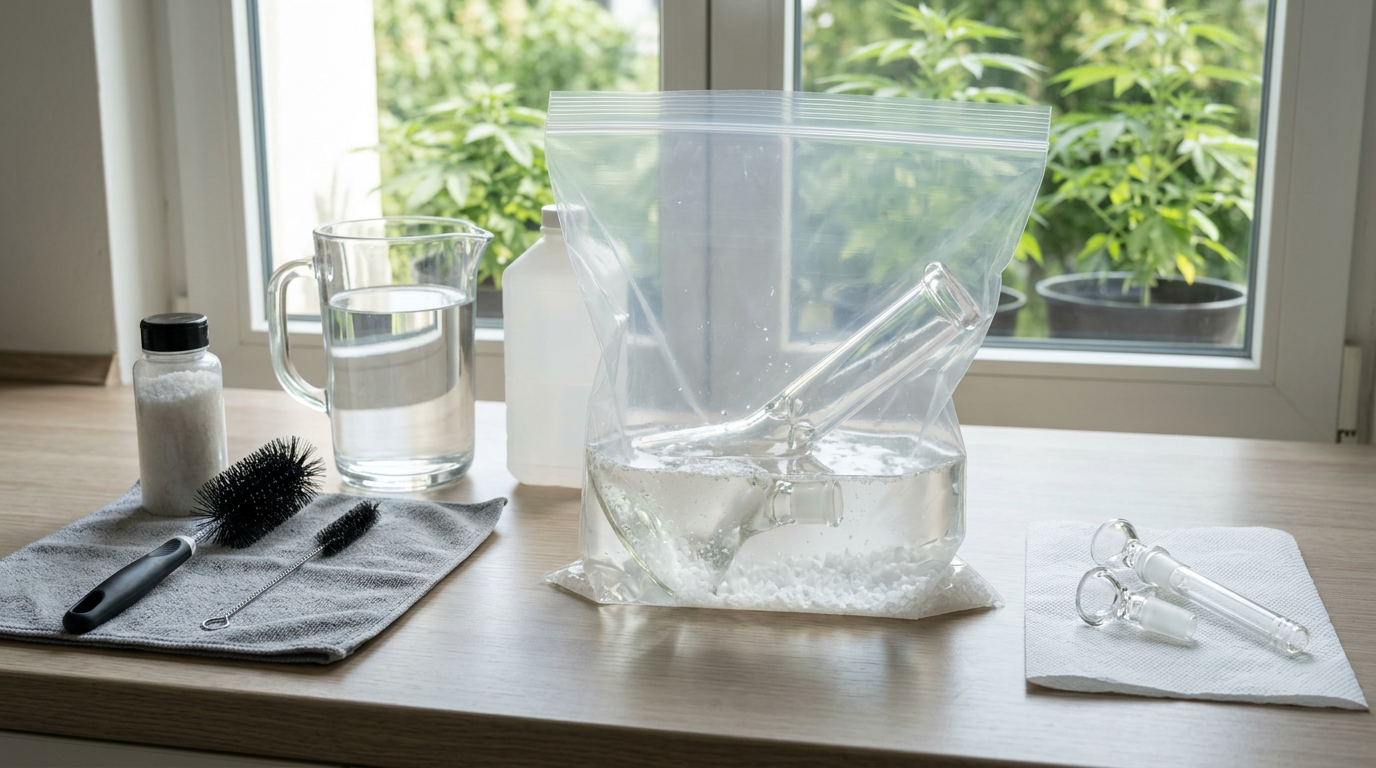
For glass pipes and bongs, the gold standard cleaning method is isopropyl alcohol (91% or higher) and coarse salt. Place your piece in a sealed plastic bag, add a generous amount of isopropyl and a few tablespoons of salt, and shake vigorously. The salt acts as an abrasive, the alcohol dissolves the resin. Let it soak for stubborn buildup, then rinse thoroughly with hot water. Never use your piece while any alcohol residue remains, rinse until the water runs completely clear and you can’t detect any alcohol smell.
Vaporizers require different maintenance depending on the model. The vapor path, the mouthpiece, the screen, the chamber, should be cleaned regularly with isopropyl-soaked cotton swabs. Most manufacturers recommend cleaning after every 5-10 sessions. The “ABV” (already been vaped) material in the chamber should be emptied after each session, some people save their ABV because it still contains active cannabinoids and can be used in edibles, though the flavor is noticeably degraded.
Dab rigs should be cleaned after every session. Residual concentrate that’s been heated repeatedly develops a harsh, unpleasant flavor that ruins subsequent dabs. Swab your banger with a cotton swab while it’s still warm (not hot) after each dab, and do a full isopropyl soak of the rig regularly. A clean dab rig is the difference between tasting the full terpene complexity of a premium live resin and tasting nothing but burnt residue.
Pairing Strains with Consumption Methods
This is where things get genuinely fun, and where the intersection of strain knowledge and consumption method knowledge pays dividends. Different strains express themselves differently depending on how you consume them, and thinking about this pairing intentionally can meaningfully elevate your experience.
For joints and blunts, you want strains with robust, assertive terpene profiles that hold up through the paper or wrap. Sour Diesel is a classic joint strain, that sharp, fuel-forward aroma comes through even with the paper in the mix. Pineapple Express rolls up beautifully, its tropical sweetness translating well through a slow-burning hemp paper. For blunts, something with earthy, complex depth like Granddaddy Purple or Northern Lights pairs naturally with the earthiness of a tobacco wrap.
For vaporizers, delicate, complex terpene profiles shine brightest. Gelato in a convection vaporizer at around 340°F is a revelation, you taste the sweet, creamy, almost dessert-like terpene profile in a way that combustion partially destroys. Wedding Cake and Runtz are similarly spectacular through a quality vape. The lower temperatures preserve the monoterpenes that give these strains their distinctive sweetness.
For dabbing, you want concentrates made from strains with terpene profiles robust enough to survive the concentration process. Girl Scout Cookies as a live resin dab is iconic, that sweet, earthy, slightly minty complexity comes through with remarkable clarity. Jack Herer as a live rosin delivers that distinctive terpinolene-forward profile in an almost overwhelming sensory experience. If you want to understand why certain strains translate so beautifully into concentrates, diving into cannabis terpene science is what you need.
The Cost and Efficiency Breakdown
Let’s talk money, because the economics of cannabis consumption are real and worth thinking about. The upfront cost of your method and the ongoing efficiency of how you use your flower both factor into the true cost of your cannabis habit.
Joints and blunts have the lowest barrier to entry, rolling papers are a few dollars, blunt wraps are cheap, and a decent grinder runs $15-30. But they’re the least efficient combustion method because the joint or blunt keeps burning between your puffs, essentially wasting flower. For daily consumers, this inefficiency adds up over time.
Pipes and bongs require a moderate upfront investment ($15-200 depending on quality and complexity) but are more efficient than joints because you control exactly when you’re burning. A bong, in particular, can stretch your flower further because the hits are more impactful, meaning you consume less to achieve the same effect.
Dry herb vaporizers have the highest upfront cost of the flower-based methods ($50-300+ for a quality unit) but the best long-term efficiency. Vaporization extracts more cannabinoids from the same amount of flower compared to combustion, meaning your supply genuinely goes further. For heavy daily consumers, the efficiency gains can offset the upfront cost within months.
Concentrates for dabbing are expensive per gram compared to flower, but the potency means you use dramatically less material per session. A small dab of quality concentrate can deliver an experience that would require a full joint of flower to replicate. For experienced consumers with high tolerance, concentrates can actually be cost-effective despite the higher per-gram price.
If you’re interested in growing your own and dramatically reducing your long-term cannabis costs, our comprehensive home growing guide covers everything from seed selection to harvest. Growing your own is the ultimate cost-efficiency play for serious cannabis consumers.
Frequently Asked Questions
What is the most efficient way to use cannabis?
Dry herb vaporizers are generally considered the most efficient way to consume cannabis flower, as vaporization extracts more cannabinoids from the same amount of material compared to combustion. Concentrates used in a dab rig are the most efficient in terms of cannabinoid delivery per session, given their extremely high potency. One-hitters also rank highly for efficiency among smoking methods because you consume exactly one hit’s worth of flower at a time with no waste between puffs.
What is the first rule of smoking weed in a group?
Puff, puff, pass, without question. The etiquette is simple: take two hits, then pass the joint, blunt, or pipe to the next person in the rotation. Don’t hold the piece while you’re talking, don’t skip people in the rotation, and don’t pressure anyone to consume more than they want. When smoking from a shared bowl, “corner” it by lighting only the edge of the flower so everyone gets a fresh green hit.
Are bongs the healthiest way to smoke weed?
Bongs are smoother than dry pipes or joints due to water filtration cooling the smoke and filtering some particulates, but they are not truly a “healthy” smoking method because combustion still produces carbon monoxide and other byproducts. If health is your primary concern, vaporizers, which heat cannabis without combustion, are the most health-conscious smoking alternative. Vaporizers are specifically described by cannabis health authorities as the health-conscious option for cannabis consumption.
What is the most intense way to consume cannabis?
Dabbing is widely considered the most intense way to consume cannabis. Concentrates used in dabbing can reach THC levels of 70-90% or higher, compared to 20-30% in quality flower. The immediate onset and high volume of cannabinoids delivered in a single dab produce effects that are significantly more intense than any flower-based smoking method. Dabbing is not recommended for beginners or those with low tolerance.
What is the best form of consumption for cannabis beginners?
For beginners, a pre-rolled joint or a simple pipe with low-THC or high-CBD flower is the easiest starting point. Vape pen cartridges with measured doses are also beginner-friendly because they offer consistent, predictable dosing. The key is to start with a small amount, the general recommendation is 2.5mg THC or less, take one or two hits, wait 15-20 minutes to assess the effects, and go from there. Avoid edibles as a first experience due to the delayed onset and difficulty in controlling dosage.
What are the ways to smoke cannabis?
The main ways to smoke cannabis include joints (cannabis rolled in paper), blunts (cannabis rolled in a tobacco leaf or hemp wrap), pipes and bowls (handheld glass or metal pieces), bongs (water-filtered pipes), one-hitters and chillums (small, single-hit pipes), and bubblers (handheld water pipes). Vaporizers heat cannabis without combustion and are technically distinct from smoking, though they fall under the broader inhalation category. Dab rigs vaporize cannabis concentrates and represent the most potent inhalation method.
What is a healthy weed smoking schedule for daily consumers?
There is no universally defined “healthy” cannabis smoking schedule, as individual physiology, tolerance, and reasons for consuming vary significantly. What health authorities generally agree on is that daily combustion-based smoking carries cumulative respiratory risks, which is why regular consumers who want to minimize harm are encouraged to use vaporizers instead of smoking. Regardless of method, taking regular tolerance breaks, periods of a few days to a few weeks without cannabis, helps maintain sensitivity to the plant’s effects and allows your body to reset. If you’re consuming cannabis daily for therapeutic purposes, consulting a healthcare provider in a state with a medical cannabis program is advisable.
Whether you’re just figuring out how to roll your first joint or you’re deep in the concentrate rabbit hole chasing the perfect low-temp dab, the world of cannabis consumption is rich, varied, and endlessly interesting. The “best” method is the one that fits your life, your goals, and your relationship with the plant. Start where you’re comfortable, stay curious, and don’t be afraid to explore. That’s what this culture is all about.