I still remember the first time I ate an edible without really understanding what I was doing. It was a brownie from a friend’s kitchen, no label, no milligram count, and absolutely no patience on my part. Two hours later I was convinced I’d accidentally eaten a spaceship. That experience, equal parts hilarious and overwhelming in retrospect, is exactly why I became obsessed with edibles education. Because when you get the dosing right, when you understand how these incredible infused foods work in your body, edibles become one of the most pleasurable, precise, and versatile ways to enjoy cannabis. And when you get it wrong? Well. You know.
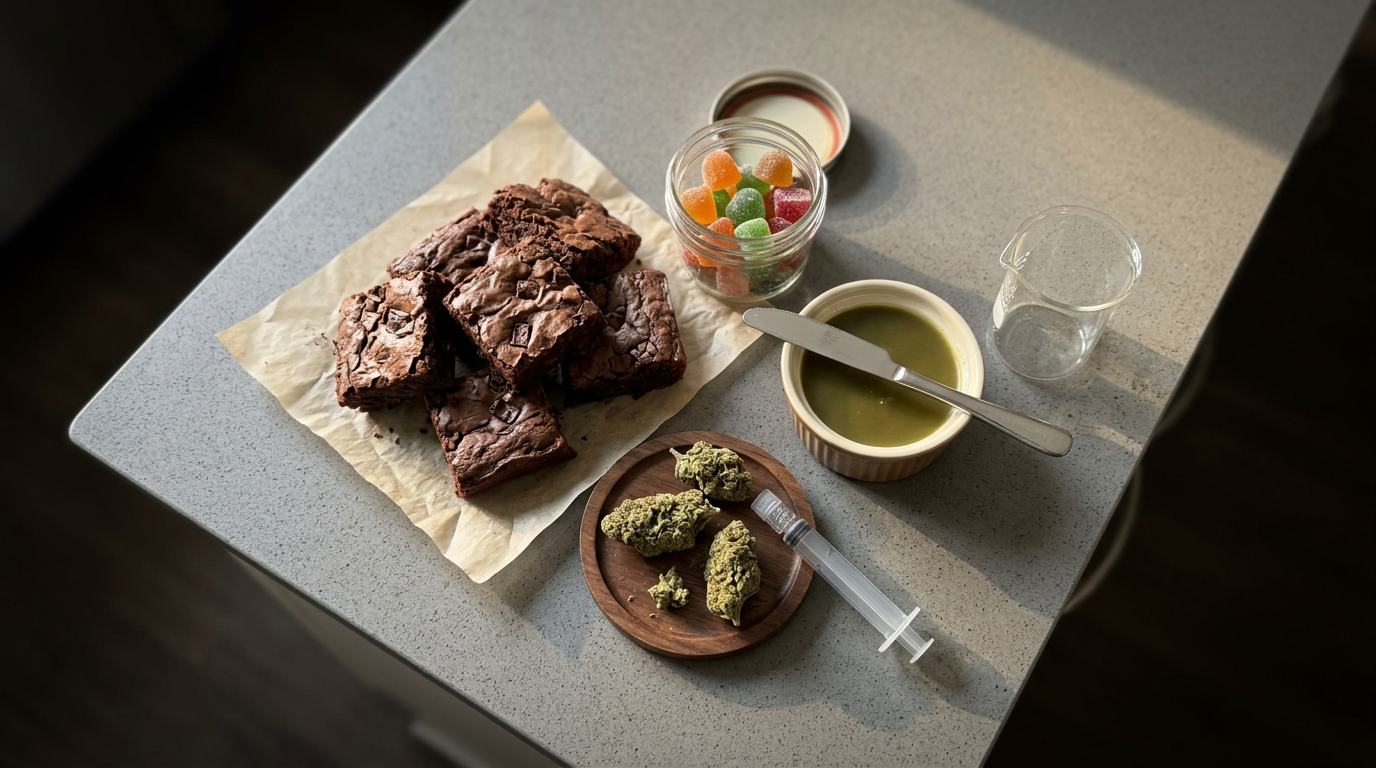
This guide is everything I wish I’d had that night. Whether you’re a complete beginner trying to figure out what “5mg” actually means for your body, a home cook ready to graduate from basic cannabutter to something genuinely delicious, or an experienced consumer looking to dial in your tolerance and troubleshoot inconsistent homemade batches, this is your definitive resource. We’re covering decarboxylation science, infusion methods, the full dosing spectrum, onset timing, strain selection for edibles, state regulations, storage, and a whole lot more. Bookmark this one. You’ll come back to it. You can also browse our cannabis blog for related deep-dives on everything from terpenes to growing your own medicine.
- Why Edibles Hit Differently: The Science Behind the Experience
- Decarboxylation: The Non-Negotiable First Step
- Infusion Methods: Cannabutter, Coconut Oil, and Beyond
- The Complete Dosing Guide: Finding Your Perfect Milligram
- Making Edibles at Home: Step-by-Step from Flower to Finished Product
- Edibles vs. Other Consumption Methods: A Real-World Comparison
- Troubleshooting Homemade Edibles: Why Your Batch Didn’t Work
- Strain Selection for Edibles: Flavor, Effect, and Terpene Pairing
- Storage, Shelf Life, and Safety: Protecting Your Edibles and Everyone Around You
- Commercial Edibles: Navigating the Dispensary Shelf
- Microdosing with Edibles: The Art of Subtle Enhancement
- What to Do If You’ve Taken Too Much
Why Edibles Hit Differently: The Science Behind the Experience
The single most important thing to understand about edibles is that they are not just “smoking but slower.” The pharmacology is genuinely different, and understanding why changes everything about how you approach dosing and timing.
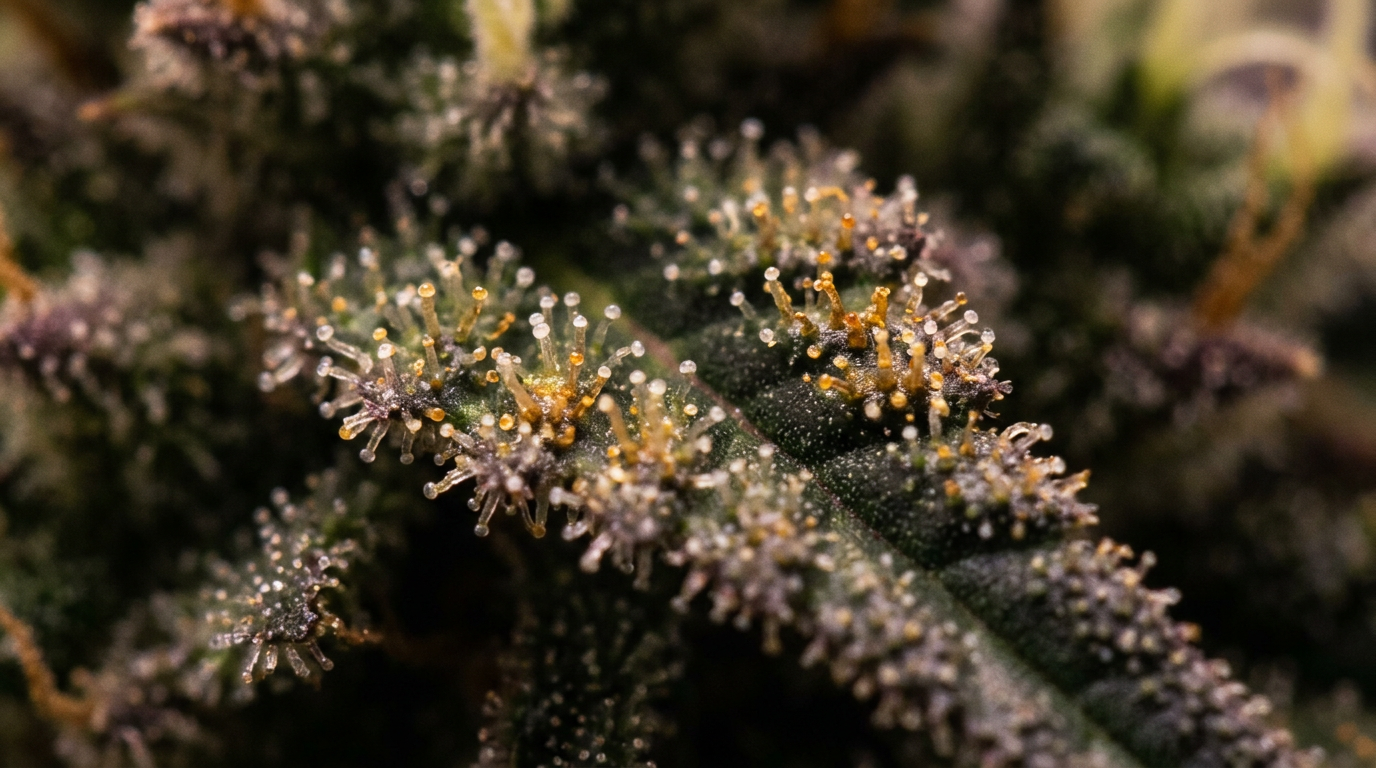
When you smoke or vape cannabis, THC enters your bloodstream directly through your lungs and reaches your brain within minutes. Edibles take a completely different route. THC is absorbed through your digestive system, processed by your liver, and converted into a compound called 11-hydroxy-THC, a metabolite that is significantly more potent and longer-lasting than inhaled delta-9-THC. This is why a 10mg edible can feel dramatically more intense than smoking what seems like an equivalent amount, and why the effects can last anywhere from four to eight hours rather than one to two. As Maya Chen explains in her entourage effect deep-dive, the way cannabinoids interact with your endocannabinoid system is profoundly shaped by how they enter the body, and the oral route creates a genuinely distinct biochemical event.
This liver conversion also explains one of the most common Reddit complaints about edibles: wildly inconsistent experiences even with the same labeled dose. Factors including your individual liver enzyme activity, stomach contents, metabolism speed, body composition, and even hydration levels all influence how much 11-hydroxy-THC your body produces and how quickly. Someone who just ate a fatty meal will absorb cannabinoids more efficiently than someone who consumed an edible on an empty stomach, but they may also experience a delayed onset that tricks them into thinking the edible isn’t working, which is exactly when people make the classic mistake of taking more too soon. Experienced users on cannabis forums consistently recommend eating a light meal containing some healthy fats before consuming edibles, which supports absorption while moderating the intensity curve.
Onset time is another variable that trips people up. Most sources, including the dosing guidance published by Kiva Confections, one of California’s most respected edibles brands, recommend waiting at least 45 to 90 minutes before assessing whether you need more, with some guidance extending that window to two full hours for cautious first-timers. Sublingual products like cannabis-infused mints or tinctures that dissolve under the tongue can act faster because some absorption happens through the mucous membranes before the rest enters the digestive tract. Beverages and liquid edibles also tend to onset more quickly than dense baked goods because they move through the stomach faster. Understanding these nuances isn’t just academic, it’s the difference between a lovely evening and a very long night on your couch.
Decarboxylation: The Non-Negotiable First Step
Before any cannabis can make an effective edible, it must be decarboxylated, and this is the step that most beginners either skip or get wrong, which is why their homemade brownies don’t do much of anything. Raw cannabis flower contains THCA, the acidic precursor to THC. THCA is not psychoactive. When you smoke or vaporize cannabis, the heat instantly converts THCA to THC. When you’re making edibles, you need to apply that heat deliberately before you ever add cannabis to butter or oil.
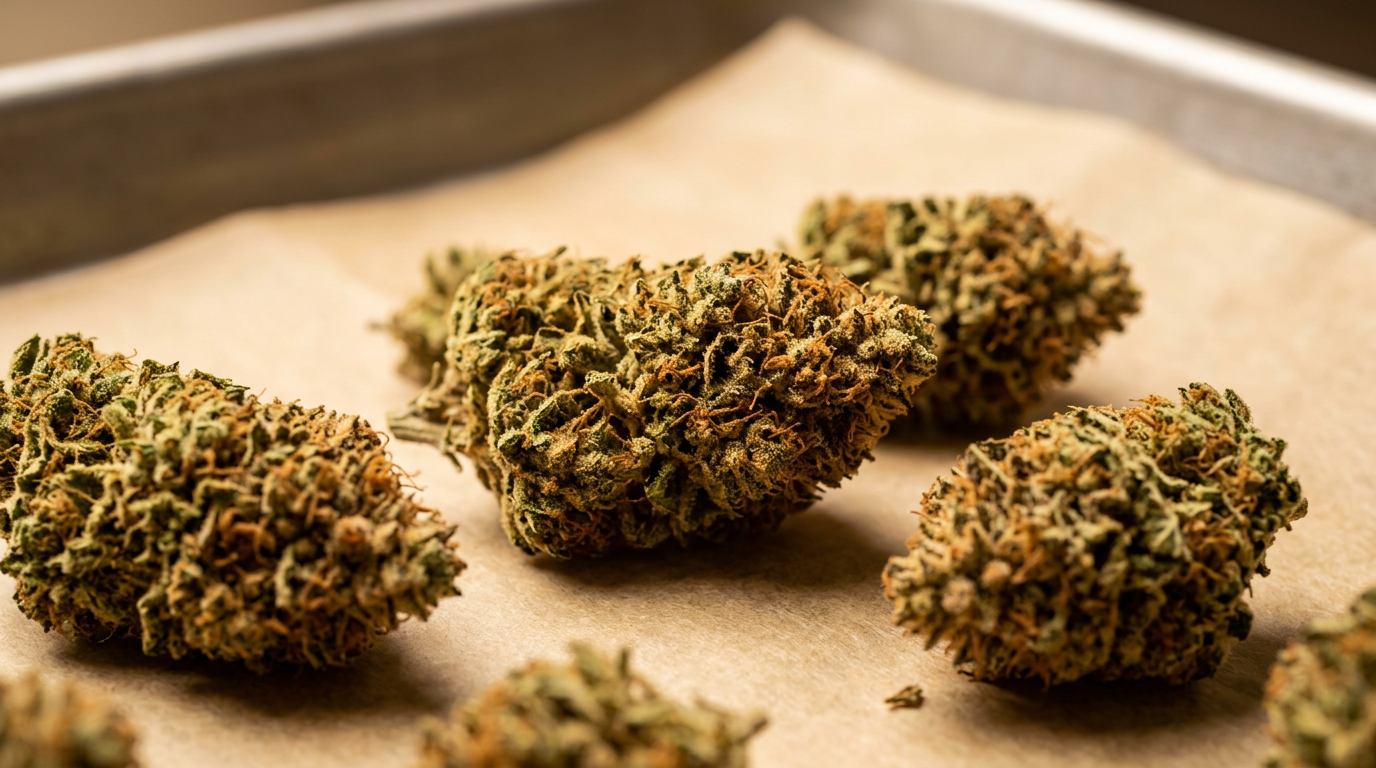
The process is beautifully simple: spread your ground cannabis in a single layer on a parchment-lined baking sheet, cover loosely with foil to prevent terpene loss, and bake at 240°F (115°C) for 40 minutes. This temperature and time combination is widely cited as the sweet spot, hot enough to efficiently convert THCA to THC without destroying cannabinoids or burning off all the aromatic terpenes that contribute to flavor and the entourage effect. Some home cooks prefer 250°F for 30 minutes, and both approaches work. What doesn’t work is skipping this step entirely, or using temperatures above 300°F, which begins to degrade cannabinoids rapidly.
The visual cue you’re looking for is a color change from bright green to a toasty golden-brown. Your kitchen will smell absolutely incredible, nutty, herbal, warm. That aroma is your confirmation that decarboxylation is happening. Once your cannabis has cooled, it’s ready to infuse into your fat of choice. The full technical walkthrough for this process, including tips on maintaining potency through every stage, lives in our dedicated guide: The Complete Beginner’s Guide to Cannabis Butter: Decarb, Infuse, and Dose Like a Pro.
Infusion Methods: Cannabutter, Coconut Oil, and Beyond
Cannabutter and cannabis-infused oils are the foundational building blocks of virtually every homemade edible, and choosing the right infusion medium for your recipe makes a significant difference in both potency and flavor. THC and other cannabinoids are fat-soluble, meaning they bind to fat molecules during the infusion process, which is why you can’t simply steep cannabis in water and expect psychoactive results.
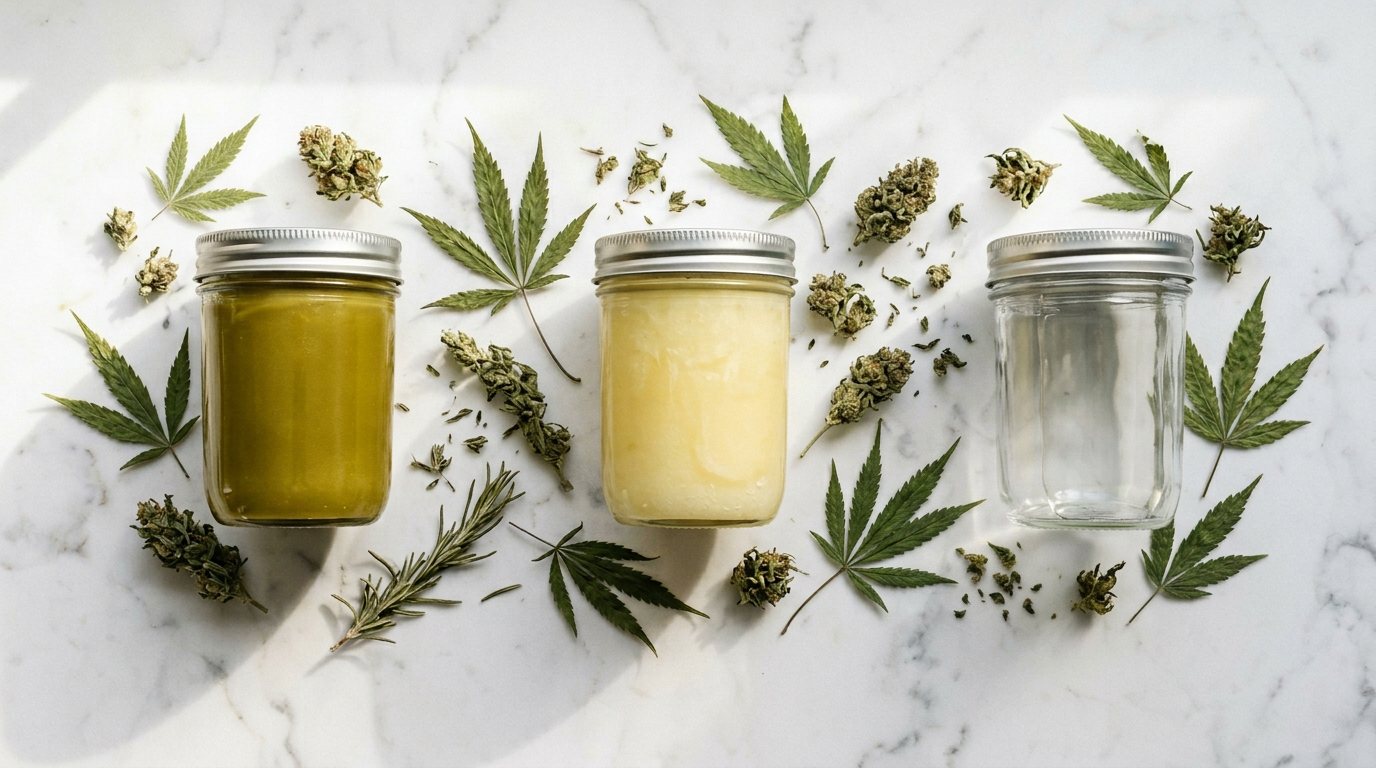
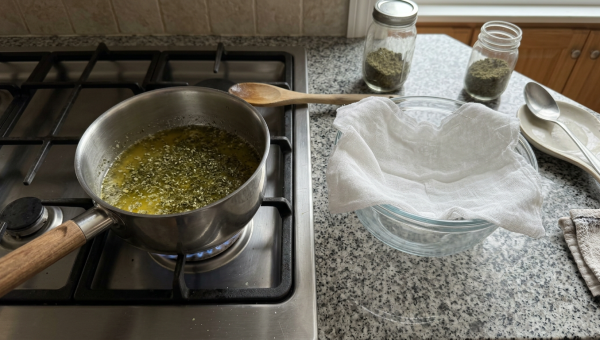
Unsalted butter is the classic choice and the one I reach for most often when I’m baking. Its flavor is rich and neutral enough to work in everything from chocolate chip cookies to pasta sauces, and the fat content is ideal for cannabinoid absorption. The standard ratio I use is one cup of butter to one cup of water (the water prevents scorching and is discarded after) with one cup of decarbed cannabis, simmered on the lowest possible heat for two to three hours. The result is a beautiful, golden-green cannabutter that smells like an herb garden and a bakery had a baby.
Coconut oil has become my second go-to, especially for vegan recipes, capsules, and tropical-flavored gummies. It has an exceptionally high saturated fat content, which means it bonds efficiently with cannabinoids and produces a potent infusion. It’s also solid at room temperature, which makes it easy to dose by the tablespoon. The flavor is mild and slightly sweet, which pairs wonderfully with fruity edibles. For savory applications, think cannabis-infused olive oil for pasta or salad dressings, a high-quality extra virgin olive oil works beautifully, though the lower saturated fat content means you may get slightly less efficient extraction than with coconut oil or butter.
For those who want the most precise potency control, a dedicated cannabis infusion machine (several brands make countertop devices) takes the guesswork out of temperature and timing. These devices are genuinely useful if you’re making large batches or infusing for medical purposes where consistency matters most. That said, a slow cooker or a simple double boiler on your stovetop produces excellent results and requires nothing more than patience and a reliable thermometer, keep your infusion temperature between 160°F and 200°F to extract efficiently without degrading cannabinoids.
| Infusion Medium | Best For | Fat Content | Flavor Profile | Shelf Life | Vegan |
|---|---|---|---|---|---|
| Unsalted Butter | Baked goods, sauces, savory dishes | High | Rich, creamy, neutral | 2–3 weeks refrigerated | No |
| Coconut Oil | Gummies, capsules, tropical recipes | Very High | Mild, slightly sweet | 2 months at room temp | Yes |
| Olive Oil | Salad dressings, pasta, drizzles | Medium | Fruity, grassy, robust | 1 month refrigerated | Yes |
| MCT Oil | Tinctures, capsules, beverages | High (medium-chain) | Neutral, odorless | 6+ months | Yes |
| Vegetable Shortening | Pie crusts, frostings, frying | Very High | Neutral | 3–4 weeks refrigerated | Yes |
The Complete Dosing Guide: Finding Your Perfect Milligram
Dosing is where edibles get personal, and I mean that literally, your ideal dose is not the same as your friend’s, your partner’s, or anyone else’s. Body weight, metabolism, liver enzyme activity, prior cannabis exposure, and even your gut microbiome all influence how you process edibles. What I can give you is a framework that accounts for all of these variables, plus the universal principle that every credible cannabis educator, dispensary, and brand agrees on: start low and go slow.
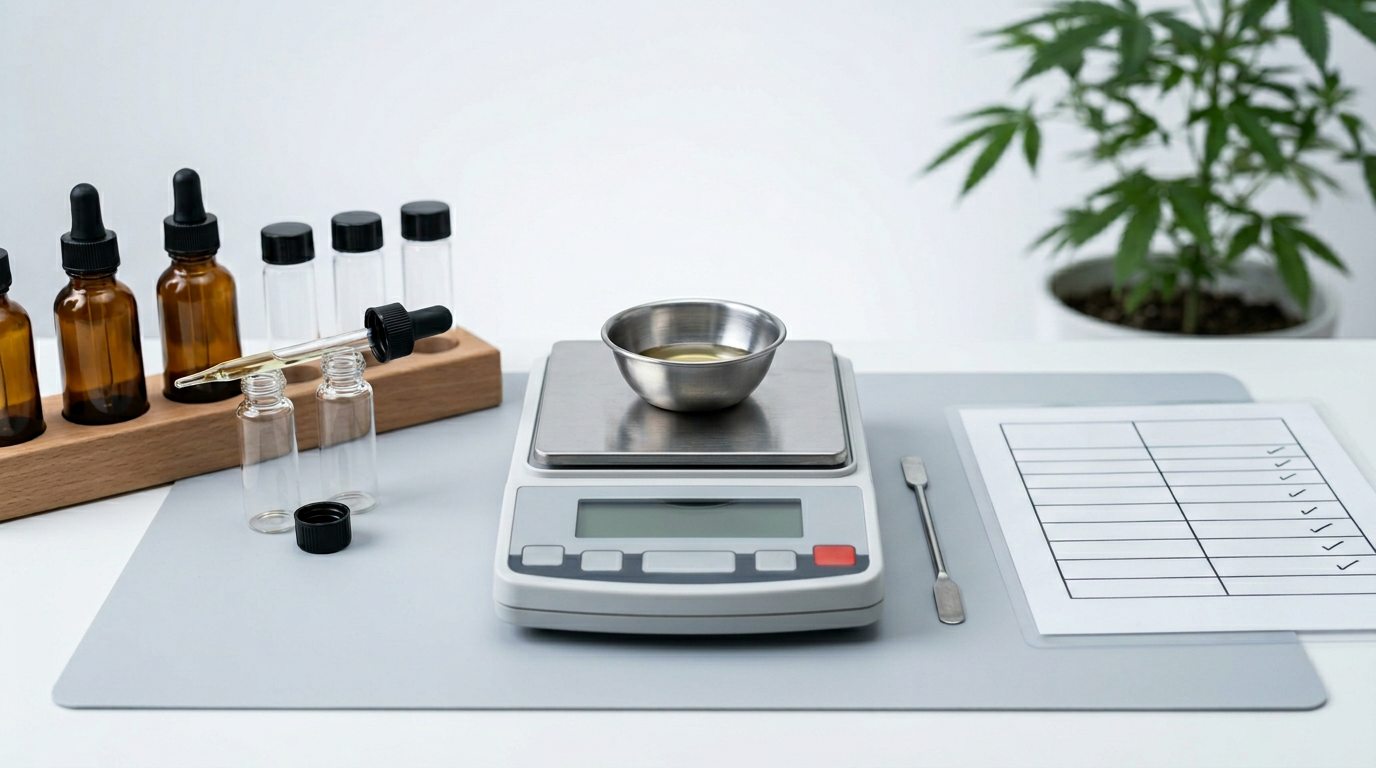
According to dosing guidance widely cited across the industry, including by Kiva Confections and resources from dispensaries across California, Colorado, and beyond, the established dosing tiers look like this: a microdose sits at 1–2.5mg of THC, which is ideal for subtle mood elevation, focus, or anxiety relief without any significant intoxication. A low dose of 3–5mg is where most first-timers should begin, producing mild euphoria and relaxation. A moderate dose of 10–15mg is appropriate for regular consumers with some tolerance. A high dose of 20–30mg is for experienced users with established tolerance, and anything in the 50–100mg+ range is considered very high and appropriate only for patients with significant medical needs or consumers with very high tolerance.
For absolute beginners, starting at 2.5–5mg of THC is the universally recommended entry point. This is not timidity, it’s strategy. The goal of your first edible experience is to understand how your specific body responds, not to get as high as possible. Many people find that 5mg is genuinely their sweet spot for social situations, creative work, or relaxing evenings. Others discover they need 15mg to feel much at all. You cannot know which camp you’re in without starting low and building up incrementally.
The guidance from multiple industry sources suggests increasing your dose by no more than 1mg per session when titrating upward, giving yourself at least 24 hours between sessions to fully assess the previous dose. This slow-build approach might feel frustratingly cautious, but it’s the methodology that consistently produces the best long-term relationship with edibles.
Body Weight, Tolerance, and Personalized Dosing
While there’s no official body-weight-based dosing formula for cannabis the way there is for some medications, body composition does play a role. Generally speaking, individuals with higher body weight and faster metabolisms may find that standard doses feel milder, while smaller individuals or those with slower digestive systems may be more sensitive. The more meaningful variable, however, is tolerance, someone who has never consumed cannabis will respond far more intensely to 5mg than someone who consumes daily.
A practical personalized approach: if you’re completely cannabis-naive, start at 2.5mg. If you smoke or vape occasionally (a few times per month), 5mg is a reasonable starting point. Regular consumers (several times per week) might start at 10mg. Daily consumers with established tolerance often find themselves in the 15–25mg range for noticeable effects. And if you’re a medical patient using edibles for significant symptom management, working with a cannabis-knowledgeable healthcare provider to find your therapeutic dose is genuinely worthwhile.
One nuance worth noting: full-spectrum edibles, those made with whole-plant extracts containing THC, CBD, minor cannabinoids, and terpenes, may require lower starting doses than isolate-based products. This is the entourage effect in action. The synergistic interaction between cannabinoids and terpenes can amplify effects, meaning a 10mg full-spectrum gummy might feel more potent than a 10mg isolate gummy for some people. If you’re choosing between product types at a dispensary, this is worth factoring into your starting dose calculation.
High-Tolerance Users and State Regulations
One of the most common frustrations I hear from experienced cannabis consumers, and it comes up constantly in online communities, is the tension between personal tolerance needs and state-mandated serving size limits. Vermont, for example, mandates 5mg per serving with a 100mg total package limit, which means a high-tolerance user needs to consume multiple servings to achieve their desired effect. California’s regulations allow 10mg per serving with a 100mg package limit. Colorado similarly caps servings at 10mg.
These regulations exist for genuinely good reasons, they protect new consumers and prevent accidental overconsumption, but they do create real inconvenience for medical patients and experienced recreational users who know their bodies well. The practical workaround for regulated-state consumers with high tolerance is either purchasing the maximum package size and consuming multiple servings deliberately, or making their own edibles at home where they can dose to their exact specifications. Home production is legal for personal use in most adult-use states, though the specific rules vary, always check your state’s current regulations before growing or producing cannabis at home.
Making Edibles at Home: Step-by-Step from Flower to Finished Product
Making edibles at home is one of my absolute favorite things to do in the kitchen, and I want to demystify it completely. The process has a reputation for being complicated or intimidating, but the core technique is genuinely accessible to anyone who can make a pot of tea. The key variables are quality starting material, proper decarboxylation, careful infusion, and accurate dosing math.
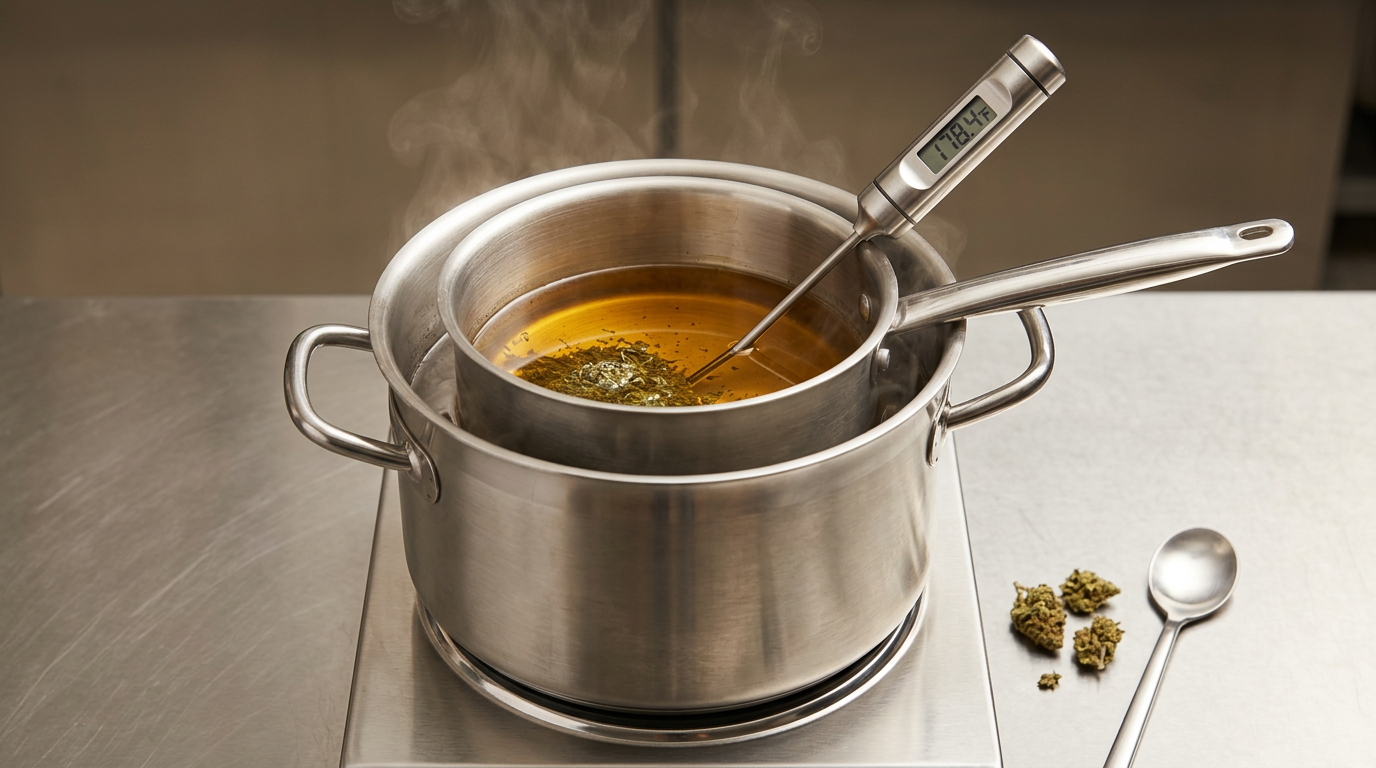
Calculating Your Homemade Edible Potency
This is where most home cooks get lost, and it’s worth spending real time here because inaccurate dosing is the number one reason homemade edibles produce inconsistent results. The math is actually straightforward once you understand the formula. Start with the THC percentage of your flower (listed on the package if you bought it from a dispensary, or estimated if you’re growing your own, Darrel Henderson‘s complete growing roadmap covers how to think about potency at harvest). One gram of cannabis contains 1,000mg of dry weight. A flower labeled at 20% THC contains approximately 200mg of THC per gram.
However, you won’t extract 100% of available THC during infusion, typical home extraction efficiency runs between 60–80% depending on your method, temperature control, and infusion time. Using a conservative 70% efficiency estimate: one gram of 20% THC flower yields approximately 140mg of extractable THC. If you infuse 7 grams (about a quarter ounce) into one cup of butter, you have roughly 980mg of THC in that cup. If your recipe uses one-quarter cup of butter and makes 24 cookies, each cookie contains approximately 10mg of THC. That’s the math. Write it down every time you make a batch, and label everything clearly.
The single biggest source of inconsistency in homemade edibles isn’t the math, it’s uneven distribution of the infused fat throughout the batter. Stir thoroughly and consistently. If you’re making gummies, ensure your infused oil is fully incorporated before pouring into molds. If you’re making cookies, use a cookie scoop for uniform sizing. These small mechanical steps have a huge impact on dose consistency from piece to piece.
Beyond Brownies: The Full Spectrum of Edible Types
One of the things I love most about edibles culture in 2026 is how far we’ve moved beyond the stereotypical pot brownie. The commercial market now includes gummies, chocolates, mints, beverages, hard candies, caramels, honey, cooking oils, infused condiments, savory snacks, and even cannabis-infused pasta. The home kitchen has followed suit, and I’ve personally made everything from cannabis-infused olive oil for bruschetta to a very memorable THC-spiked hot sauce that became the star of a dinner party.
Gummies are the most popular edible format on the market right now, and for good reason, they’re portable, discreet, easy to dose precisely, and the flavor possibilities are genuinely exciting. Juice-based gummies in particular allow complete control over both flavor profile and potency, and they’ve become a beloved project in the home edibles community. The technique requires gelatin (or agar for vegan versions), fruit juice or flavoring, sugar, citric acid for tartness, and your infused oil or tincture. The critical technique point with gummies is temperature, your cannabis oil needs to be incorporated at the right moment in the cooling process to prevent separation and ensure even distribution.
Chocolates are another home kitchen favorite, and they pair beautifully with cannabis for a reason that goes beyond nostalgia. Chocolate’s fat content supports cannabinoid absorption, and the flavonoids and terpenes in dark chocolate can actually complement cannabis’s own terpene profile. I love making cannabis-infused dark chocolate bark with sea salt and dried fruit, it’s elegant enough to serve at a dinner party (to consenting adults who know exactly what they’re eating, always) and easy to portion precisely.
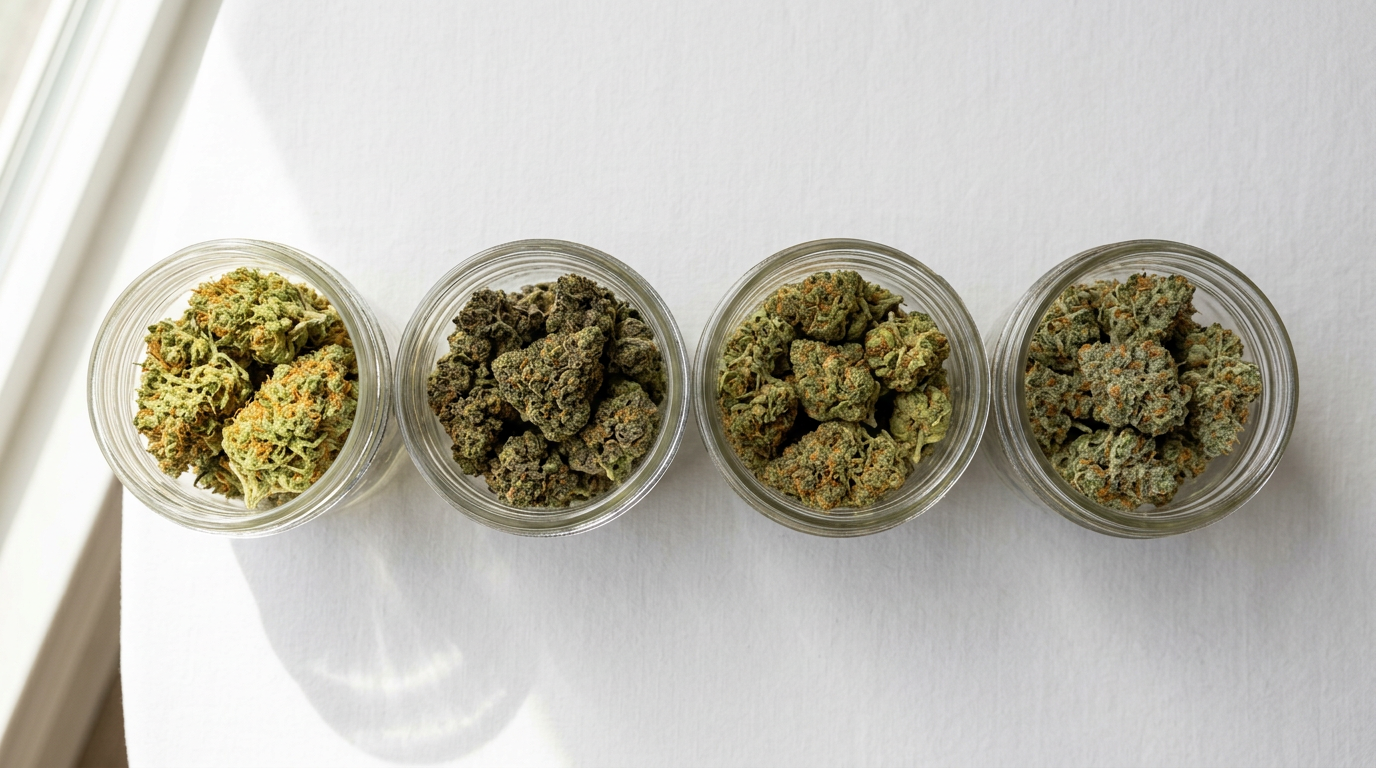
For strain selection in edibles, the flavor profile of your cannabis matters more than most people realize. A strain with a citrusy, limonene-forward terpene profile like Lemon Cherry Gelato – That Sweet & Punchy Hybrid I’m Growing Again brings a genuinely bright, fruity note to gummies and chocolates. The dessert-forward terpene architecture of Biscotti: The Caryophyllene-Rich Hybrid with a Creeper High and Dessert Flavors makes it an exceptional choice for baked goods where you want that warm, spiced undertone. And if you’re making a relaxing evening edible designed for sleep support, a myrcene-rich indica like Ice Cream Cake‘s Creamy Myrcene-Limonene Elixir brings both sedating effects and a genuinely creamy vanilla flavor that works beautifully in, well, ice cream.
Edibles vs. Other Consumption Methods: A Real-World Comparison
I get asked constantly, especially by people transitioning from smoking, how to think about edible doses relative to what they’re used to. The honest answer is that direct equivalency is genuinely difficult because the pharmacology is so different, but I can give you a practical framework. If you want a thorough breakdown of every consumption method side by side, our complete consumption method guide covers the full spectrum beautifully.
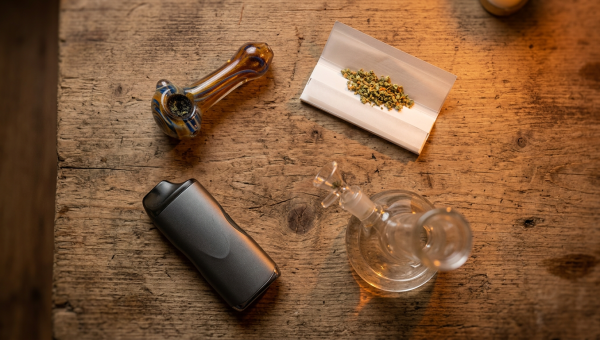
The key differences come down to three factors: onset speed, duration, and intensity. Smoking a joint or bowl produces effects within minutes and they typically peak within 30 minutes, lasting one to two hours. Vaping is similar in onset and duration. Tinctures taken sublingually fall somewhere in between, onset in 15 to 45 minutes, duration of two to four hours. Edibles are the slowest to onset (45 minutes to two hours), the most intense in terms of the metabolite produced, and the longest-lasting at four to eight hours or more. This makes edibles uniquely valuable for sustained symptom relief, chronic pain management, sleep support, extended social events, but it also means mistakes are harder to recover from quickly.
A practical real-world comparison: a single puff from a joint of 20% THC flower delivers a few milligrams of THC to your bloodstream almost immediately, and you can self-titrate in real time by feeling the effects before deciding whether to take another puff. A 10mg edible delivers a larger total dose over a much longer window with no ability to “un-take” it once consumed. This is why the standard advice for edibles is more conservative than for inhalation, not because edibles are inherently more dangerous, but because the delayed feedback loop removes your ability to course-correct in the moment.
| Method | Onset Time | Peak Effects | Duration | Dose Control | Discretion | Best For |
|---|---|---|---|---|---|---|
| Edibles | 45 min – 2 hours | 2–3 hours after onset | 4–8+ hours | Moderate (pre-measured) | Excellent | Sustained relief, sleep, social events |
| Smoking (joint/bowl) | 2–10 minutes | 30 minutes | 1–2 hours | High (real-time) | Low | Quick relief, social sessions |
| Vaporizing | 5–15 minutes | 30 minutes | 1–3 hours | High (real-time) | Moderate | Cleaner inhalation, flavor appreciation |
| Sublingual Tincture | 15–45 minutes | 1–2 hours | 2–4 hours | Very High (dropper) | High | Precise medical dosing |
| Capsules | 45 min – 2 hours | 2–3 hours | 4–6 hours | Very High (pre-dosed) | Excellent | Medical, consistent daily dosing |
| Topicals | 15–30 minutes (local) | N/A (non-systemic) | 2–4 hours | Low | Excellent | Localized pain and inflammation |
Troubleshooting Homemade Edibles: Why Your Batch Didn’t Work
This section exists because I’ve received more messages about “my edibles don’t work” than almost any other topic, and the answer is almost always one of a handful of fixable problems. Let me walk through the most common culprits.
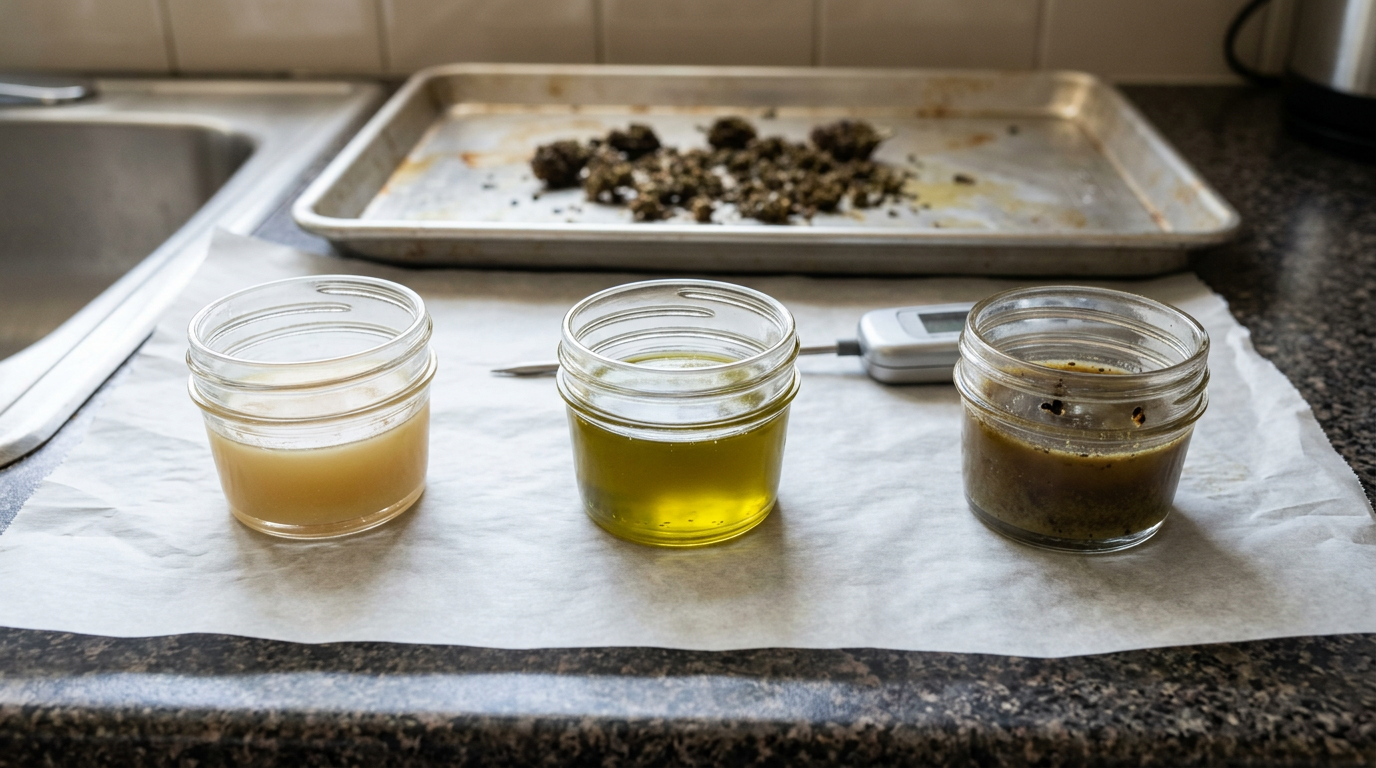
The first and most frequent issue is skipped or incomplete decarboxylation. If your edibles produce little to no effect, check your decarb process first. Did you use the right temperature? Did you go long enough? Was your cannabis spread in a single layer or piled up? Uneven decarb produces uneven results. The second most common issue is too-high infusion temperature. If your infusion smells burnt or your butter turned dark brown rather than golden-green, you likely degraded a significant portion of your cannabinoids. Keep your infusion temperature between 160°F and 200°F and use a thermometer, not guesswork.
Uneven distribution in the final product is the third major culprit for inconsistent dosing from piece to piece. This is especially common with gummies and cookies. With gummies, your infused oil and liquid base need to be fully emulsified, use a blender or immersion blender if necessary, and work quickly once the mixture starts to cool. With baked goods, stir the batter thoroughly and use a cookie scoop or kitchen scale to portion uniformly.
Finally, there’s the issue of strain potency variability. If you’re growing your own cannabis or buying from a source without lab testing, your actual THC percentage may differ significantly from your estimate. This is less of a problem when buying from licensed dispensaries in states like California, Oregon, or Colorado where testing is required, but it’s a real variable for home growers. When in doubt, err on the side of using less cannabis in your infusion and adjusting upward in future batches once you’ve assessed the potency of your current batch.
Strain Selection for Edibles: Flavor, Effect, and Terpene Pairing
Choosing the right strain for your edibles is one of the most genuinely fun parts of the whole process, and it’s an area where the food blogger in me absolutely lights up. The terpenes that give cannabis its distinctive aromas and flavors don’t disappear during infusion, they carry into your finished product, influencing both the taste and, through the entourage effect, the character of the experience.
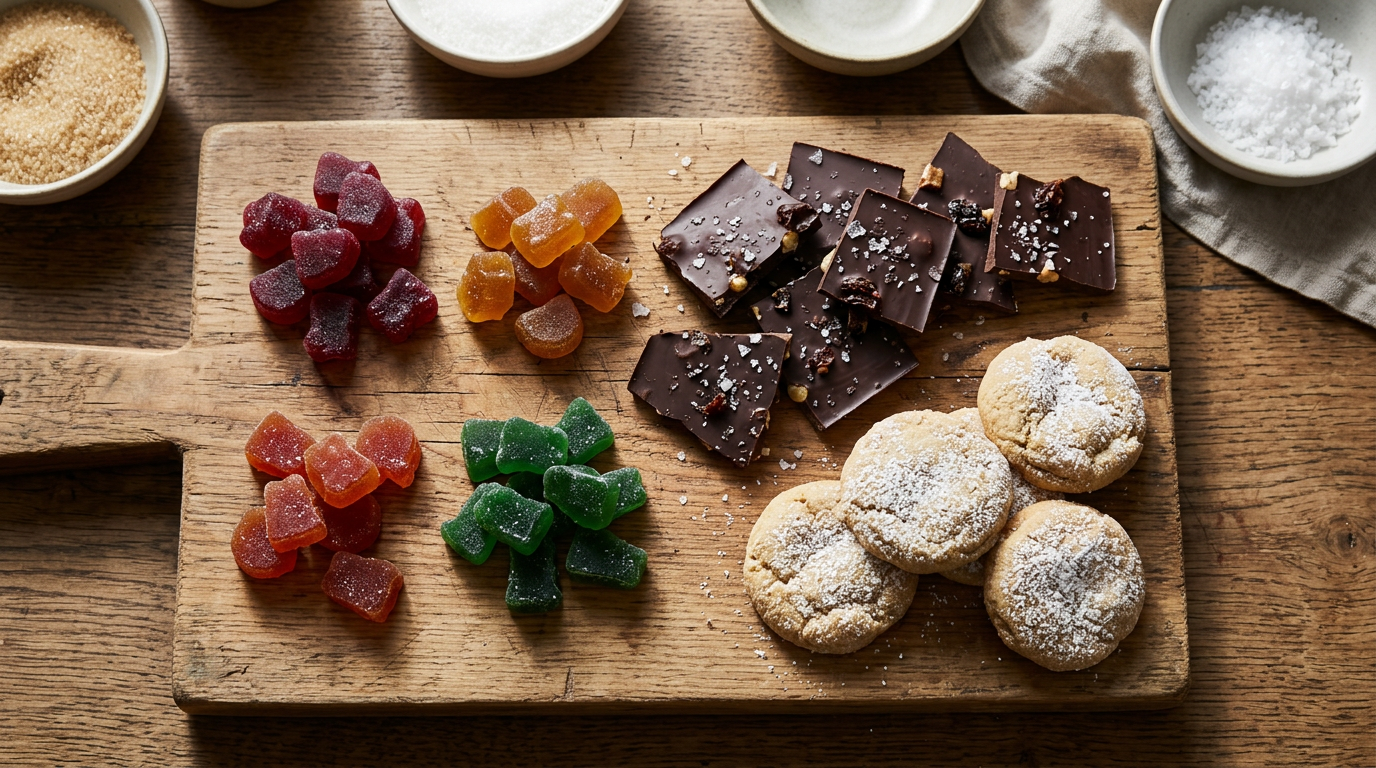
For uplifting, daytime edibles, think morning muffins, pre-hike energy bites, or social gathering treats, I reach for sativa-leaning strains with bright, citrusy, or earthy terpene profiles. Blue Dream‘s Terpene Signature – A Genetic Symphony is a classic choice here, with its sweet berry and herbal notes that translate beautifully into baked goods and work well with vanilla and citrus flavors. Pineapple Express – My go-to for a sunny grow day brings a genuinely tropical flavor profile that makes it spectacular in fruit-based gummies or a mango-infused coconut oil. Jack Herer‘s Terpinolene: A Genetic Anomaly contributes a piney, herbal brightness that I love in savory applications, infused into olive oil for an herby pasta or a rosemary-forward focaccia.
For relaxing evening edibles, indica-dominant strains with myrcene-heavy profiles are my preference. Granddaddy Purple‘s cozy hug – pure bliss has a distinctive grape and berry sweetness that makes it a natural partner for dark chocolate or berry gummies. Northern Lights brings a clean, earthy, slightly sweet profile that works in almost anything without dominating the flavor. And for the most dessert-forward experience possible, Gelato – That Sweet Treat For Your Senses is practically made for ice cream, custard, and anything involving cream and sugar.
For balanced hybrid edibles suitable for social occasions or creative work, Girl Scout Cookies remains one of my all-time favorites for baking, the sweet, slightly minty flavor profile with earthy undertones works in cookies, brownies, and even savory herb-forward applications. Wedding Cake brings vanilla and tangy earthiness that pairs beautifully with fruit-based recipes.
Storage, Shelf Life, and Safety: Protecting Your Edibles and Everyone Around You
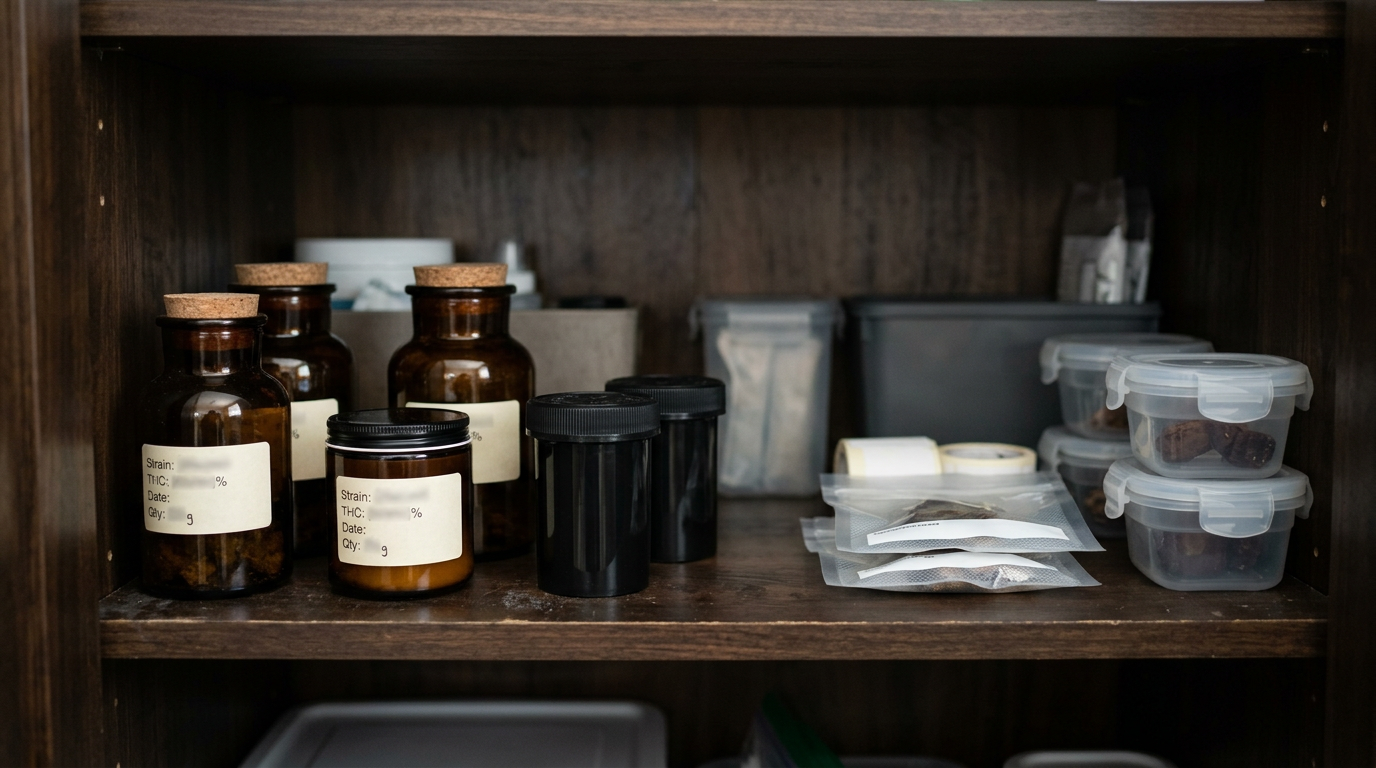
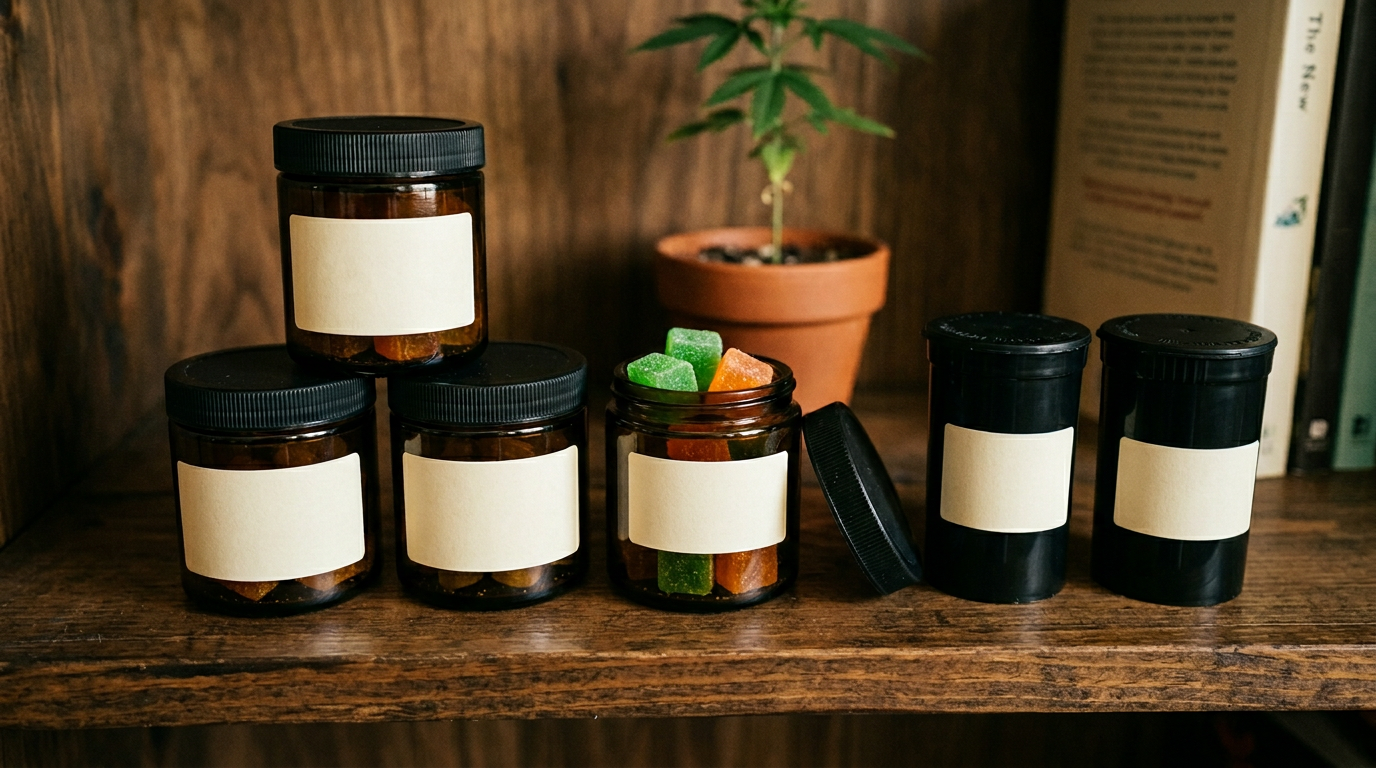
Proper storage is where a lot of home edible makers drop the ball, and the consequences range from a potency loss (frustrating but harmless) to a child or pet accidentally consuming something they absolutely shouldn’t (genuinely dangerous). Let me be direct about the safety piece first: all cannabis edibles, homemade or commercial, must be stored in clearly labeled, child-resistant, opaque containers that are kept out of reach of children and pets. This is not optional. In most legal US states, it’s also the law for commercial products, and it should be your personal standard for homemade ones too.
For shelf life: cannabutter stored in an airtight container lasts two to three weeks in the refrigerator and up to six months in the freezer. Cannabis-infused coconut oil keeps for up to two months at room temperature in a cool, dark place and longer refrigerated. Baked goods made with cannabutter follow the same shelf life as their non-infused counterparts, typically five to seven days at room temperature, two weeks refrigerated, and up to three months frozen. Gummies last one to two weeks at room temperature (longer in humid climates if you add a small amount of citric acid as a preservative), two to three weeks refrigerated, and up to three months frozen.
Light and heat are the enemies of cannabinoid potency. Store all infusions and finished edibles away from direct sunlight and heat sources. Amber glass jars are ideal for oils and tinctures. For baked goods and gummies, airtight containers in a cool, dark cabinet or the refrigerator are your best friends. If you’re making large batches, portioning into individual serving sizes before freezing makes dosing easier and extends overall freshness.
One more safety note that I feel strongly about: never serve cannabis edibles to anyone without their explicit, informed consent. This sounds obvious, but “spiking” food with cannabis, even with good intentions, is not only deeply disrespectful, it’s illegal in every US jurisdiction. Always label clearly, communicate openly, and let every person make their own informed choice.
The commercial edibles market has matured enormously since California’s adult-use market launched, and walking into a well-stocked dispensary today is genuinely exciting, and also potentially overwhelming. Here’s how I think about navigating it.
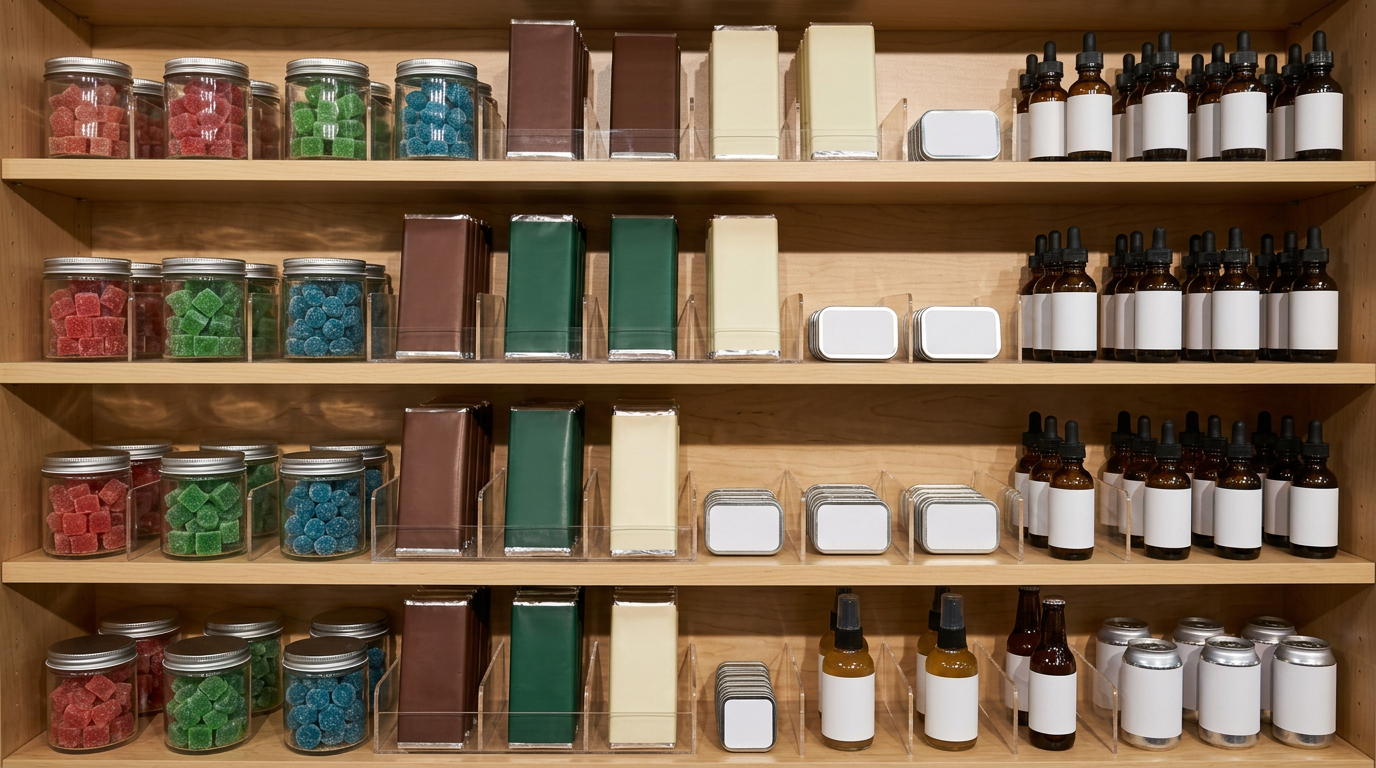
Start with the label. Any reputable commercial edible from a licensed dispensary in a regulated state will list total THC content, THC per serving, CBD content if relevant, ingredients, and a batch number tied to third-party lab testing. In California, Colorado, Nevada, Oregon, Washington, and other adult-use states, this testing is mandatory. If a product doesn’t have clear lab-verified dosing information, that’s a red flag. The dosing inconsistency that users frequently report with commercial edibles is often traced back to products from less rigorously regulated markets or older legacy products, in the current licensed market, quality brands maintain strong consistency.
Full-spectrum versus isolate is a meaningful distinction at the dispensary. Full-spectrum products contain the complete range of cannabinoids and terpenes from the plant, producing the entourage effect that many consumers find produces a more nuanced, well-rounded experience. Isolate-based products use purified THC or CBD without the supporting cast of other compounds, producing a cleaner but often described as “flatter” effect. Broad-spectrum falls in between, containing multiple cannabinoids and terpenes but with THC removed or significantly reduced. For medical patients or consumers sensitive to THC, broad-spectrum CBD-dominant edibles offer therapeutic benefits with minimal intoxication.
Brand reputation matters enormously in the edibles space. Established brands with long track records in regulated markets have invested in the production consistency, accurate labeling, and quality ingredients that newer or less reputable brands may lack. When I’m trying a new brand, I always start with their lowest-dose offering to assess consistency before committing to higher-potency products.
Microdosing with Edibles: The Art of Subtle Enhancement
Microdosing, consuming cannabis at sub-perceptual or barely perceptual doses, typically 1–2.5mg of THC, has become one of the most talked-about consumption strategies in the wellness community, and edibles are uniquely well-suited to it. The precision of a measured edible dose makes it far easier to achieve consistent microdose amounts than inhalation methods.
The appeal of microdosing is the potential to access cannabis’s mood-elevating, creativity-supporting, and anxiety-reducing properties without significant intoxication. Many people who microdose report using it as a gentle enhancement to creative work, social situations, exercise, or meditation, similar in concept to how some people use a small amount of caffeine. The key is finding the threshold dose that produces subtle positive effects without any impairment, which requires careful self-experimentation starting at the lowest possible dose.
For microdosing purposes, I particularly love mints and small gummies that can be cut or broken into precise fractions. Some brands specifically produce 2.5mg microdose products, which are ideal. If you’re making your own microdose edibles at home, small hard candies or mints made with a very dilute infusion are the most practical format, they’re easy to portion, have a long shelf life, and are completely discreet. The terpene and cannabinoid science behind why even small doses can have meaningful effects is explored beautifully in Cannabis Terpenes Explained.
What to Do If You’ve Taken Too Much
I’m including this section because it’s genuinely important, and because the fear of overconsumption is one of the biggest barriers that keeps people from exploring edibles at all. First, the reassurance: there are no documented cases of fatal cannabis overdose in humans. Taking too much cannabis is deeply uncomfortable, but it is not medically dangerous for healthy adults in the way that overdosing on alcohol or opioids is. Knowing this doesn’t make the experience pleasant, but it can help you stay calm, which is the most important thing.
The symptoms of cannabis overconsumption, intense anxiety, paranoia, rapid heart rate, dizziness, nausea, are primarily driven by the acute psychoactive effects and the anxiety response they can trigger. The most effective management strategies are: find a safe, comfortable environment, lie down if you feel dizzy or nauseous, stay hydrated with water or a non-caffeinated beverage, have a trusted person with you if possible, and remind yourself repeatedly that this will pass. Effects from an oral overconsumption typically peak two to three hours after ingestion and then gradually subside over the following hours.
CBD has been reported anecdotally by many consumers to blunt the anxious edge of THC overconsumption, and some dispensaries now carry high-CBD products specifically marketed for this purpose. Keeping a CBD tincture on hand when you’re experimenting with edibles is a practical harm-reduction strategy. Black pepper, interestingly, is a folk remedy with some scientific basis, the terpene beta-caryophyllene in black pepper interacts with CB2 receptors and has been suggested to modulate the anxious effects of THC, though this is based more on anecdote and early research than robust clinical evidence.
The absolute best prevention, of course, is starting low and going slow, waiting the full recommended time before redosing, and being honest with yourself about your tolerance level and the setting you’re in. An edible consumed at home on a relaxed evening with nothing on your schedule the next morning is a very different experience than the same dose taken before a work event or a family dinner.
Frequently Asked Questions About Cannabis Edibles
What is the right dose for first-time edible users?
For absolute beginners, 2.5–5mg of THC is the universally recommended starting point. Many experienced cannabis educators suggest starting at the lower end of that range, 2.5mg, especially if you’re consuming a full-spectrum product, which may feel more potent than an isolate at the same milligram dose. The goal of your first experience is to understand how your body responds, not to achieve maximum effect. You can always take more next time; you can’t take less once you’ve consumed it.
How long should I wait before taking more edibles?
Wait at least 45–90 minutes after consuming an edible before assessing whether you want more, and many sources recommend extending that window to two full hours for first-time users. Edible onset varies significantly based on your metabolism, stomach contents, and the specific product consumed. The most common edibles mistake is consuming a second dose before the first has fully kicked in, resulting in an unexpectedly intense experience an hour or two later. Set a timer and be patient, it’s always worth the wait.
How do I make edibles at home?
The foundational process involves three steps: decarboxylating your cannabis (baking at 240°F for 40 minutes to activate THC), infusing the decarbed cannabis into a fat like butter or coconut oil (simmering at low heat for two to three hours), and then using that infused fat in any recipe that calls for butter or oil. The most important skill to develop alongside the technique is dosing math, calculating the approximate milligrams of THC per serving based on your flower’s potency and your infusion ratio. Our dedicated guide The Complete Beginner’s Guide to Cannabis Butter: Decarb, Infuse, and Dose Like a Pro walks through every step in detail.
What’s the difference between a 10mg edible and smoking a joint?
The effects are pharmacologically distinct, not just quantitatively different. When you smoke, THC enters the bloodstream through the lungs and reaches the brain within minutes, producing effects that peak quickly and fade within one to two hours. When you eat a 10mg edible, the THC is metabolized by the liver into 11-hydroxy-THC, a more potent metabolite, with onset taking 45 minutes to two hours and effects lasting four to eight hours or more. The edible experience tends to feel more body-centered, more sustained, and more intense than an equivalent amount smoked, which is why many experienced smokers are surprised by how potent a “modest” 10mg edible can feel.
How do I dose homemade edibles accurately?
Accurate homemade dosing requires knowing your starting flower’s THC percentage, applying a realistic extraction efficiency estimate (typically 60–80% for home infusions), calculating total THC in your infusion, and then dividing by the number of servings in your recipe. Using a kitchen scale for consistent portioning, a cookie scoop for uniform baked goods, and consistent mold sizes for gummies are the mechanical steps that translate accurate math into consistent pieces. Thorough mixing of the infused fat throughout your batter or mixture is equally critical, uneven distribution is the most common cause of inconsistent dosing from piece to piece.
Should I take edibles with food?
Taking edibles with or after a light meal containing some healthy fats is generally recommended by experienced consumers. Fat supports cannabinoid absorption, potentially increasing bioavailability. However, a very full stomach can also slow gastric emptying and delay onset significantly, which can lead to the “it’s not working” trap. The sweet spot is a light meal with some fat content, think avocado toast or a small handful of nuts, rather than a heavy feast or a completely empty stomach. Staying well-hydrated also supports a more comfortable experience.
Is a 500mg edible considered strong?
Yes, 500mg of THC in a single product is an extremely high dose by any standard. To put it in context, the recommended beginner starting dose is 2.5–5mg, and a “high” dose for experienced consumers is considered 20–30mg. A 500mg product would need to be divided into roughly 100–200 individual servings to be appropriate for most people. Products at this potency level exist primarily for medical patients with very high tolerance and significant therapeutic needs, or for commercial cooking applications where the product is divided into many small servings. In most regulated US states, single-package limits of 100mg mean you would not encounter a 500mg product at a licensed dispensary, it would typically be purchased as a concentrate for home infusion.