Last month, I was digging through my kitchen cabinet looking for my favorite tincture when I found a vape cart I’d completely forgotten about, still in the box, no date, tucked behind a jar of coconut oil. My first instinct was to just use it, but my second instinct (the one that comes from years of writing about cannabis and, honestly, from a few regrettable experiences) told me to slow down and actually evaluate it first. That little moment of hesitation is what this entire article is about. Because yes, weed can absolutely go bad, but “bad” looks very different depending on whether you’re talking about a jar of flower, a gummy, a half-empty vape pen, or a silicone container of live resin. The rules change with the product, and knowing the difference between “past its prime” and “genuinely unsafe” is one of the most practical things any cannabis consumer can understand.
- Does Weed Actually Expire? The Short Answer
- Flower: Your Six-Month Sweet Spot (and How to Push It Further)
- The Sensory Checklist: How to Tell If Your Flower Has Gone Bad
- Edibles: The Most Variable Shelf Life of Any Cannabis Product
- Vape Carts: The Tricky One
- Concentrates: Depends Entirely on the Type
- Tinctures: The Longest Shelf Life of the Bunch
- Advanced Storage Techniques: Going Beyond the Basics
- What to Do With Old Weed
Does Weed Actually Expire? The Short Answer
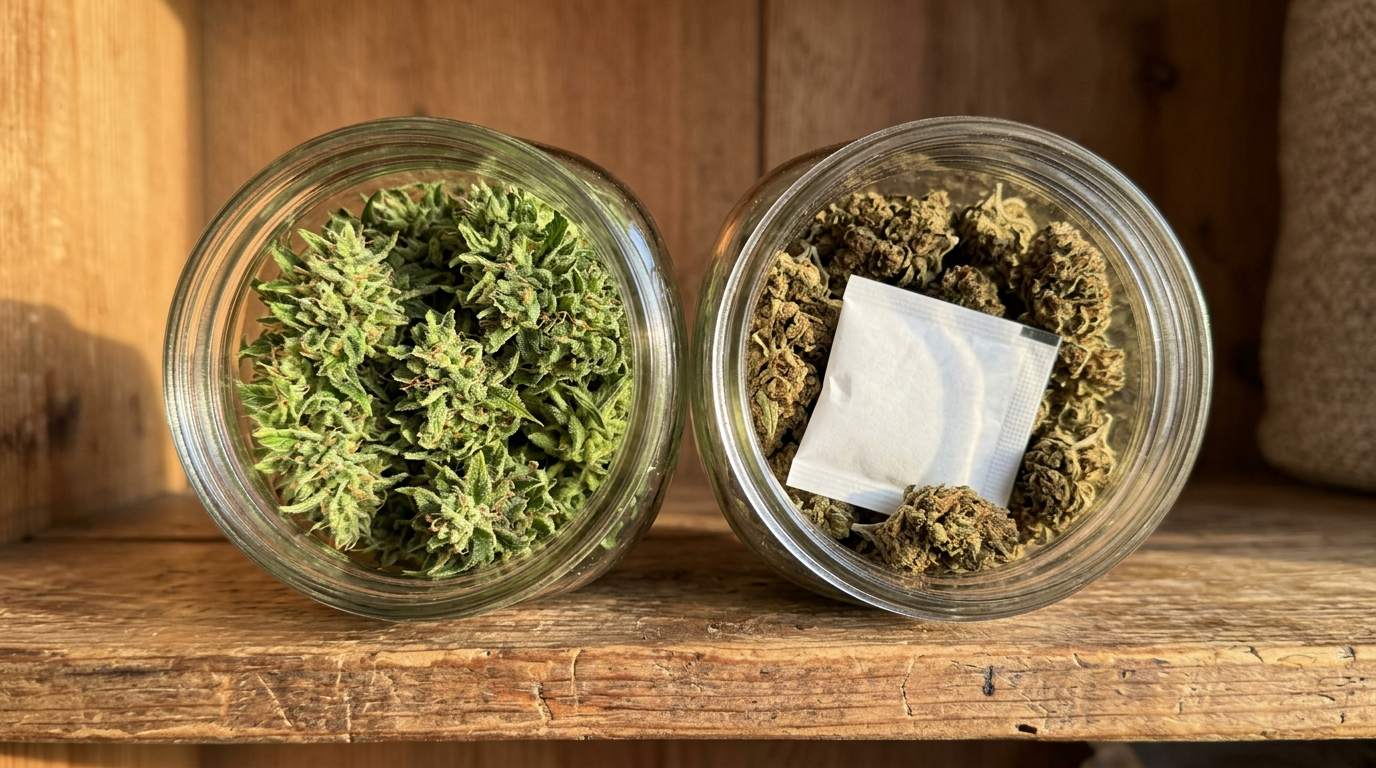
Cannabis does expire, but it degrades rather than spoiling the way food does, the primary concern is potency loss, terpene evaporation, and in certain conditions, mold or bacterial growth. Properly dried and cured flower stored in ideal conditions can stay fresh for six months to a year, and with advanced storage methods, even longer. The degradation process is driven by four main enemies: light, heat, humidity, and oxygen. Understanding how each of these interacts with your specific product type is the foundation of everything else I’m going to walk you through here.
The chemistry behind degradation is actually fascinating, and our science editor Maya Chen has written extensively about how cannabinoids break down at the molecular level. The short version: THC slowly converts to CBN (cannabinol) through a process called oxidation, which is why old flower tends to produce a heavier, more sedative effect rather than no effect at all. You’re not getting zero benefit from aged cannabis, you’re getting a different, often less desirable cannabinoid profile. The terpenes, which are responsible for aroma, flavor, and a significant portion of the experience (the entourage effect, as Maya Chen would say), are even more volatile and tend to dissipate much faster than the cannabinoids themselves. If you’ve ever opened a bag of weed that smelled like hay or nothing at all, that’s terpene loss in action. For a deeper dive into how these compounds interact, the entourage effect guide on our site is worth your time.
Flower: Your Six-Month Sweet Spot (and How to Push It Further)
Properly stored cannabis flower maintains peak quality for six months to one year, with noticeable degradation in aroma and potency beginning around the six-month mark if storage isn’t optimal. I’ve had jars of well-cured Blue Dream and Og Kush that were still genuinely enjoyable at the ten-month mark because I stored them correctly, and I’ve had flower that tasted like a pile of mulch after three weeks because it sat in a plastic baggie on a sunny windowsill. The container and the environment matter enormously.
For flower, the ideal storage environment is cool (around 60–70°F / 15–21°C), dark, and maintains a relative humidity between 59% and 63%. That humidity sweet spot is critical, too dry and your trichomes become brittle and crumble off, taking your terpenes with them. Too humid and you’re inviting mold, which is the one scenario where flower goes from “less enjoyable” to “genuinely don’t smoke this.” Mold on cannabis is not a gray area. If you see white fuzzy growth, gray powder, or smell something musty or ammonia-like, that flower needs to go in the trash, not in your bowl.
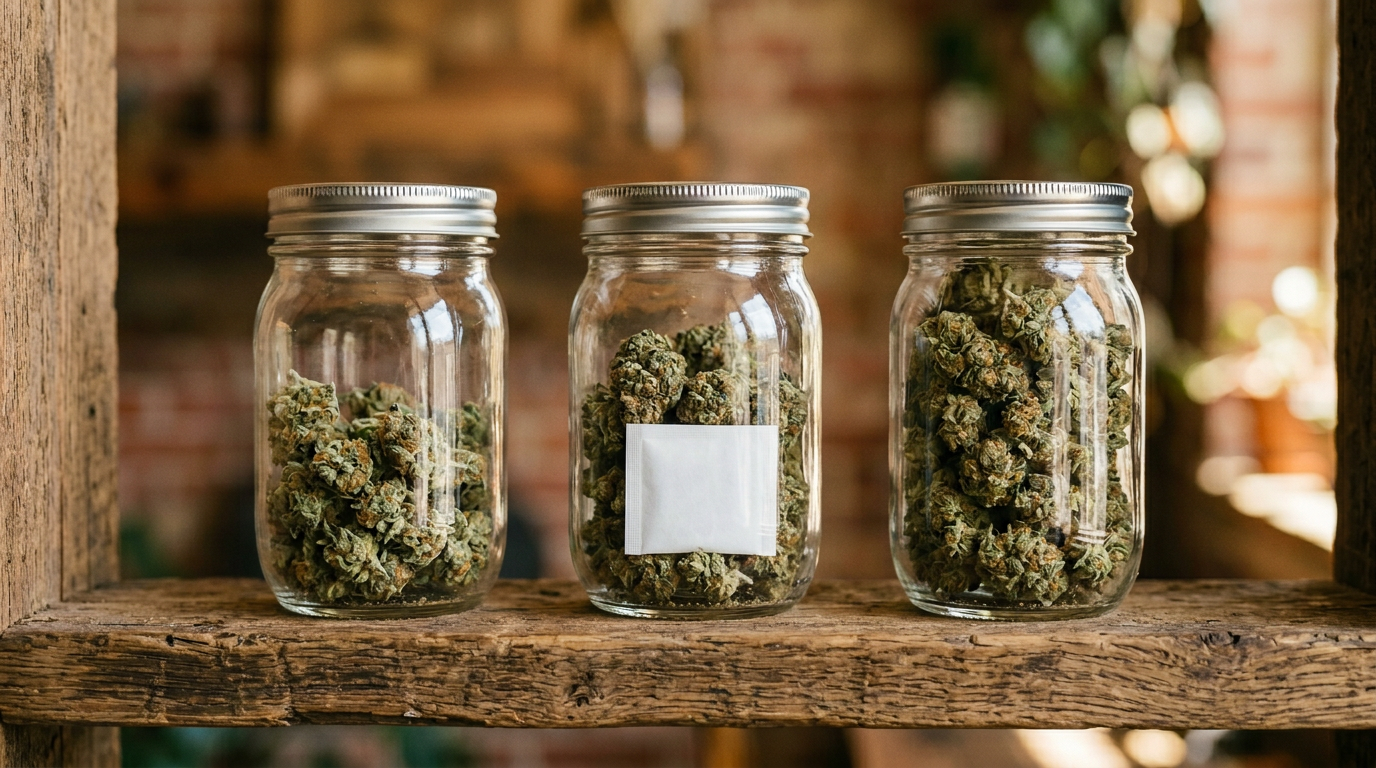
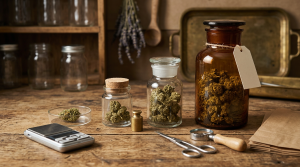
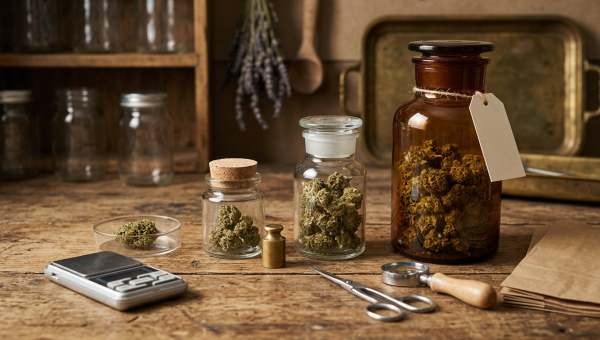
The best containers for long-term flower storage are airtight glass mason jars. I keep a small two-way humidity pack (like a Boveda 62%) in each jar, which passively regulates moisture in both directions. Storing in a dark cabinet or drawer handles the light issue. For anything you’re planning to keep beyond three months, consider vacuum sealing, I’ve had excellent results with a simple handheld vacuum pump and resealable glass jars. The oxygen removal dramatically slows oxidation and terpene loss. Some enthusiasts go as far as freezing flower for truly long-term storage (six months to a few years), but this requires the flower to be completely dry and vacuum sealed first, and you should never handle frozen cannabis while it’s cold, the trichomes become incredibly fragile and will shatter at the slightest touch. Let it come fully to room temperature in the sealed container before opening.
Strains with dense, resinous buds like Gorilla Glue or Ice Cream Cake tend to hold their terpene profile a bit longer than fluffier, airier cultivars, simply because there’s more protective resin coating the flower. But no strain is immune to poor storage conditions.
The Sensory Checklist: How to Tell If Your Flower Has Gone Bad
Your senses are genuinely reliable tools for evaluating flower quality, and learning to use them systematically will save you from both wasting good cannabis and consuming something you shouldn’t. Sight, smell, touch, and even sound all give you information.
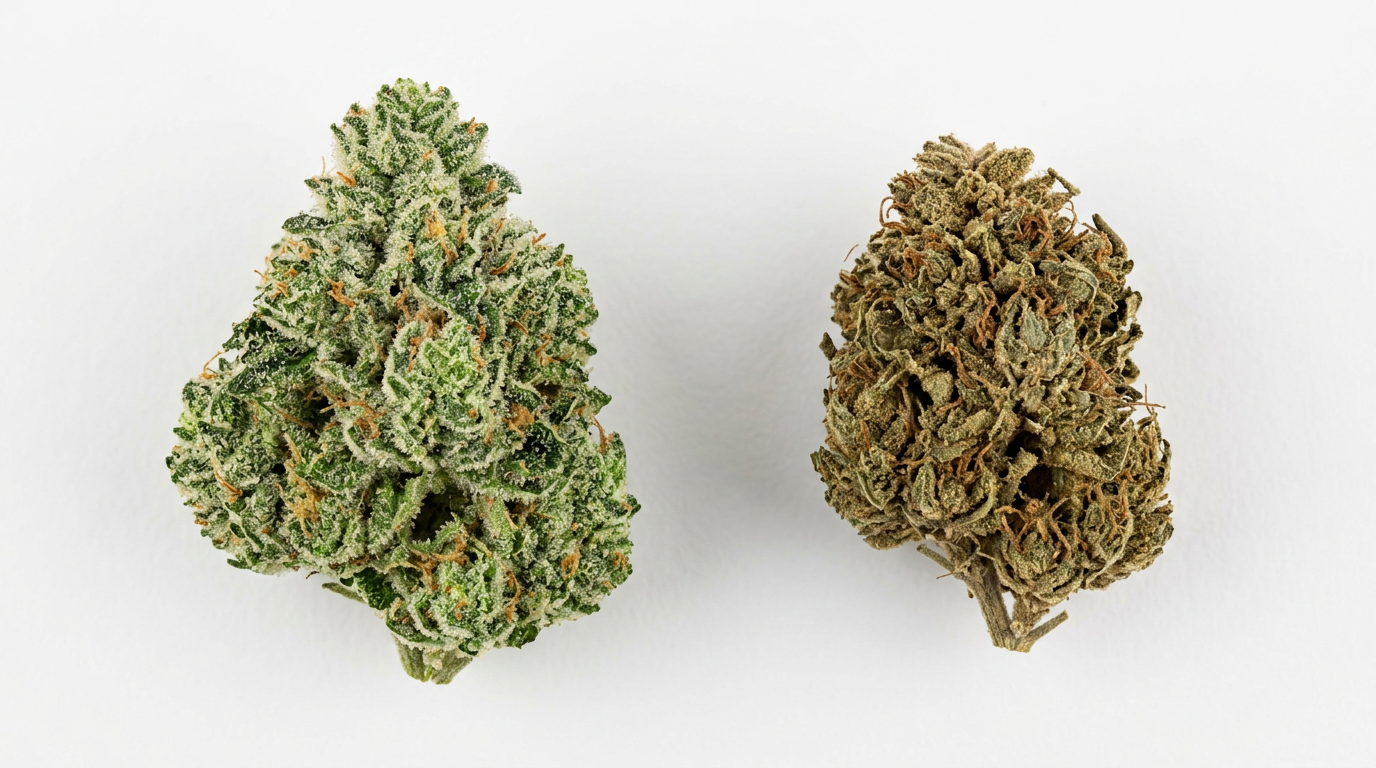
Visually, fresh flower should have visible trichomes (those tiny crystalline structures that catch the light), vibrant color with orange or red pistils, and no visible mold or powdery residue. Old flower often looks faded, dull, and may have lost most of its white frosty coating. On the smell front, fresh cannabis has a complex, pungent aroma, whether that’s the citrus brightness of a Lemon Cherry Gelato, the earthy funk of a Sour Diesel, or the sweet creaminess of a Biscotti, there should be something there. If your flower smells like nothing, or worse, smells like cut grass, hay, or something musty, those are red flags. No smell means the terpenes are gone. Musty smell means potential mold.
For texture, properly cured and stored flower should have a slight give when you gently squeeze a bud, it shouldn’t crumble to dust (too dry) or feel spongy and wet (too moist). The “snap” test on a stem is a classic indicator too: a stem that snaps cleanly means the cure was done right and moisture content is appropriate. A stem that bends without breaking means there’s still too much moisture present, which is a mold risk. A stem that disintegrates means the flower is overdried.
One thing I always tell people at my cannabis dinner parties: trust your nose more than you trust the date on the package. A well-stored jar that’s fourteen months old might still be perfectly enjoyable, while a poorly stored bag that’s only two months old might already be flavorless and harsh.
Edibles: The Most Variable Shelf Life of Any Cannabis Product
Cannabis edibles have shelf lives determined almost entirely by their non-cannabis ingredients, not by the cannabinoids themselves, meaning a chocolate bar expires like a chocolate bar, and a gummy expires like a gummy, with the added consideration that heat and light can degrade the infused THC or CBD within. This is actually one of the most misunderstood aspects of edible storage, and it’s something I cover extensively in the complete edibles guide on our blog.
Store-bought edibles in legal markets (California, Colorado, Washington, Oregon, Michigan, and most other adult-use states) are required to carry expiration dates on their packaging, and I genuinely recommend respecting those dates, not because the cannabis will hurt you after that point, but because the food itself may be stale, potentially moldy, or simply unpleasant. Commercially produced gummies typically last six months to a year when unopened and stored properly. Chocolates can last six months to a year as well, depending on the cocoa content and whether they contain dairy. Baked goods like cookies and brownies are the most perishable, often lasting only a week at room temperature, two to three weeks refrigerated, and up to three months frozen.
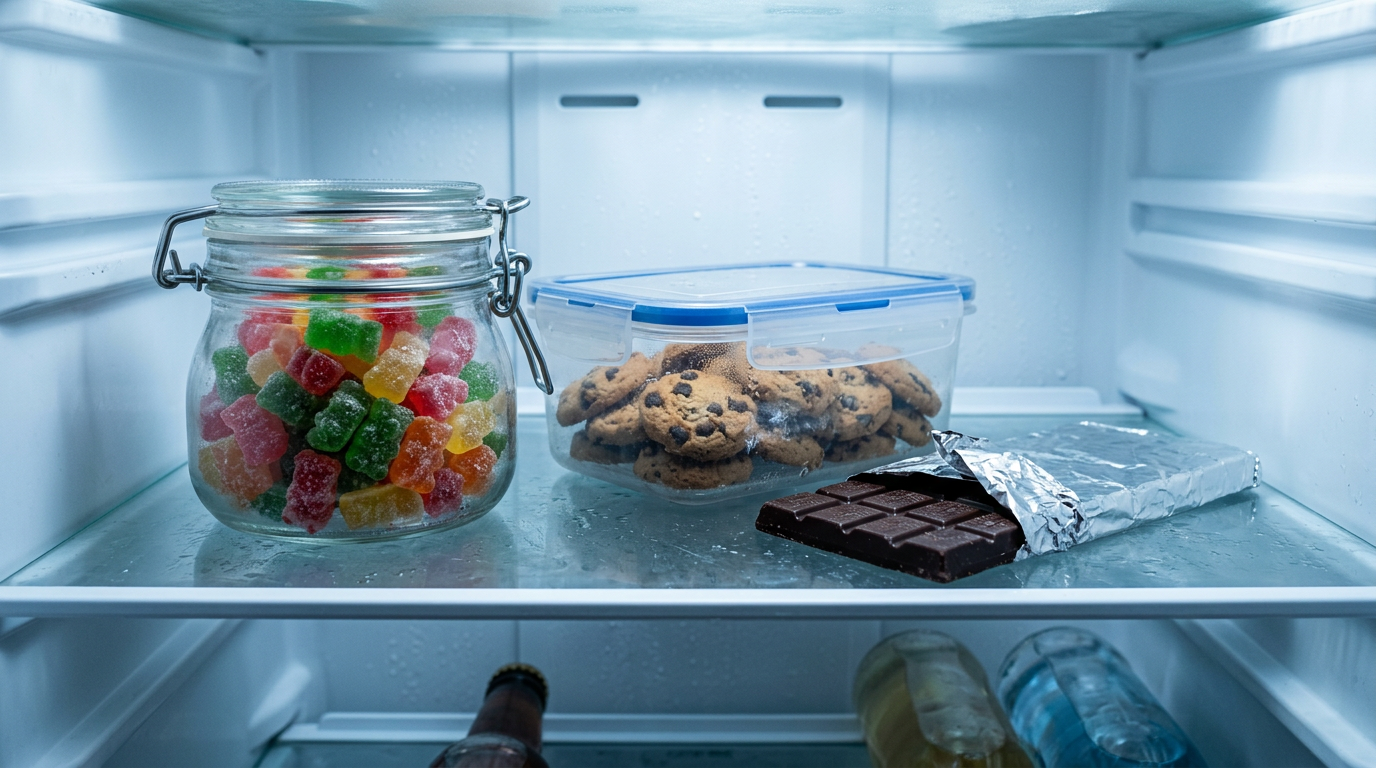
For homemade edibles, the timeline is similar to their conventional counterparts, your cannabutter cookies last as long as regular cookies, your cannabis-infused olive oil lasts as long as regular olive oil. The key difference is that heat, even during storage, can continue to degrade THC over time. I always store my infused coconut oil and cannabutter in the freezer in airtight containers, where they’ll keep for up to six months without significant potency loss. If you want to learn the foundational technique for making these infusions correctly from the start, the cannabutter guide is the place to start, because starting with a properly decarbed, well-made infusion means you’re preserving maximum potency from day one.
The signs that an edible has gone bad are exactly what you’d expect from conventional food: visible mold, off smells, changes in texture (gummies that have become crystallized or weeping liquid, chocolate that has bloomed white), or simply a stale, unpleasant taste. Reduced potency in an old edible is annoying but not dangerous. Mold on an edible, however, is the same concern it would be on any food product.
Vape Carts: The Tricky One
Vape cartridges typically maintain usable quality for six months to one year after purchase, but they’re uniquely vulnerable to a specific set of degradation issues that flower and edibles don’t share. That forgotten cart I found in my cabinet? It turned out to be about eight months old. The oil had darkened significantly, it had gone from a light amber to a deep brown, and when I finally tested it, the flavor profile was noticeably flatter than I remembered. Not dangerous, but not great either.
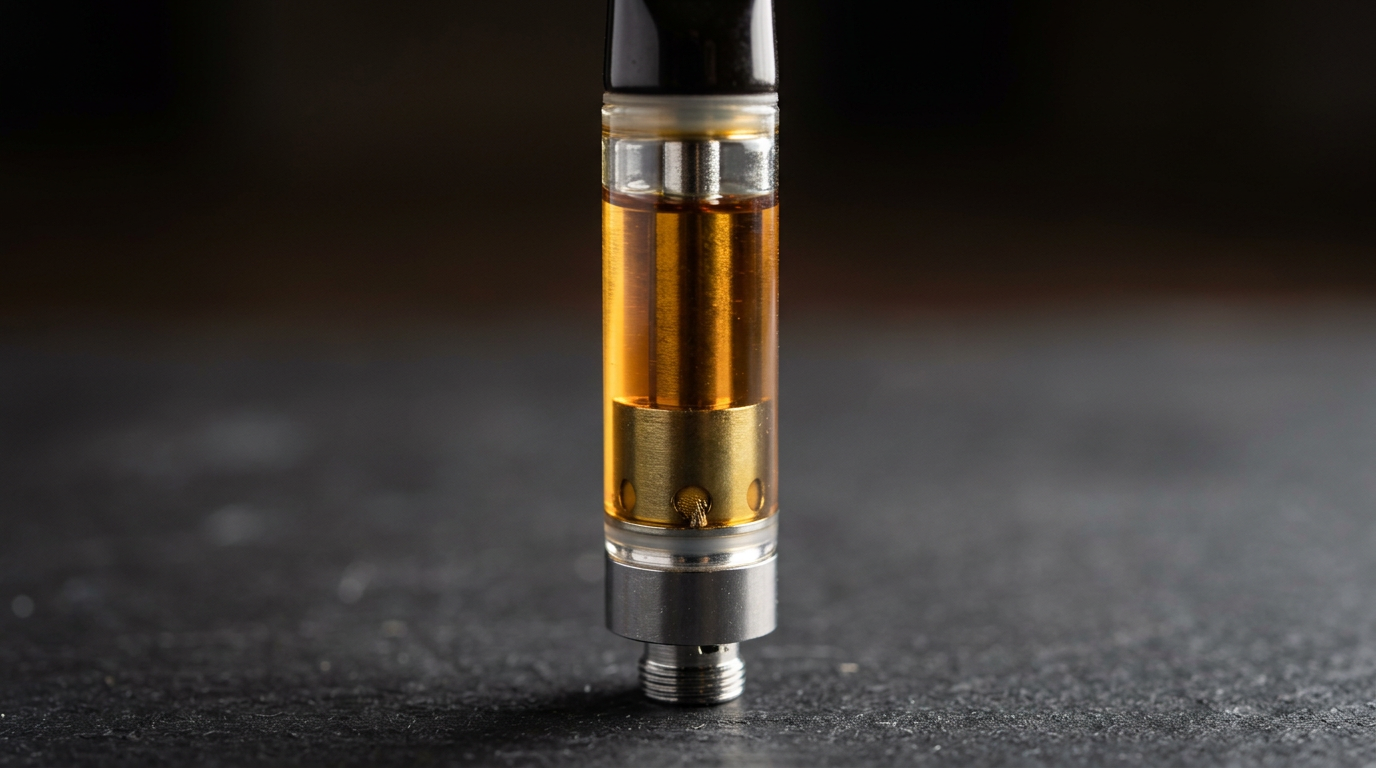
The main concerns with vape carts over time are oil oxidation (which darkens the color and degrades THC into CBN), terpene evaporation (which flattens the flavor), and hardware issues, specifically, the metal and plastic components of the cart itself can leach into the oil over time, particularly when exposed to heat. This last point is why I’m pretty firm about not leaving carts in a hot car, on a sunny windowsill, or in a pocket next to your body heat for extended periods. The hardware degradation concern is separate from the cannabinoid degradation concern, and both are real.
Visually, fresh distillate or live resin oil in a cart should be clear to light amber. Very dark brown or black oil is a sign of significant oxidation. You may also notice that old carts clog more frequently, as degraded oil can thicken and crystallize. If a cart is leaking, has visible separation in the oil, or produces a harsh, burnt, or chemical taste, those are all signs to stop using it. The “burnt” taste specifically often indicates that the oil has degraded to the point where the heating element is essentially scorching residue rather than vaporizing clean oil.
Store carts upright (to prevent leaking), at room temperature or slightly below, away from light and heat. I keep mine in a small dark box in my nightstand drawer. Don’t refrigerate carts, the cold can cause the oil to thicken and crystallize, potentially damaging the coil when you try to use it. If you do accidentally refrigerate one, let it come fully to room temperature before firing it up.
Concentrates: Depends Entirely on the Type
Cannabis concentrates vary so widely in their composition and water content that shelf life ranges from a few months to potentially several years depending on the specific product type and storage method. This is a product category where the details really matter, and I’ve had wildly different experiences with different concentrate types sitting in my collection over time.
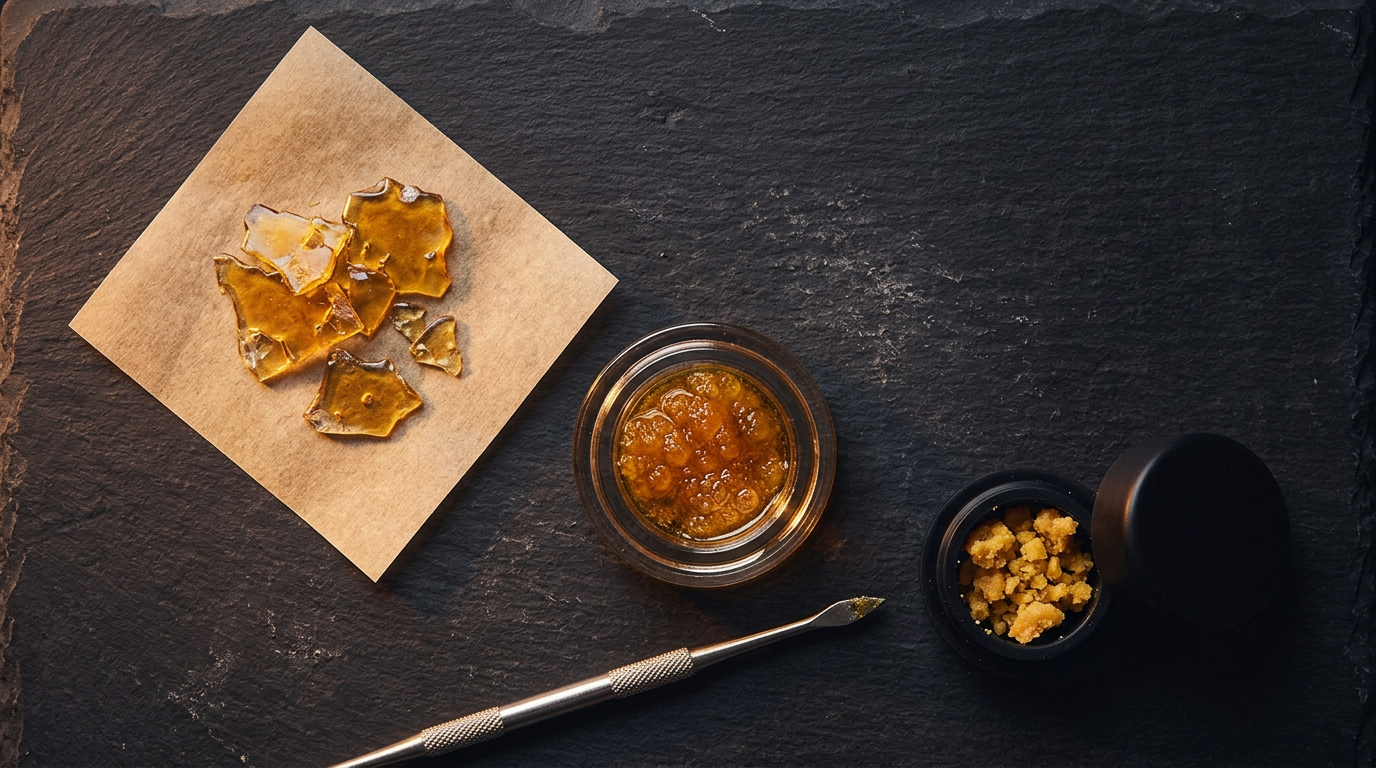
Shatter and wax are among the more stable concentrates, properly stored shatter (kept cool, dark, and in parchment paper or a glass container) can maintain quality for up to a year, though it may slowly “sugar” or become crumbly over time as the terpene content shifts. This sugaring process doesn’t make shatter unsafe; it just changes the texture. Live resin and sauce, which are prized for their high terpene content, are more volatile, those terpenes are the first thing to go, and I’ve noticed significant flavor loss in live resin that’s been stored improperly for even a few months. Rosin, being a solventless concentrate, is similarly terpene-rich and benefits from refrigeration or even freezing for anything you’re keeping beyond a month or two.
The golden rule for concentrates is airtight, dark, and cold. Silicone containers are fine for short-term use (days to a couple of weeks), but for longer storage, glass is better because silicone is slightly porous and can allow terpene loss over time. For live rosin or anything with a complex, delicate terpene profile, I store in small glass jars in the refrigerator and only take out what I’m using that session. For long-term storage of shatter or stable concentrates, the freezer works well, just make sure the container is truly airtight to prevent moisture condensation when you bring it back to room temperature.
Tinctures: The Longest Shelf Life of the Bunch
Alcohol-based cannabis tinctures have the longest shelf life of any cannabis product, properly stored, they can remain potent and stable for two to five years, making them an excellent choice for anyone who consumes infrequently or wants to stock up. The high-proof alcohol acts as a preservative for the cannabinoids, much the same way it preserves botanical extracts in traditional herbal medicine. Oil-based tinctures (typically MCT oil or hemp seed oil as the carrier) have a shorter shelf life, generally one to two years, because the carrier oil itself can go rancid over time.
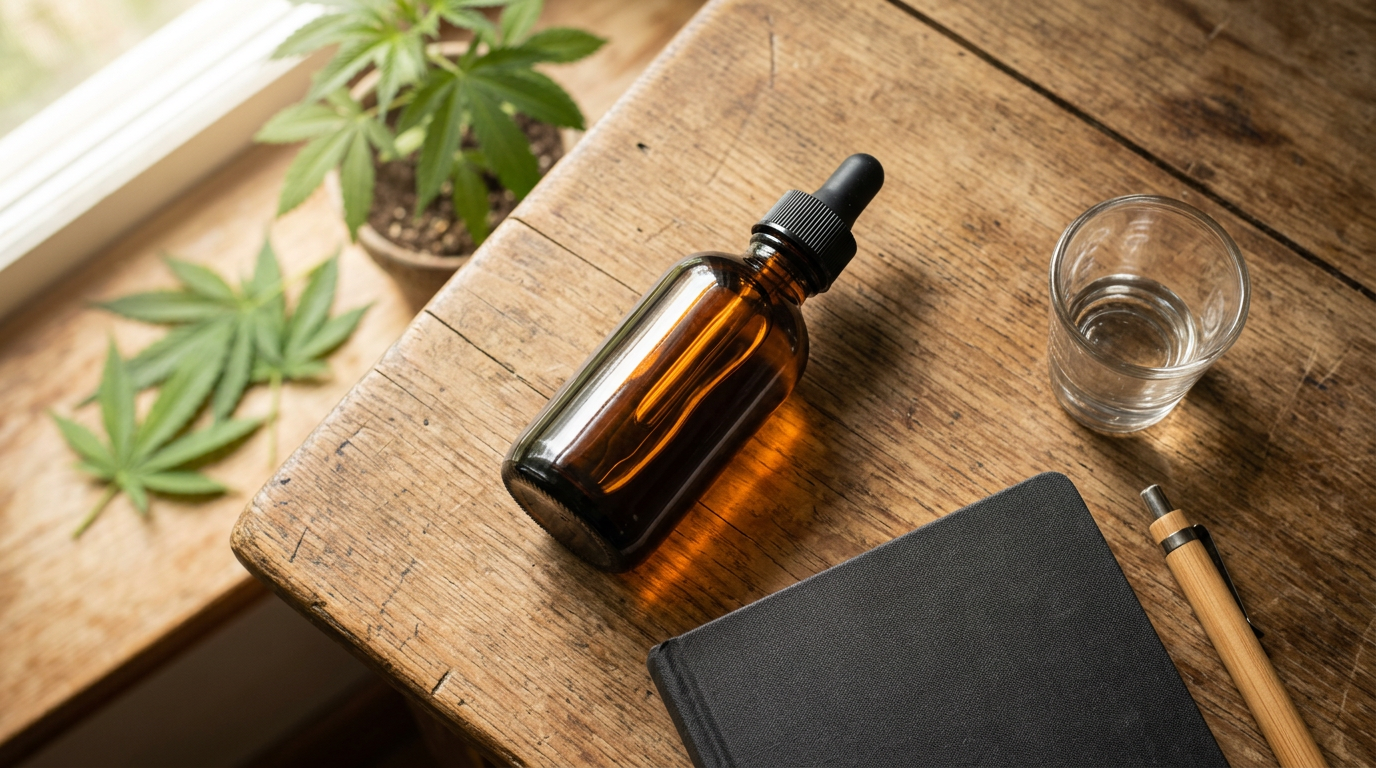
The signs that a tincture has gone bad are relatively straightforward: for oil-based tinctures, a rancid or “off” smell (think old cooking oil) is the primary indicator. For alcohol tinctures, the main concern is just potency loss over time rather than safety. Store tinctures in their original dark glass dropper bottles, in a cool, dark location. Refrigeration extends the life of oil-based tinctures significantly. Keep the dropper clean and don’t let it touch your mouth, as introducing saliva into the bottle can introduce bacteria and dramatically shorten shelf life.
For anyone who microdoses regularly, which is something I personally do with tinctures on busy workdays, this long shelf life makes tinctures an economical and practical choice. You can buy a quality product, store it properly, and know it will be there for you consistently over a long period without worrying about degradation.
| Product Type | Optimal Shelf Life | Max with Ideal Storage | Primary Degradation Risk | Best Storage Method |
|---|---|---|---|---|
| Flower | 6–12 months | 2+ years (frozen) | Mold, terpene loss, THC→CBN | Airtight glass jar, 59–63% RH, cool & dark |
| Gummies / Candy | 6–12 months | 12 months | Food spoilage, potency loss from heat | Airtight container, cool & dark or refrigerated |
| Baked Goods | 1–2 weeks (room temp) | 3 months (frozen) | Mold, staleness | Airtight, freeze for long-term |
| Vape Carts | 6–12 months | 12–18 months | Oil oxidation, hardware degradation | Upright, room temp, dark, away from heat |
| Shatter / Wax | 6–12 months | 12+ months | Sugaring, terpene loss | Parchment/glass, cool & dark |
| Live Resin / Rosin | 3–6 months | 12 months (refrigerated) | Terpene evaporation | Airtight glass, refrigerated or frozen |
| Alcohol Tincture | 2–5 years | 5+ years | Potency loss (very slow) | Dark glass bottle, cool & dark |
| Oil Tincture | 1–2 years | 2 years (refrigerated) | Carrier oil rancidity | Dark glass, refrigerated |
Advanced Storage Techniques: Going Beyond the Basics
Vacuum sealing is the single most effective upgrade you can make to your cannabis storage routine, and it’s accessible to anyone with a $30–$50 handheld vacuum pump and compatible jars. By removing the oxygen from the storage environment, you dramatically slow the oxidation process that converts THC to CBN and degrades terpenes. I started vacuum sealing my long-term flower storage about two years ago, and the difference in how well flower holds its aroma and potency over six-plus months is genuinely striking. Our growing specialist Darrel Henderson pointed me toward using wide-mouth mason jars with vacuum-seal lids as the most reliable and cost-effective system for home use, it’s the same method serious home growers use to preserve their harvest quality between cure and consumption.
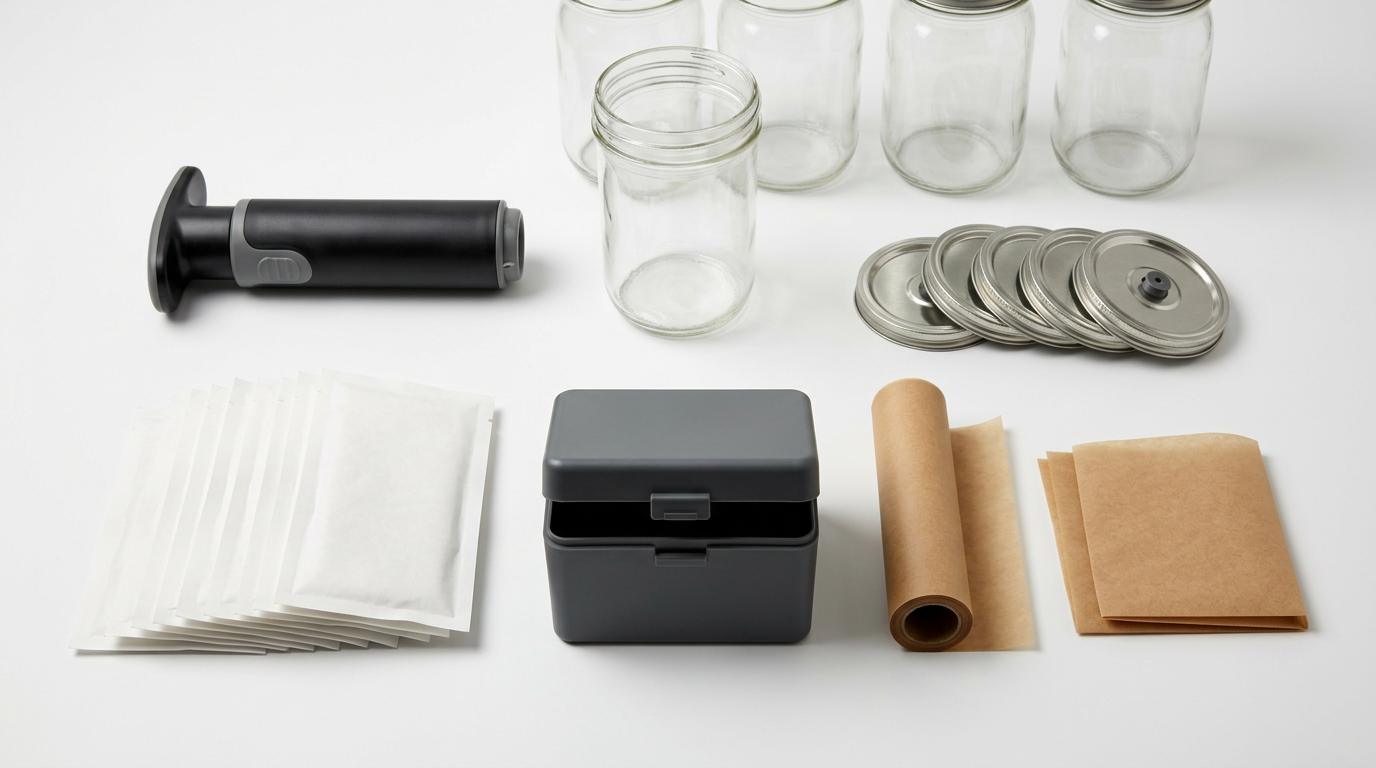
Freezing is the most extreme preservation option, and when done correctly, it can extend flower shelf life to two years or beyond. The critical requirements are: the flower must be fully dry and properly cured before freezing, it must be vacuum sealed to prevent moisture and freezer odors from penetrating, and you must never handle it while frozen. The trichomes on frozen cannabis are extremely brittle and will literally break off at the slightest touch, which is why some people deliberately freeze cannabis to make dry-sift hash, but that’s obviously not what you want if you’re trying to preserve the flower for later use.
Humidity control packs are a non-negotiable addition to any serious flower storage setup. Two-way humidity packs work by both absorbing excess moisture and releasing moisture when the environment gets too dry, keeping your jar in that ideal 59–63% relative humidity range passively and continuously. Replace them when they feel completely rigid (fully saturated) or completely dry, which typically happens every two to four months depending on your climate and how often you open the jar. If you’re in a naturally humid environment like Florida or the Pacific Northwest, you’ll burn through them faster than someone storing in a dry climate like Arizona or Colorado.
For anyone interested in the full picture of how cannabis plants develop the terpenes and cannabinoids that we’re trying to preserve, the cannabis terpenes guide on our cannabis blog is one of the most thorough resources I’ve found for understanding why these compounds matter and how to protect them.
What to Do With Old Weed
Old cannabis that has lost its potency or terpene profile isn’t necessarily trash, there are several practical uses for flower or concentrate that’s past its prime but not moldy or otherwise unsafe. The key distinction here is between “degraded” (less potent, less flavorful) and “unsafe” (mold, contamination, chemical degradation in a cart). The former can still be useful; the latter should be discarded without guilt.
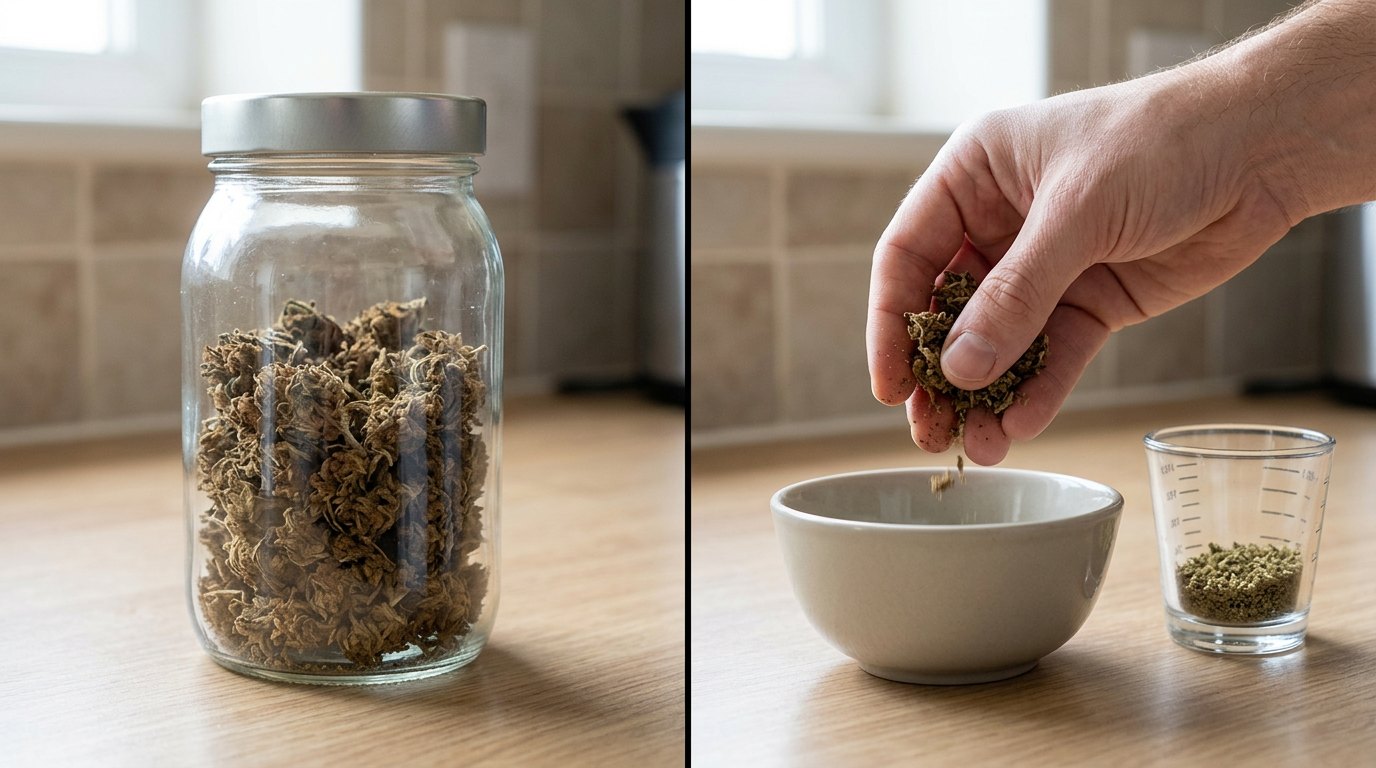
Old flower that’s lost most of its terpenes but still has some cannabinoid content is actually decent for making cannabutter or infused oil, because you’re going to be decarboxylating and infusing it anyway, which means the flavor profile matters less than it would for smoking or vaping. The THC that remains (even if it’s partially converted to CBN) will still contribute to the effect of your infusion. I’ve made some genuinely effective cannabutter from flower that was well past its prime for smoking, and it worked beautifully in baked goods. The cannabutter guide covers the decarboxylation process in detail, which is essential for getting the most out of older flower.
Old concentrates that have sugared or lost terpene quality can similarly be used in infusions or even added to a bowl of fresh flower to boost potency, even if the flavor isn’t what it once was. Old tinctures that are just lower in potency can be used at higher doses if you know roughly how much the potency has declined, though this obviously requires some experimentation.
The one category where I always say just let it go: moldy flower, any cart that tastes chemical or burnt, or any edible that shows visible mold or off smells. There’s no culinary rescue for those, and the potential health risks aren’t worth the savings.
Frequently Asked Questions
Can old weed make you sick?
Old cannabis that has simply degraded in potency and terpene content will not make you sick, the worst outcome is a less enjoyable, weaker experience. However, moldy cannabis is a genuine health concern. Inhaling mold spores can cause respiratory irritation and, in people with compromised immune systems or mold allergies, more serious reactions. If your flower has visible mold, smells musty or like ammonia, or has any fuzzy growth on it, do not smoke or vaporize it. Discarding it is the right call.
Does weed lose potency over time?
Yes, cannabis does lose potency over time through a process of oxidation that converts THC into CBN. Research published in peer-reviewed literature has documented approximately 16% THC loss after one year and 26% loss after two years under controlled conditions. In real-world storage scenarios, the loss can be faster depending on heat, light, and oxygen exposure. The good news is that CBN is not without effect, it tends to be more sedative than THC, so old cannabis often produces a heavier, sleepier experience rather than no effect at all.
How long do vape carts last before they go bad?
A vape cartridge typically maintains good quality for six months to one year after purchase when stored properly, upright, at room temperature, away from heat and light. Beyond that, the oil can darken significantly due to oxidation, terpenes evaporate leading to flat flavor, and the hardware itself can begin to degrade. A cart that produces a harsh, chemical, or burnt taste should be discarded regardless of age, as this indicates either significant oil degradation or hardware breakdown.
Can you eat edibles that are past their expiration date?
The expiration date on commercially produced cannabis edibles reflects the shelf life of the food product itself, not just the cannabinoids. Eating an edible a day or two past its printed date is unlikely to cause any issue if it looks and smells normal. However, eating an edible that shows signs of mold, has an off smell, or has dramatically changed in texture carries the same risks as eating any spoiled food, potential nausea, vomiting, or foodborne illness. The cannabis component of an expired edible is more likely to be less potent than dangerous, but the food component should be evaluated on standard food safety terms.
What’s the best way to store weed long-term?
The most effective long-term cannabis storage method combines vacuum sealing, airtight glass containers, two-way humidity control packs (targeting 59–63% relative humidity), and a cool, dark environment. For storage beyond six months, freezing vacuum-sealed, fully cured flower is the most reliable way to preserve potency and terpene content. The four enemies to protect against are light (UV degrades cannabinoids), heat (accelerates all degradation processes), humidity extremes (too high causes mold; too low causes trichome loss), and oxygen (drives oxidation of THC to CBN).
Does the type of container matter for storing weed?
Container choice matters significantly for cannabis storage quality. Airtight glass mason jars are the gold standard, glass is non-porous, doesn’t leach chemicals into the flower, and creates a true airtight seal. Plastic bags and containers are the worst option for anything beyond immediate, short-term use: plastic is slightly porous (allowing terpene loss), can generate static that pulls trichomes off the flower, and may leach trace compounds into the cannabis over time. Metal tins are acceptable for short-term storage but are not airtight enough for long-term preservation. For concentrates, glass is also preferable to silicone for anything beyond a week or two of storage.
Can you freeze weed to make it last longer?
Yes, freezing cannabis can extend its shelf life significantly, potentially to two years or beyond, but only when done correctly. The flower must be fully dried and properly cured before freezing, must be vacuum sealed to prevent moisture and freezer odors from penetrating the container, and must never be handled while frozen, as the trichomes become extremely brittle at low temperatures and will shatter with any physical contact. Allow frozen cannabis to come completely to room temperature inside its sealed container before opening. When done right, freezing is one of the most effective preservation methods available to home consumers.