Most cannabis consumers can name two species without hesitation, sativa and indica. But there’s a third member of the Cannabis genus that quietly underpins one of the most significant revolutions in modern cultivation: the autoflowering movement. Cannabis ruderalis was formally described by Russian botanist D.E. Janischewsky in 1924 after he encountered wild-growing cannabis plants in southern Siberia that behaved in ways neither sativa nor indica ever would, flowering based on age rather than light cycle, surviving in conditions that would kill most cultivated varieties, and carrying a cannabinoid profile so modest that recreational users largely ignored it for decades. That obscurity turned out to be a massive oversight. In my research into cannabinoid-terpene interactions, I’ve come to appreciate ruderalis not as the “weak” cannabis species, but as the genetic workhorse that made compact, fast-cycling, light-independent cultivation possible for millions of growers worldwide. Understanding what ruderalis actually is, botanically, chemically, and practically, changes how you think about every autoflowering strain you’ve ever grown or consumed.
- The Botanical History of Cannabis Ruderalis: A Species Born From Survival
- Physical Characteristics of Cannabis Ruderalis: What It Actually Looks Like
- The Cannabinoid Profile: Why Ruderalis Has Low THC and What That Means
- Cannabis Ruderalis vs Sativa vs Indica: A Three-Way Comparison
- The Autoflower Revolution: How Ruderalis Genetics Changed Cannabis Cultivation Forever
- Can You Smoke Cannabis Ruderalis? An Honest Assessment
- Modern Scientific and Commercial Applications of Ruderalis Genetics
- The Taxonomic Debate: Is Ruderalis Really a Separate Species?
The Botanical History of Cannabis Ruderalis: A Species Born From Survival
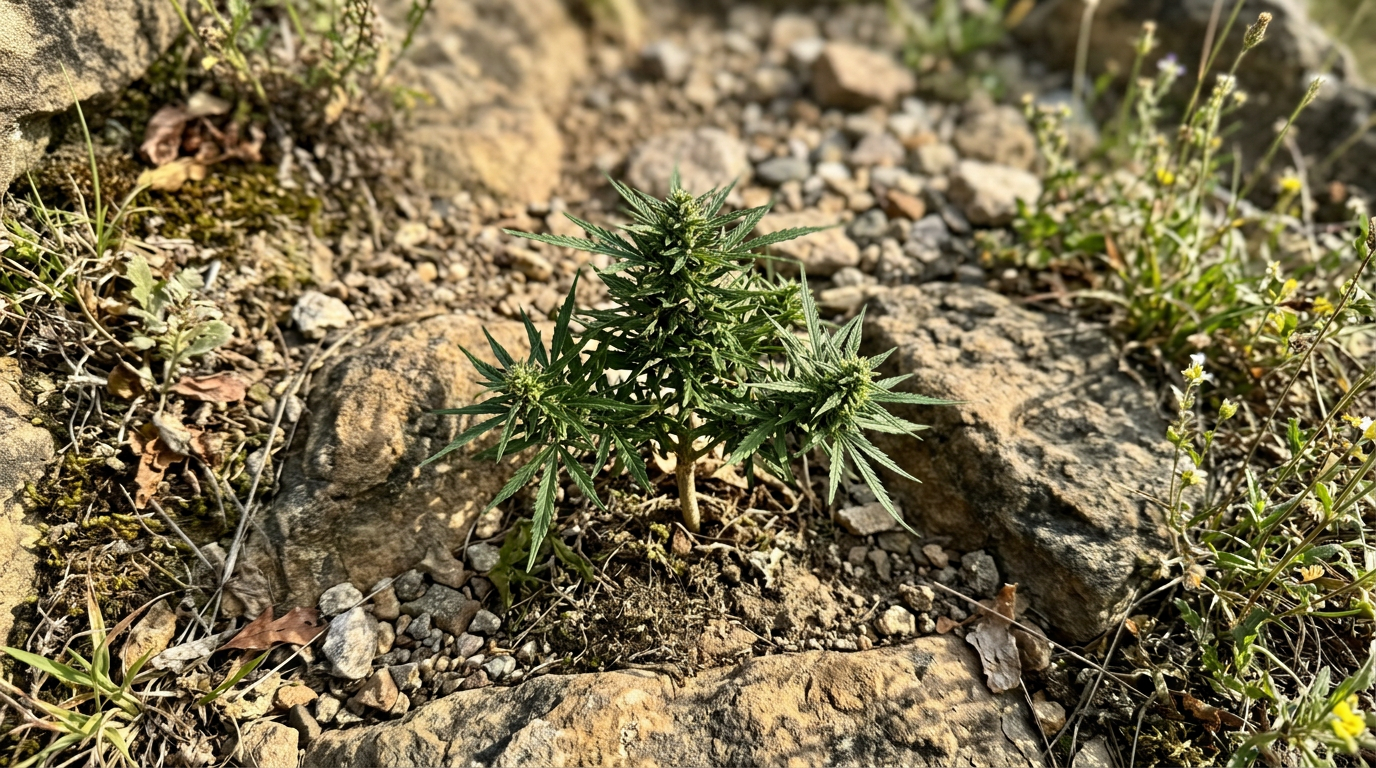
Cannabis ruderalis is a distinct botanical subspecies originating from the harsh, high-latitude environments of Central Asia, Eastern Europe, and Russia, formally classified by Janischewsky in 1924 based on specimens collected near the Volga River region. The word “ruderalis” itself derives from the Latin ruderal, a term botanists use to describe plants that colonize disturbed ground, roadsides, abandoned fields, waste areas, and thrive precisely where cultivated species struggle. This etymology is telling. Ruderalis didn’t develop its unique traits through careful human selection; it developed them through millennia of adaptation to some of the most agriculturally hostile environments on Earth.
The scientific classification of cannabis as a whole has been contested territory for over two centuries. Linnaeus described Cannabis sativa in 1753, and Jean-Baptiste Lamarck proposed Cannabis indica as a separate species in 1785. Janischewsky’s 1924 classification of ruderalis added a third node to this taxonomic debate, one that remains active in botanical literature today. A landmark review published in PMC (2017) examining cannabis taxonomy noted that the question of whether these represent distinct species or subspecies of a single polytypic species is still debated among researchers, with molecular phylogenetic data increasingly supporting the multi-species model. For practical purposes, and certainly for the purposes of understanding breeding and cultivation, treating ruderalis as a genetically distinct entity with unique, heritable traits is entirely justified by the evidence.
What makes the history of ruderalis particularly fascinating is the feral-origin hypothesis. Some botanists have proposed that ruderalis may actually represent escaped cultivated cannabis, sativa or indica plants that went feral in Central Asian latitudes and, over many generations, adapted their flowering behavior to survive short growing seasons. Under this model, the autoflowering trait wasn’t a primitive ancestral characteristic but an evolved adaptation. Whether ruderalis is a primary species or a derived feral population, the genetic distinctiveness of its autoflowering mechanism is now well-documented and has been verified through controlled breeding programs spanning decades.
Physical Characteristics of Cannabis Ruderalis: What It Actually Looks Like
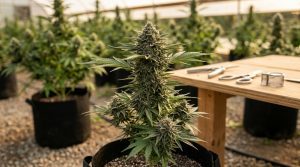
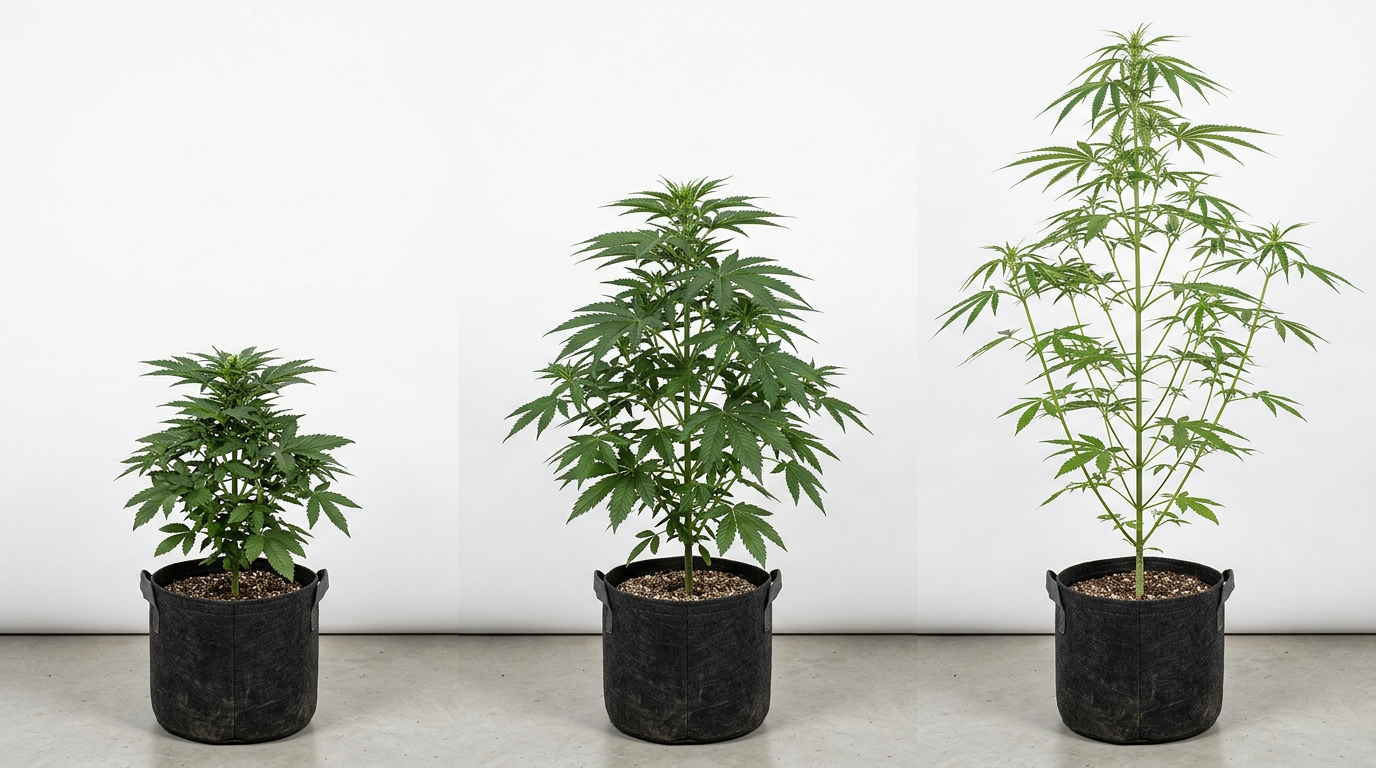
Cannabis ruderalis is immediately distinguishable from sativa and indica by its compact stature, typically reaching only 30 to 60 centimeters (roughly 1 to 2 feet) in height at maturity, significantly shorter than even the most compact indica varieties. In my plant chemistry work, I’ve handled ruderalis specimens and the physical differences are striking from the moment you see them alongside their cousins. The stems are thick and sturdy relative to the plant’s overall size, an architectural adaptation to wind exposure in open, temperate landscapes. The leaves are notably smaller than those of sativa or indica, with fewer leaflets per compound leaf, typically three to five, and broader leaflets than the narrow sativa phenotype but narrower than classic indica.
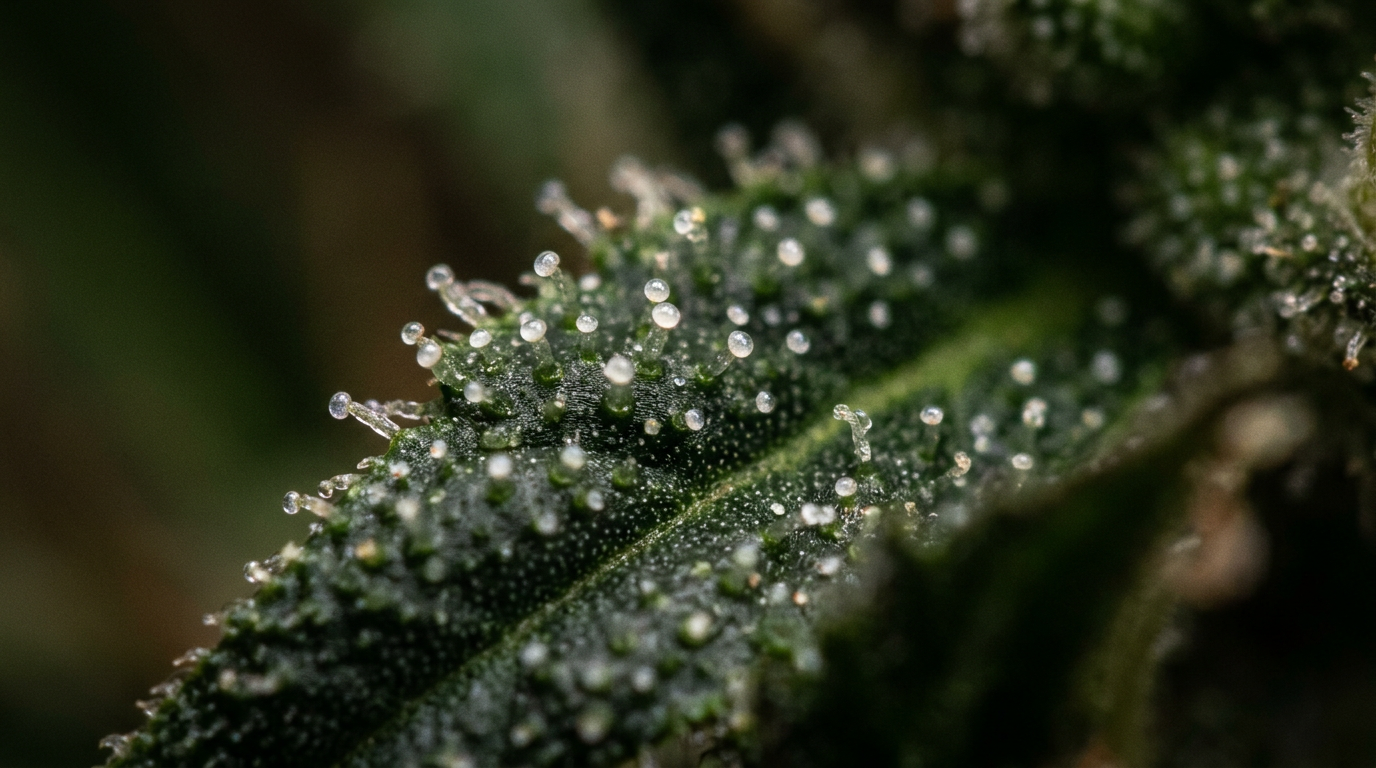
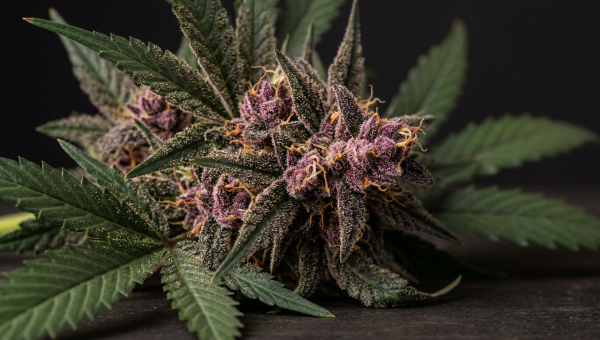
The branching structure of ruderalis is sparse and somewhat irregular compared to the dense, symmetrical canopy architecture that indica breeders have cultivated for generations. Ruderalis produces relatively few secondary branches, which directly translates into modest bud production. The flowers themselves are small, dense, and produced in limited quantities, a reflection of the plant’s evolutionary priority of completing its life cycle rapidly rather than producing large quantities of resinous material to attract pollinators or deter herbivores.
Perhaps the most consequential physical characteristic of ruderalis, however, is invisible to the naked eye: its flowering trigger. While sativa and indica plants require a shift in photoperiod, specifically, a reduction in daily light hours to approximately 12 hours of darkness, to initiate flowering, ruderalis flowers based on chronological age alone. This phenomenon, called autoflowering or day-neutral flowering, means a ruderalis plant will begin producing flowers roughly 21 to 30 days after germination regardless of whether it’s receiving 20 hours of light or 12. In the context of Siberian summers, where growing seasons are brutally short, this trait is the difference between reproductive success and failure.
The Cannabinoid Profile: Why Ruderalis Has Low THC and What That Means
Cannabis ruderalis produces THC concentrations that are typically below 3%, well beneath the threshold of recreational or medicinal significance on their own, while expressing moderate levels of CBD relative to its overall cannabinoid output. This cannabinoid profile is the primary reason ruderalis has been largely ignored as a direct-consumption plant throughout cannabis history. To put the numbers in perspective: modern high-THC cultivars like Blue Dream, Og Kush, or Gorilla Glue routinely test between 18% and 28% THC. A pure ruderalis specimen producing 2% THC simply cannot compete on that metric.

The low THC expression in ruderalis is not a cultivation failure, it’s a genetic baseline. Research published in PMC (2016) examining cannabinoid biosynthesis pathways across cannabis populations confirmed that the enzymatic expression of THCA synthase, the enzyme responsible for converting cannabigerolic acid (CBGA) into the THC precursor THCA, varies significantly across cannabis subspecies, with ruderalis populations consistently expressing lower THCA synthase activity relative to sativa and indica populations.
The CBD picture is more nuanced. Some ruderalis populations express CBD at levels that, while still modest in absolute terms, represent a higher CBD-to-THC ratio than most traditional sativa or indica cultivars. This ratio has made ruderalis genetics of genuine interest to hemp breeders in states like Colorado, Oregon, and Kentucky, where the legal definition of hemp, cannabis containing less than 0.3% THC on a dry weight basis under the 2018 Farm Bill, aligns well with ruderalis’s naturally low THC expression. The endocannabinoid system responds to the full spectrum of cannabinoids present in any given cultivar, and as I’ve explored in depth in my work on the entourage effect, the ratio between cannabinoids matters as much as absolute concentrations.
The terpene profile of pure ruderalis is similarly understated. The resin glands (trichomes) are less developed and less densely distributed than in sativa or indica, producing a less complex aromatic signature. This is another area where ruderalis’s value lies entirely in its genetic contribution to hybrid offspring rather than in its own terpene expression. For a deeper exploration of how terpene profiles shape the cannabis experience, the science I’ve covered in cannabis terpenes explained provides essential context for understanding what ruderalis-derived autoflowers gain, and sometimes sacrifice, in terpene complexity.
Cannabis Ruderalis vs Sativa vs Indica: A Three-Way Comparison
Understanding ruderalis in isolation only gets you so far, the species comes into sharp focus when placed side by side with its better-known relatives. The three cannabis subspecies differ across every meaningful botanical and chemical dimension, from physical architecture to cannabinoid expression to geographic origin to cultivation behavior.
| Characteristic | Cannabis Ruderalis | Cannabis Indica | Cannabis Sativa |
|---|---|---|---|
| Height at Maturity | 30–60 cm (1–2 ft) | 60–120 cm (2–4 ft) | 120–300 cm (4–10 ft) |
| Flowering Trigger | Age-based (autoflower, ~21–30 days) | Photoperiod (12/12 light cycle) | Photoperiod (12/12 light cycle) |
| Flowering Duration | ~70–90 days seed to harvest | 8–9 weeks after trigger | 10–16 weeks after trigger |
| Typical THC Content | < 3% | 15–25% | 15–30% |
| Typical CBD Content | Moderate (relative to THC) | Low to moderate | Generally low |
| Leaf Shape | Small, broad, 3–5 leaflets | Wide, dark green, 7–9 leaflets | Long, narrow, 9–13 leaflets |
| Geographic Origin | Central Asia, Russia, Eastern Europe | Hindu Kush mountains, South Asia | Equatorial regions (Southeast Asia, Africa, Americas) |
| Bud Density | Small, sparse | Dense, compact | Airy, elongated |
| Grow Difficulty | Low (no light schedule required) | Moderate | Moderate to High |
| Primary Modern Use | Autoflower breeding, hemp genetics | Direct consumption, breeding | Direct consumption, breeding |
The comparison above makes one thing immediately clear: ruderalis occupies a completely different ecological and chemical niche than its relatives. Where sativa evolved for equatorial light conditions and indica for the mountainous photoperiods of the Hindu Kush, ruderalis evolved for the abbreviated growing seasons of northern latitudes where waiting for a 12-hour dark period would mean dying before seed set. The practical implication for modern cultivation is that ruderalis-derived genetics remove the single most complex variable in indoor growing: light schedule management. Darrel Henderson‘s detailed breakdown of seed types covers this distinction thoroughly, and his feminized vs autoflower seeds guide is essential reading for anyone trying to understand how ruderalis genetics translate into practical cultivation choices.
The Autoflower Revolution: How Ruderalis Genetics Changed Cannabis Cultivation Forever
The most consequential application of Cannabis ruderalis genetics is the development of autoflowering cannabis strains, cultivars that inherit the day-neutral flowering trait from ruderalis while expressing the cannabinoid potency, terpene complexity, and yield potential of their sativa or indica parent lines. This breeding achievement took decades to realize at commercial scale, and its origins trace back to a single landmark cultivar: Lowryder.
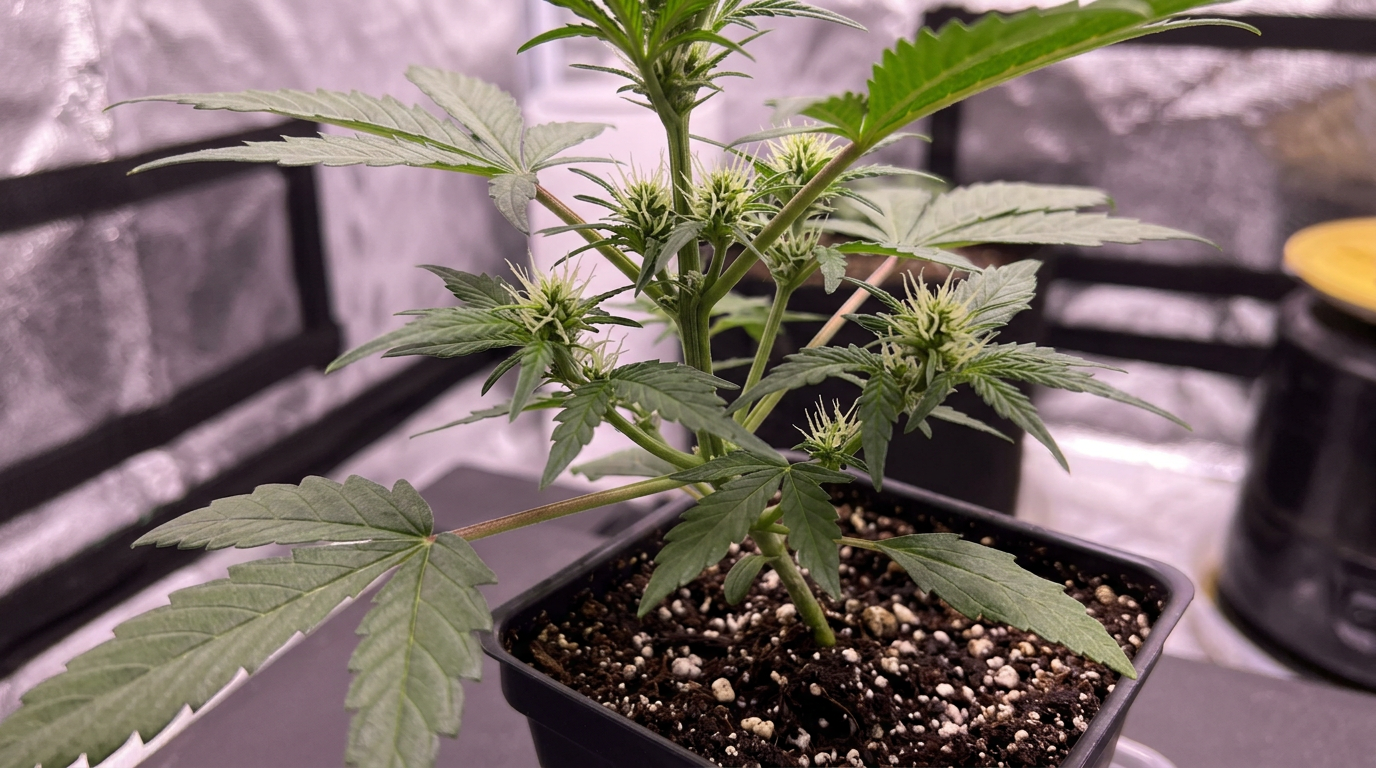
Lowryder, developed by breeder Joint Doctor in the late 1990s and early 2000s, is widely credited as the first commercially available autoflowering cannabis strain with meaningful THC content. The genetics involved crossing ruderalis material with Northern Lights and William’s Wonder (an indica-dominant variety), then backcrossing repeatedly to stabilize the autoflowering trait while pushing THC expression as high as the hybrid genome would allow. Early Lowryder plants were small, fast, and produced modest yields, but they proved the concept: ruderalis’s autoflowering gene could be introgressed into high-potency cannabis without losing the day-neutral flowering behavior.
From that proof of concept, the autoflower market exploded. Modern autoflowering cultivars are now sophisticated multi-generational hybrids that retain the ruderalis autoflowering mechanism while expressing THC levels of 15% to 25% or higher, complex terpene profiles, and yields that approach those of photoperiod varieties in optimized growing environments. Strains like autoflowering versions of Gorilla Glue, Blue Dream, and Girl Scout Cookies carry ruderalis DNA in their lineage even when the breeders don’t prominently advertise that fact.
The mechanism behind autoflowering is now understood at a molecular level. Research has identified that the day-neutral flowering trait in ruderalis is associated with loss-of-function mutations in genes that, in photoperiod-dependent cannabis, regulate the circadian clock’s response to light, specifically genes in the photoperiod pathway homologous to those studied in Arabidopsis thaliana research. These mutations effectively decouple the flowering decision from light sensing, allowing internal developmental signals to trigger the transition from vegetative to reproductive growth on a fixed timeline.
For growers in states like Washington, California, Colorado, and Oregon, where home cultivation is legal under state law, autoflowering strains derived from ruderalis genetics have dramatically lowered the barrier to entry. A plant that completes its entire life cycle from seed to harvest in 70 to 90 days, requires no light schedule adjustment, and stays compact enough to grow in a small tent or on a balcony represents a fundamentally different cultivation proposition than a photoperiod sativa that might take 6 months to finish outdoors. Travis Cole‘s outdoor growing expertise speaks directly to how these ruderalis-influenced autoflowers perform in real-world outdoor conditions across different US climate zones.
Can You Smoke Cannabis Ruderalis? An Honest Assessment
Yes, you can smoke pure Cannabis ruderalis, but the experience will be underwhelming to the point of near-irrelevance for anyone seeking meaningful psychoactive or therapeutic effects. This is one of those questions I see repeatedly on growing forums and Reddit threads, and the honest scientific answer is more nuanced than a simple yes or no.
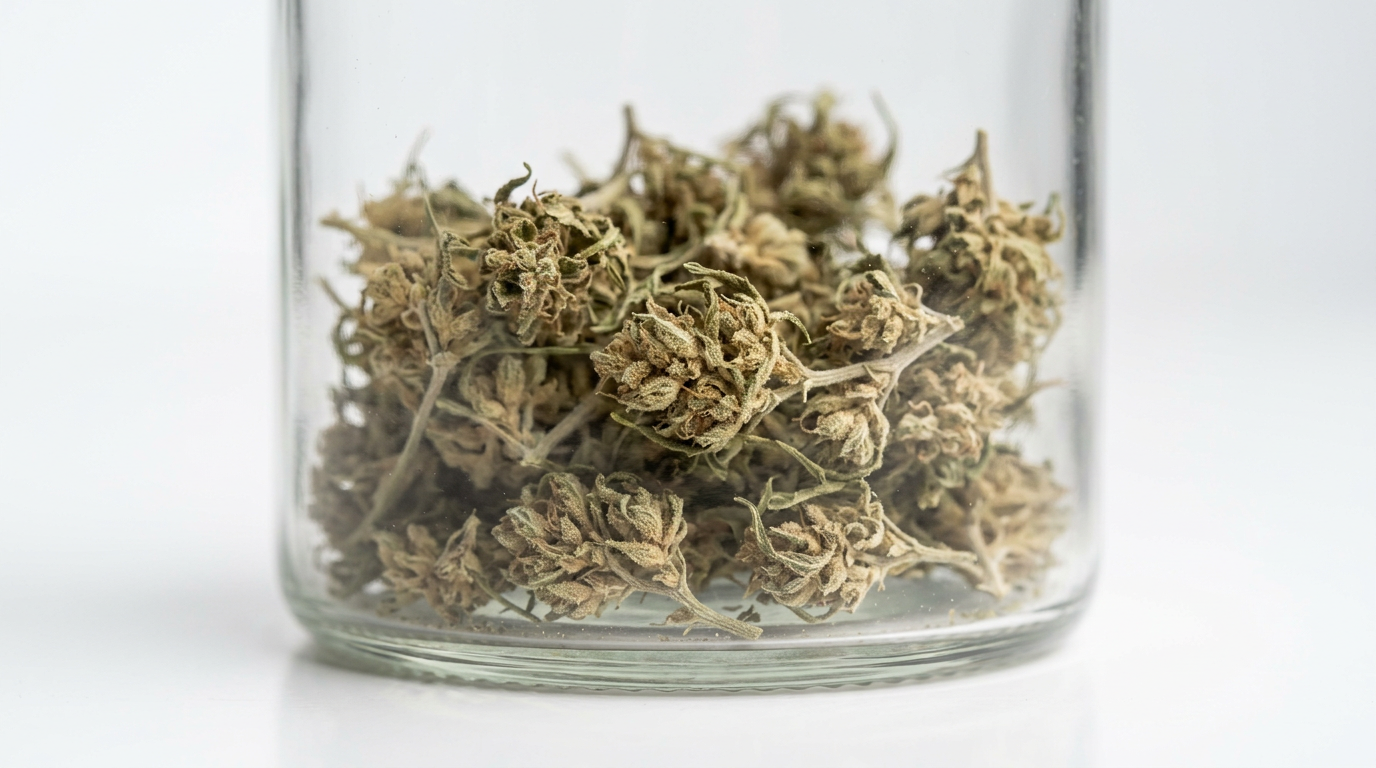
With THC content typically below 3%, a pure ruderalis specimen delivers a cannabinoid dose that is unlikely to produce noticeable psychoactive effects in most adults with any cannabis experience. For context, many US states set their legal hemp threshold at 0.3% THC, and even cannabis products marketed specifically for their mildness, CBD flower, for instance, typically contain 1% to 5% THC. A pure ruderalis plant sits at the very low end of that range, and its sparse, underdeveloped trichome coverage means the absolute quantity of cannabinoids available per gram of flower is further reduced.
The terpene profile of pure ruderalis is also relatively simple compared to what cannabis consumers expect from modern cultivars. The aromatic complexity that makes strains like Jack Herer, Sour Diesel, or Amnesia Haze distinctive and enjoyable is a product of extensive selective breeding for terpene expression, something ruderalis has never been subjected to in isolation. Smoking pure ruderalis would likely produce a mild, somewhat grassy flavor profile with minimal aromatic character.
Where ruderalis does have some direct-consumption relevance is in the context of CBD-dominant hemp flower, where its naturally low THC and moderate CBD expression has been incorporated into hemp breeding programs. In states like Kentucky and Tennessee, where hemp cultivation has expanded significantly since the 2018 Farm Bill, some commercial hemp genetics carry ruderalis lineage precisely because of this cannabinoid ratio. But even in that context, the ruderalis genetics are typically blended with high-CBD indica or sativa lines to improve yield and terpene development, pure ruderalis remains a breeding input rather than a finished product.
The bottom line: ruderalis is not commercially viable as a standalone consumption product. Its value is entirely genetic, a trait donor that has given the cannabis industry the autoflowering mechanism, and in doing so, transformed cultivation accessibility worldwide.
Modern Scientific and Commercial Applications of Ruderalis Genetics
Beyond autoflower breeding, Cannabis ruderalis has emerged as a subject of genuine scientific interest in several research domains, particularly as cannabis legalization across US states and internationally has opened doors for academic investigation that were previously blocked by Schedule I restrictions at the federal level.

In cannabinoid biosynthesis research, ruderalis populations offer a naturally occurring low-THC, moderate-CBD model that allows researchers to study the enzymatic pathways of cannabinoid production without the legal complications of working with high-THC material. Universities in states with robust cannabis research programs, Oregon State, the University of Colorado, UC Davis, have used diverse cannabis populations including ruderalis-derived material to map the genetic architecture of cannabinoid expression.
In hemp breeding, the ruderalis autoflowering trait has practical commercial applications beyond the recreational market. Hemp farmers in northern states like Montana, Minnesota, and Michigan face compressed growing seasons that make photoperiod-dependent hemp varieties risky, a late spring or early frost can devastate a crop that hasn’t yet flowered. Autoflowering hemp varieties incorporating ruderalis genetics can complete their cycle within the available window, providing a meaningful agronomic advantage in these regions.
The resilience characteristics of ruderalis, its tolerance for temperature fluctuations, drought stress, and poor soil conditions, are also of interest to plant breeders working on stress-tolerance genetics. As climate variability increases growing season unpredictability across North America and Europe, the hardiness traits encoded in ruderalis genetics may become increasingly valuable as breeders work to develop cultivars resilient to changing environmental conditions.
For anyone interested in exploring the broader landscape of cannabis genetics and strain selection, the best cannabis strains guide provides a comprehensive view of how these genetic lineages, including ruderalis-influenced autoflowers, translate into real-world consumer and grower experiences. And if you’re considering growing autoflowering seeds for the first time, the complete home growing guide covers the specific adjustments that ruderalis-derived autoflowers require compared to photoperiod varieties.
The Taxonomic Debate: Is Ruderalis Really a Separate Species?
The question of whether Cannabis ruderalis deserves full species status, subspecies recognition, or should simply be classified as a feral ecotype of Cannabis sativa remains genuinely unresolved in botanical literature, and understanding this debate matters for how we interpret ruderalis’s genetic distinctiveness. The scientific community has not reached consensus, and the positions taken by researchers often reflect their methodological approach as much as the underlying biological evidence.
Lumpers, taxonomists who prefer broader species concepts, argue that all cannabis populations belong to a single polytypic species, Cannabis sativa L., with ruderalis, indica, and sativa representing distinct varieties or subspecies rather than separate species. Under this framework, the accepted nomenclature would be Cannabis sativa var. ruderalis. Splitters, by contrast, argue that the morphological and genetic distinctiveness of the three populations, particularly the unique autoflowering mechanism of ruderalis, justifies full species separation.
Molecular phylogenetic studies have added complexity rather than resolution to this debate. Research examining microsatellite markers and whole-genome sequencing data has found that ruderalis populations cluster separately from both indica and sativa populations in phylogenetic analyses, supporting some degree of genetic distinctiveness. However, the degree of gene flow between wild ruderalis populations and cultivated cannabis in Central Asian regions means that the boundaries between these groups are not clean, and intermediate populations exist.
For practical purposes in cultivation, breeding, and regulation, the three-species model remains the dominant framework. US federal and state cannabis regulations, international drug treaties, and the commercial cannabis industry all operate using the conceptual distinction between ruderalis, indica, and sativa, even when the underlying science suggests the reality is more of a continuum. I find this taxonomic messiness intellectually honest: cannabis is a plant that has been moved, bred, and introgressed across human populations for millennia, and expecting clean species boundaries is probably asking more of the biology than it can deliver.
You can explore more of the science behind cannabis classification, cannabinoid interactions, and the research shaping our understanding of this plant across our cannabis blog, where I and other writers regularly cover emerging research in accessible, evidence-based formats.
Frequently Asked Questions About Cannabis Ruderalis
What is Cannabis ruderalis and where does it come from?
Cannabis ruderalis is the third major cannabis subspecies, formally described by Russian botanist D.E. Janischewsky in 1924 from wild specimens collected in the Volga River region of southern Russia. It grows natively across Central Asia, Eastern Europe, and Siberia, harsh, high-latitude environments with short growing seasons. Unlike Cannabis sativa and Cannabis indica, which were developed primarily through human cultivation, ruderalis adapted to survive in disturbed, marginal land with minimal human intervention, developing its distinctive autoflowering trait as a survival mechanism for completing its reproductive cycle before the short northern summer ends.
What makes Cannabis ruderalis different from sativa and indica?
The three most significant differences are flowering behavior, physical size, and cannabinoid profile. Ruderalis flowers based on age, typically 21 to 30 days after germination, rather than requiring a change in light cycle like sativa and indica. It grows significantly smaller, usually 30 to 60 centimeters, compared to indica’s 60 to 120 centimeters and sativa’s potential height of 3 meters or more. And its THC content is typically below 3%, far lower than the 15% to 30% range common in modern sativa and indica cultivars. These three traits together define ruderalis as a genetically distinct entity with a unique ecological niche.
Can you get high from smoking pure Cannabis ruderalis?
Practically speaking, no, not in any meaningful way. With THC content typically below 3% and sparse trichome development producing limited absolute cannabinoid quantities per gram of flower, pure ruderalis does not deliver the psychoactive experience that cannabis consumers associate with sativa or indica cultivars. You would need to consume an impractically large quantity of pure ruderalis flower to approach the THC dose delivered by a single bowl of a modern high-THC cultivar. Ruderalis is not commercially grown or sold as a direct-consumption product for this reason, its value is entirely in its genetic contribution to autoflowering hybrids.
How did Cannabis ruderalis lead to autoflowering strains?
Breeders recognized that ruderalis’s day-neutral flowering trait, the ability to flower based on age rather than light cycle, was a heritable genetic characteristic that could be crossed into high-THC sativa and indica lines. The landmark cultivar Lowryder, developed in the late 1990s and early 2000s by breeder Joint Doctor, was the first commercially successful demonstration of this concept, crossing ruderalis genetics with Northern Lights and William’s Wonder to produce a plant that flowered automatically while expressing meaningful THC content. Subsequent generations of breeding have refined this process to the point where modern autoflowering strains can achieve THC levels of 20% or higher while completing their full life cycle in 70 to 90 days from seed, a direct inheritance from ruderalis’s evolutionary adaptations.
Does Cannabis ruderalis have CBD?
Cannabis ruderalis does express CBD, and its naturally low THC content means the CBD-to-THC ratio in ruderalis is often higher than in traditional sativa or indica cultivars, even if the absolute CBD concentration is modest. This characteristic has made ruderalis genetics of interest to hemp breeders working to develop low-THC, CBD-expressing varieties that comply with the 0.3% THC threshold established by the US 2018 Farm Bill. However, pure ruderalis is not a high-CBD plant in the way that purpose-bred CBD cultivars are, those typically involve ruderalis genetics crossed with high-CBD indica or sativa lines to boost CBD expression while maintaining the low-THC, autoflowering characteristics.
Is Cannabis ruderalis legal in the United States?
Cannabis ruderalis occupies the same legal status as other cannabis subspecies under US federal law, it is classified as a Schedule I controlled substance under the Controlled Substances Act when it contains more than 0.3% THC on a dry weight basis. Because ruderalis naturally tends to produce THC below this threshold, some ruderalis-derived plants may technically qualify as hemp under the 2018 Farm Bill definition. However, the legal status of any specific plant depends on its actual THC content rather than its subspecies classification. In states with legal recreational or medical cannabis programs, including Oregon, Colorado, California, Washington, and others, ruderalis and ruderalis-derived autoflowering strains are legal to grow and possess within the limits established by state law.
Are autoflowering strains less potent because of their ruderalis genetics?
Early autoflowering strains were noticeably less potent than their photoperiod counterparts, a direct consequence of the ruderalis genetics diluting THC expression in the hybrid genome. However, decades of selective breeding have largely closed this gap. Modern autoflowering cultivars from experienced breeders regularly test at 18% to 25% THC, with some pushing higher. The key was not just crossing ruderalis with high-THC lines once, but backcrossing repeatedly to select for both the autoflowering trait and high cannabinoid expression simultaneously. Terpene complexity in autoflowers has similarly improved dramatically from the early Lowryder era, though some growers and analysts still note that the most terpene-rich, aromatic expressions tend to come from photoperiod varieties where the longer vegetative period allows for more extensive resin development.