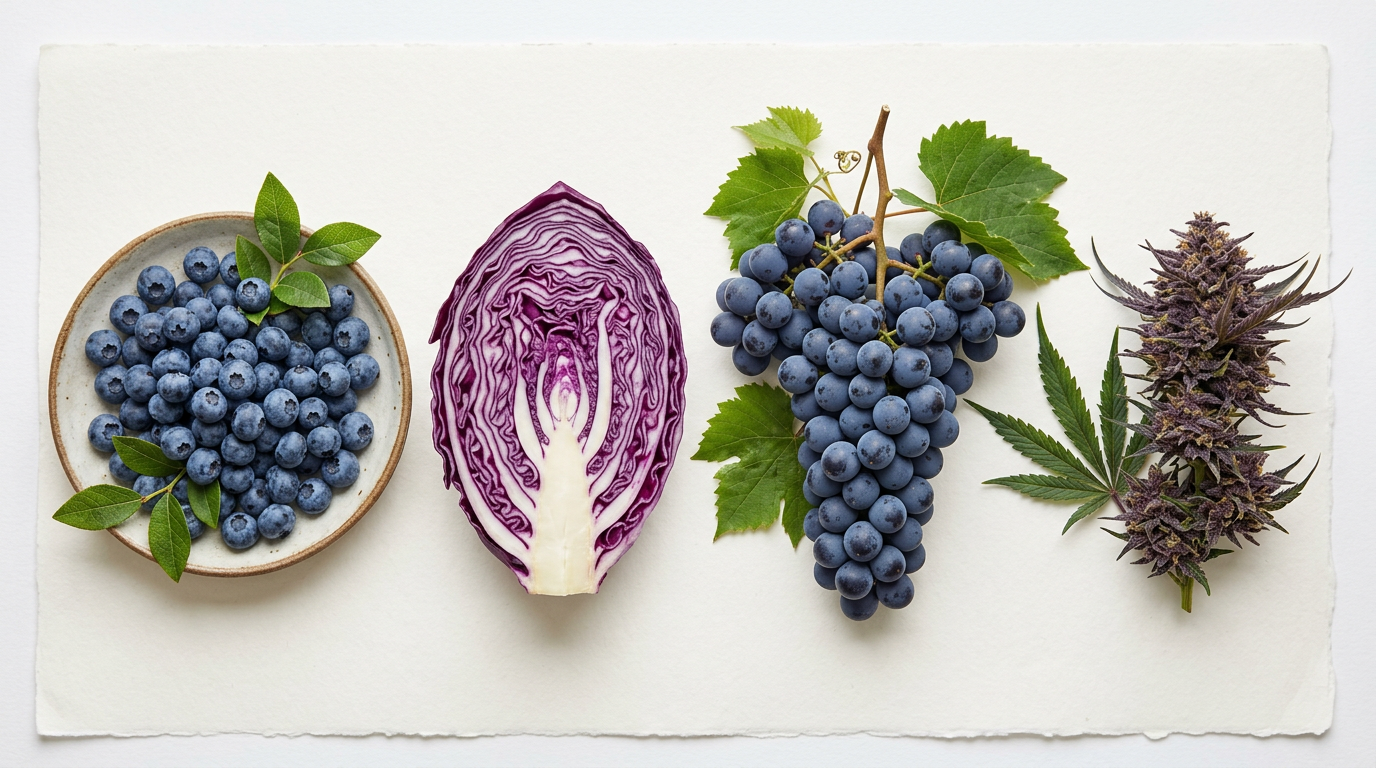
Here is a fact that should immediately reframe everything you think you know about purple cannabis: the same pigment that turns blueberries blue, red cabbage purple, and Concord grapes deep violet is the exact molecule responsible for the color in your purple bud. It is called an anthocyanin, it has nothing to do with THC, and understanding it will save you from paying a premium for something that is, from a potency standpoint, purely cosmetic. I have spent years analyzing cannabinoid-terpene interactions and plant chemistry, and few topics in cannabis attract more confident misinformation than the purple weed question. Let’s fix that.
- The Real Answer: Anthocyanins Are Doing All the Work
- Genetics First: You Cannot Force Any Strain to Turn Purple
- Temperature Is the Trigger: The Cold Night Protocol
- Is Purple Weed Stronger? The Myth That Will Not Die
- Is Purple Weed Indica? The Genetics of Color and Classification
- Purple as Stress Indicator: When Color Is a Warning Sign
- Fake Purple Weed: How to Spot Dyed Cannabis
- Top Purple Cannabis Strains: A Scientific Comparison
- How to Grow Purple Weed: The Evidence-Based Protocol
The Real Answer: Anthocyanins Are Doing All the Work
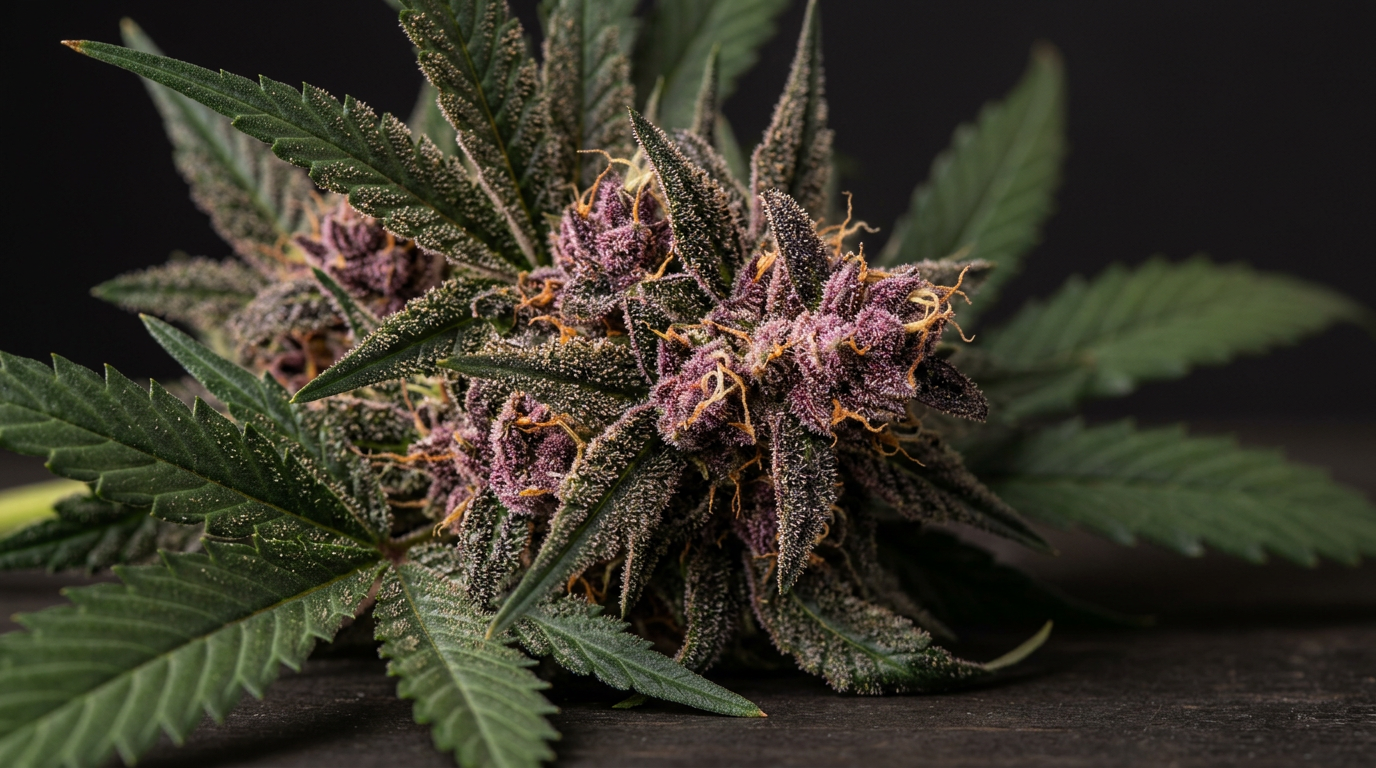
Anthocyanins are water-soluble flavonoid pigments that exist across the plant kingdom, responsible for the red, blue, and purple hues in hundreds of fruits, vegetables, and flowers. In cannabis, they accumulate in plant tissues, particularly in the leaves, calyxes, and sometimes the trichome-bearing sugar leaves surrounding the buds, when specific genetic and environmental conditions align. Research published in PMC (National Institutes of Health) confirms that anthocyanins are largely responsible for red and purple color phenotypes in plants, including cannabis, and their expression is tightly regulated by both genetics and environmental signals.
The reason most cannabis is green rather than purple comes down to chlorophyll. During the vegetative stage and the early weeks of flowering, chlorophyll production is robust and dominant, it simply overwhelms any anthocyanin pigmentation that might otherwise be visible. As the plant matures and approaches harvest, chlorophyll begins to break down, and in genetically predisposed cultivars, anthocyanins become visible as the green fades. This is the same mechanism behind autumn leaves turning red and orange: the chlorophyll retreats and reveals what was always there underneath.
What makes this particularly interesting from a plant chemistry standpoint is that anthocyanin expression is pH-dependent. In acidic conditions, anthocyanins tend to appear redder. In neutral conditions, they shift toward purple. In alkaline conditions, they can express as blue or even greenish-blue. This means the growing medium’s pH directly influences not just whether your plant turns purple, but what shade of purple it actually becomes. A grower managing a slightly acidic root zone will see different color expression than one running a more neutral medium, even with the exact same genetics.
Genetics First: You Cannot Force Any Strain to Turn Purple
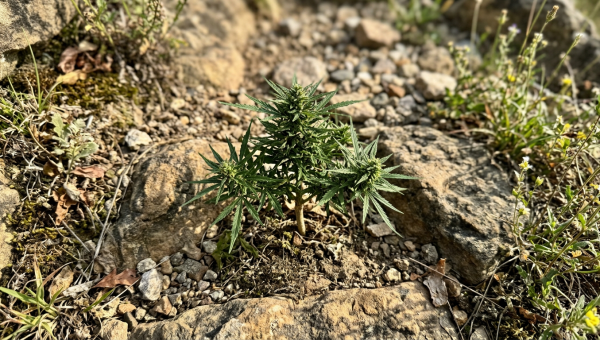
This is where a lot of growers go wrong, and I want to be direct about it: if your cultivar does not carry the genetic capacity to produce anthocyanins at scale, no amount of cold nights or pH manipulation will produce a genuinely purple plant. You might stress it into showing some reddish or brownish discoloration, which is a sign of plant damage, not pigment expression, but that is not the same thing. True purple cannabis requires a genetic foundation that includes active anthocyanin biosynthesis pathways.
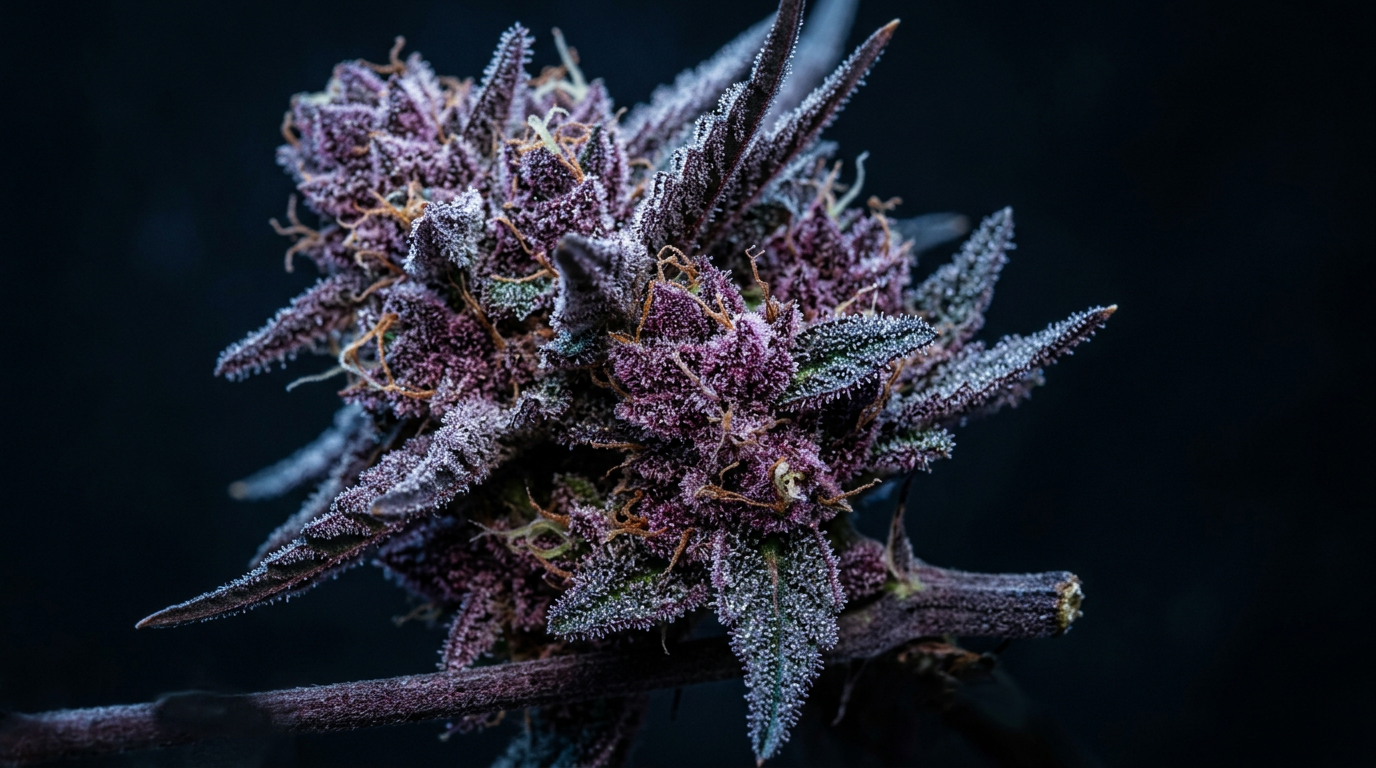
Breeders have spent decades selecting for strains that reliably express anthocyanin-rich phenotypes. The result is a category of cultivars that carry the genetic “switch” to upregulate anthocyanin production under the right conditions. This is why Granddaddy Purple, arguably the most famous purple strain in American cannabis culture, reliably produces deep purple buds when grown correctly, while a strain like Blue Dream might show only the faintest purple tinting even under identical conditions. The genetics are simply not coded for it.
Travis Cole, whose outdoor growing expertise I deeply respect, makes the same point in his cultivation work: strain selection is always the first decision, and with purple cannabis, it is non-negotiable. You can optimize every environmental variable perfectly, but if the genetic blueprint is not there, you are working against plant biology. Our best strains guide covers the broader landscape of cultivar selection, but for purple specifically, the cultivar list matters enormously.
Temperature Is the Trigger: The Cold Night Protocol
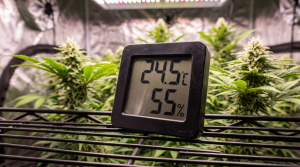
Once you have the right genetics, temperature becomes your primary lever. The mechanism is well-established in plant science: cool night temperatures during the late flowering stage accelerate chlorophyll degradation while simultaneously signaling the plant to upregulate anthocyanin production. In cannabis cultivation, the target range that experienced growers report most consistently producing vivid purple coloration is nighttime temperatures of approximately 10–15°C (50–59°F) during the final three to four weeks before harvest.
The differential between daytime and nighttime temperatures is what matters most, not just the absolute cold, but the contrast. A plant experiencing 26°C days and 12°C nights is under a thermal stress gradient that accelerates the chlorophyll breakdown and anthocyanin accumulation cycle. Outdoor growers in climates with genuine autumn seasons, think mountain regions of Colorado, northern California, or the Pacific Northwest where I am based, often produce naturally stunning purple cannabis precisely because the seasonal temperature drop does this work automatically.
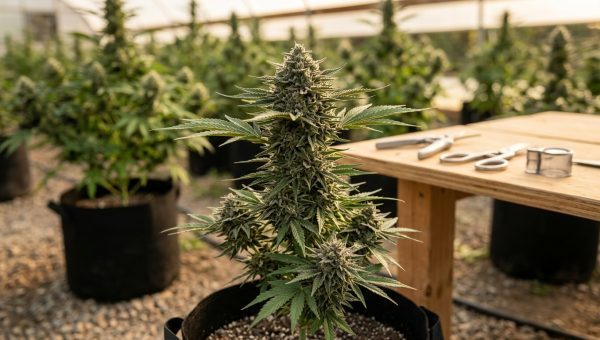
Indoor growers need to engineer this deliberately. During the last few weeks of flower, dropping the lights-off temperature by running the air conditioning or simply allowing the grow space to cool overnight can meaningfully enhance purple expression in genetically capable strains. Strong, direct light, particularly from full-spectrum LED grow lights, also appears to support anthocyanin production during the light period, though the cold nights remain the primary driver. Darrel Henderson‘s detailed work on environmental control in cultivation is worth consulting here, and our complete home growing guide covers the broader environmental management framework that makes these techniques work.
Is Purple Weed Stronger? The Myth That Will Not Die
No. Purple weed is not inherently stronger than green weed. I want to be as clear as plant chemistry allows me to be on this point: anthocyanins and THC are produced through entirely separate biosynthetic pathways. Anthocyanins are flavonoid compounds synthesized via the phenylpropanoid pathway. THC is a terpenoid synthesized via the methylerythritol phosphate pathway. These two systems do not share a rate-limiting step, a common precursor, or any known regulatory linkage that would cause high anthocyanin production to correlate with high cannabinoid production.
The persistence of this myth likely has two sources. First, many popular purple strains, Granddaddy Purple, Purple Kush, Purple Punch, happen to be potent cultivars that were selectively bred for both visual appeal and high THC content. The association between purple color and strong effects in these specific strains has been incorrectly generalized to mean that purple color causes strong effects. Second, the cannabis market has historically priced purple flower at a premium, creating a financial incentive for sellers to reinforce the belief that purple equals better.
The Reddit growing community has actually been fairly sophisticated on this point in recent years. Experienced cultivators frequently note that some purple strains can underperform green strains in terms of bud density, trichome coverage, and measured THC percentage. The color is cosmetic. Quality is determined by genetics, grow environment, proper nutrient management, and post-harvest curing, none of which are indicated by anthocyanin content. Our cannabis terpenes guide explains the actual chemical compounds that do shape your experience, and color is not among them.
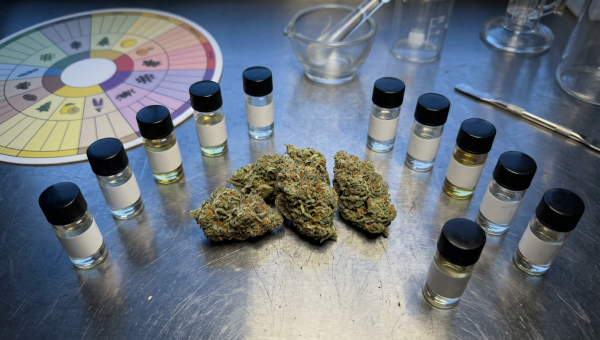
The same logic applies to the related question of whether purple weed gets you higher. The effects you experience from any cannabis cultivar are a product of its cannabinoid ratios, its terpene profile, and how those compounds interact with your endocannabinoid system, what researchers call the entourage effect. I analyzed this interaction in depth in my work on the entourage effect science, and anthocyanin content appears nowhere in that equation. The specific strain you choose determines your experience, not its color.
Is Purple Weed Indica? The Genetics of Color and Classification
The short answer is: most purple strains lean indica-dominant, but this is a correlation, not a rule. The longer answer requires understanding why this correlation exists in the first place. Many of the foundational purple genetics in modern cannabis breeding trace back to indica-heavy landrace populations from regions like Afghanistan, the Hindu Kush mountain range, and parts of Central Asia. These plants evolved in environments with significant diurnal temperature variation, hot days and cold nights at altitude, which may have selected for robust anthocyanin expression as a stress-adaptive trait.
When breeders in the United States began developing dedicated purple cultivars in the 1990s and early 2000s, they frequently worked with these indica-dominant genetics, producing the classic “purple indica” archetype that strains like Granddaddy Purple and Purple Urkle represent. The relaxing, body-heavy, sedating effects commonly associated with purple weed are actually the effects of indica-dominant cannabinoid and terpene profiles, myrcene-heavy, often with significant linalool, not the anthocyanins themselves.
However, Purple Haze is a counterexample that matters. This legendary sativa-dominant cultivar, most famously associated with Jimi Hendrix’s 1967 recording, produces genuine purple coloration while delivering an energetic, cerebral, classically sativa experience. Its terpene profile, which includes myrcene, limonene, and caryophyllene in a ratio quite different from indica-dominant purple strains, produces effects that have nothing to do with its color. Purple Haze demonstrates clearly that the indica-purple association is a historical artifact of breeding trends, not a biological law.
Purple as Stress Indicator: When Color Is a Warning Sign
Here is a nuance that the bro-science crowd consistently misses: not all purple cannabis is the result of healthy anthocyanin expression. Before modern breeding selected specifically for anthocyanin-rich purple phenotypes, purple and reddish-purple coloration in cannabis was frequently a sign of plant stress, specifically phosphorus deficiency, cold damage, or root zone problems. Under these conditions, the plant’s metabolic disruption causes pigment changes that can superficially resemble intentional purple coloration.
The key distinction is where and how the color appears. Stress-induced discoloration typically presents first on fan leaves, often with other symptoms: yellowing, brown edges, unusual leaf curl, or reduced trichome production. Genetically expressed anthocyanin coloration tends to develop in the calyxes, sugar leaves, and bud structure during late flowering, without accompanying signs of plant distress. The plant continues to produce healthy trichomes, maintains normal leaf structure, and shows no nutrient deficiency symptoms.
If you are growing and see purple appearing alongside other problem signs, I would recommend cross-referencing with our leaf diagnosis guide before assuming you have a beautiful purple phenotype expressing itself. Similarly, timing matters: anthocyanin expression in healthy plants typically appears in the final two to four weeks of flowering, not during vegetative growth or early flower. Early-onset purple coloration is almost always stress-related. Understanding when to harvest is also critical context here, because the late-flower timing of anthocyanin expression overlaps directly with the harvest window.
Fake Purple Weed: How to Spot Dyed Cannabis
The premium pricing of purple cannabis has created an unfortunate market incentive: some unscrupulous sellers dye ordinary green cannabis with food coloring or purple dye to command higher prices. This practice is more common in unregulated markets, in states and regions where cannabis remains illegal and there is no lab testing or regulatory oversight, though it has been documented even in gray market products in legal states.
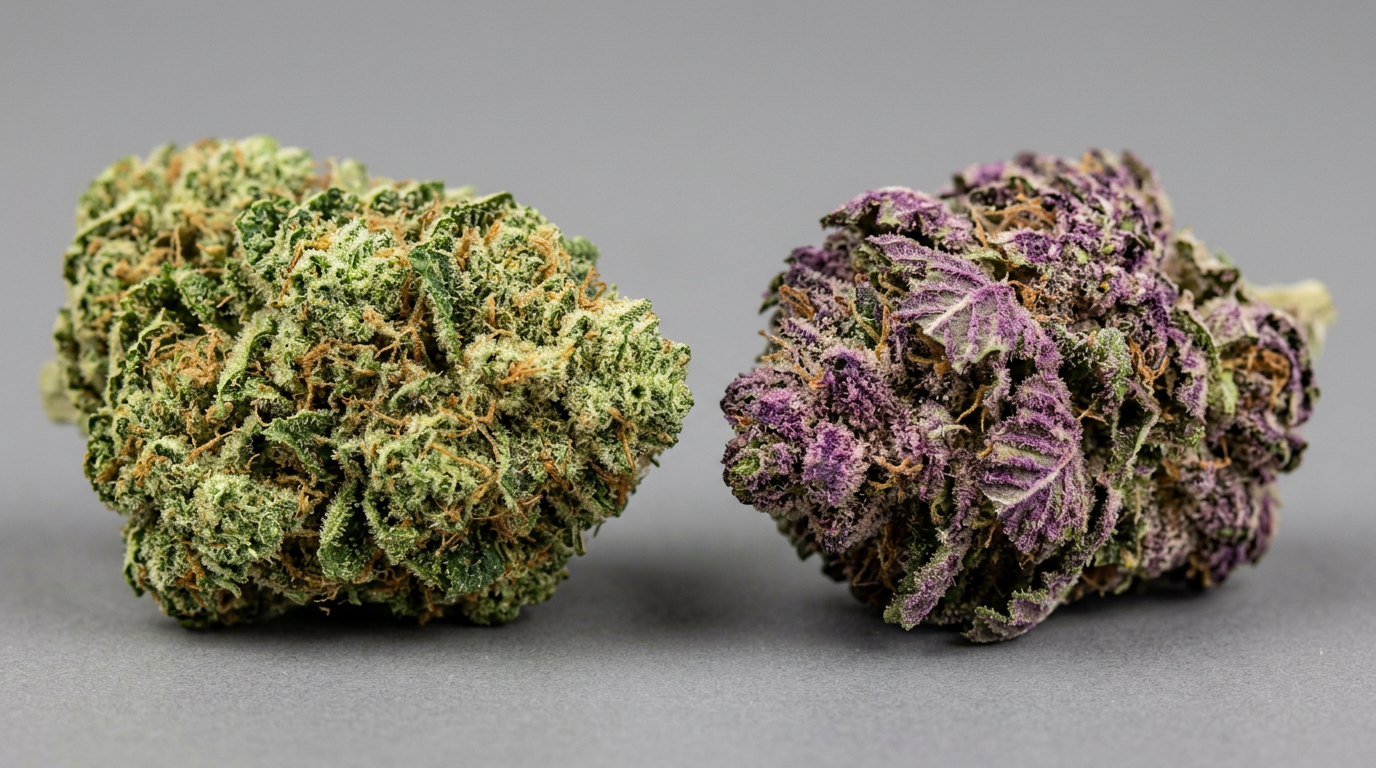
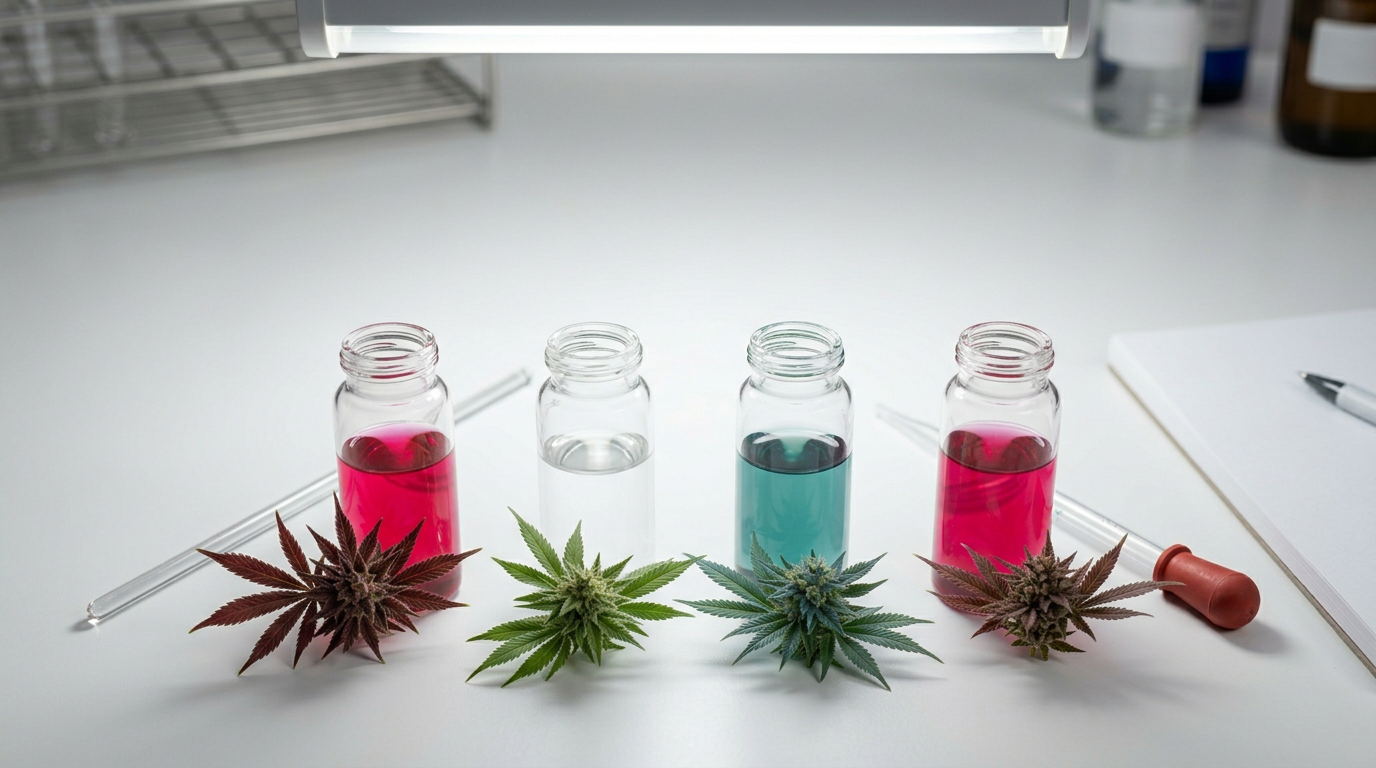
The most commonly cited test for dyed cannabis involves water: if you submerge a small piece of purple bud in water and the water turns purple or blue, the color is likely artificial. Genuine anthocyanins are water-soluble but are bound within plant cell structures, they do not readily leach into surrounding water under normal conditions. Artificial dyes, by contrast, will visibly bleed color into water fairly quickly. This test is not perfect, but it is a reasonable first-pass screen.
Beyond the water test, dyed cannabis often shows uneven coloration, patches of vivid artificial purple alongside areas that remain obviously green, without the natural gradation you see in genuinely pigmented plants. The color also tends to appear on the surface of the bud structure rather than integrated throughout the calyxes and trichome-bearing tissue. Under a loupe or microscope, genuine purple cannabis shows pigmentation within the plant tissue itself, while dyed cannabis shows surface coating that may even obscure trichome visibility. In legal markets across states like Oregon, Colorado, California, and Washington, licensed dispensary products are lab-tested and regulated, making artificial dyeing far less likely, another argument for purchasing from regulated sources wherever possible.
Top Purple Cannabis Strains: A Scientific Comparison
Understanding which strains reliably express purple coloration, and what to expect from each, requires looking at genetics, typical THC ranges, growth characteristics, and the intensity of anthocyanin expression. The strains below represent some of the most well-documented purple cultivars in the US market, each with distinct genetic backgrounds and effect profiles. Notably, Purple Haze stands apart as the sativa outlier in a category dominated by indica-leaning genetics.
| Strain | Genetic Background | THC Range | Indica/Sativa | Purple Intensity | Grow Difficulty |
|---|---|---|---|---|---|
| Granddaddy Purple | Big Bud × Purple Urkle | 17-23% | Indica | Very High | Moderate |
| Purple Punch | Larry OG × Granddaddy Purple | 18-20% | Indica | High | Moderate |
| Purple Kush | Hindu Kush × Purple Afghan | 17-21% | Indica | Very High | Easy |
| Purple Urkle | Landrace Indica | 14-18% | Indica | High | Easy |
| Purple Haze | Purple Thai × Haze | 15-19% | Sativa | Moderate | Difficult |
| Purple Runtz | Zkittlez × Gelato | 19-24% | Hybrid | Moderate | Moderate |
| Purple Afghani | Afghan Landrace | 16-20% | Indica | Very High | Easy |
What this comparison reveals is instructive: there is no consistent relationship between purple intensity and THC percentage. Purple Afghani, one of the most reliably purple cultivars in the table, also sits at the lower end of the THC range. Purple Runtz, which shows only moderate purple coloration, can reach 25% THC under optimal conditions. The data reinforces the core thesis, color and potency are independent variables.
How to Grow Purple Weed: The Evidence-Based Protocol
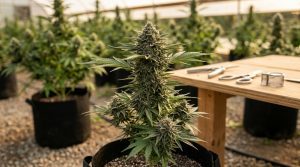
Growing genuinely purple cannabis requires a sequenced approach that I think of as genetics first, environment second, chemistry third. Skipping the first step makes the other two irrelevant. Start by selecting a cultivar with documented anthocyanin expression, the strains in the comparison above are all reliable choices. For newer growers, Purple Kush and Purple Punch are the most forgiving options, with straightforward growth patterns and reliable color expression. Our yield optimization guide covers the broader growing framework, but for purple-specific results, the environmental protocol below is what matters most.
During vegetative growth and early flowering, grow normally. There is no benefit to introducing cold stress early, and it can actively harm your plant’s development. In the final three to four weeks before your anticipated harvest date, confirmed by monitoring trichome development as described in our harvest timing guide, begin dropping your nighttime temperature into the 10–15°C range. Do this gradually over several days rather than abruptly, to avoid thermal shock. Maintain normal daytime temperatures (22–26°C) to keep photosynthesis and resin production running efficiently.
On the pH front, maintaining a slightly acidic to neutral root zone pH (6.0–7.0 for soil, 5.5–6.5 for hydroponic systems) supports healthy anthocyanin expression. Extreme pH swings in either direction will cause nutrient lockout problems that look like stress discoloration rather than clean pigment expression. Phosphorus is worth monitoring carefully during this phase, phosphorus deficiency is one of the most common causes of stress-induced purple coloration, and you want to ensure any color you see is genetic rather than a distress signal.
Light intensity during the final weeks also plays a role. Strong, full-spectrum LED lighting during the photoperiod appears to support anthocyanin accumulation in genetically capable plants, likely because anthocyanins function partly as a light-protective mechanism. Reducing light intensity to “help” the plant turn purple is counterproductive, maintain your normal light schedule and intensity, and let the cold nights do the triggering work.
For seed sourcing, our seed buying guide walks through how to evaluate seed banks for genetics reliability, which matters enormously when you are specifically selecting for anthocyanin-producing cultivars. Our Growers Choice Seeds review is one useful starting point for US-based growers looking for reliable purple genetics with germination guarantees.
Frequently Asked Questions About Purple Weed
What is so special about purple weed?
Purple cannabis is visually distinctive because of anthocyanin pigments, the same compounds responsible for the color of blueberries, grapes, and red cabbage. What makes it genuinely special is the genetic rarity: not all cannabis plants can produce purple coloration, and achieving it requires both the right genetics and specific environmental conditions, particularly cool nighttime temperatures during late flowering. From a market perspective, purple strains are often prized for their aesthetics, though the color itself does not indicate superior potency or quality.
Does purple weed get you higher than green weed?
No, this is one of the most persistent myths in cannabis culture, and the plant chemistry is unambiguous. Anthocyanins (the pigments responsible for purple color) and cannabinoids like THC are produced through completely separate biosynthetic pathways. There is no known biological mechanism by which high anthocyanin content would increase THC production or enhance psychoactive effects. The effects of any cannabis cultivar depend on its specific cannabinoid ratios and terpene profile, not its color. Some popular purple strains happen to be potent, but that is a function of their genetics, not their pigmentation.
Is purple weed indica or sativa?
Most purple cannabis strains lean indica-dominant, but this is a historical correlation rather than a biological rule. Many foundational purple genetics trace back to indica-heavy landrace populations from Central Asia and the Hindu Kush region, where diurnal temperature variation may have selected for robust anthocyanin expression. However, Purple Haze is a well-documented sativa-dominant cultivar that produces genuine purple coloration while delivering an energetic, cerebral high. Purple Runtz is a balanced hybrid with purple expression. Color classification and indica/sativa classification are independent characteristics.
What nutrient makes weed purple?
No single nutrient “makes” weed purple, anthocyanin production is primarily a genetic and temperature-driven process. However, nutrient management does play a supporting role. Phosphorus deficiency is one of the most common causes of stress-induced purple coloration that mimics genuine anthocyanin expression, so maintaining adequate phosphorus during late flowering is important if you want to ensure any purple you see is genetic rather than a distress response. pH management of your growing medium also influences how anthocyanins express, acidic conditions shift color toward red, neutral conditions toward purple, and alkaline conditions toward blue.
Is purple weed fake or real?
Genuine purple cannabis is entirely real and results from natural anthocyanin pigment production in genetically predisposed cultivars. However, fake purple weed, cannabis dyed with food coloring or artificial dye, does exist, particularly in unregulated markets. The most reliable test is the water test: submerge a small piece of bud in water. Artificially dyed cannabis will bleed color into the water relatively quickly, while genuine anthocyanin pigmentation, being bound within plant cell structures, does not readily leach out. Purchasing from licensed dispensaries in regulated states significantly reduces this risk.
How do you grow purple buds?
Growing purple cannabis requires three things in sequence: genetics capable of anthocyanin expression (this is non-negotiable, you cannot force a non-purple strain to turn purple), cool nighttime temperatures of approximately 10–15°C during the final three to four weeks of flowering, and a well-managed pH in your growing medium (6.0–7.0 for soil). Maintain normal daytime temperatures and full light intensity during this period. Avoid phosphorus deficiency, which can cause stress-induced discoloration that mimics purple coloration but indicates plant problems rather than healthy pigment expression.
What are the effects of purple weed?
The effects of purple cannabis depend entirely on the specific strain’s cannabinoid profile and terpene composition, not its color. Most popular purple strains are indica-dominant and carry terpene profiles heavy in myrcene and linalool, which correlate with relaxing, sedating, body-heavy effects often associated with sleep support and pain relief. However, Purple Haze delivers a classically energetic sativa experience, and Purple Runtz offers a balanced hybrid effect. The color is cosmetic; the terpene profile is what shapes your experience, as I explain in detail in our cannabis terpenes guide.