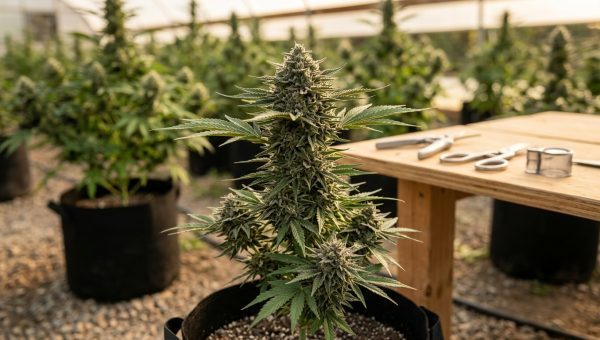
Here is something that genuinely surprised me when I first started digging into cannabis plant chemistry at Oregon State: the compound responsible for why two strains with identical THC percentages can produce dramatically different experiences is not a cannabinoid at all. It is a class of aromatic molecules called terpenes, and most consumers have never heard of them. What makes this even more striking is that research published in the journal Frontiers in Neuroscience, part of a growing body of literature reviewed in PMC7763918, suggests these compounds do not merely add scent to cannabis; they actively modulate how cannabinoids interact with your brain and body. If you have ever wondered why Blue Dream feels nothing like OG Kush despite similar potency numbers on the label, terpenes are your answer.
- What Terpenes Actually Are: The Chemistry Behind the Aroma
- The Entourage Effect: How Terpenes and Cannabinoids Collaborate
- The Top 5 Cannabis Terpenes: A Deep-Dive Profile
- Beyond the Big Five: 10 More Terpenes Worth Knowing
- Consumption Method and Terpene Preservation: The Data That Changes Everything
- How to Select Strains Based on Terpene Profiles: A Practical Framework
- Safety Considerations and Contraindications
What Terpenes Actually Are: The Chemistry Behind the Aroma
The most important BLUF statement I can offer here is this: terpenes are not cannabinoids, they do not produce intoxication on their own, and they are far more widespread in nature than most people realize.
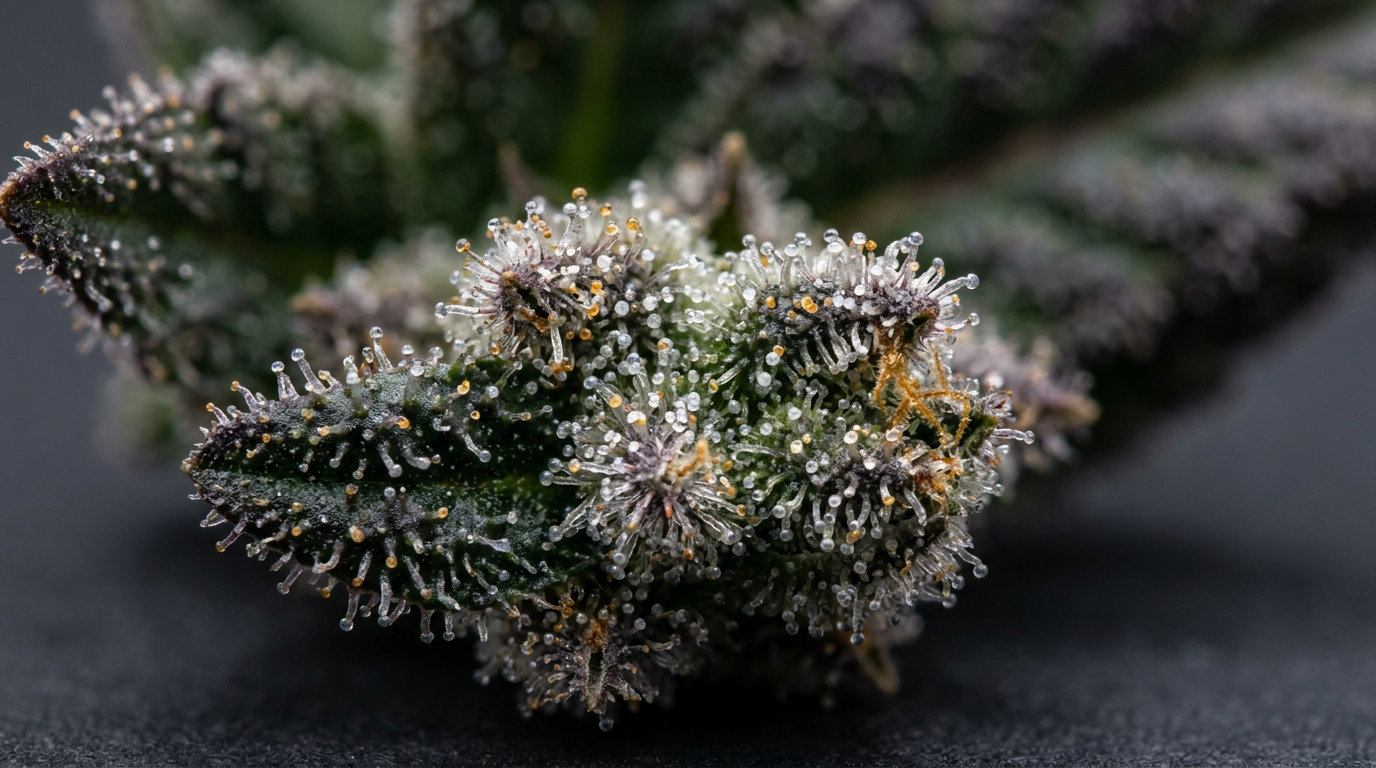
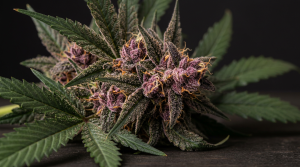
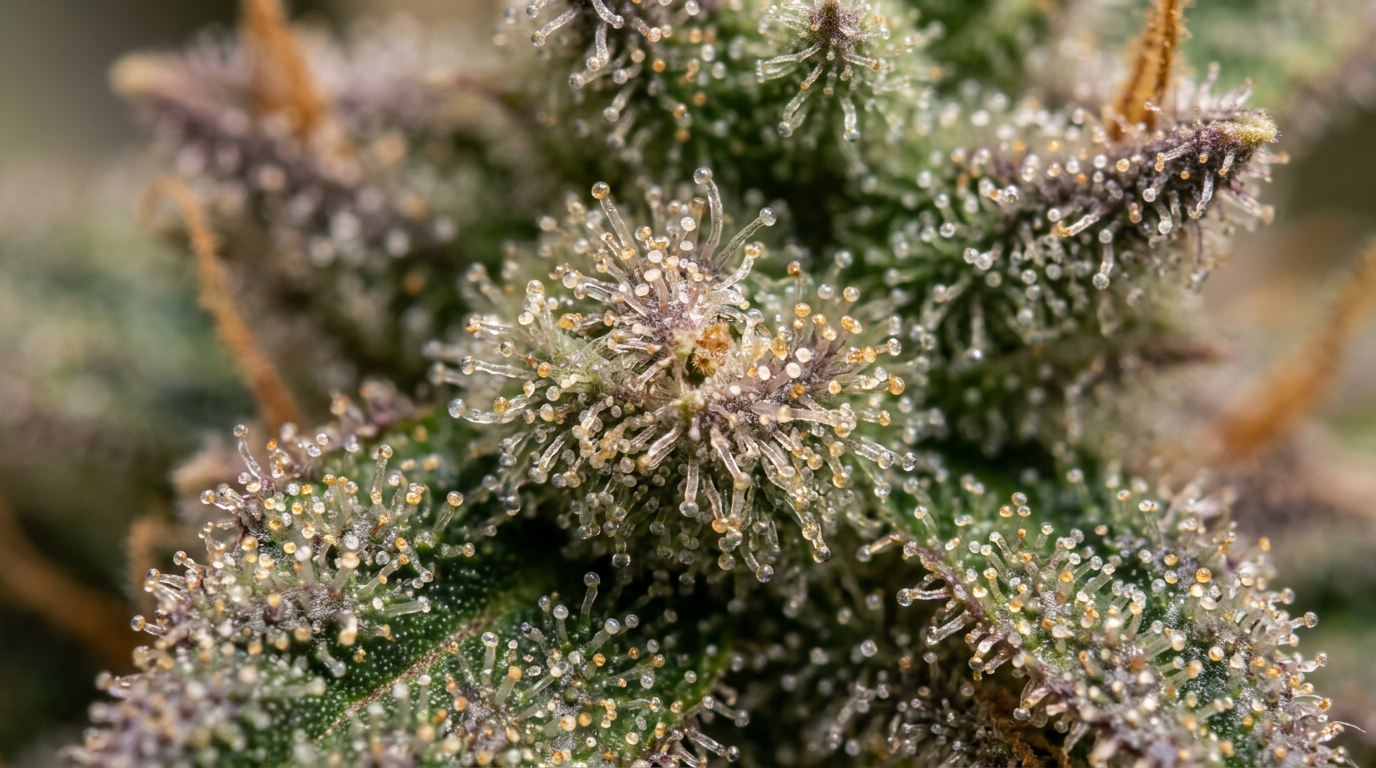
Terpenes are a large and diverse class of naturally occurring organic compounds produced by a wide variety of plants, and even some insects and fungi. In cannabis specifically, they are synthesized and secreted in the same resin glands, called trichomes, that produce THC, CBD, and other Cannabinoids. These glands coat the surface of cannabis flowers and, to a lesser degree, leaves and stems, giving the plant its characteristic stickiness and its astonishing range of scent profiles.
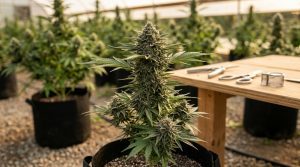
Chemically speaking, terpenes are built from repeating five-carbon isoprene units. Monoterpenes contain two isoprene units (ten carbons total), sesquiterpenes contain three (fifteen carbons), and diterpenes contain four, and so on up the chain. The vast majority of the terpenes you encounter in a cannabis flower are monoterpenes and sesquiterpenes, which is relevant because their molecular weight and volatility determine how they behave during consumption, storage, and even growing. This is also why Travis Cole, who focuses on outdoor cultivation, has written extensively about how environmental stressors like UV exposure and temperature fluctuation can actually increase terpene production in outdoor-grown plants, the plant uses these compounds partly as a defense mechanism against insects and pathogens.
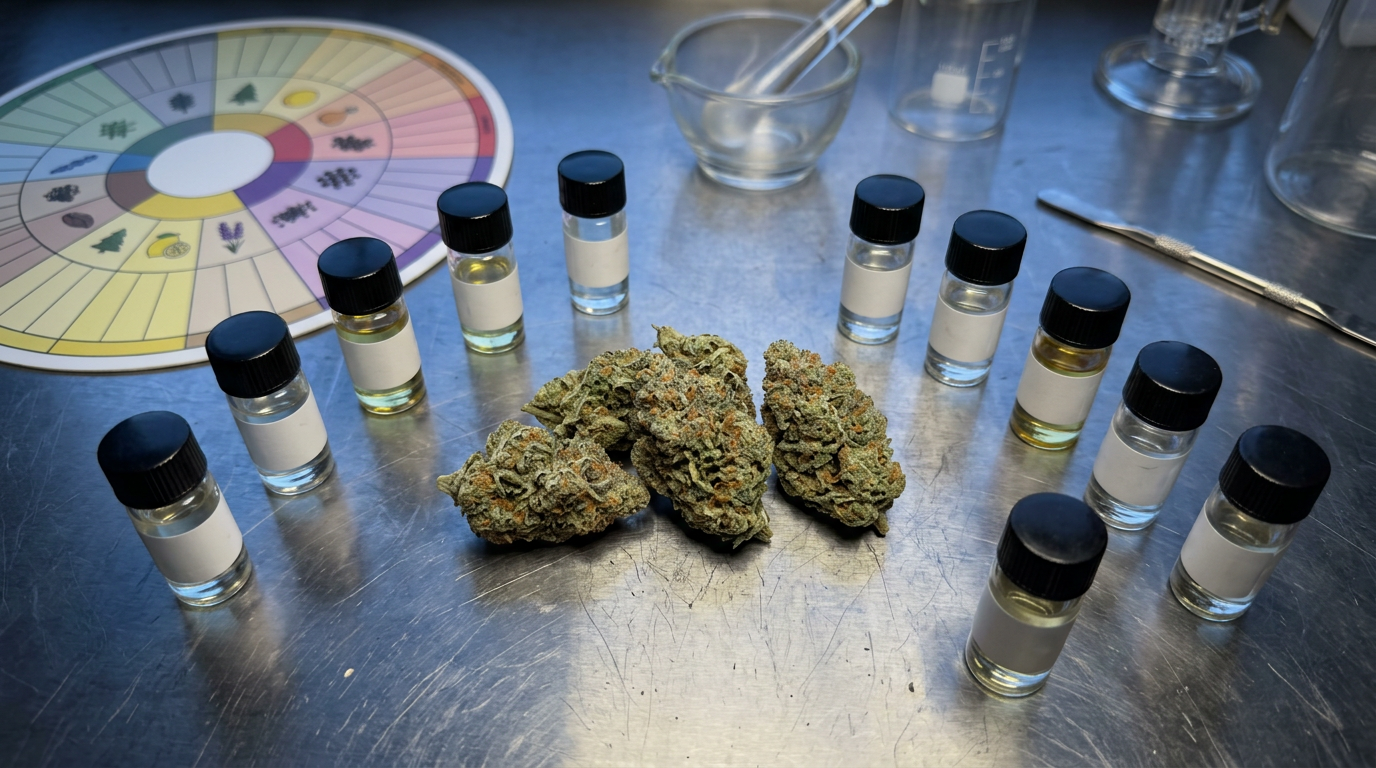
What makes cannabis botanically remarkable is the sheer density and diversity of its terpene profile. Researchers have identified well over 200 distinct terpenes in the cannabis plant, though only a fraction appear in concentrations high enough to be organoleptically or pharmacologically relevant. The same terpenes that define cannabis aroma appear throughout the natural world: lavender owes its calming scent to linalool, citrus fruits get their bright aroma from limonene, and the spicy note in black pepper comes from beta-caryophyllene. Understanding terpenes in cannabis is, in many ways, understanding a universal language of plant chemistry.
The Entourage Effect: How Terpenes and Cannabinoids Collaborate
The entourage effect is the most scientifically significant, and most frequently misunderstood, concept in cannabis pharmacology. The core principle is that cannabis compounds produce greater therapeutic and experiential effects when working together than any single compound does in isolation.
The term was first introduced by researchers Raphael Mechoulam and Shimon Ben-Shabat in 1998 and was later expanded by neurologist Ethan Russo in a landmark 2011 paper published in the British Journal of Pharmacology. Russo’s work specifically argued that terpenes could modulate the binding affinity of cannabinoids at receptor sites in the endocannabinoid system, alter blood-brain barrier permeability, and influence neurotransmitter activity, all without being intoxicating themselves. A more recent review available through PMC8489319 reinforces this framework while also noting that robust human clinical trial data remains limited and that much of the mechanistic evidence is still preclinical.
In practical terms, the entourage effect means that a strain’s terpene profile can meaningfully shift whether a given THC experience feels energizing or sedating, anxious or calm, focused or scattered. Myrcene, for instance, is widely believed to enhance THC’s sedative properties by increasing cell membrane permeability, potentially allowing cannabinoids to cross the blood-brain barrier more readily. Limonene, on the other hand, appears to interact with serotonin receptors in ways that may counteract THC-induced anxiety. Beta-caryophyllene is uniquely positioned among terpenes because it directly binds to CB2 receptors in the endocannabinoid system, making it technically a dietary cannabinoid as well as a terpene, a distinction with real pharmacological implications.
This is also why I consistently advise consumers to look beyond THC percentages when selecting cannabis. A product with 18% THC and a rich, diverse terpene profile will almost certainly deliver a more nuanced and therapeutically interesting experience than a product with 28% THC and a flat, terpene-depleted profile. The synergy is the point.
0.3–1.2%
0.2–0.8%
0.1–0.7%
0.05–0.4%
0.05–0.3%
0.02–0.5%
0.01–0.3%
0.05–0.4%
0.01–0.2%
0.01–0.15%
The Top 5 Cannabis Terpenes: A Deep-Dive Profile
While cannabis contains hundreds of terpenes, five consistently dominate the terpene profiles of commercially available strains across legal markets in states like California, Colorado, Oregon, and Washington. Understanding these five in detail gives you a working framework for decoding almost any lab report.
Myrcene: The Sedative Workhorse
Myrcene is the most abundant terpene found in modern cannabis cultivars, and it is the compound most frequently cited when discussing the sedating, “couch-lock” quality associated with many indica-leaning strains. It produces an earthy, musky, slightly herbal aroma, think ripe mangoes and cloves. In my analysis of strain data across multiple lab reports from Oregon-licensed producers, myrcene routinely accounts for the largest single terpene fraction in strains like Granddaddy Purple and Northern Lights. Preclinical research suggests myrcene has muscle-relaxant and analgesic properties, and it is one of the terpenes most strongly implicated in the sedative component of the entourage effect. The folk claim that eating a mango before consuming cannabis enhances effects is rooted in myrcene chemistry, mangoes are rich in the compound.
Limonene: The Mood Elevator
Limonene delivers the bright, citrusy, almost candy-like aroma you detect in strains like MAC Cannabis Strain and Lemon Cherry Gelato. As its name suggests, it is the primary aromatic compound in citrus fruit rinds. Research indicates limonene may interact with adenosine, dopamine, and serotonin receptors, which aligns with the mood-elevating, stress-relieving effects commonly reported by users of limonene-dominant strains. In my experience reviewing strain profiles, limonene tends to appear prominently in sativa-leaning and hybrid cultivars that consumers describe as “uplifting” or “social.” It also shows potential as an anxiolytic, which may explain why some high-THC strains with significant limonene content feel less anxiety-provoking than their potency numbers would suggest.
Beta-Caryophyllene: The Anti-Inflammatory Anomaly
Beta-caryophyllene is the terpene that most dramatically blurs the line between terpene and cannabinoid. It produces a spicy, peppery, woody aroma, the same compound responsible for the bite in black pepper and cloves, and it is the only known terpene that directly activates a cannabinoid receptor, specifically the CB2 receptor, which is heavily expressed in immune tissue. This makes it particularly interesting for consumers seeking anti-inflammatory and analgesic effects without psychoactivity. Strains like Biscotti and Girl Scout Cookies are well-known for their elevated caryophyllene content, and both have devoted followings among medical cannabis users in states with robust medical programs. If you grind black pepper and find it reduces cannabis-induced anxiety, you are experiencing caryophyllene’s CB2 activity firsthand, a folk remedy that actually has biochemical plausibility.
Alpha-Pinene and Beta-Pinene: The Memory Preservers
The pinenes are the most abundant terpenes in the natural world, responsible for the sharp, resinous scent of pine forests and rosemary. In cannabis, alpha-pinene is particularly notable because it acts as an acetylcholinesterase inhibitor, the same mechanism used by some pharmaceutical drugs to improve memory retention. This is scientifically relevant because it may partially counteract THC’s well-documented short-term memory impairment. Strains with meaningful pinene content, like Jack Herer, are frequently described as producing a clear-headed, focused experience despite significant THC levels. For consumers in states like Michigan or Massachusetts who use cannabis while maintaining professional responsibilities, pinene-dominant strains deserve serious consideration.
Linalool: The Anxiety Antidote
Linalool is the terpene most people have already encountered without knowing it, it is the primary aromatic compound in lavender, and its calming properties have been studied in aromatherapy research for decades. In cannabis, linalool contributes a floral, slightly spicy scent and is associated with anxiolytic and sedative effects. Research suggests it modulates glutamate and GABA neurotransmitter activity, which aligns with its calming profile. Strains like Zkittlez and Gelato often carry notable linalool fractions alongside their more dominant terpenes, which may contribute to their reputation for smooth, manageable effects even at higher THC concentrations.
Beyond the Big Five: 10 More Terpenes Worth Knowing
The cannabis terpene universe extends well beyond the five most commonly discussed compounds, and understanding the broader spectrum gives you a genuinely more sophisticated toolkit for strain selection.
Terpinolene is a fascinating outlier, it produces a complex, multi-layered aroma with floral, herbal, and slightly piney notes, and it is the defining terpene in Jack Herer, making that strain something of a genetic anomaly in the modern cannabis landscape where myrcene dominance is the norm. Terpinolene-dominant strains consistently receive user reports of uplifting, creative effects, though the research base for this specific terpene remains thinner than for myrcene or caryophyllene.
Ocimene contributes sweet, herbal, and woody notes and appears in strains like Sour Diesel and Runtz. It is believed to have antifungal and antiviral properties in the plant’s own defense system, and some users associate it with energizing, euphoric qualities. Humulene shares its biosynthetic pathway with beta-caryophyllene and produces an earthy, hoppy aroma, not coincidentally, it is also abundant in hops. Preclinical research has investigated its anti-inflammatory and appetite-suppressant properties, which runs counter to the stereotypical cannabis munchies effect and may explain why some strains genuinely do not trigger intense hunger responses.
Bisabolol, best known from chamomile, brings a delicate floral note and is associated with skin-soothing and anti-irritant properties. Nerolidol produces a woody, floral, slightly fruity aroma and appears in small quantities across many strains, often contributing to what consumers describe as a “complex” or “layered” scent profile. Geraniol, as its name suggests, is the primary aromatic compound in geranium flowers and rose oil, and cannabis strains with meaningful geraniol content often carry a distinctly rosy, sweet character. Valencene takes its name from Valencia oranges and contributes a fresh, citrusy, slightly woody aroma distinct from limonene’s more aggressive citrus punch. Camphene produces a pungent, earthy, woody aroma reminiscent of fir needles and damp earth. Finally, borneol carries a minty, camphor-like scent and has been used in traditional Chinese medicine for centuries, its presence in cannabis is typically minor but contributes to complex herbal profiles in certain landrace-derived genetics.
Consumption Method and Terpene Preservation: The Data That Changes Everything
This is the section of terpene science that I find most consumers are genuinely shocked by: approximately 75% of terpenes are destroyed when cannabis is smoked due to their highly volatile and flammable nature. This is not a minor inefficiency, it fundamentally changes the pharmacological experience you receive relative to what the flower’s lab report promises.
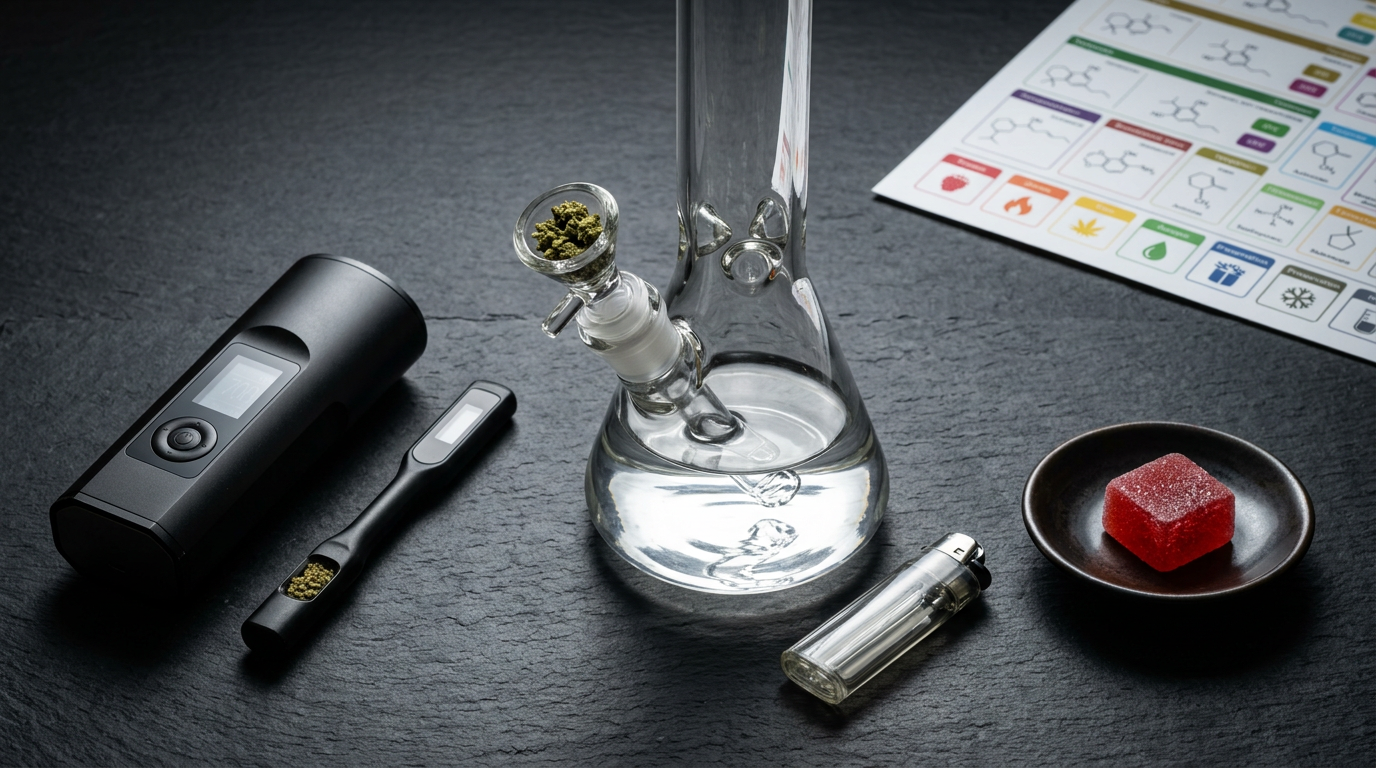
Combustion temperatures in a burning joint or pipe bowl routinely reach 800°C to 900°C (1,472°F to 1,652°F). Most cannabis terpenes have boiling points between 155°C and 220°C (311°F to 428°F), meaning they are vaporized and then immediately incinerated before they can be inhaled intact. The smoke you inhale contains combustion byproducts, carbon monoxide, benzene, and other compounds, alongside a heavily degraded fraction of the original terpene content.
Vaporization is the consumption method that best preserves terpene integrity. Quality dry-herb vaporizers allow users to dial in precise temperatures, and this matters enormously. At around 157°C (315°F), you begin capturing the lighter monoterpenes like limonene and alpha-pinene. Increasing to 175°C (347°F) brings in myrcene and linalool. Moving toward 200°C (392°F) captures the heavier sesquiterpenes like beta-caryophyllene and humulene. Experienced vaporizer users often perform what is called a “terpene run”, starting at low temperatures and gradually increasing, to experience the full aromatic spectrum of a strain sequentially. This is genuinely one of the most scientifically interesting ways to explore a strain’s terpene profile. You can find more about consumption hardware in guides like What is a one-hitter and how to use it? and How to pack and smoke a bowl? on our site, though for terpene preservation, vaporization consistently outperforms combustion-based methods.
Edibles present a completely different terpene equation. Because terpenes are largely volatile, most are lost during the cooking and What is decarboxylation and how to do it?|decarboxylation process. Edibles primarily deliver cannabinoid effects without meaningful terpene modulation, which is one reason the edible experience often feels qualitatively different from inhalation, it is largely a pure cannabinoid effect, processed through the liver into 11-hydroxy-THC, without the terpene entourage. Some manufacturers are now adding terpene distillates back into edible formulations, which is a genuinely interesting development worth watching.
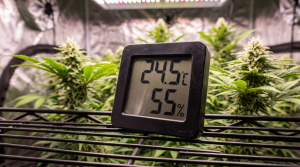
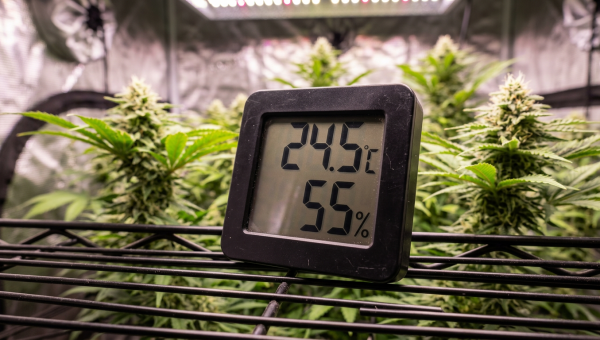
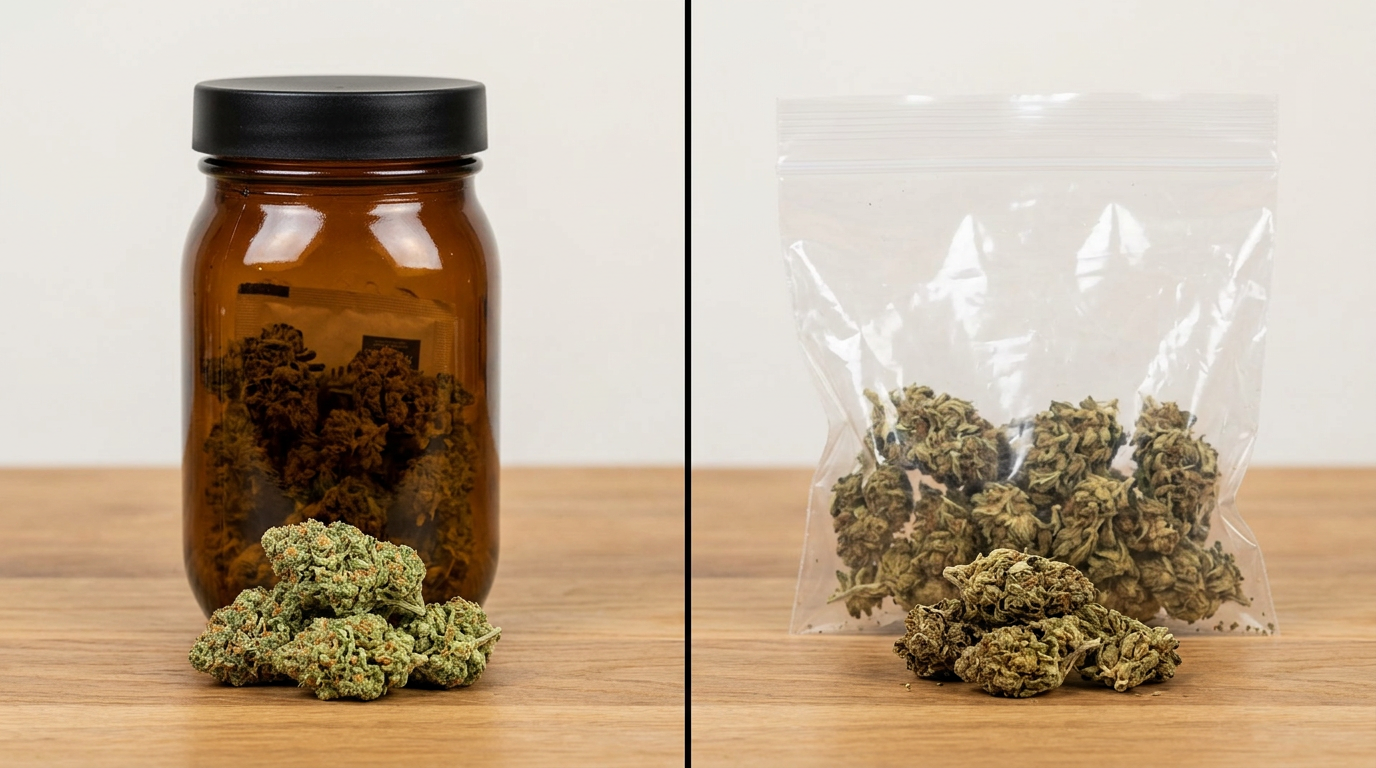
Storage is the other major factor in terpene preservation. Terpenes degrade through oxidation, heat, light exposure, and time. Proper storage in airtight, opaque containers at cool temperatures, ideally between 15°C and 21°C (60°F to 70°F), can significantly extend terpene integrity. Humidity control matters too; the widely cited optimal range for cannabis storage is 58–62% relative humidity. Darrel Henderson has written in detail about post-harvest handling practices that protect terpene content through the drying and curing process, which is where a significant portion of terpene degradation occurs if not managed carefully.
| Method | Temp Range | Terpene Preservation | Cannabinoid Delivery | Onset Time |
|---|---|---|---|---|
| Dry-Herb Vaporizer | 350–430°F | 90%+ | Excellent | 5–15 min |
| Smoking | 1000°F+ | 25% | Good | Immediate |
| Concentrate Vaping | 400–600°F | 70–80% | Very High | Immediate |
| Edibles | N/A | Variable | Good | 30–120 min |
| Tinctures | N/A | High | Good | 15–45 min |
How to Select Strains Based on Terpene Profiles: A Practical Framework
One of the most actionable applications of terpene science is using it to guide strain selection for specific desired outcomes, a practice that is far more reliable than the outdated indica/sativa binary, which has been largely debunked by modern cannabis genetics research.
If your primary goal is relaxation and sleep support, I would direct you toward strains with high myrcene and linalool content. Ice Cream Cake and Granddaddy Purple are excellent examples, both carry dominant myrcene fractions that align with their reputation for deeply sedating effects. In states like California and Nevada where medical cannabis programs allow for detailed lab reporting, look for strains where myrcene exceeds 0.5% by dry weight in the terpene panel.
For mood elevation and social use, limonene-dominant strains are your best starting point. MAC Cannabis Strain and Pineapple Express both carry significant limonene content that correlates with their bright, uplifting reputations. Wedding Cake and Gelato offer interesting hybrid profiles where limonene is balanced by caryophyllene and linalool, producing a more rounded effect that many consumers find easier to manage in social settings.
For focus and creative work, terpinolene and alpha-pinene dominant strains deserve attention. Jack Herer remains the gold standard here, its terpinolene-dominant profile is genuinely unusual in the modern market and produces a distinctly clear-headed quality that many consumers report as more conducive to productivity than typical high-myrcene cultivars.
For consumers specifically interested in anti-inflammatory support, beta-caryophyllene content is the most scientifically grounded terpene target, given its direct CB2 receptor activity. Biscotti is named in our strain database specifically for its caryophyllene richness, and Gorilla Glue also carries a robust caryophyllene fraction alongside its dominant fuel-and-pine aroma. In states with medical cannabis programs, including Florida, Pennsylvania, and New York, dispensary staff are increasingly trained to discuss terpene profiles, and it is worth asking specifically about caryophyllene content when seeking anti-inflammatory effects.
A word of caution about individual variability: terpene effects are not uniform across all consumers. The endocannabinoid system varies significantly between individuals based on genetics, tolerance, baseline endocannabinoid tone, and other factors. What produces deep relaxation in one person may produce mild stimulation in another. I always recommend starting with lower doses when exploring new terpene profiles, particularly for consumers in states that are newer to legal cannabis markets and may have less access to experienced dispensary guidance.
Safety Considerations and Contraindications
Terpenes are generally recognized as safe at the concentrations found in cannabis, but there are specific populations and contexts where caution is warranted. Individuals with respiratory sensitivities, asthma, or allergic rhinitis may find that certain terpenes, particularly the more volatile monoterpenes like limonene and alpha-pinene, trigger irritation even when vaporized rather than combusted. This is not unique to cannabis; the same individuals often react to essential oil diffusers and heavily scented cleaning products.

Linalool’s sedative properties, while often desirable, can potentiate the effects of other CNS depressants including alcohol, benzodiazepines, and opioids. Consumers taking prescription medications in these categories should discuss cannabis use with a healthcare provider before selecting high-linalool strains. Similarly, limonene’s interaction with serotonin pathways raises theoretical concerns for individuals taking SSRIs or SNRIs, though clinical evidence for meaningful drug interactions at cannabis terpene concentrations is currently limited.
Pregnant and breastfeeding individuals should avoid cannabis entirely, this is a position consistent with guidance from the American College of Obstetricians and Gynecologists and is not specific to terpenes. For elderly consumers or those with compromised liver function, the metabolism of terpenes may differ from healthy adults, and lower-dose approaches are advisable. As legal cannabis markets mature across the US, particularly in states like Illinois, Michigan, and New Jersey that have implemented robust testing requirements, consumers have increasing access to detailed terpene lab data that allows for more informed, safety-conscious selection.
Frequently Asked Questions About Cannabis Terpenes
Do terpenes get you high?
No, terpenes do not produce intoxication on their own. They are not psychoactive compounds in the way that THC is. What terpenes do is modulate and shape the cannabis experience when they work synergistically with cannabinoids like THC and CBD through what researchers call the entourage effect. The “high” you feel is produced by THC binding to CB1 receptors in the brain; terpenes influence the quality, character, and duration of that experience without independently causing intoxication. Beta-caryophyllene is a partial exception, it binds directly to CB2 receptors, which are primarily expressed in immune tissue rather than the brain, so it produces pharmacological activity without psychoactive effects.
What is the most common terpene in cannabis?
Myrcene is consistently the most abundant terpene found across the widest range of commercially available cannabis strains. It produces an earthy, musky, slightly fruity aroma and is strongly associated with sedating, relaxing effects. In many indica-leaning and hybrid strains, myrcene accounts for the largest single fraction of the total terpene content. It is also found in hops, mangoes, thyme, and lemongrass, making it one of the most widespread terpenes in the plant kingdom.
Does smoking destroy terpenes?
Yes, significantly. Combustion temperatures during smoking reach 800°C to 900°C (1,472°F to 1,652°F), while most cannabis terpenes have boiling points between approximately 155°C and 220°C. This means terpenes vaporize and are then immediately destroyed by the combustion process before they can be inhaled intact. Research and community consensus both suggest approximately 75% of terpenes are lost during smoking. Dry-herb vaporization at controlled, lower temperatures is the most effective consumption method for preserving and experiencing a strain’s full terpene profile.
How do I read a terpene lab report?
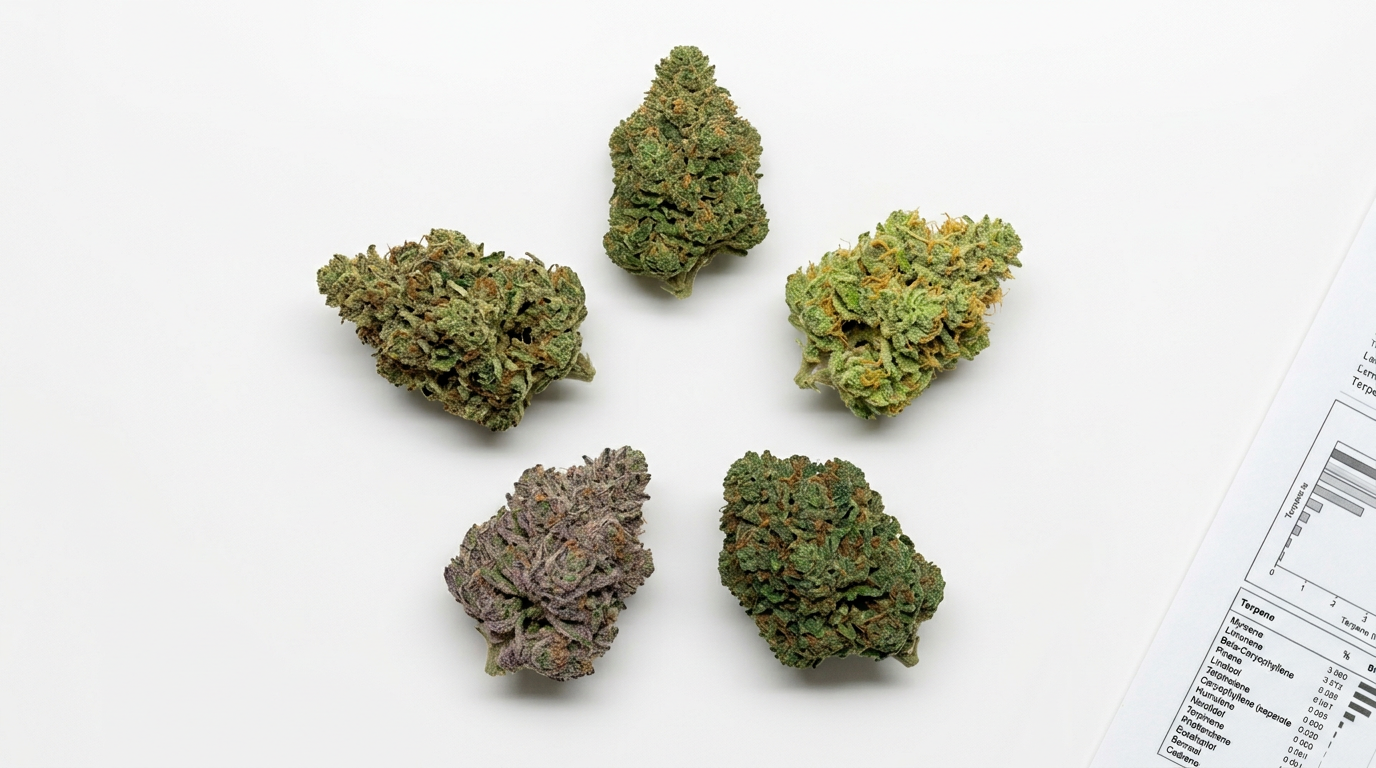
Cannabis lab reports from licensed testing facilities in states like Oregon, California, and Colorado typically list terpenes as a percentage of dry weight. A terpene is generally considered to be present at a meaningful level when it appears at 0.1% or above; concentrations above 0.5% for a single terpene are considered high and will likely have a noticeable aromatic and potentially pharmacological impact. When reading a report, look first at the dominant terpene, the one with the highest percentage, as this will most strongly define the strain’s aroma and experiential character. Then look at the secondary terpenes, which add complexity and can significantly modify the dominant terpene’s effects through synergistic interactions.
Are terpenes the same as essential oils?
There is significant overlap but they are not identical. Essential oils are concentrated aromatic extracts from plants that contain a mixture of terpenes, terpenoids (oxidized terpenes), and other volatile compounds. Terpenes are the specific class of hydrocarbon compounds that make up a large portion of most essential oils. Cannabis terpenes are the same molecular compounds found in many common essential oils, linalool in lavender oil, limonene in orange oil, alpha-pinene in pine oil, which is why the aromatherapy research on essential oils is sometimes cited in discussions of cannabis terpene effects, though direct extrapolation requires caution given differences in concentration and delivery method.
Can terpenes help with anxiety?
Several terpenes have demonstrated anxiolytic properties in preclinical research. Linalool, the primary aromatic compound in lavender, has the most robust evidence base for anxiety reduction, it is the subject of numerous human studies in the aromatherapy literature and has been investigated in cannabis-specific contexts. Limonene also shows promise as an anxiolytic through its interactions with serotonin receptors. Beta-caryophyllene’s CB2 activity may contribute to stress modulation through immune and peripheral nervous system pathways. However, I want to be clear that the evidence base for terpene-specific anxiety effects in cannabis is still largely preclinical, and individual responses vary considerably. Cannabis itself can both reduce and exacerbate anxiety depending on dose, cannabinoid ratios, terpene profile, and individual sensitivity, which is why selecting lower-THC, higher-CBD strains with calming terpene profiles is generally the safer starting point for anxiety-prone consumers.
How should I store cannabis to preserve its terpenes?
Terpene preservation during storage requires controlling four primary factors: temperature, light, oxygen, and humidity. Store cannabis in airtight, opaque glass containers, mason jars with tight-fitting lids are the classic choice, at cool room temperatures between 15°C and 21°C (60°F to 70°F). Keep containers away from direct light, as UV radiation accelerates terpene degradation. Maintain relative humidity between 58% and 62% using humidity control packs designed for cannabis storage. Avoid plastic bags and containers, which allow gas exchange and can leach compounds that affect flavor. Properly stored cannabis can retain meaningful terpene content for several months, though fresh flower will always have the most vibrant terpene profile. You can find more detailed guidance on post-harvest handling throughout our cannabis blog.