If you’ve ever wondered why two cannabis products with identical THC percentages can feel completely different, or why your friend swears by full-spectrum oil while you’ve had disappointing results with a CBD isolate, the answer lives in the biochemistry. Cannabis is not a single-molecule drug. It’s a complex botanical system containing over 100 cannabinoids, more than 200 identified terpenes, and a class of polyphenols called flavonoids, all of which interact with each other and with your body’s own endocannabinoid system in ways that science is only beginning to fully map. In my seven years researching cannabinoid-terpene interactions at Oregon State University and beyond, the question I get asked most often isn’t “how much THC does this have?”, it’s “why does this one feel so different?” That question has a genuinely fascinating scientific answer, and this article is my attempt to give it the thorough treatment it deserves.
Understanding cannabis science isn’t just academic. Across the United States, from California’s regulated dispensaries to Colorado’s mature adult-use market to emerging programs in states like New York and New Jersey, consumers are making purchasing decisions based on cannabinoid percentages alone, a metric that, as I’ll explain, captures only a fraction of what actually determines your experience. Whether you’re a medical patient in a state with a robust therapeutic program, a recreational consumer in a legal market, or a home grower trying to understand what you’re cultivating, this guide will give you the molecular foundation to make genuinely informed choices.
- Your Body Was Built for Cannabis: The Endocannabinoid System Explained
- THC vs. CBD: Same Plant, Fundamentally Different Pharmacology
- Cannabis Terpenes: The Aromatic Architects of Your Experience
- The Entourage Effect: Separating Proven Science from Promising Hypothesis
- Full-Spectrum vs. Isolate: What the Data Actually Shows
- Terpene Profiles Across Popular Strains: A Practical Chemistry Guide
- How Consumption Method Changes the Terpene Equation
- Terpene Side Effects and Contraindications: What You Need to Know
- A Practical Consumer Guide: Selecting Products by Terpene Profile
- The Research Frontier: What We Still Don’t Know
Your Body Was Built for Cannabis: The Endocannabinoid System Explained
The endocannabinoid system (ECS) is the biological framework that makes cannabis pharmacologically active in humans, and understanding it is non-negotiable before we can talk meaningfully about THC, CBD, or terpenes. The ECS is a neuromodulatory system present in virtually all vertebrates, comprising endogenous lipid-based neurotransmitters (endocannabinoids), the receptors they bind to, and the enzymes that synthesize and degrade them. The two primary endocannabinoids your body produces are anandamide (AEA) and 2-arachidonoylglycerol (2-AG), and they bind primarily to two receptor types: CB1 and CB2.

CB1 receptors are distributed densely throughout the central nervous system, particularly in the hippocampus (memory), basal ganglia (movement), cerebral cortex (cognition), and cerebellum (coordination). This distribution explains why THC, which binds with high affinity to CB1, produces its characteristic psychoactive effects: altered perception, euphoria, impaired short-term memory, and changes in motor coordination. CB2 receptors, by contrast, are found primarily in peripheral tissues and immune cells, including the spleen, tonsils, and thymus. They play a significant role in modulating inflammation and immune response, which is why cannabinoids are being investigated for conditions ranging from autoimmune disorders to neuroinflammation.
The ECS functions as a retrograde signaling system, meaning signals travel backward across synapses, from the postsynaptic neuron back to the presynaptic one. This “on-demand” modulation allows the ECS to fine-tune neurotransmitter release, essentially acting as a biological dimmer switch for neural activity. When cannabis compounds enter this system, they either mimic, enhance, or modulate these endogenous signals, which is why cannabis can have such wide-ranging effects across mood, appetite, pain perception, sleep, and immune function.
THC vs. CBD: Same Plant, Fundamentally Different Pharmacology
Delta-9-tetrahydrocannabinol (THC) and cannabidiol (CBD) are both phytocannabinoids derived from the same precursor molecule, cannabigerolic acid (CBGA), yet their effects on the human body are mechanistically distinct in ways that matter enormously for both recreational and therapeutic applications. Understanding the THC CBD difference requires going beyond the simple “THC gets you high, CBD doesn’t” framing that dominates popular media.
THC is a partial agonist at both CB1 and CB2 receptors, meaning it binds to and activates these receptors but doesn’t produce the maximum possible response that a full agonist would. Its high affinity for CB1 receptors in the brain is what drives its psychoactive profile. When THC activates CB1 receptors in the nucleus accumbens, the brain’s reward center, it triggers dopamine release, producing the euphoric sensation that recreational users seek. Simultaneously, its action on CB1 receptors in the amygdala can modulate fear and anxiety responses, which explains why THC produces anxiolytic effects at low doses but can paradoxically trigger anxiety and paranoia at high doses, particularly in inexperienced users or those with genetic predispositions to anxiety disorders.
CBD’s pharmacology is considerably more complex and, frankly, more interesting from a research perspective. CBD has low affinity for CB1 and CB2 receptors and does not act as a direct agonist at either. Instead, it operates through multiple mechanisms simultaneously. It acts as a negative allosteric modulator of CB1 receptors, meaning it binds to a site on the receptor that is separate from where THC binds and changes the receptor’s shape in a way that reduces THC’s ability to activate it. This is the molecular explanation for the widely reported observation that CBD can “take the edge off” a THC high. CBD also interacts with serotonin receptors (particularly 5-HT1A), vanilloid receptors (TRPV1, involved in pain signaling), and GPR55 receptors, among others. This multi-target pharmacology makes CBD genuinely difficult to study in isolation and helps explain why its therapeutic applications span such a broad range of conditions.
A critical distinction that gets lost in popular discourse is the difference between pharmaceutical-grade CBD isolate and CBD as it exists within the full cannabis plant matrix. The FDA-approved pharmaceutical Epidiolex, used for treatment-resistant epilepsy, is a purified CBD isolate, and its approval was based on rigorous clinical trial data. However, as research published in PMC (PMC7324885) makes clear, the differences between isolated compounds like CBD or THC and full-spectrum plant extracts are notable in medical performance, suggesting that the plant matrix itself contributes meaningfully to therapeutic outcomes.
| Property | THC (Delta-9-THC) | CBD (Cannabidiol) |
|---|---|---|
| Psychoactive Effects | Yes, produces euphoria and intoxication | No, non-intoxicating |
| CB1 Receptor Binding | Direct agonist; high affinity | Indirect modulator; low affinity |
| CB2 Receptor Interaction | Partial agonist activity | Inverse agonist; anti-inflammatory |
| Reported Effects | Relaxation, euphoria, altered perception | Calm, focus, potential pain relief |
| Legal Status (US) | Controlled substance; varies by state | Legal federally if hemp-derived (<0.3% THC) |
| Entourage Effect Role | Enhanced by terpenes; myrcene increases absorption | Modulated by full-spectrum compounds |
Cannabis Terpenes: The Aromatic Architects of Your Experience
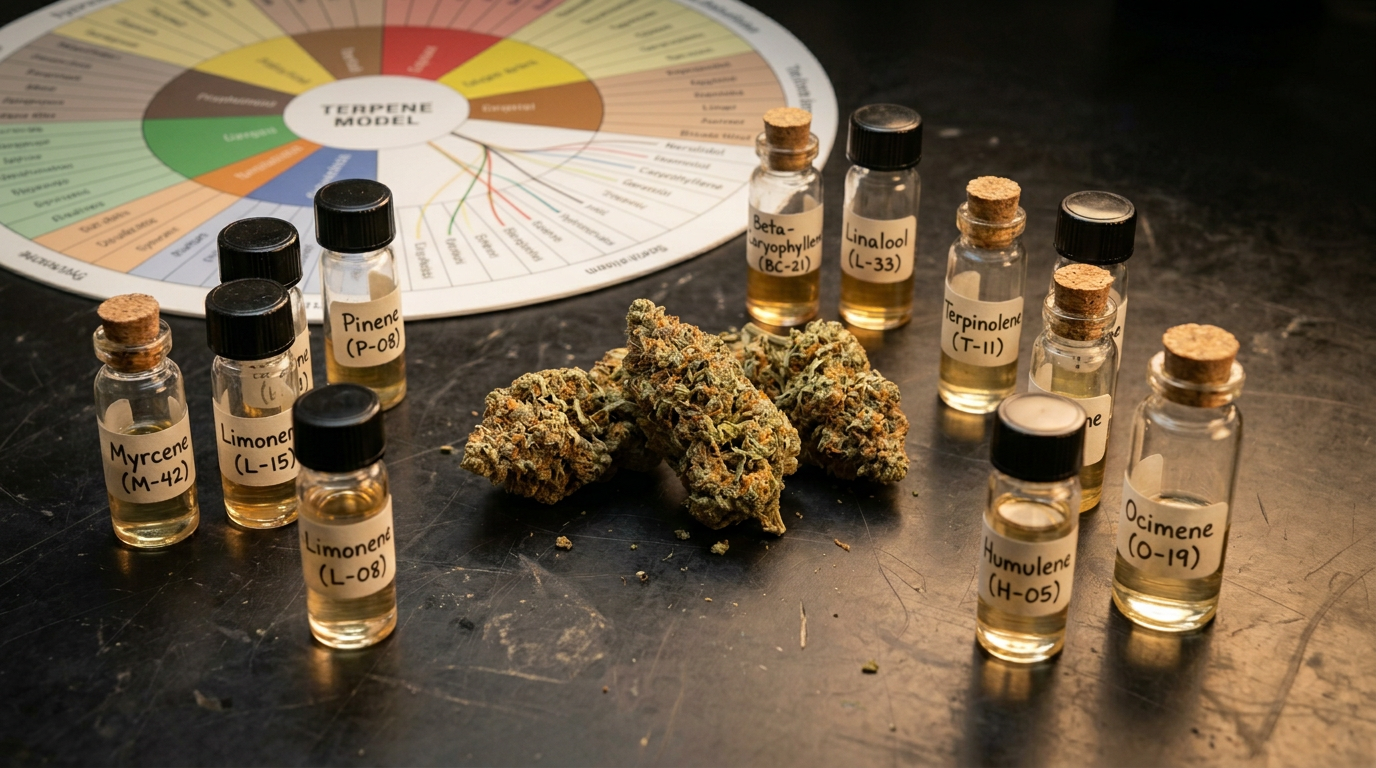
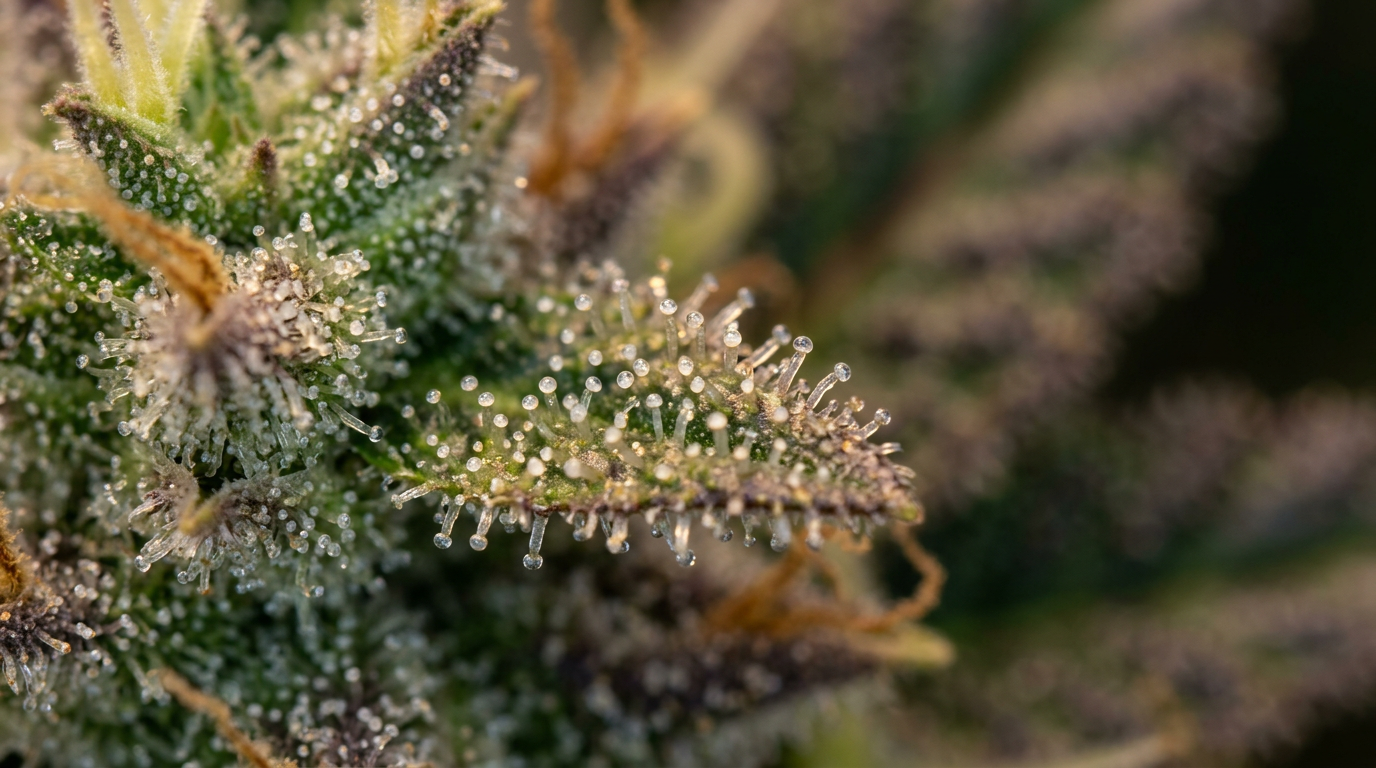
Terpenes are a class of volatile organic compounds synthesized in the trichomes of the cannabis plant, the same resin glands that produce cannabinoids. They are responsible for the distinctive aromas of cannabis strains, but describing them as “just flavor and fragrance molecules” dramatically undersells their biological significance. Terpenes are pharmacologically active compounds that interact with the human nervous system through multiple pathways, and they are increasingly recognized as essential modulators of the cannabis experience rather than passive bystanders to cannabinoid activity.

For a deeper dive into the aromatic science of individual terpenes, terpene biosynthesis research provides granular detail on these mechanisms. Here, I want to focus specifically on how terpenes interact with cannabinoids and the endocannabinoid system in the context of the entourage effect.
Research published in PMC (PMC10452568) has established that terpenes have been referred to as “entourage compounds” in part due to their ability to increase blood-brain barrier permeability, a mechanism that could enhance the delivery of cannabinoids to central nervous system targets. This is a genuinely significant finding that goes beyond the simple “terpenes affect mood” claim you’ll see on most dispensary menus. If terpenes are modulating the rate and efficiency at which THC and CBD cross into the brain, then terpene profiles aren’t just a flavor preference, they’re a pharmacokinetic variable.
Let me walk through the major terpenes found in cannabis and what the current evidence says about each one’s mechanism of action.
Myrcene: The Sedating Workhorse
Myrcene is typically the most abundant terpene in modern cannabis cultivars, and it’s the compound most often cited in discussions about why indica-dominant strains feel more sedating than sativa-dominant ones. Myrcene is a monoterpene with a musky, earthy, clove-like aroma, and it’s also found in hops, mangoes, and lemongrass. From a pharmacological standpoint, myrcene has demonstrated sedative, analgesic, and muscle-relaxant properties in preclinical studies. Some researchers hypothesize that myrcene may enhance absorption of THC by increasing cell membrane permeability, which would explain the folk wisdom that eating mango before consuming cannabis intensifies the experience, though direct human clinical data on this specific mechanism remains limited. Strains like Granddaddy Purple‘s cozy hug – pure bliss and Ice Cream Cake‘s Creamy Myrcene-Limonene Elixir are classic examples of myrcene-dominant profiles where this sedating character is front and center.
Limonene: The Mood Elevator
Limonene is a citrus-scented terpene found abundantly in lemon rinds, and its presence in cannabis strains is strongly associated with uplifting, anxiolytic effects. Mechanistically, limonene has been shown to interact with serotonin and dopamine receptors, and it demonstrates anxiolytic and antidepressant activity in animal models. It also has demonstrated anti-inflammatory and antifungal properties. Critically, limonene appears to enhance the absorption of other terpenes through skin and mucous membranes, a property that makes it a potential “carrier” terpene that amplifies the bioavailability of the broader terpene profile. The MAC cannabis strain represents one of the most studied examples of limonene expression in modern cultivars, and the strain’s reputation for clean, euphoric effects aligns well with what limonene’s pharmacology would predict.
Beta-Caryophyllene: The Cannabinoid-Mimicking Terpene
Beta-caryophyllene (BCP) holds a unique position in cannabis biochemistry: it is the only terpene currently known to directly bind to cannabinoid receptors, specifically acting as a selective agonist at CB2 receptors. This distinction is scientifically remarkable because it means BCP straddles the categories of terpene and cannabinoid simultaneously. Its CB2 agonism makes it particularly relevant for anti-inflammatory applications, and it’s also found in black pepper, cloves, and rosemary. The spicy, peppery aroma of strains like caryophyllene-rich Biscotti is a direct sensory signal of high BCP content, and users seeking anti-inflammatory or anxiolytic effects without strong psychoactivity often gravitate toward BCP-dominant profiles.
Linalool: The Lavender Compound with Neurological Depth
Linalool is the primary terpene in lavender and is responsible for that floral, slightly spicy aroma in certain cannabis strains. Its neurological profile is well-characterized compared to many cannabis terpenes: linalool has demonstrated anticonvulsant, anxiolytic, and sedative properties in multiple preclinical studies. It appears to modulate glutamate and GABA neurotransmitter systems, the primary excitatory and inhibitory systems in the brain, respectively. By enhancing GABAergic activity, linalool may contribute to the calming, anti-anxiety effects associated with linalool-rich cannabis profiles. This mechanism is pharmacologically similar to how benzodiazepines work, though with considerably less potency and a different binding profile.
Alpha-Pinene: The Memory Counterbalance
Alpha-pinene is the most abundant terpene in nature, it’s the primary component of pine needle oil, and it appears in meaningful concentrations in many cannabis strains. From a neurological standpoint, alpha-pinene is particularly interesting because it acts as an acetylcholinesterase inhibitor, meaning it slows the breakdown of acetylcholine, a neurotransmitter critical for memory and attention. This mechanism is directly relevant to one of THC’s most commonly reported side effects: short-term memory impairment. If alpha-pinene can partially counteract THC-induced acetylcholinesterase upregulation, then strains rich in pinene may produce a more cognitively clear experience despite high THC content. Jack Herer‘s Terpinolene: A Genetic Anomaly is a classic example of a cultivar with notable pinene content, and its reputation for clear-headed, functional effects is consistent with this pharmacological prediction.
Terpinolene: The Rare Uplifter
Terpinolene is relatively uncommon as a dominant terpene, most strains contain it only in trace amounts, but when it is the primary terpene, it produces a distinctive aromatic profile that combines floral, piney, herbaceous, and slightly citrus notes. Pharmacologically, terpinolene has demonstrated antioxidant, anticancer (in vitro), and sedative properties in preclinical research. Strains where terpinolene dominates, such as Pineapple Express – My go-to for a sunny grow day, tend to be associated with uplifting, creative effects, though the mechanism for this specific effect profile is less well-characterized than for limonene or linalool.
Ocimene and Humulene: The Supporting Cast
Ocimene contributes sweet, herbal, and woody notes and has demonstrated antiviral and anti-inflammatory properties, though its direct neurological mechanisms in the context of cannabis are less studied than the terpenes above. Humulene, found in hops and coriander, shares structural similarities with beta-caryophyllene and has shown anti-inflammatory and appetite-suppressant properties in preclinical models, making it pharmacologically distinct from myrcene, which tends to stimulate appetite.
85%
65%
55%
45%
35%
30%
25%
The Entourage Effect: Separating Proven Science from Promising Hypothesis
The entourage effect is the concept that the combined effect of cannabis compounds, cannabinoids, terpenes, and flavonoids working together, is greater than the sum of its individual parts. The term was coined by Israeli researchers Raphael Mechoulam and Shimon Ben-Shabat in 1998, and it has since become one of the most discussed and debated concepts in cannabis science. I want to be precise here, because the entourage effect is simultaneously one of the most important ideas in cannabis pharmacology and one of the most frequently overstated.
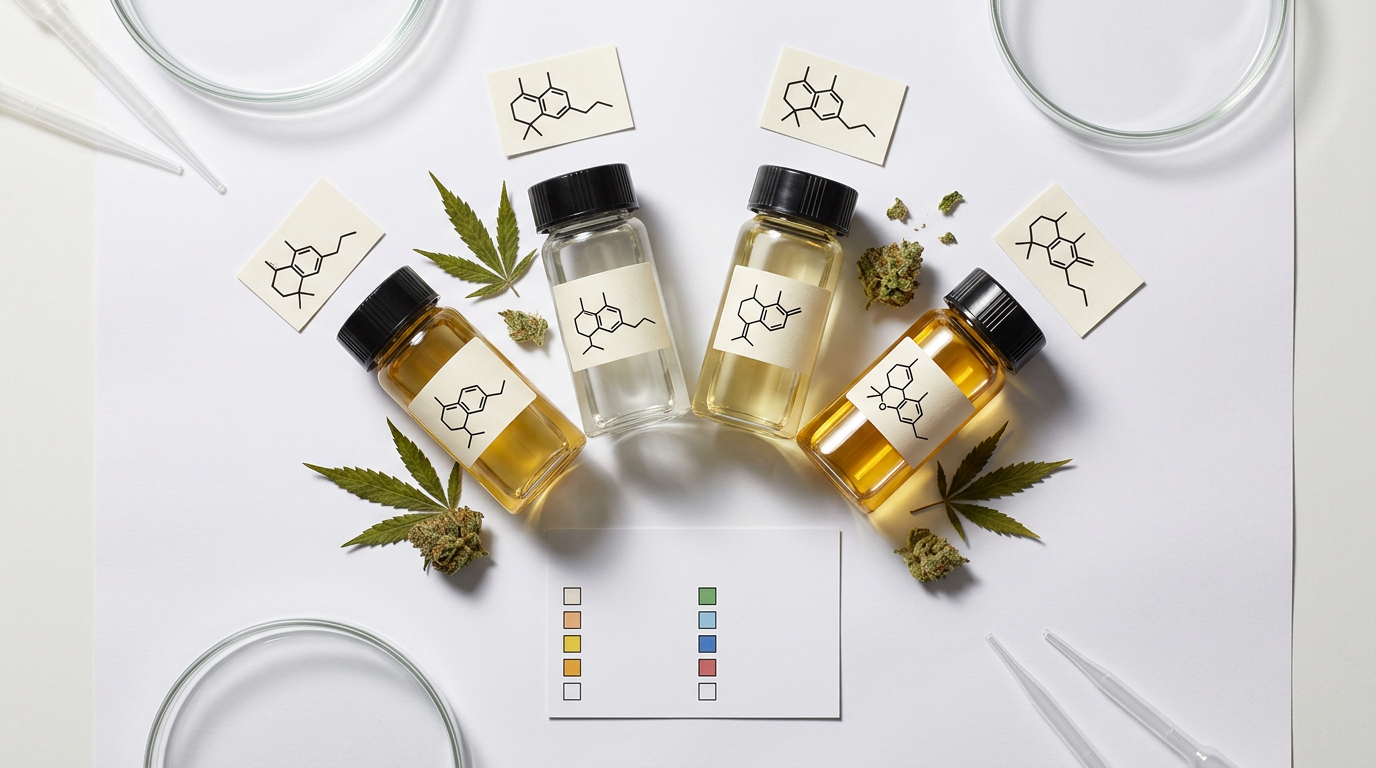
The scientific evidence supporting the entourage effect exists on a spectrum. At one end, there is strong mechanistic evidence: we know that CBD modulates THC’s receptor binding, that beta-caryophyllene activates CB2 receptors independently, that terpenes can increase blood-brain barrier permeability, and that full-spectrum extracts perform differently from isolates in clinical settings. A 2020 review published in PMC (PMC7324885) specifically notes that combining terpenes with cannabinoids enhances the mood-stabilizing effects attributed to THC and CBD, a claim that has meaningful mechanistic support. Research published in PMC (PMC11870048) further elaborates on how non-THC cannabinoids have neurochemical properties that support entourage effect theory.
At the other end of the spectrum, the specific claim that terpenes produce meaningful psychoactive effects on their own, at the concentrations present in typical cannabis products, is considerably less well-supported. A critical analysis published in Scientific American raises important questions about whether terpene concentrations in smoked or vaped cannabis are sufficient to produce the direct receptor-level effects observed in isolated preclinical studies. The honest scientific answer is: we don’t fully know yet. The entourage effect is real in the sense that whole-plant extracts demonstrably outperform isolates in certain clinical contexts. The precise molecular mechanisms driving that superiority are still being characterized.
What I find most compelling in the current literature is the pharmacokinetic angle, the idea that terpenes don’t necessarily need to produce strong direct effects to meaningfully influence the cannabis experience. If myrcene enhances membrane permeability and limonene improves absorption of co-administered compounds, then even relatively small concentrations of these terpenes could have outsized effects on how efficiently THC and CBD reach their targets. A 2022 study referenced on PubMed (PMID 36330630) contributes to this pharmacokinetic framing of terpene-cannabinoid interactions.
The Reddit cannabis community, in my observation, has actually arrived at a fairly nuanced position on this debate. There’s genuine skepticism about overstatements of terpene effects, users correctly note that sniffing a terpene vial is not the same as consuming it as part of a complex botanical matrix, but there’s also widespread experiential consensus that strain differences are real and have a scientific basis in cannabinoid and terpene profiles. Both of these positions are, in my assessment, scientifically defensible.
Full-Spectrum vs. Isolate: What the Data Actually Shows
The full-spectrum vs. isolate debate is where the entourage effect moves from theory to practical consumer decision-making, and it’s an area where the research is more concrete than many people realize. Full-spectrum cannabis products contain the complete range of cannabinoids, terpenes, and flavonoids present in the plant, while broad-spectrum products retain terpenes and minor cannabinoids but have THC removed. Isolates are purified single compounds, typically THC or CBD, with everything else removed.
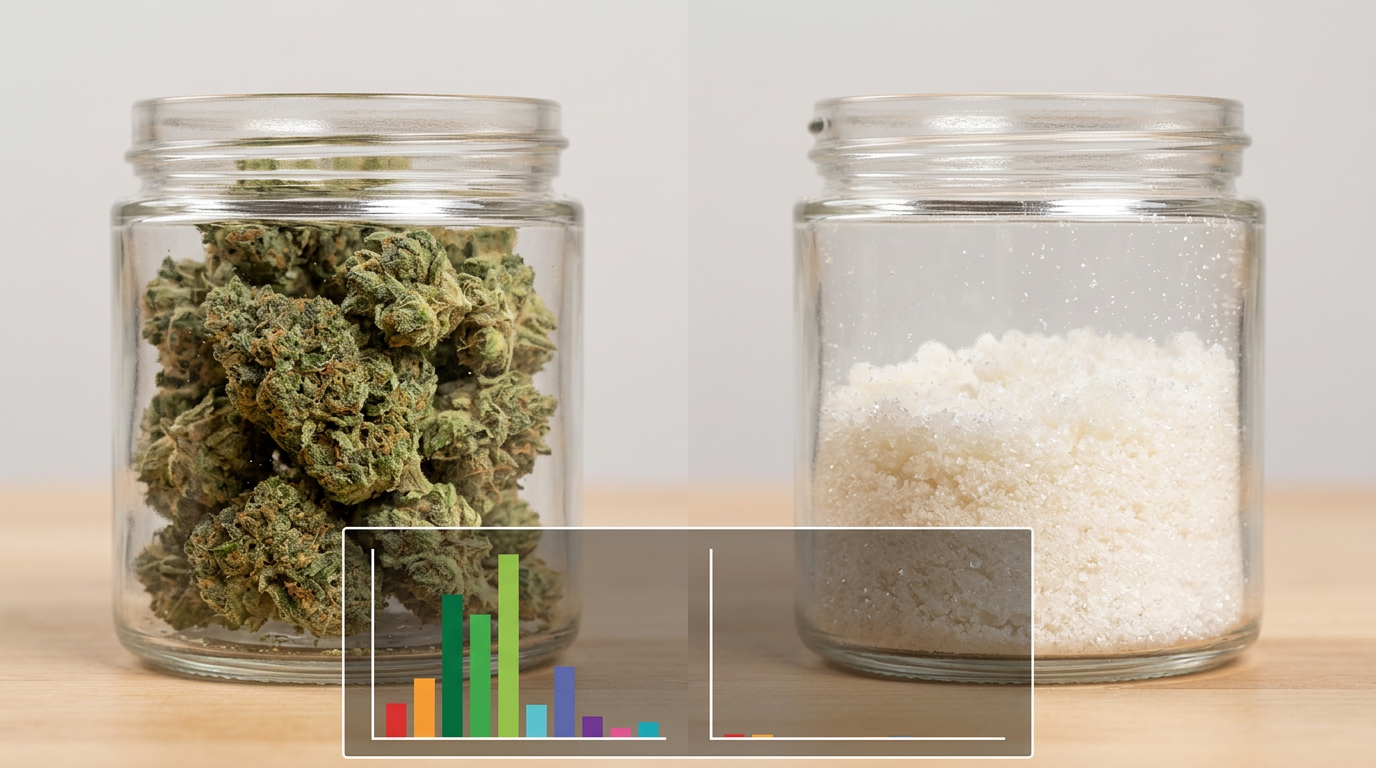
The most clinically compelling evidence for full-spectrum superiority comes from epilepsy research. A landmark study compared whole-plant CBD extract to CBD isolate in pediatric epilepsy patients and found that the whole-plant extract was effective at lower doses, produced fewer side effects, and showed a more linear dose-response curve. This “bell-curve” problem with CBD isolate, where efficacy increases up to a certain dose and then decreases, is not observed with full-spectrum preparations, suggesting that other plant compounds are stabilizing CBD’s therapeutic window. This research is foundational to understanding why full-spectrum products feel more effective than isolates for many users, and it’s one of the more robust pieces of clinical evidence for the entourage effect.
For THC-dominant products, the full-spectrum advantage is somewhat different in character. The presence of CBD in a full-spectrum product modulates THC’s CB1 receptor activation, potentially reducing anxiety and cognitive impairment while preserving analgesic and euphoric effects. Minor cannabinoids like CBG (cannabigerol), CBN (cannabinol), and THCV (tetrahydrocannabivarin) each contribute their own receptor interactions, CBG shows promise as a CB1 antagonist and alpha-2 adrenergic agonist, CBN has sedative properties potentially relevant to sleep applications, and THCV appears to act as a CB1 antagonist at low doses, which may contribute to the clear-headed effects associated with certain African sativa genetics.
Flavonoids deserve a mention here, even though they remain the least-studied component of the entourage. Cannabis-specific flavonoids called cannaflavins have demonstrated anti-inflammatory activity in preclinical studies, cannaflavin A, for instance, was found to inhibit prostaglandin E2 production at a rate reportedly 30 times more potent than aspirin in early research, though this has not been validated in human clinical trials. The role of flavonoids in the broader entourage effect is a genuine gap in the current literature and represents one of the most interesting frontiers in cannabis pharmacology.
If you’re growing your own cannabis and want to maximize terpene and cannabinoid preservation in your final product, Darrel Henderson has written extensively on cultivation techniques that protect trichome integrity through harvest and curing, factors that directly determine whether your full-spectrum potential is realized or degraded before consumption.
Terpene Profiles Across Popular Strains: A Practical Chemistry Guide
One of the most practical applications of cannabis science is using terpene profiles to predict and select for desired effects. While the precise terpene percentages in any given batch will vary based on genetics, growing conditions, harvest timing, and post-harvest handling, certain strains have reliably consistent terpene signatures that make them useful reference points.
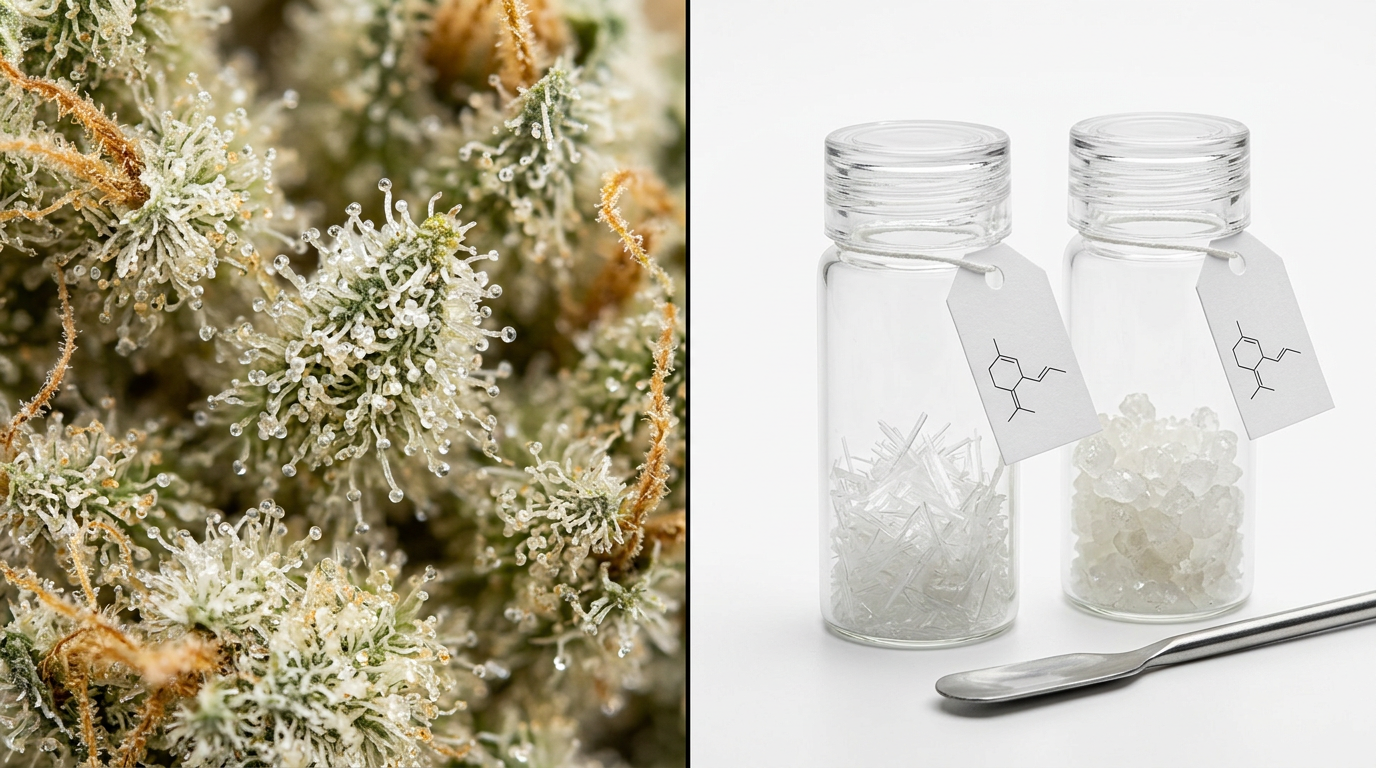
Blue Dream’s Terpene Signature – A Genetic Symphony is one of the most analytically interesting strains in this regard, its characteristic myrcene-dominant profile with secondary caryophyllene and pinene creates a balanced experience that many users describe as the “Goldilocks” of cannabis: not too sedating, not too stimulating. The pinene content in Blue Dream is particularly relevant given its reputation for maintaining mental clarity despite meaningful THC levels.
On the indica end of the spectrum, Northern Lights exemplifies a classic myrcene-heavy, low-pinene profile that pharmacologically predicts deep physical relaxation and sedation. For those interested in sleep applications, a topic Jessica Reed has covered in depth from a lifestyle and wellness perspective, understanding the myrcene-linalool interaction in strains like Northern Lights is more predictive of sleep outcomes than THC percentage alone.
Sour Diesel That Diesel Kick You Can’t Beat represents the opposite end of the terpene spectrum: a limonene and caryophyllene-dominant profile with notable myrcene that produces the energetic, cerebral, diesel-fuel character that has made it one of the most enduring strains in American cannabis culture since its emergence on the East Coast in the early 1990s. Its terpene chemistry is a near-perfect illustration of how limonene’s serotonergic activity translates into real-world uplifting effects.
OG Kush is pharmacologically fascinating because its terpene profile, dominated by myrcene, limonene, and caryophyllene in roughly equal measure, creates a complex, multi-layered effect profile that doesn’t fit neatly into the sedating/energizing binary. This chemical complexity is precisely why OG Kush became the genetic foundation for so many modern hybrids: its terpene architecture is inherently versatile.
For growers interested in cultivating strains with specific terpene targets, home cultivation techniques cover the environmental variables, particularly temperature during the final flowering weeks, that most significantly influence terpene expression and retention.
How Consumption Method Changes the Terpene Equation
The delivery method you choose for cannabis has profound implications for terpene bioavailability and the degree to which the entourage effect is active. This is an area that’s significantly underrepresented in popular cannabis education, and it’s one where the science is both clear and practically actionable.
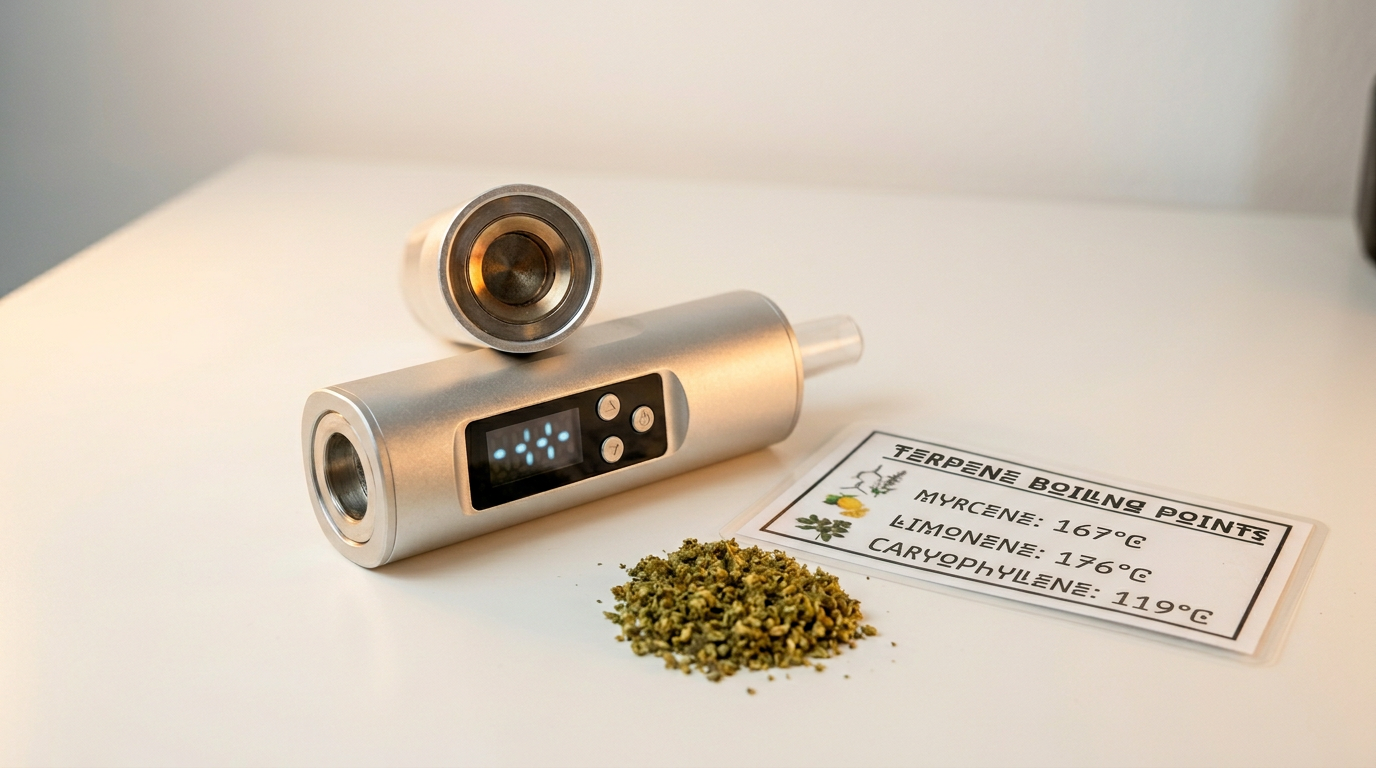
Combustion (smoking) destroys a significant percentage of terpenes before they reach your lungs. Most terpenes begin to volatilize and degrade at temperatures above 150°C (302°F), and the combustion temperature of cannabis can exceed 800°C (1472°F) at the cherry. This means that smoking, while delivering cannabinoids efficiently, is among the least efficient methods for preserving the terpene profile that influences the entourage effect. Vaporization at controlled temperatures, typically between 170°C and 220°C (338°F to 428°F), preserves a much higher proportion of terpenes. Different terpenes have different boiling points: myrcene volatilizes at approximately 167°C (332°F), limonene at 176°C (349°F), and beta-caryophyllene at 119°C (246°F), meaning that lower-temperature vaporization can be used to selectively emphasize lighter, more volatile terpenes.
Edibles present a different set of considerations. The decarboxylation process required to activate cannabinoids in edibles (converting THCA to THC and CBDA to CBD through heat) also degrades many terpenes. Full-spectrum edibles made from whole-plant extracts will retain more terpene content than those made from distillate, but even the best full-spectrum edibles will have a different terpene-cannabinoid ratio than the flower they were derived from. If you’re making your own cannabis butter or oil, the The Complete Beginner’s Guide to Cannabis Butter: Decarb, Infuse, and Dose Like a Pro provides temperature guidance that minimizes terpene degradation during the infusion process.
Sublingual tinctures and transdermal patches bypass the hepatic first-pass metabolism that transforms THC into 11-hydroxy-THC in the liver, a metabolite that is actually more potent and longer-lasting than THC itself, which explains why edibles often produce stronger, longer effects than equivalent inhaled doses. Full-spectrum tinctures are arguably the most efficient delivery method for preserving and utilizing the complete terpene-cannabinoid matrix, particularly for medical applications where consistency and dose control are priorities.
Terpene Side Effects and Contraindications: What You Need to Know
The narrative around terpenes is overwhelmingly positive in cannabis marketing, but a scientifically honest discussion requires acknowledging that terpenes, like all pharmacologically active compounds, have potential side effects and contraindications that deserve attention.
High concentrations of limonene, while generally well-tolerated, can cause skin sensitization and irritation in susceptible individuals, this is relevant primarily for topical applications and concentrated extracts rather than typical flower consumption. Linalool, despite its calming reputation, can trigger allergic reactions in people with lavender sensitivity, and its GABAergic activity means that combining high-linalool cannabis products with benzodiazepines, alcohol, or other GABA-enhancing substances could produce additive sedative effects beyond what either substance would produce alone.
Beta-caryophyllene’s CB2 agonism is generally considered safe and is well-tolerated, but its immune-modulating properties are worth noting for individuals on immunosuppressive therapies. Myrcene’s sedative properties mean that myrcene-dominant strains consumed in combination with other CNS depressants could produce greater sedation than anticipated. Alpha-pinene’s acetylcholinesterase inhibition is relevant for individuals taking cholinesterase inhibitor medications (used for Alzheimer’s disease), where additive effects could theoretically occur.
Research published in PMC (PMC10452568) notes that some studies suggest combining terpenes with THC could reduce certain side effects such as anxiety, but the data is still limited, an important caveat that should temper both the enthusiasm of proponents and the dismissiveness of skeptics. The terpene science field is genuinely young, and the honest position is that we have strong mechanistic hypotheses supported by preclinical data, with human clinical trials still catching up.
A Practical Consumer Guide: Selecting Products by Terpene Profile
Given everything above, how should a consumer actually use terpene science to make better purchasing decisions? In states with robust cannabis testing and labeling requirements, California, Colorado, Washington, Oregon, Massachusetts, and others, licensed dispensaries are required to provide certificates of analysis (COAs) that include terpene profiles alongside cannabinoid percentages. Learning to read these documents is one of the most valuable skills a cannabis consumer can develop.
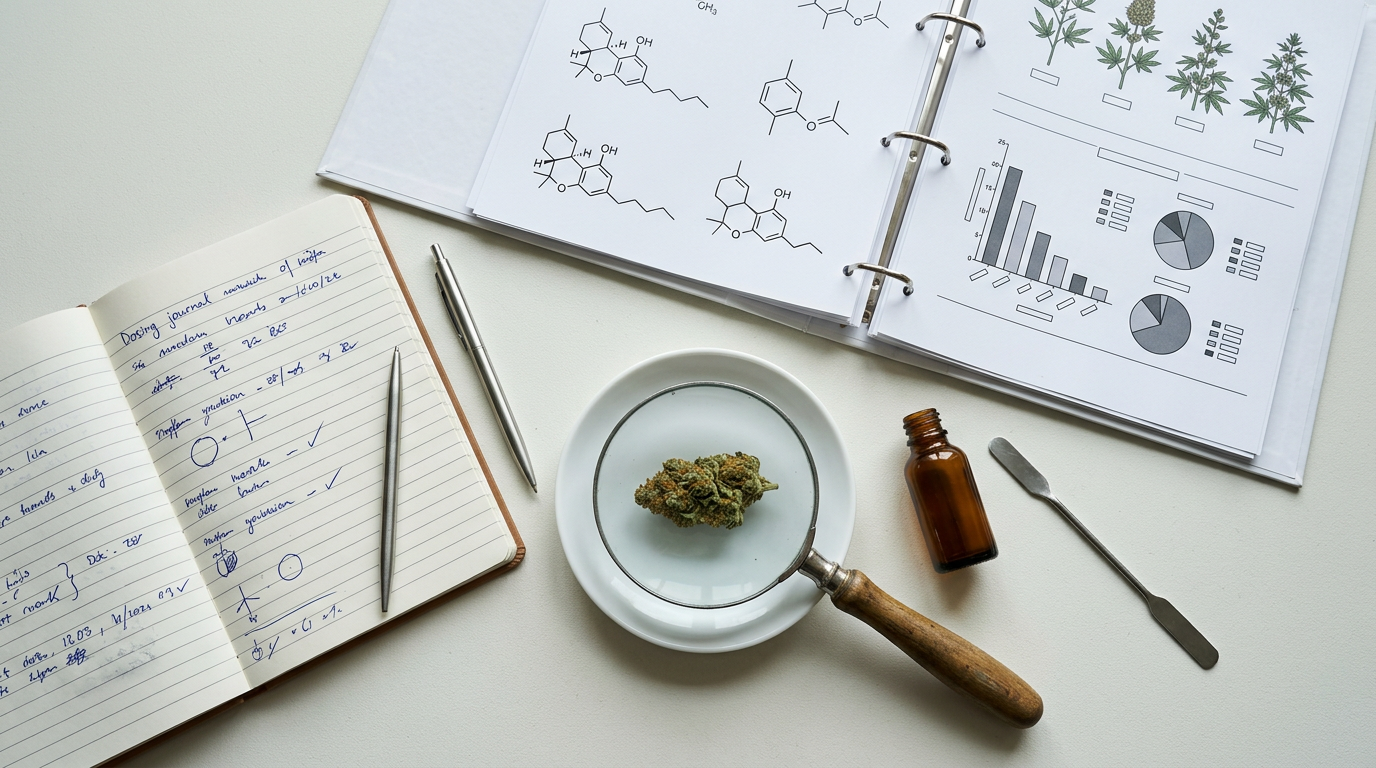
When evaluating a product’s terpene profile, I recommend looking at the total terpene percentage first. Products with less than 0.5% total terpenes will have minimal entourage effect contribution regardless of which specific terpenes are present. Products with 2% or higher total terpenes represent a meaningfully richer chemical matrix. The specific terpene composition then tells you what kind of experience to expect based on the mechanisms I’ve described above.
For anxiety reduction, look for profiles dominated by beta-caryophyllene and linalool, with secondary limonene content. The CB2 agonism of caryophyllene combined with linalool’s GABAergic activity and limonene’s serotonergic influence creates a pharmacological combination that multiple lines of evidence suggest is genuinely anxiolytic. Strains like Girl Scout Cookies and Gelato tend to express this kind of profile. For sleep, prioritize myrcene and linalool dominant profiles, the combination of myrcene’s sedative properties with linalool’s GABAergic activity is well-supported for relaxation and sleep onset. For focus and cognitive clarity, seek out pinene and limonene dominant profiles with low myrcene content. Zkittlez offers an interesting fruity-forward profile with notable limonene content that many users find mood-elevating without being heavily sedating.
For pain management applications, beta-caryophyllene dominant profiles are the most directly relevant given its CB2 receptor activity, which is specifically implicated in peripheral pain and inflammation modulation. Research suggests that terpenes may offer alternative pain treatment pathways without some cannabinoid drawbacks, a particularly relevant consideration for patients in states with medical programs where specific therapeutic claims are relevant to product selection. Slurricane and Gorilla Glue both represent high-caryophyllene profiles worth examining for this application.
For those who want to explore this topic further across our cannabis blog, there’s a growing body of strain-specific and science-focused content that complements the framework I’ve laid out here. Visit our cannabis blog for the latest coverage of cannabis science, cultivation, and culture.
The Research Frontier: What We Still Don’t Know
Scientific integrity requires acknowledging the limits of current knowledge, and cannabis science has significant gaps that the research community is actively working to fill. The entourage effect, as a concept, suffers from a fundamental methodological challenge: studying the interaction of dozens of compounds simultaneously in human subjects is extraordinarily complex and expensive. Most of the mechanistic evidence comes from in vitro (cell culture) or animal studies, which don’t always translate cleanly to human pharmacology.
The specific terpene concentrations required to produce meaningful pharmacological effects in humans are not well-established. The doses used in many preclinical terpene studies are considerably higher than what a consumer would typically encounter in a cannabis product. This doesn’t invalidate the entourage effect, the pharmacokinetic mechanisms (blood-brain barrier permeability, absorption enhancement) could be active at lower concentrations than direct receptor interactions require, but it does mean that consumers should maintain appropriate epistemic humility about claims that specific terpene profiles will produce specific effects.
Individual variation in ECS tone, the baseline activity level of your endocannabinoid system, is another underexplored variable. People with naturally high endocannabinoid tone may respond differently to exogenous cannabinoids and terpenes than those with low ECS tone. Genetic polymorphisms in cannabinoid receptor genes (CNR1 and CNR2) affect receptor density and sensitivity, which helps explain why cannabis affects different people so differently even when consuming identical products. The field of pharmacogenomics applied to cannabis is in its early stages but represents one of the most promising directions for personalized cannabis medicine.
Frequently Asked Questions About Cannabis Science, THC, CBD, and Terpenes
What is the terpene entourage effect?
The entourage effect is the theory, supported by a growing body of mechanistic and clinical evidence, that cannabis compounds work synergistically, producing effects greater than any individual compound would produce alone. The term was coined by Israeli researchers in 1998 and refers specifically to how cannabinoids, terpenes, and flavonoids interact with each other and with the body’s endocannabinoid system. The core mechanisms include CBD modulating THC’s receptor binding, terpenes increasing blood-brain barrier permeability to enhance cannabinoid delivery, and minor cannabinoids contributing their own receptor interactions to the overall pharmacological profile.
Is the entourage effect scientifically valid?
The honest answer is: partially, with important caveats. There is strong mechanistic evidence that cannabis compounds interact in ways that produce different effects than any single compound in isolation, the clinical data comparing full-spectrum CBD extracts to CBD isolate in epilepsy research is among the most compelling. However, specific claims about terpenes producing direct psychoactive effects at typical consumption concentrations are less well-supported by human clinical data. The entourage effect is best understood as a real phenomenon with well-characterized mechanisms at the molecular level, where the full clinical picture in human populations is still being established through ongoing research.
How do I get the entourage effect from cannabis products?
Choose full-spectrum products over isolates or distillate-based products whenever possible. Look for certificates of analysis that show total terpene content above 1-2% and a diverse terpene profile rather than a single dominant terpene. For flower, fresh, well-cured material from a reputable source will preserve terpene integrity better than old or improperly stored product. If vaporizing, use temperature-controlled devices set between 170°C and 200°C (338°F to 392°F) to volatilize terpenes without destroying them. Avoid combustion if maximizing terpene contribution is a priority, as the high temperatures of smoking degrade a significant proportion of the terpene profile before inhalation.
Can the entourage effect help with anxiety?
Some research suggests that combining terpenes with THC could reduce anxiety-related side effects, though the data is still limited and primarily preclinical. The most evidence-supported approach for anxiety involves selecting products with high beta-caryophyllene (CB2 agonist with anti-anxiety properties), linalool (GABAergic modulator), and limonene (serotonergic activity) content, combined with a moderate CBD-to-THC ratio where CBD’s negative allosteric modulation of CB1 receptors can temper THC’s potential to trigger anxiety at higher doses. Importantly, individual responses vary significantly, and people with anxiety disorders should approach cannabis use cautiously and ideally in consultation with a healthcare provider familiar with cannabis pharmacology.
What are the worst terpenes for anxiety?
While terpenes themselves are generally not considered to cause anxiety, certain terpene-cannabinoid combinations may be less favorable for anxiety-prone individuals. High myrcene content combined with high THC and minimal CBD can amplify sedation in ways that some people find disorienting rather than calming. There is also anecdotal and limited clinical evidence suggesting that very high concentrations of certain stimulating terpenes like terpinolene, in combination with high-THC products, may contribute to racing thoughts in susceptible individuals. However, it’s important to note that anxiety responses to cannabis are primarily driven by THC dose and individual ECS genetics, with terpene contributions playing a modulating rather than primary role.
Why do full-spectrum products feel more effective than isolates?
The clinical evidence points to several mechanisms. Full-spectrum CBD products avoid the “bell-curve” dose-response problem of CBD isolate, where efficacy decreases above a certain dose threshold, a phenomenon not observed with whole-plant extracts. Terpenes in full-spectrum products may enhance the bioavailability of cannabinoids by increasing blood-brain barrier permeability and improving absorption. Minor cannabinoids like CBG, CBN, and THCV contribute their own receptor interactions that complement the primary cannabinoids. And the presence of CBD in full-spectrum THC products modulates CB1 receptor activation in ways that can improve the therapeutic window, maintaining desired effects while reducing unwanted ones like anxiety and cognitive impairment.
What is the list of major terpenes in cannabis and their effects?
The major terpenes in cannabis and their primary associated effects, based on current research, are as follows: Myrcene (earthy, musky), sedating, analgesic, muscle-relaxing; Limonene (citrus), uplifting, anxiolytic, mood-elevating; Beta-Caryophyllene (spicy, peppery), anti-inflammatory, anxiolytic, CB2 receptor agonist; Linalool (floral, lavender), calming, anticonvulsant, GABAergic; Alpha-Pinene (pine), alerting, memory-supporting, bronchodilatory; Terpinolene (floral, piney), uplifting, antioxidant; Humulene (woody, earthy), anti-inflammatory, appetite-suppressant; Ocimene (sweet, herbal), antiviral, anti-inflammatory. These effects are based on preclinical research and clinical observations, with the caveat that human clinical data varies in robustness across different terpenes. For a more detailed breakdown of individual terpene mechanisms, Cannabis Terpenes Explained: The Aromatic Science That Shapes Every Single High is the most comprehensive resource I’d point you toward.