Terpenes are aromatic organic compounds produced naturally in cannabis and thousands of other plants. They drive the distinctive smells and flavors found across different strains, from piney and citrusy to earthy and floral. In cannabis, terpenes also interact with cannabinoids like THC and CBD to shape overall effects, a relationship scientists call the entourage effect.
Reviewed by Maya Chen, Cannabis Science Writer | Updated March 18, 2026
What Are Terpenes in Cannabis?
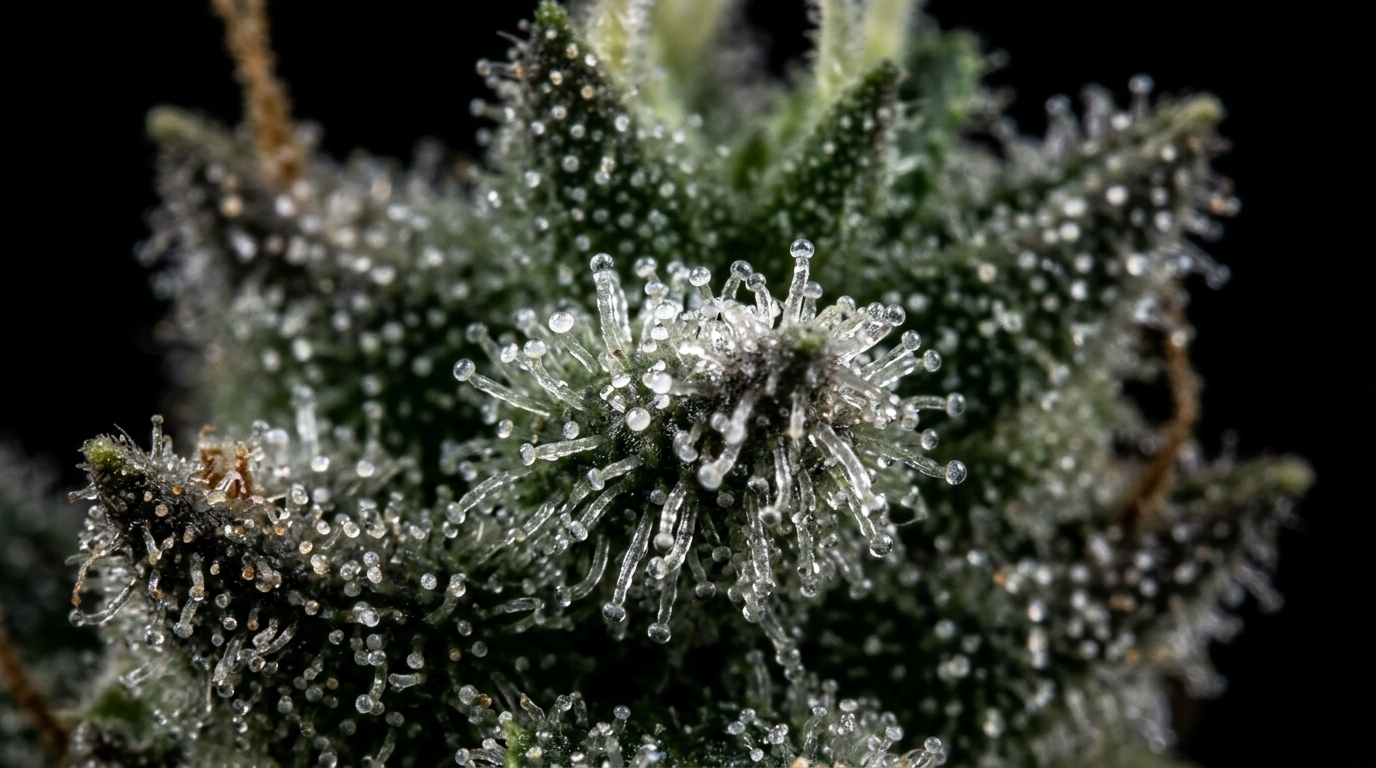
Cannabis plants produce over 200 identified terpene compounds, synthesized primarily in the resin glands known as Trichomes. These compounds evolved as a defense mechanism against pests and pathogens while simultaneously attracting pollinators through scent.
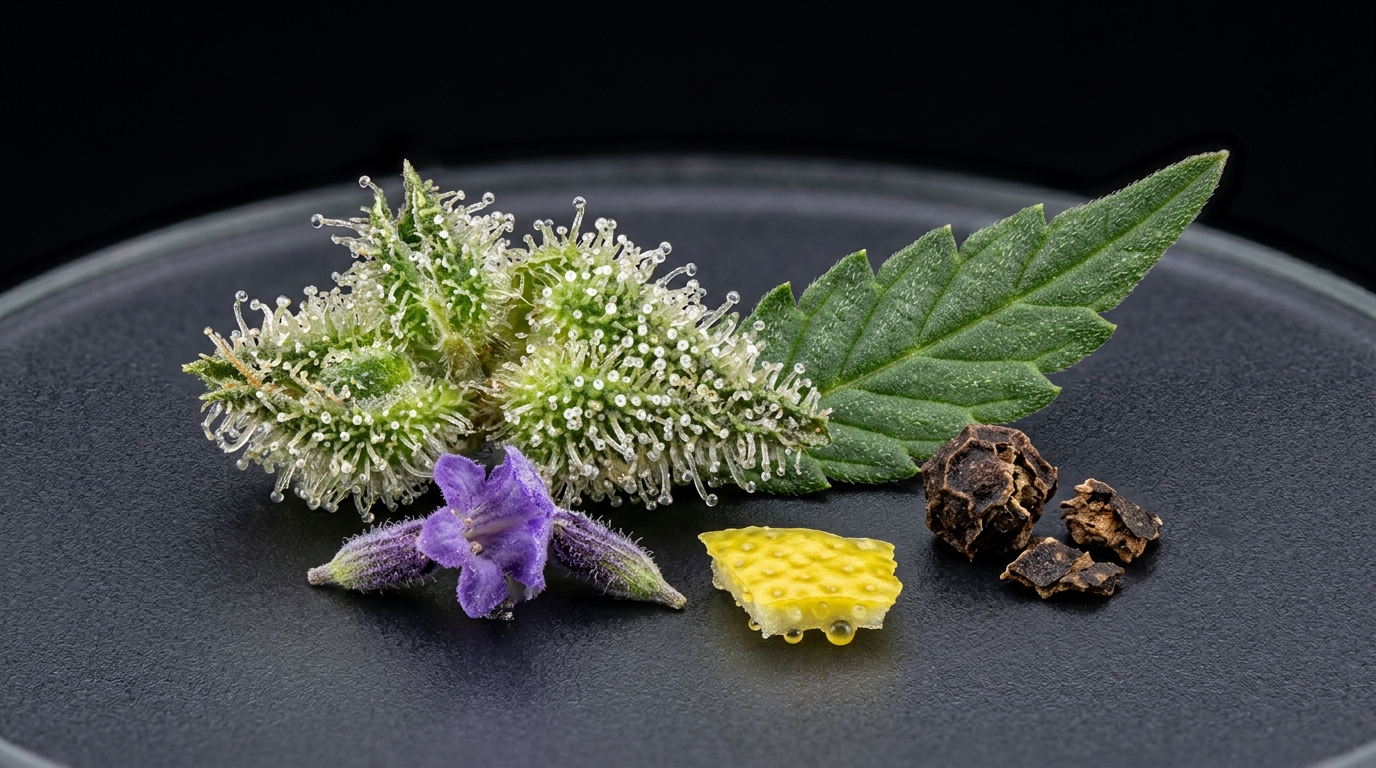
I find it useful to think of terpenes as the plant’s chemical vocabulary. Each compound has a distinct molecular structure that determines its scent, its behavior at different temperatures, and how it interacts with other plant compounds. Myrcene is the most commonly detected terpene in commercial cannabis samples, carrying an earthy, musky scent similar to hops. Limonene delivers bright citrus notes. Caryophyllene, unique among terpenes, can bind directly to CB2 receptors in the body, blurring the line between terpene and cannabinoid.
According to a review published in Frontiers in Plant Science via PMC, terpene composition is shaped by both genetics and environmental conditions including light exposure, temperature, soil composition, and harvest timing. Terpene concentrations in dried flower typically range from 0.5% to 3.5% by dry weight.
Why Terpenes Matter: The Entourage Effect
Terpenes do not work in isolation. Research consistently points to their role in modulating how cannabinoids interact with the endocannabinoid system, a phenomenon described as the entourage effect. This concept has moved from fringe hypothesis to serious scientific inquiry over the past decade.
A 2020 review published in Frontiers in Neuroscience via PMC examined how terpenes coupled with cannabinoids may produce effects that neither compound achieves alone. The researchers found evidence that certain terpenes can influence receptor binding affinity and neurotransmitter activity. I want to be precise here: research suggests these interactions are real, but the clinical picture is still developing.
What I analyze in my own work is the terpene profile as a whole system. A caryophyllene-dominant strain behaves differently in the body than a myrcene-heavy cultivar, even when their THC percentages are identical. The cannabinoid ratios matter. The terpene ratios matter. They work together.
Did you know? According to the Oregon Liquor and Cannabis Commission, licensed cannabis retailers in Oregon are required to provide tested product information to consumers, which includes terpene data on many lab-tested products. Oregon was among the first states to push for standardized terpene reporting, making it one of the more transparent cannabis markets for consumers who want to shop by terpene profile rather than THC percentage alone.
Practical Applications: How to Use Terpene Data
Terpene profiles are actionable data, not just marketing copy. When you see a lab report, the terpene section tells you things a THC percentage simply cannot convey.
In my research, I look at the top three terpenes in a strain’s profile as a starting point for predicting sensory experience and, more cautiously, likely effect character. Temperature matters enormously for terpene preservation. Myrcene begins to degrade at around 167°F (75°C), while caryophyllene is more heat-stable. Vaporizing at lower temperatures, around 315 to 356°F, preserves far more of the aromatic terpene profile than combustion, which regularly exceeds 900°F.
For growers, genetic selection at seed purchase directly determines your ceiling for terpene expression. Strains with rich profiles reward careful environmental management during flowering. Stress, temperature swings, and early harvest all reduce final terpene concentrations. Choosing genetics with a documented history of complex aromatic expression is the first step.
Key Facts
✓ Cannabis produces over 200 identified terpene compounds, with myrcene, limonene, caryophyllene, pinene, linalool, and terpinolene appearing most frequently in commercial cultivars.
✓ Terpene concentrations in cannabis flower typically range from 0.5% to 3.5% by dry weight.
✓ Caryophyllene is the only cannabis terpene known to bind directly to cannabinoid receptors (CB2), giving it a unique pharmacological status.
✓ Terpenes are produced primarily in the trichomes alongside cannabinoids, and their synthesis is influenced by genetics, light, temperature, and soil conditions.
✓ Most cannabis terpenes are volatile at temperatures below 200°F, meaning high-heat combustion destroys a significant portion of the terpene profile before inhalation.
✓ The entourage effect describes how terpenes and cannabinoids interact synergistically, with research suggesting the combination produces effects distinct from isolated compounds alone.
Frequently Asked Questions
Do terpenes actually affect your high?
Research suggests yes, though the science is still building. The entourage effect framework proposes that terpenes modulate how cannabinoids interact with receptors in the brain and body. In my analysis, high-myrcene strains tend to produce heavier, more sedating experiences, while terpinolene-dominant strains correlate with more energetic effects. These are tendencies rather than guarantees, and individual physiology plays a significant role. For a deeper look at how this chemistry works, explore our cannabis glossary entries on related compounds.
What is a terpene profile and how do I read one?
A terpene profile is a lab-generated breakdown of the specific terpenes present in a cannabis sample and their concentrations, expressed as a percentage of dry weight. You will typically see the top three to six terpenes listed in descending order. I recommend looking at the top three compounds together as a cluster. A profile showing myrcene (0.8%), caryophyllene (0.5%), limonene (0.3%) tells a very different story than one showing terpinolene (1.1%), ocimene (0.4%), myrcene (0.2%), even when total terpene content is similar.
Can growing conditions change a strain’s terpene profile?
Absolutely. Genetics set the ceiling for terpene expression, but environmental factors determine how close you get to that ceiling. Slightly cooler nighttime temperatures around 65 to 70°F during late flower are associated with enhanced terpene production in many cultivars. UV-B light exposure has also been linked to increased terpene synthesis, which is one reason some outdoor-grown cannabis develops exceptionally complex aromatic profiles. Post-harvest handling including drying speed, curing duration, and storage conditions also significantly affect the final terpene content in the product you consume.
Want to grow strains with rich, complex terpene profiles? The genetics you start with determine your aromatic ceiling. Browse our selection of high-expression cultivars bred for standout terpene development.