Sprayed weed is cannabis flower coated with external substances after harvest, including terpene sprays, synthetic cannabinoids, glass particles, or other additives. Sellers spray flower to boost apparent potency, weight, or visual appeal. The practice ranges from relatively harmless terpene enhancement to genuinely dangerous adulteration with toxic compounds.
Reviewed by Darrel Henderson, Cannabis Cultivation Specialist | Updated March 21, 2026
What Is Sprayed Weed?
Sprayed weed is cannabis flower treated with an applied substance after harvest, drying, and curing. This separates it from grow-cycle practices like foliar feeding or pesticide application. Sellers target finished product specifically to change how it looks, smells, weighs, or hits. The substances used range from isolated Terpenes to synthetic cannabinoids to glass particles.
I’ve been in cultivation long enough to see this from both sides. Early in Denver’s legal market, I’d occasionally get samples from street sources before I had my own steady supply. Some batches smelled wrong in a way that wasn’t strain variation. That chemical sharpness sitting underneath the terps was my first real encounter with sprayed flower. Once you’ve smelled it, you don’t forget it.
The unregulated market drives most of this. According to a review of cannabis contaminants published via PMC, post-harvest contamination is a documented concern spanning multiple substance classes. Regulated dispensaries with testing requirements have far less incentive to spray. The black market, and even some gray-area THCa flower markets, have much weaker accountability.
Why Sellers Spray Cannabis Flower
Post-harvest spraying is almost always motivated by profit. Sellers use it to make low-quality cannabis appear, smell, or weigh more than it actually is, directly increasing margins on product that wouldn’t otherwise move at premium prices.
Weight is a big one. Glass particles, sugar, or fine sand can add measurable grams without being immediately visible. I’ve handled flower that felt heavier than it looked, and that discrepancy alone should raise your antenna. Legitimate dense nugs from a well-fed plant feel substantial in a specific way. Artificially heavy buds have a different, almost gritty heft.
Visual appeal is another driver. Some sprays create a sparkle effect mimicking heavy Trichomes coverage. This is where the market for “terp-sprayed” or “infused” flower gets complicated. Legitimate infused products exist, clearly labeled, using added concentrates or kief. The problem is unlabeled flower getting the same treatment and sold as naturally potent bud.
Then there’s the potency angle. Spraying with synthetic cannabinoids can produce an intense, unpredictable high on otherwise weak flower. This is the most dangerous category. Research on pesticide residues and contaminants in cannabis highlights how post-harvest additions can introduce compounds that standard consumer testing doesn’t catch. PGR Weed is a related concept worth knowing too, though those growth regulators are applied during the grow rather than after.
How to Tell If Weed Is Sprayed
Identifying sprayed weed takes sensory checks, visual inspection, and knowing what genuine quality flower actually looks and feels like. No single home test is foolproof, but several warning signs together paint a clear picture.
Start with smell. Real terp profiles are complex. A naturally loud strain like Sour Diesel has layers to its aroma, a depth that shifts as you break the bud open. Sprayed flower often smells one-dimensional or carries a chemical undertone that doesn’t belong. Sometimes it smells almost too perfect, more like a fragrance product than a plant.
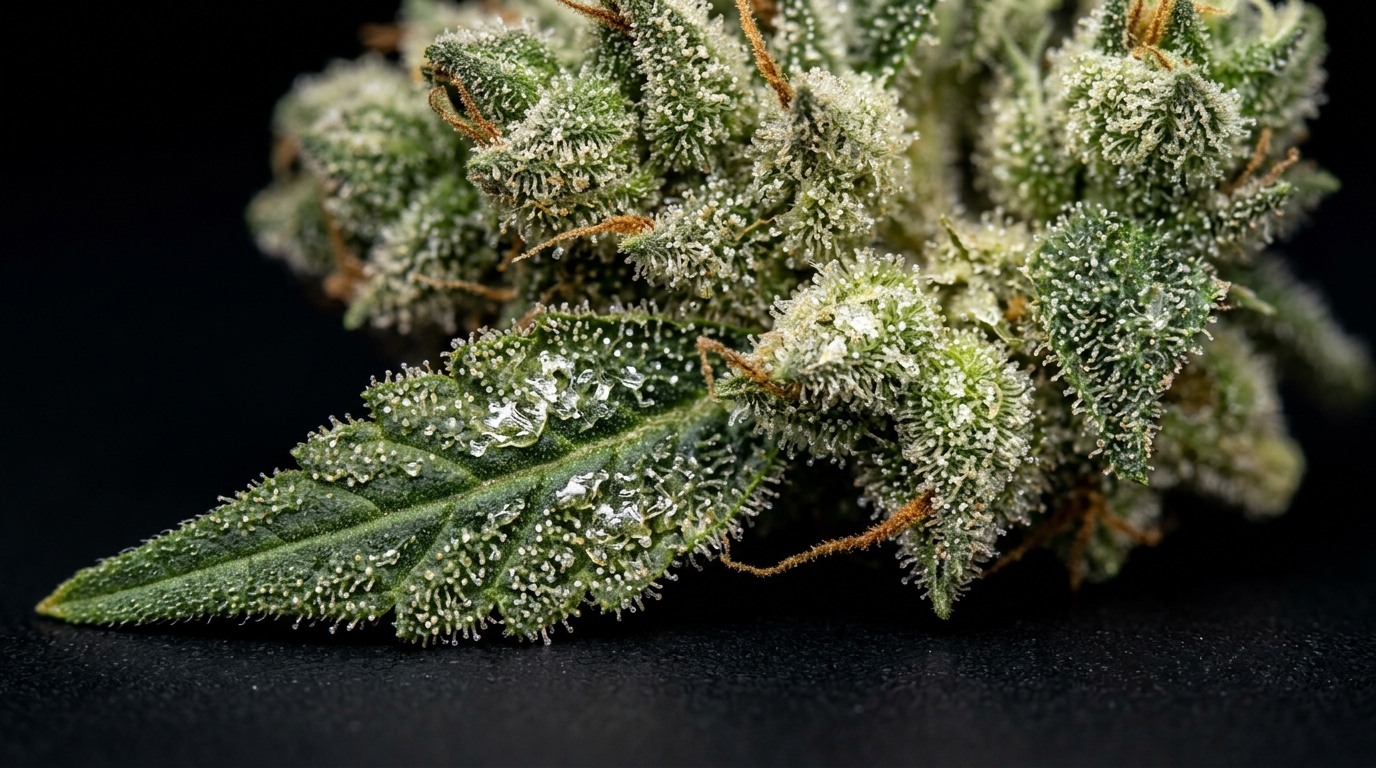
Look at trichome coverage under a loupe. Natural trichomes are stalked, with a mushroom-cap head that’s milky, clear, or amber depending on maturity. Sprayed substances tend to coat the surface differently, filling in gaps between trichomes and creating a glassy sheen without that characteristic stalk structure. The burn test is another classic check. Roll a small amount in white paper and burn it. Legitimate flower produces white to light gray ash. Dark or black ash suggests additives or contaminants. The smoke should also feel clean.
Check how it feels in your hand. Rub a small amount between your fingers. Sprayed glass or sand leaves a fine grit. Sugar coatings feel sticky in an artificial way, different from natural resin stickiness on a genuinely frosty nug. And always consider your source. Dispensary flower with a lab panel is far less likely to be sprayed than unpackaged product from an unlicensed seller.
Did you know? Pesticide and contaminant testing requirements vary dramatically by state. According to the PMC review “Into the Weeds: Regulating Pesticides in Cannabis”, the lack of federal oversight means each state sets its own testing thresholds, and many states still have significant gaps in post-harvest contaminant screening. That patchwork system is part of why sprayed products can slip through even in regulated markets.
Is Sprayed Weed Dangerous?
The health risk depends entirely on what it was sprayed with. Terpene-sprayed flower from a legitimate operation using food-grade isolates is a quality issue, not necessarily a safety emergency. But you rarely know what you’re dealing with when flower isn’t labeled.
Synthetic cannabinoids are the most serious concern. Research suggests these compounds can cause severe adverse reactions including rapid heart rate, psychosis, and seizures. They bind to cannabinoid receptors far more aggressively than natural THC, and the dose-response curve is unpredictable. Pesticide residues inhaled through combustion are also a real concern. Some pesticides that are relatively low-risk when ingested become significantly more toxic when burned. According to a PubMed review of pesticides in cannabis, combustion can transform certain compounds into more harmful byproducts.
Glass particles cause physical irritation to the throat and lungs. Heavy metals accumulate in tissue over time. If you suspect you’ve smoked sprayed weed and experience unusual symptoms, chest tightness, extreme anxiety, or physical irritation beyond normal smoke discomfort, take it seriously. Growing your own is the most reliable way to know exactly what’s in your flower. You control every input from day one.
Key Facts
✓ Sprayed weed is cannabis coated with external substances after harvest, not during the grow
✓ Common sprays include terpene isolates, synthetic cannabinoids, glass particles, sugar, and pesticides
✓ Sellers spray to boost apparent weight, potency, or visual appeal of low-quality flower
✓ Warning signs include chemical smell, glassy trichome coating, dark ash, and gritty texture
✓ Synthetic cannabinoid sprays carry the most serious health risks, including seizures and psychosis
✓ Regulated dispensary flower with lab testing is significantly less likely to be sprayed than unpackaged black market product
✓ The burn test (white ash = cleaner flower, black ash = potential additives) is a useful basic field check
Frequently Asked Questions
What is the difference between sprayed weed and regular weed?
Regular weed is cannabis grown, harvested, dried, and cured without post-harvest additives applied to the flower. Sprayed weed has had one or more external substances applied after harvest to manipulate weight, appearance, aroma, or perceived potency. A naturally frosted, terp-rich bud earned those qualities through genetics, proper growing conditions, and good post-harvest handling. Sprayed flower is faking some or all of those qualities, and the substances used to fake them may not be safe to inhale.
How do I tell if THCa flower is sprayed?
THCa flower from the hemp-derived market is a particular concern because it operates in a regulatory gray area with inconsistent testing. Use the same checks you’d apply to any flower. Smell it carefully for chemical undertones that don’t fit the supposed strain profile. Examine trichomes under magnification and look for unnatural coating patterns or a glassy film between trichome stalks. Burn a small amount and check the ash color. Genuinely potent THCa flower will have complex terps, natural-looking trichome structure, and clean white-to-gray ash. If the price seems too good for the claimed potency, factor that in too.
What’s the difference between sprayed weed and infused weed?
Legitimate infused products like caviar flower or moon rocks are intentionally made by coating flower in concentrates or kief, then clearly labeled and sold as such. The consumer knows exactly what they’re buying. Sprayed weed involves undisclosed additives applied to deceive the buyer into thinking flower is something it isn’t. Transparency is the dividing line. An infused product from a licensed producer with a clear label is a product category. Unlabeled flower secretly sprayed with terpenes or synthetics to fake quality is adulteration. Always check whether a product is labeled as infused before assuming the flower is naturally that potent. Our full cannabis glossary covers more terms related to flower quality and safety.
Is terp-sprayed weed safe?
It depends on the specific terpenes used, their purity, and the concentration applied. Food-grade terpene isolates at low concentrations are generally considered lower risk than synthetic cannabinoids or industrial chemicals. That said, some terpene isolates can be irritating to the respiratory system at elevated concentrations, and you rarely know the quality or quantity of what was applied. Research suggests inhaling any combusted additive carries some degree of risk beyond smoking clean, well-grown flower. The safest position is to seek out naturally terp-rich flower from verifiable sources rather than relying on sprayed enhancement.
The best protection against sprayed weed is knowing exactly where your cannabis comes from. Starting with quality genetics and growing your own puts you fully in control of every input from seed to smoke.