Mid weed (also called “mids”) is cannabis that falls in the middle of the quality spectrum, sitting above low-grade schwag or Reggie Weed but below top-shelf flower. It typically delivers moderate THC levels, decent but unremarkable aroma, and a functional high that gets the job done without breaking the bank. For everyday smokers, mids often represent the sweet spot between price and effect.
Reviewed by Travis Cole, Cannabis Culture Writer | Updated March 26, 2026
What Is Mid Weed?
Mid weed occupies the middle tier of the traditional cannabis quality hierarchy, historically divided into low-grade (reggie or schwag), mid-grade (mids), and high-grade (top-shelf or dank) flower. THC content in mid-grade cannabis typically falls somewhere in the 12 to 18 percent range, though that number varies by source. It is not a specific strain or growing method. It is a quality classification based on appearance, aroma, potency, and growing conditions.
I remember the first time I really understood what mids were. Back in my touring musician days, before I had a garden out back, mids were just Tuesday. You’d pass a joint around the van and nobody complained. The buzz was real. It just wasn’t going to blow your hat off like a proper top-shelf harvest would. Mids show up, punch a modest clock, and go home.
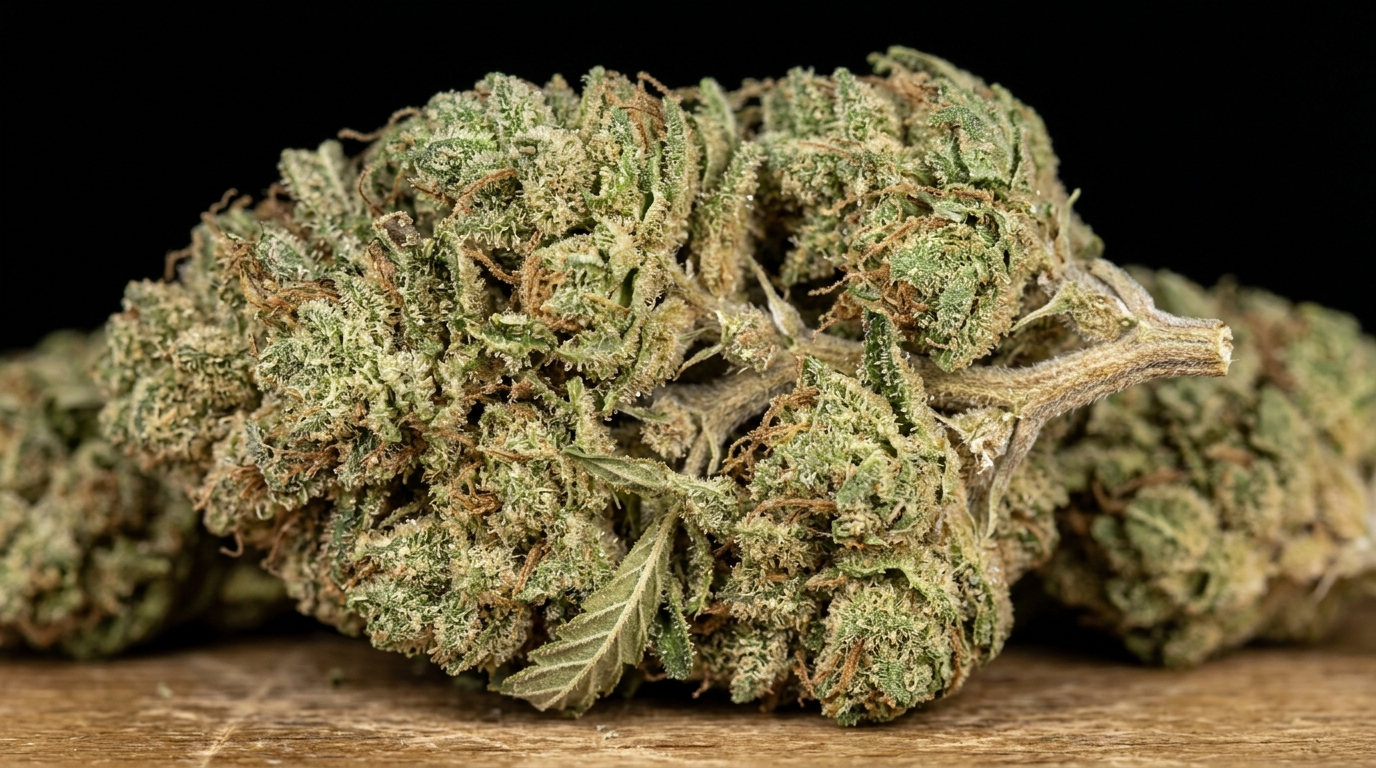
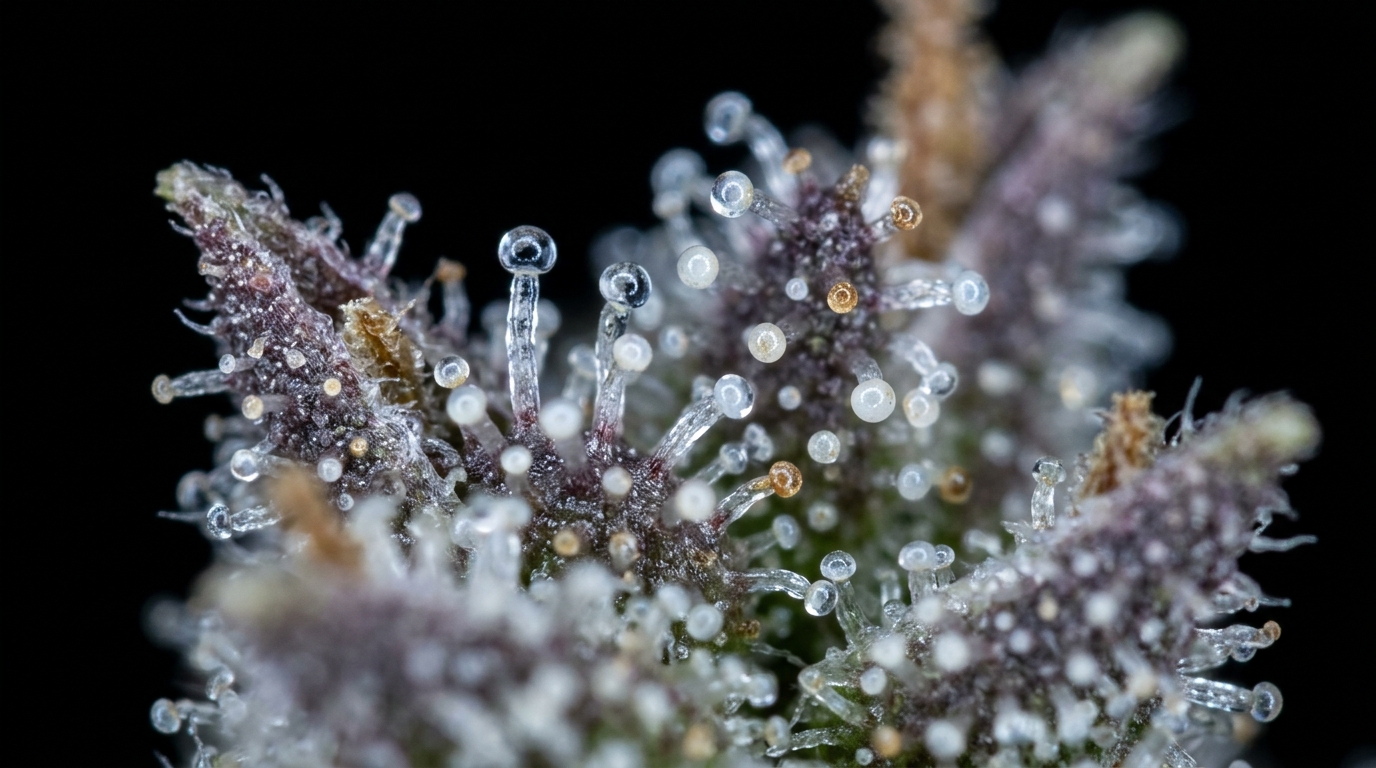
Visually, mid weed usually shows decent but not spectacular bud structure. You might see some visible Trichomes, a little orange pistil action, maybe some minor leaf matter left in the trim. The smell is present but not the room-filling aroma you get from premium flower. Colors tend toward lighter greens without the deep purples or frosty white coatings that signal a top-tier grow.
Why Mid Weed Still Matters
Despite the explosion of craft cannabis and high-potency genetics in legal markets, mid-grade flower still accounts for a significant portion of cannabis consumed across the United States. Price accessibility drives most of that reality. Not every session needs to be a premium experience.
Here’s the honest truth from someone who grows his own. Even experienced cultivators sometimes end up with mids. A plant that got stressed during a Texas heat wave, or one that finished a little early, or a pheno that just didn’t express its genetics as boldly as its siblings. That doesn’t make it trash. It makes it Tuesday weed. Good for a porch smoke while the brisket’s running low and slow, good for rolling into a joint you’re sharing with eight people who aren’t counting Terpenes.
Research published through StatPearls on NCBI Bookshelf notes that cannabis potency and effects vary widely based on cannabinoid concentration, growing conditions, and processing methods. Mid weed is a natural outcome of that variation. Not every plant is a champion.
In legal dispensary markets, mids often get sold as “value flower” or “budget flower.” Same concept, cleaner packaging. The stigma around mids is largely a pre-legalization relic from an era when quality grading was the only consumer protection available in an unregulated market.
Did you know? According to research published in Biological Psychiatry, average THC concentrations in cannabis have risen dramatically over recent decades. That means what was considered top-shelf potency in the 1990s would likely classify as mid-grade by current dispensary standards in states like Colorado and California.
How to Identify Mid Weed
Recognizing mid-grade cannabis comes down to sensory and visual cues that any regular smoker learns to read quickly. Once you’ve held enough flower in your hands, you just know.
The smell is your first signal. Top-shelf flower hits you the second you crack the jar. Mids have a smell, sometimes a decent one, but it’s quieter. Less complex. You might catch a hint of the strain’s character without the full orchestra. The Terpenes are there, just turned down a few notches.
Structure is the next tell. Mid buds are often a bit looser than premium flower, sometimes showing more leaf matter in the trim. They’re not the tight, resin-heavy nuggets you’d see from a meticulously grown top-shelf harvest. That said, they’re a long way from the seedy, stemmy mess of actual reggie. Think of it like the difference between a great BBQ joint, a solid neighborhood spot, and a gas station hot dog. Mids are the neighborhood spot. Respectable. Gets the job done.
Effects land in that moderate zone. You’ll feel it. Research from a study reviewing cannabis impacts on cognition confirms that cannabinoid concentration directly influences psychoactive intensity. Mid weed’s lower cannabinoid density means a milder, more manageable experience. Some people actually prefer that for daytime use or social situations where you want a buzz without being completely couch-locked.
Key Facts
✓ Mid weed typically contains moderate THC levels, generally estimated in the 12 to 18 percent range, varying widely by source and genetics
✓ The term “mids” is slang for mid-grade cannabis, sitting above reggie/schwag and below top-shelf or premium flower
✓ Identified by moderate aroma, imperfect bud structure, visible but not heavy trichome coverage, and a functional but not intense high
✓ In legal dispensary markets, mid-grade cannabis is frequently marketed as “value flower” or “budget flower”
✓ Growing stress, early harvest, poor curing, or suboptimal genetics can all produce a mid-grade outcome even from experienced cultivators
✓ Rising average potency means products once considered top-shelf in the 1990s would likely classify as mids by current market standards
Frequently Asked Questions
Is mid weed worth buying?
Depends entirely on what you need it for. For casual daily use, social smoking, or rolling joints for a crowd, mids are perfectly functional and considerably cheaper than premium flower. If you’re chasing the full terpene experience and peak potency that quality genetics can deliver, top-shelf wins. It’s less about better or worse and more about what the moment calls for. My porch sessions with the neighbors don’t require the same flower as a quiet solo evening I’ve been looking forward to all week. You can explore more quality-related terms in our cannabis glossary.
Does mid-grade weed still exist in legal markets?
Absolutely. Legal dispensaries just use different language for it. Terms like “value flower,” “budget tier,” or “everyday flower” all describe what the cannabis community has always called mids. Legal markets actually made the tiers more transparent because you can see lab-tested THC percentages right on the label. A tested product at 13 percent THC from a budget shelf is, by modern standards, mid-grade flower. The quality spectrum didn’t disappear with legalization. It just got better labeling.
What does mid weed taste like?
Mid weed has a present but muted flavor profile. You might catch the general character of the strain, a hint of earthiness, maybe a little citrus or pine, but it won’t be the bold, complex terpene experience you’d get from a well-grown, properly cured premium flower. The smoke can be slightly harsher, and the aftertaste is often more generic “cannabis” than anything strain-specific. Think of it like a decent house wine. It tastes like wine. It does what wine does. It just doesn’t have the depth of a bottle you saved for a special occasion.
Can you avoid growing mids?
Nobody sets out to grow mids, but it happens. Environmental stress, suboptimal nutrients, genetics that didn’t express well, an early harvest, or a rushed cure can all pull your results down from top-shelf. I’ve pulled plants off my outdoor grow that I was genuinely proud of, only to find after curing that one or two just didn’t hit the way their siblings did. Starting with quality genetics, dialing in your environment, and giving your harvest a proper slow cure are the main ways to push toward top-shelf and away from mid territory.
Tired of settling for mids? It starts with the seed. Growing your own from quality genetics is the most reliable path to top-shelf flower, and we’ve got outdoor-ready strains that give you every advantage from the jump.