Good weed is dense, aromatic, trichome-rich flower that delivers a clean, consistent high with complex flavors. Bad weed is dry, harsh, weak, or potentially contaminated cannabis that disappoints at best and harms you at worst. If you’re buying or growing, learning to read color, smell, structure, and moisture will tell you almost everything you need to know before you ever light up.
Reviewed by Travis Cole, Cannabis Culture Writer | Updated April 4, 2026
I’ve been growing outdoors in Central Texas for going on eight years now, and I’ve smoked everything from gas-station-parking-lot schwag to hand-trimmed, slow-cured craft flower that made me sit on my porch and stare at the stars for two solid hours. The difference between good weed and bad weed isn’t just about getting high. It’s about the whole experience, from the moment you crack open the jar to the way you feel the next morning. This entry in our cannabis glossary breaks it all down so you never get burned again.
What Is Good Weed?
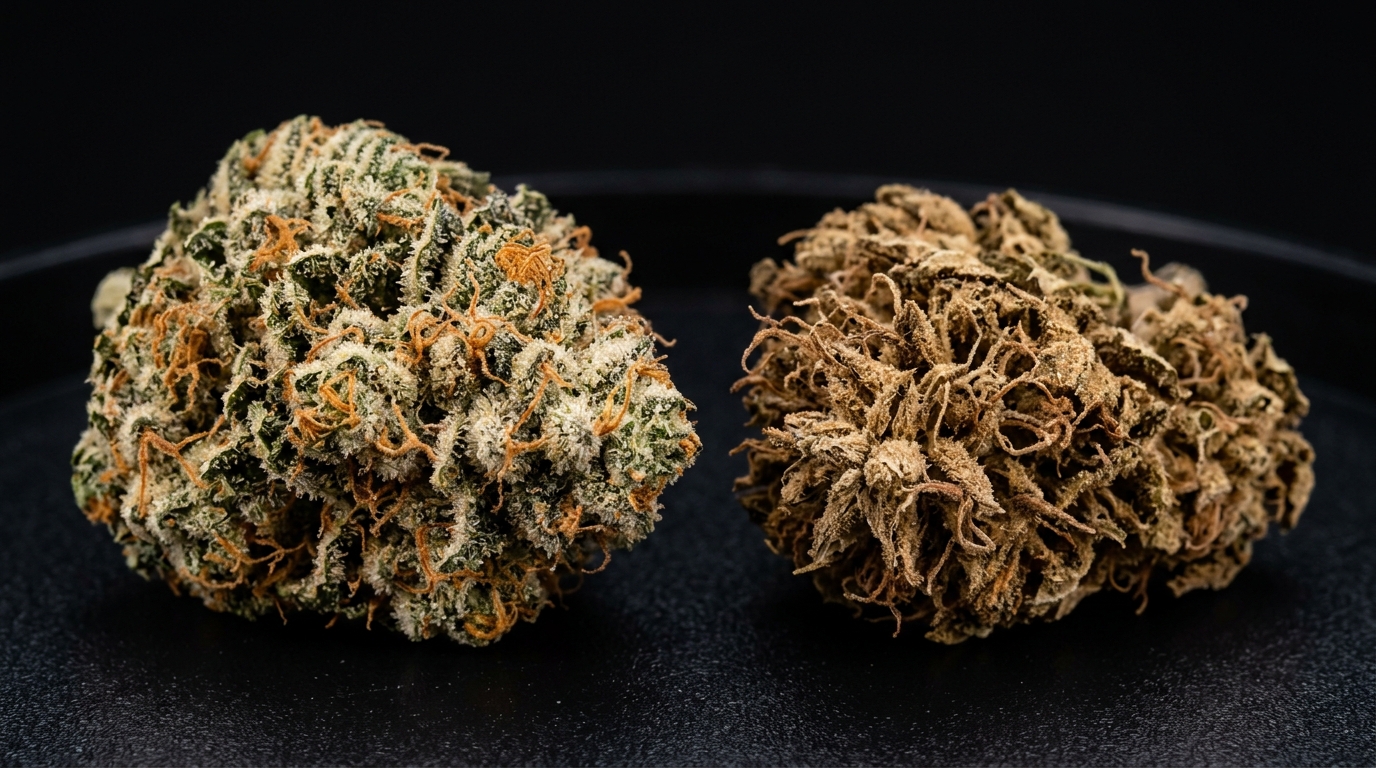
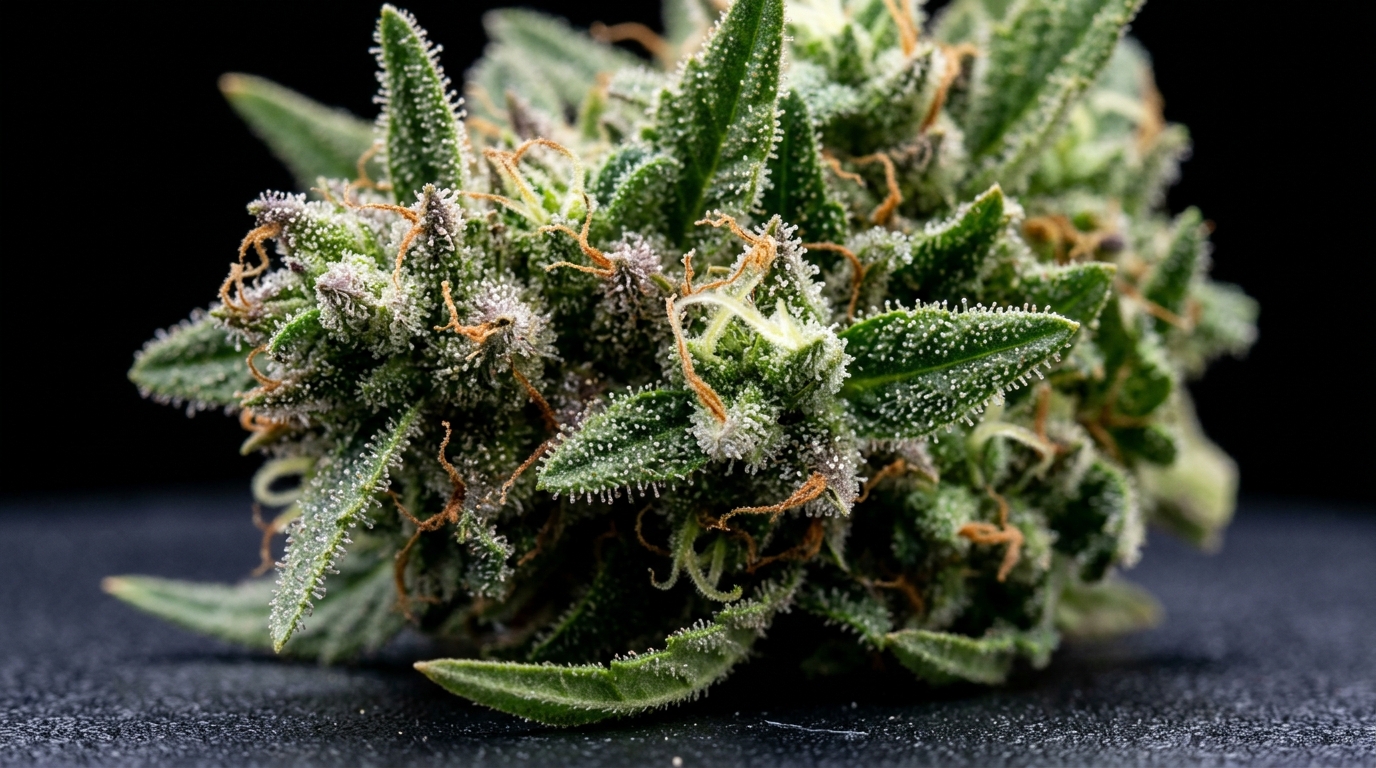
Good weed is high-quality cannabis flower characterized by dense bud structure, vibrant coloration, a rich terpene aroma, and a generous coating of Trichomes. It’s properly grown, flushed, dried, and cured, producing a smooth smoke or vapor with consistent, enjoyable effects. Good weed is sometimes called Chronic or Dank in street slang, and it earns those names.
What Is Bad Weed?
Bad weed is cannabis that falls short due to poor genetics, improper growing conditions, contamination, or bad curing and storage. It ranges from mediocre Mid Weed and dry Reggie Weed all the way to genuinely dangerous Sprayed Weed or PGR Weed treated with synthetic plant growth regulators. Bad weed can mean a weak high, a harsh smoke, or real health risks depending on what went wrong.
Key Differences
| Quality Indicator | Good Weed | Bad Weed |
|---|---|---|
| Color | Vibrant greens, purples, deep blues | Brown, yellow, faded, or uneven |
| Aroma | Strong, complex, strain-specific smell | Hay, mold, chemical, or no smell at all |
| Trichome Coverage | Thick, shimmering frost visible to naked eye | Sparse, dull, or absent resin glands |
| Bud Structure | Dense, well-formed, properly trimmed | Airy, loose, seedy, or overly compact (PGR) |
| Moisture Level | Slight give when squeezed, not crumbly | Bone dry and crumbles, or wet and spongy |
| Pistils | Bright orange, red, or pink hairs | Dark brown, sparse, or missing |
| Smoke/Vapor | Smooth, flavorful, clean ash | Harsh, chemical taste, black or uneven ash |
| Effects | Consistent, enjoyable, strain-appropriate high | Weak, anxious, headache-inducing, or no effect |
| Seeds/Stems | Seedless (sinsemilla), minimal stem weight | Full of seeds and thick stems |
| Safety | Clean, lab-tested or visibly contaminant-free | May contain mold, pesticides, or PGRs |
When to Choose Good Weed
Honestly? Always. But let me tell you what I mean by that in practical terms, because the situations where quality really shows its face are worth knowing.
When you’re sitting around a fire pit with people who appreciate the craft, good weed does the talking for you. I’ve passed around Sunset Sherbet at a backyard BBQ and had people who barely smoke put down their beers just to pay attention to what they were tasting. That’s what properly grown, well-cured flower does. It commands the room.
Good weed is the call when you’re medicating with intention. Research suggests that the full spectrum of Cannabinoids and Terpenes working together, what researchers call the entourage effect, produces more complete effects than isolated compounds alone. According to reporting covered by the NIH on the entourage effect, the interaction between THC, CBD, and terpenes shapes the character of your experience significantly. Cheap, terpene-dead weed just can’t replicate that.
Good weed matters most when you’re new to cannabis. Starting with harsh, inconsistent flower is a fast way to have a bad first experience and write off something that might genuinely help you. A smooth, well-grown Girl Scout Cookies or a mellow Blue Dream introduces people to the plant the right way.
And if you’re growing your own, good weed is the entire goal. I’ve spent whole summers nursing outdoor plants through Texas heat, doing proper Flushing before harvest, and slow-drying in my garage to pull out every bit of flavor those plants have. The payoff is a jar of flower that smells like a candy shop and hits clean every single time. Check out our guide on when to harvest cannabis to nail the timing that separates good weed from great weed.
When to Choose Bad Weed
Short answer: you don’t. But the longer answer is that sometimes people end up with lower-quality flower without choosing it, and knowing what you have changes how you use it.
Dry, older flower that’s lost its terpene punch but isn’t moldy or contaminated? That’s a candidate for edibles. I’ve taken bags of dry, flavorless bud and turned them into perfectly good cannabutter. The Terpenes are gone, but the cannabinoids survive decarboxylation just fine. Our cannabis edibles guide walks through exactly how to do that without wasting anything.
Shake from the bottom of a good bag is technically lower-quality flower, but it’s not bad weed in the dangerous sense. It’s just broken-up bud. Roll it into joints, toss it in a bowl, or use it for cooking.
Here’s where I draw a hard line, though. Weed that smells like chemicals, mildew, or ammonia should never be smoked. Sprayed Weed laced with synthetic cannabinoids or pesticides is genuinely dangerous. PGR Weed grown with plant growth regulators produces dense-looking buds that are harsh, tasteless, and potentially harmful. Research published on cannabis and lung health highlights that combustion byproducts are already a concern with clean cannabis; adding chemical contaminants makes that risk significantly worse. If it smells wrong, looks wrong, or leaves a chemical aftertaste, throw it out. Full stop.
Does bad weed get you high? Sometimes, a little. Reggie Weed with low THC content can still produce mild effects, but you’ll need a lot more of it, and the experience tends to be flat and forgettable. It’s not worth the headache, literally and figuratively.
Did you know? Cannabis quality testing varies dramatically by state. According to the Texas Department of Public Safety Crime Laboratory, unregulated market cannabis in Texas has no mandatory testing requirements, meaning buyers in non-legal states have no official way to verify potency, pesticide levels, or contaminant status. In contrast, regulated states like Colorado require testing for pesticides, heavy metals, and microbial contamination before flower reaches dispensary shelves.
Frequently Asked Questions
What does good weed look like?
Good weed looks alive. Dense buds with bright greens, sometimes purple or blue hues depending on the strain, covered in a shimmering layer of Trichomes that catch the light like tiny crystals. Orange, red, or pink pistils (those little hairs) should be visible throughout the bud. Trim should be clean, with no excess leaf material and no visible seeds. If a bud looks dull, brown, or dusty without that frosty coating, it’s not going to impress you. Our post on why weed turns purple explains how genetics and environment create those vivid colors you see in top-shelf flower.
What happens if you smoke bad weed?
It depends on what kind of “bad” you’re dealing with. Old, dry, terpene-depleted weed will give you a harsh, flavorless smoke and a weak, possibly headache-inducing high. Moldy weed can cause respiratory irritation and, in people with compromised immune systems, more serious lung issues. Research suggests that inhaling mycotoxins from mold-contaminated cannabis poses real health risks. Chemically contaminated or Sprayed Weed is the worst case, potentially causing rapid heart rate, nausea, paranoia, or worse. If the smoke tastes like chemicals or plastic, stop immediately and don’t go back to that source.
How do I tell good weed from bad weed without smoking it?
Use all five senses before you light anything. Smell it first: good weed has a strong, strain-specific aroma, whether that’s citrus, pine, fuel, or berries. No smell means no terpenes, which usually means a disappointing experience. Squeeze it gently: it should have slight give without crumbling or feeling wet and spongy. Look for that trichome frost and bright coloration. Check for seeds, which signal poor growing conditions or hermaphrodite plants. And if you have access to lab testing data, look for a full panel that includes cannabinoid percentages, terpene content, and a clean pesticide screen. Growing your own is honestly the surest way to know exactly what you’re getting. Our complete home growing guide is a solid place to start.
Can bad weed still get you high?
It can, though the experience tends to be underwhelming. Low-grade cannabis like Reggie Weed or old, dried-out flower may still contain some THC, enough to produce mild effects if you use enough of it. But the high is often flat, short-lived, and accompanied by a harsh smoke and a dull headache. The Terpenes that shape mood, depth, and character of a high are usually long gone in bad weed, so even if the THC is there, the experience is a fraction of what well-grown flower delivers. For most people, it’s a poor trade-off.
The best way to guarantee good weed is to grow it yourself, starting with quality genetics. Browse our selection of premium outdoor seeds bred for potency, aroma, and yield.