
Mimosa is a sativa cannabis strain with 26% THC and myrcene-dominant terpenes, known for its citrus flavor profile and happy and uplifted effects. Commonly chosen by those managing anxiety, stress, depression.
Quick Facts: Mimosa
| Strain Type: | Sativa |
| THC Content: | 26% |
| CBD Content: | <1% |
| Primary Effects: | Happy, Uplifted, Energetic, Relaxed, Focused |
| Flavors: | Citrus, Orange, Grapefruit, Apricot |
| Growing Difficulty: | Moderate |
| Flowering Time: | 9-10 weeks |
| Best For: | Anxiety, Stress, Depression, Fatigue, Ptsd |
Last updated: March 7, 2026
There’s a Sunday vibe that Mimosa just *owns*, the kind where you’re half-planning to be productive and half-committed to doing absolutely nothing. I was at a friend’s place, someone passed me a bowl, and thirty minutes later I was genuinely excited about reorganizing my bookshelf. That’s the Mimosa effect. Mimosa is a sativa-dominant hybrid cannabis strain crossed from Clementine and Purple Punch, with THC levels of 26%. With over 1,165 community reviews averaging 4.44/5, this strain has earned its reputation as one of the most consistently loved daytime cultivars out there.
Effects and Experience
Mimosa’s primary effects are happiness and uplift, with Most users reporting a happy effect and 64% reporting feeling uplifted. The onset is relatively quick for a sativa-dominant, expect to feel it within 10 to 15 minutes. What’s interesting is the paradox baked into this strain: Many users describe it as energetic, while 53% simultaneously describe it as relaxing. That’s not a contradiction, that’s the sweet spot. The first 30 minutes are where the magic lives. Your mood lifts noticeably, creativity kicks in, and there’s this pleasant mental clarity that makes you want to *do* things. Not like, run a marathon. More like text your friend back, start a playlist, maybe finally write that email you’ve been avoiding. Around the 45-minute mark, the body settles into a gentle relaxation that doesn’t drag you down. It’s the kind of high that lets you function, actually function. The comedown is smooth, not jarring. The one caveat that keeps coming up across community reviews is duration, some users feel the high is shorter-lived than expected, which means you might reach for it more frequently than other strains. Many users also report feeling focused, which makes this genuinely useful for creative work or social situations where you want to be present without being couch-locked.
“Mimosa is the strain I recommend to people who say they ‘can’t smoke during the day’ because it makes them anxious or foggy. It genuinely doesn’t do that to me, it’s more like a green tea energy than a double espresso. The creativity boost is real, and I’ve had some of my best writing sessions after a bowl of this.”
, Jessica Reed, Cannabis Lifestyle Writer & Product Reviewer
Maya Chen actually explained something useful here, the limonene in Mimosa (0.17%) contributes to that mood-lifting, anxiety-reducing quality, while the myrcene at 0.61% is what softens the edge and keeps it from feeling overwhelming. Science doing its thing.
| Effect Category | Intensity (1-10) | Onset | Duration |
|---|---|---|---|
| Euphoria | 9/10 | 10-15 min | 1.5-2 hrs |
| Relaxation | 6/10 | 20-25 min | 1-1.5 hrs |
| Creativity | 8/10 | 15-20 min | 1.5-2 hrs |
| Pain Relief | 5/10 | 20-30 min | 1-1.5 hrs |
| Appetite | 4/10 | 30-45 min | 1 hr |
| Sedation | 2/10 | 45+ min | 30-45 min |
Best time of day? Morning to early afternoon, no question. This is not a 10 PM strain unless you’re okay being wide awake at 2 AM with opinions about your furniture arrangement.
Appearance, Aroma and Flavor Profile
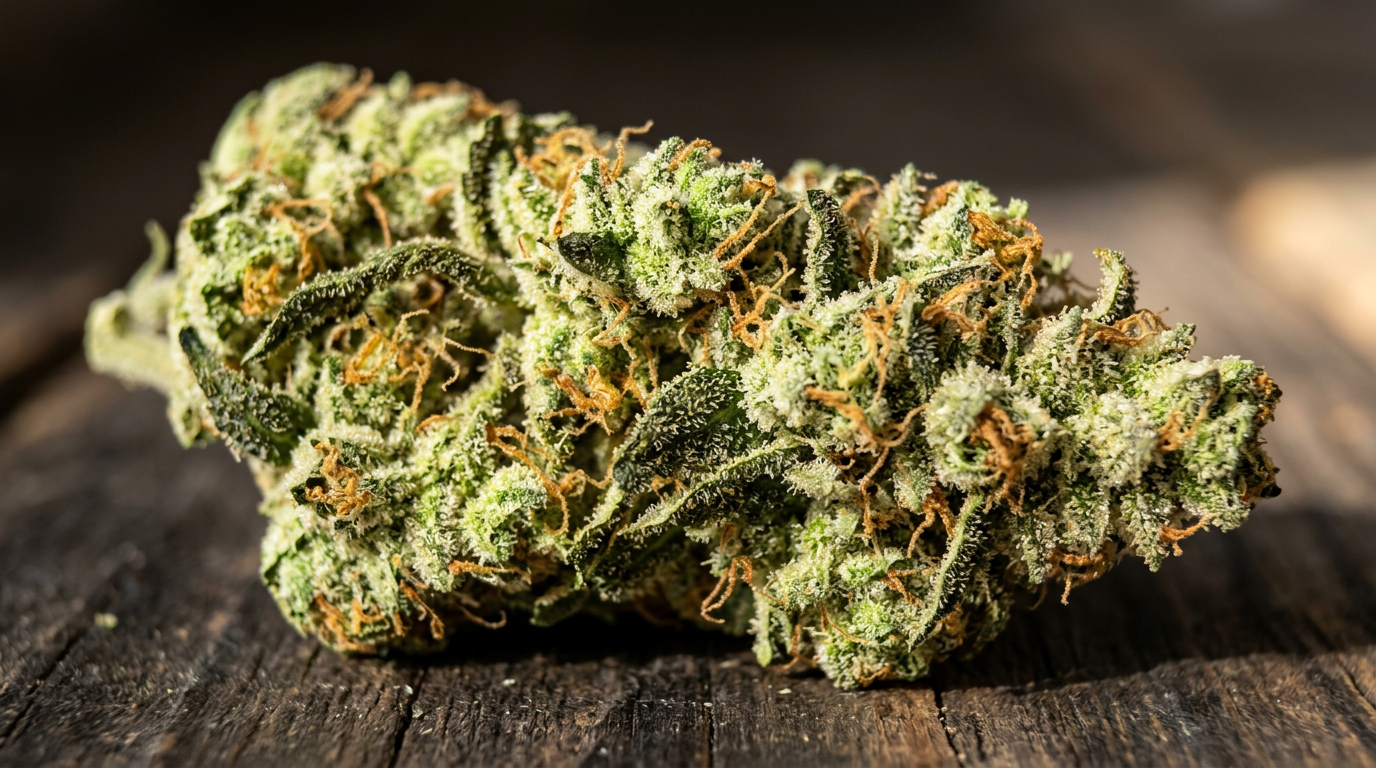
The dominant terpene in Mimosa is myrcene at 0.61%, giving it an earthy, herbal base that grounds the whole aromatic experience. But what you actually *smell* first is citrus, bright, candy-orange, almost like someone peeled a tangerine right next to you. That’s the limonene (0.17%) doing its thing, and it’s backed up by pinene at 0.39% which adds a crisp, almost minty freshness underneath. The buds are dense and sticky. Like, genuinely sticky, users on r/microgrowery describe the tactile experience as leaving a “grease residue” on your fingers, which sounds weird but is actually a sign of serious terpene richness. The nugs are frosty with trichomes, compact, and well-structured. A good cure on Mimosa gives you buds that look almost artificially perfect. Flavor-wise, expect orange candy on the inhale, sweet, fruity, with a slight grape note on the exhale that catches you off guard in the best way. The minty pinene note shows up on the finish and keeps it from being cloying. Caryophyllene at 0.19% adds a subtle spice that rounds out the whole profile. It’s genuinely one of the better-tasting strains I’ve had, complex without being confusing.
Medical Benefits and Therapeutic Uses
The most commonly reported medical use for Mimosa is anxiety relief, followed closely by stress and depression management, according to community data from over 1,165 reviews. That uplifting, mood-elevating effect profile makes it a natural fit for people dealing with low-grade depression or stress-related tension, the kind that doesn’t need sedation, just a mental reset. At 26% THC, Mimosa isn’t subtle. For medical users, that potency means you don’t need much to feel the therapeutic effects, which is worth keeping in mind if you’re newer to cannabis or have a lower tolerance. Start low, especially if anxiety is what you’re treating, too much THC can paradoxically increase anxiety in sensitive users. There’s also an interesting community report around a terpene called farnesene, which some users credit for helping with arthritis-related discomfort. This isn’t widely documented in standard strain databases, but research on cannabis terpenes and their anti-inflammatory properties does suggest that minor terpenes can play a meaningful role in pain modulation. For focus and mental clarity, Many users report feeling focused after using Mimosa, which makes it potentially useful for people dealing with attention difficulties who want a daytime option that doesn’t leave them foggy. One thing I always tell people, if you’re using this for anxiety, stick to the lower end of your dose range. The energizing quality is great therapeutically, but it can tip into overstimulation if you overdo it.
Disclaimer: This article is for informational purposes only and does not constitute medical advice. Always consult with a qualified healthcare professional before using cannabis for medical purposes.
Best Ways to Consume Mimosa
The recommended vaporization temperature for Mimosa is 170°C to 185°C (338°F to 365°F) to preserve its terpene profile, specifically that limonene and myrcene combination that makes this strain taste so distinctly like orange candy. Vaping is honestly my preferred method for Mimosa. At lower temps (around 170°C), you get a clean, citrusy vapor that highlights the flavor without combustion getting in the way. It’s the most efficient way to experience what makes this strain special. A dry herb vaporizer is ideal here. Smoking in a glass piece works well too, the flavor comes through clearly, and you get the full terpene experience. Papers are fine but can mute some of the subtler notes. If you’re rolling, go thin. Edibles are a different conversation. The energizing, uplifting quality of Mimosa translates well into an edible format for daytime use, but onset is obviously delayed (60-90 minutes) and duration is much longer. If you’re going the edible route, dose conservatively, 26% THC flower makes for potent extractions.
💡 Quick tip: Try Mimosa in the morning before a creative project, the 10-15 minute onset is fast enough that you can time it intentionally without losing your window.
Concentrates and live resin of Mimosa are worth seeking out if you can find them, the terpene profile is exceptional enough that a concentrate that preserves those terps is a genuinely elevated experience.
Origins and Genetics of Mimosa
Mimosa is a sativa-dominant hybrid created by crossing Clementine and Purple Haze-adjacent genetics, specifically, its parentage is Clementine and Purple Punch. Clementine brings the citrus-forward terpene profile and the uplifting sativa energy, while Purple Punch contributes the fruity depth, the body relaxation, and those gorgeous dense buds. It’s a cross that makes complete sense once you taste it. The strain is primarily attributed to Symbiotic Genetics, and it’s been picked up by notable breeders including Barney’s Farm and Fast Buds (who offer an autoflowering version). The combination of a flavorful sativa and a fruity indica-leaning parent gave breeders exactly what they were looking for: a daytime strain that actually tastes good. Several phenotype variants have emerged since the original release, Purple Mimosa, Mimosa Evo, Mimosa Cake (Fast Buds), Burmese Mimosa, and Strawberry Mimosa all exist in the market. Each has slightly different characteristics, which is part of why you’ll see some variation in grow reports and consumer experiences. The Mimosa X Orange Punch Seeds cross is particularly popular among home growers who want to push the citrus terpene profile even further. It became popular quickly because it filled a gap: a high-THC, great-tasting, genuinely functional daytime strain that wasn’t just another diesel or haze variant.
What the Community Says About Mimosa
Among community platform 1,165 reviews, one of the most consistent themes isn’t the effects, it’s the *smell*. Multiple reviewers describe Mimosa as one of the best-smelling strains they’ve ever encountered, with the orange candy aroma coming up again and again as something that genuinely surprises people. That’s not typical review hyperbole. The terpene data backs it up. On Reddit’s r/microgrowery, growers consistently praise Mimosa for its responsiveness to training techniques like topping and LST. One grower described it as a strain that “stacks fat” when trained properly, meaning yield optimization is very achievable for home cultivators willing to put in the work. The compact node spacing (reportedly 3.5 to 6 inches) makes it manageable even in smaller grow spaces. Several r/microgrowery threads also highlight the phenotype variability issue honestly, most Mimosa grows flower in the expected 9 to 10 weeks, but some phenotypes have taken 13+ weeks without fully completing. If your seeds come from a less stable batch, patience is required. Honestly, the OCS Canada 26% THC batch that’s been discussed online sounds like the benchmark, dense, well-cured nugs that deliver on everything the strain promises. That’s the experience you’re chasing.
Growing Mimosa: Complete Guide
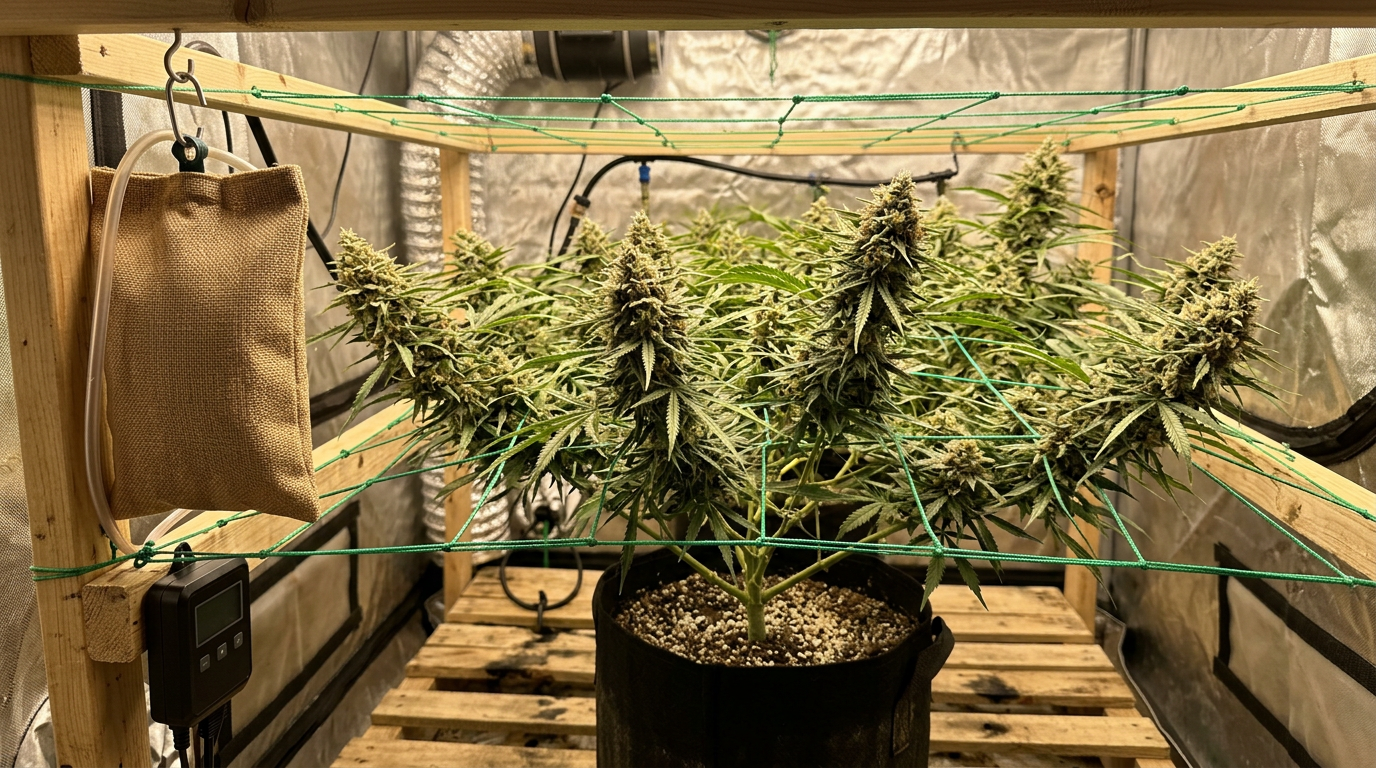
Mimosa’s flowering time is 9 to 10 weeks indoors, making it a moderately fast finisher for a sativa-dominant strain. Difficulty level is beginner-friendly to intermediate, it responds well to training and doesn’t seem to have the pest or mold issues that plague some other high-terpene cultivars. Indoor growers on r/microgrowery report that topping and LST (low-stress training) produce noticeably better yields. The plant has consistent node spacing and a manageable structure, which makes training straightforward. It can stay compact, one grower documented a healthy plant at just 19 inches in a 1L airpot, so it works in smaller setups. Yield data is moderate to high depending on phenotype, but exact gram-per-square-meter figures aren’t consistently reported across grow logs. What *is* consistent is the frostiness, Mimosa produces heavily trichome-coated buds that look impressive at harvest.
The one real challenge is phenotype variability. If you’re sourcing seeds rather than clones, be prepared for some variation in structure and timeline. The upside: even the slower phenotypes tend to produce quality flower. Want to try growing Mimosa yourself? Get Mimosa seeds here, discreet packaging and germination guarantee included.
Mimosa vs Similar Strains
Choosing between Mimosa and similar strains comes down to what you want from your daytime session, here’s how it stacks up against three close comparisons.
Mimosa vs Sour Diesel
Both are go-to daytime strains with energizing, uplifting effects, but they get there differently. Sour Diesel is myrcene and caryophyllene-forward with that sharp diesel funk, while Mimosa leads with citrusy sweetness from its Clementine parent. If you want the creative energy without the fuel-forward flavor, Mimosa is the move. Sour Diesel tends to hit harder on the cerebral end; Mimosa brings more body balance.
Mimosa vs Jack Herer
Jack Herer is a terpinolene-dominant sativa with a more piney, spicy profile and a classic clear-headed high. Mimosa at 26% THC generally hits harder than most Jack Herer phenotypes, and the fruity flavor profile is completely different. Jack Herer is the better choice if you want a longer-duration, more cerebral-only effect. Mimosa wins on flavor and the relaxation-energy balance.
Mimosa vs Do-Si-Dos
Do-Si-Dos is a limonene-dominant indica hybrid, it shares some of the citrus terpene character with Mimosa but lands in a very different place effect-wise. Do-Si-Dos is heavier, more sedating, and better suited for evening use. If you accidentally grab Do-Si-Dos thinking it’ll give you the same daytime energy as Mimosa, you will be on your couch. Lesson learned.
| Strain | Type | THC | Key Effects | Growing |
|---|---|---|---|---|
| Mimosa | Sativa-dominant hybrid | 26% | Happy, Uplifted, Creative | Beginner-Intermediate |
| Sour Diesel | Sativa-dominant | ~20-25% | Energetic, Cerebral, Focused | Intermediate |
| Jack Herer | Sativa-dominant | ~18-23% | Clear-headed, Creative, Uplifted | Intermediate |
| Do-Si-Dos | Indica-dominant hybrid | ~28-30% | Relaxed, Happy, Sleepy | Intermediate |
Potential Side Effects and Precautions
The most common side effects of Mimosa are dry mouth and dry eyes, standard stuff for a high-THC strain. Have water nearby. That’s just table stakes at this point. At 26% THC, overconsumption is a real risk for newer users or anyone with lower tolerance. The energizing quality that makes Mimosa great in moderate doses can tip into anxiety or racing thoughts if you take too much. This is especially worth noting if anxiety is something you already deal with, start with a small amount and wait the full 15 minutes before deciding you need more.
💡 Quick tip: If you’re new to high-THC sativa-dominant strains, try Mimosa in a comfortable, familiar setting first, the uplifting energy is great but can feel intense in unfamiliar environments.
People who are sensitive to THC-induced anxiety, those who are pregnant or nursing, and anyone on medications that interact with cannabis should avoid this strain or consult a healthcare provider first. The lack of significant CBD content means there’s less of a natural buffer against THC’s more stimulating effects.
Frequently Asked Questions
What strains are Mimosa’s parent strains?
Mimosa is a cross between Clementine and Purple Punch. Clementine contributes the citrus-forward terpene profile and sativa energy, while Purple Punch adds fruity depth, body relaxation, and dense bud structure. This combination is why Mimosa delivers both uplifting mental effects and a gentle physical ease simultaneously.
How long does Mimosa take to flower indoors?
Mimosa’s standard flowering time is 9 to 10 weeks indoors. Some phenotypes, however, have been reported to run 13 or more weeks, this is less common but worth knowing if you’re planning a grow. Checking trichome development with a loupe is the most reliable way to determine harvest readiness rather than relying solely on the calendar.
Why does Mimosa feel both energizing and relaxing at the same time?
This is the paradox that makes Mimosa interesting. Community data from over 1,165 reviews shows 55% reporting energetic effects and 53% reporting relaxation, nearly equal. The likely explanation is the terpene combination: myrcene (0.61%) provides a calming, body-softening quality while limonene (0.17%) elevates mood and mental energy. The result is an alert-but-not-wired feeling that most users find genuinely pleasant.
What does Mimosa taste like?
Mimosa tastes primarily like orange candy, sweet, citrusy, and distinctly fruity. On the exhale, many users notice a grape undertone from the Purple Punch parentage. Pinene adds a light minty freshness, and caryophyllene contributes a subtle spice on the finish. It’s consistently described as one of the better-tasting strains available, which tracks with its terpene richness.
What is the difference between Mimosa and Purple Mimosa?
Purple Mimosa is a phenotype variant of the original Mimosa strain that expresses more of the Purple Punch genetics visually, typically showing purple and violet hues in the buds due to anthocyanin expression, often triggered by cooler temperatures during late flower. The effect and flavor profiles are similar, but Purple Mimosa tends to lean slightly more toward the indica side of the spectrum. The standard Mimosa is more consistently sativa-dominant in its effects.
If you’re looking for a daytime strain that actually earns its spot in your rotation, Mimosa is a genuinely strong choice, especially if you’re the kind of person who wants to be functional and in a good mood at the same time. My honest social advice: bring this one to a creative hangout, a morning hike, or a brunch situation where you want to be present and chatty. It’s not the strain for zoning out. It’s the strain for showing up.
Related Strains You Might Enjoy
If you enjoyed this strain, you might also like Blue Dream, AK-47, Runtz, Purple Haze, Gary Payton, and Strawberry Cough.