
Do-Si-Dos is a hybrid cannabis strain with 19-25% THC and limonene-dominant terpenes, known for its sweet flavor profile and relaxed and happy effects. Commonly chosen by those managing stress, pain, insomnia.
Quick Facts: Do-Si-Dos
| Strain Type: | Hybrid |
| THC Content: | 19-25% |
| CBD Content: | 0.1-0.5% |
| Primary Effects: | Relaxed, Happy, Euphoric, Sleepy, Uplifted |
| Flavors: | Sweet, Earthy, Vanilla, Cookies, Floral |
| Growing Difficulty: | Easy |
| Flowering Time: | 8-9 weeks |
| Best For: | Stress, Pain, Insomnia, Anxiety, Depression |
Last updated: March 7, 2026
There’s something genuinely surprising about Do-Si-Dos’s terpene profile, and I say that as someone who has analyzed hundreds of strain profiles over the years. Most indica-dominant hybrids lead with myrcene, that heavy, sedating terpene that anchors the classic “couchlock” experience. Do-Si-Dos breaks that pattern. Its dominant terpene is limonene at 0.42%, closely chased by caryophyllene at 0.41%, a combination that gives this strain a brightness and complexity you wouldn’t expect from something this relaxing. Do-Si-Dos is an indica-dominant hybrid cannabis strain crossed from Girl Scout Cookies and Face Off OG, with THC levels of 19-25%. With a community rating of 4.64 out of 5 across 1,259 reviews, the data backs up what the terpene chemistry predicts.
Origins and Genetics of Do-Si-Dos
Do-Si-Dos is a cross between Girl Scout Cookies and Face Off OG, two strains that bring very different things to the table. Girl Scout Cookies, itself a descendant of OG Kush and Durban Poison, contributes that sweet, dessert-forward terpene complexity and the cerebral lift that made it one of the most replicated genetics of the last decade. Face Off OG, a rare indica-dominant phenotype of OG Kush, pulls the profile toward deep physical relaxation and resinous trichome production. The breeding credit for Do-Si-Dos is widely attributed to Archive Seed Bank, the Portland-based collective that has produced some of the most influential genetics of the modern era. I have a soft spot for Archive’s work, there’s a precision to their selections that shows up in the consistency of the finished product. Do-Si-Dos was named community platform Strain of the Year in 2021, which is a meaningful signal given how many strains compete for that recognition. Since its rise to prominence, multiple breeders have developed their own versions. Barney’s Farm created the Dos Si Dos 33 phenotype, a specific selection optimized for yield and structure. In House Genetics, T.H.Seeds, Kannabia, and Zamnesia have all released their interpretations. Each carries subtle differences, the Barney’s Farm variant in particular is known for its exceptional indoor yield potential, with some growers reporting up to 700 grams per plant indoors. That kind of variability between breeders is worth knowing before you buy seeds, because “Do-Si-Dos” can mean different things depending on who grew it. The genetics explain a lot about why this strain behaves the way it does, the OG Kush lineage anchors the body effect, while the GSC heritage keeps the experience from becoming purely sedative.
Appearance, Aroma and Flavor Profile
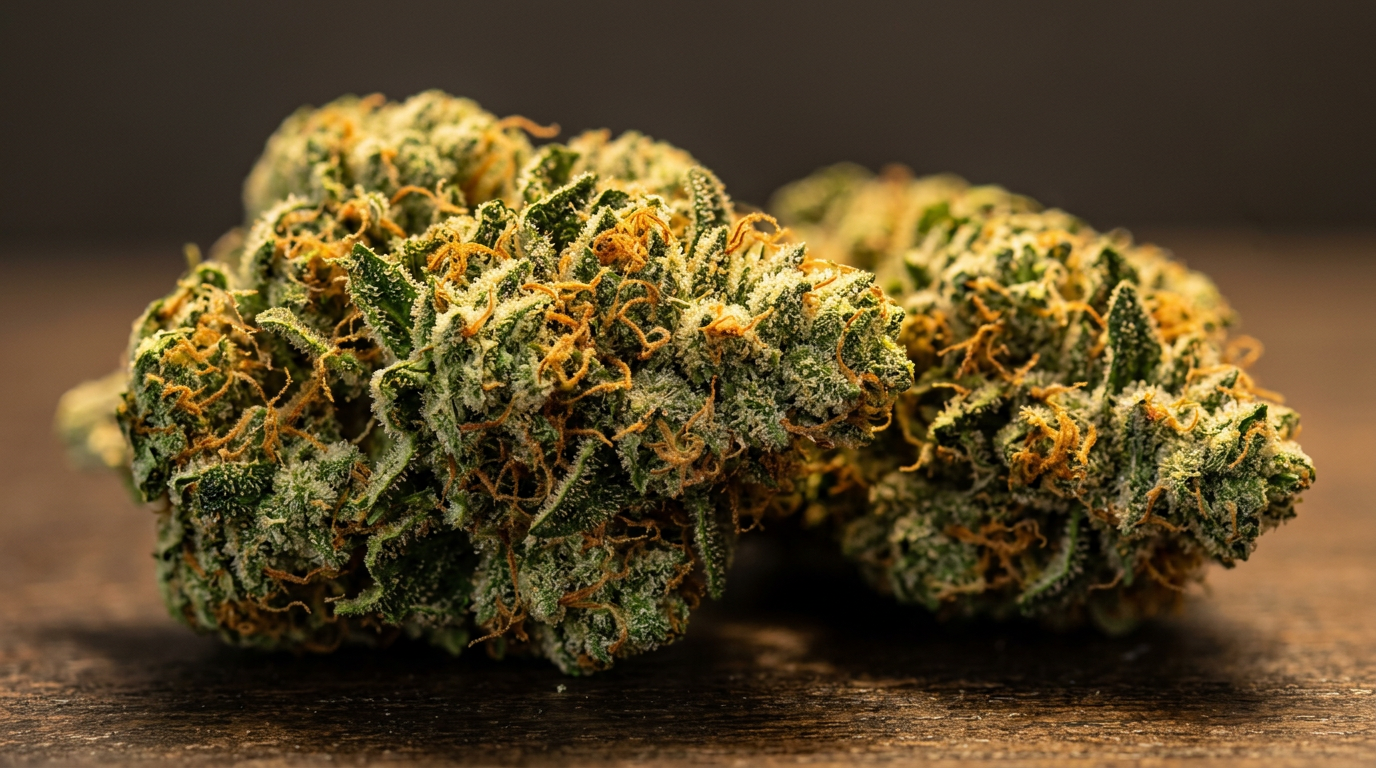
The dominant terpene in Do-Si-Dos is limonene at 0.42%, responsible for its citrus brightness and mood-lifting quality, an atypical lead for an indica-dominant hybrid. Right behind it is caryophyllene at 0.41%, which contributes a peppery, spicy depth and carries well-documented anti-inflammatory properties. Linalool (0.25%) adds a floral, almost lavender-like softness, myrcene (0.20%) provides the earthy, slightly musky base, and humulene (0.14%) rounds things out with a hoppy, herbal finish. The most distinctive aromatic signature reported by growers and users is freshly baked key lime pie, and once you know that, it’s hard to smell anything else. There’s a tart citrus note upfront from the limonene, a creamy sweetness in the middle, and a doughy, almost vanilla-cookie exhale. Some phenotypes, particularly from Barney’s Farm genetics, express a pronounced grapefruit note that’s almost startling in its intensity. On the exhale, the caryophyllene comes through as a warm, peppery finish that lingers pleasantly. Visually, Do-Si-Dos is a striking plant. The buds tend toward dense, compact structures with deep forest green leaves offset by occasional purple hues, an expression of the anthocyanin pigments activated by cooler temperatures during late flower. Trichome coverage is generous, giving the buds a frosty, almost silver sheen that makes them look more potent than many strains at comparable THC levels. The bud density can vary between cultivators, some batches have been described as almost rock-hard, which can indicate aggressive drying rather than a quality issue. The flavor profile on consumption tracks closely with the aroma: sweet and citrusy on the inhale, transitioning to a rich, cookie-dough earthiness on the exhale. The floral linalool note becomes more apparent when vaporized at lower temperatures, adding a dimension that combustion tends to flatten.
Effects and Experience
Do-Si-Dos’s primary effects are relaxation and euphoria, with onset typically occurring within 5 to 10 minutes of consumption, consistent with its indica-dominant genetics and resinous terpene profile. The high is often described as moving through the body in a specific, almost physical sequence: a cerebral warmth that settles into the shoulders and spine, then gradually diffuses into full-body ease. Among 1,259 community reviews averaging 4.64 out of 5, Most users report feeling relaxed as the primary effect. Happy follows at 56%, euphoric at 54%, sleepy at 50%, and uplifted at 33%. What’s interesting about that distribution is that the gap between “euphoric” and “sleepy” is only four percentage points, which tells you this strain walks a real line between functional relaxation and genuine sedation. Your dose and tolerance will determine which side of that line you land on.
“What strikes me about Do-Si-Dos is how the limonene-dominant profile prevents this from feeling like a purely heavy indica, there’s a mood elevation early in the experience that most myrcene-forward strains simply don’t deliver. That said, the caryophyllene and linalool eventually pull you toward stillness, and for me that transition feels genuinely therapeutic rather than just sedating.”
, Maya Chen, Cannabis Science Writer & Terpene Specialist
The first 30 minutes tend to be the most cerebral, a warm euphoria that makes conversation easy and the world feel slightly more interesting. By the 45-minute mark, the body effect deepens noticeably. The peak typically runs between one and two hours, with a gentle comedown that often ends in sleep for less experienced users. For seasoned consumers, it may simply land as a deep, comfortable relaxation without full sedation.
💡 Quick tip: For the most functional experience with Do-Si-Dos, keep your dose conservative, the limonene-driven euphoria is most accessible at moderate consumption levels.
Evening and late-afternoon use makes the most sense given the sedative lean in the back half of the experience. This is not a strain I’d reach for before a demanding workday.
| Effect Category | Intensity (1-10) | Onset | Duration |
|---|---|---|---|
| Euphoria | 8/10 | 5-10 min | 60-90 min |
| Relaxation | 9/10 | 10-15 min | 2-3 hours |
| Creativity | 4/10 | 15-20 min | 45-60 min |
| Pain Relief | 8/10 | 10-15 min | 2-3 hours |
| Appetite | 6/10 | 20-30 min | 1-2 hours |
| Sedation | 7/10 | 30-45 min | 2-4 hours |
Medical Benefits and Therapeutic Uses
The most commonly reported medical use for Do-Si-Dos is anxiety relief, cited by Some users, followed by stress at 30%, pain at 23%, insomnia at 22%, and depression at 21%. That ranking makes biochemical sense when you look at the terpene profile: limonene has been associated with anxiolytic effects in research contexts, caryophyllene acts as a CB2 receptor agonist with anti-inflammatory activity, and linalool, the same compound that makes lavender aromatherapy effective, is linked to calming the central nervous system. The THC content at 19-25% is high enough to produce meaningful symptom relief for most patients, while remaining below the threshold where anxiety becomes a significant risk for moderate-tolerance users. The near-absent CBD (0.1-0.5%) means this strain relies primarily on the entourage effect between its cannabinoids and terpenes rather than direct CBD-mediated mechanisms. For patients managing chronic pain, the caryophyllene content is particularly relevant, research published on PubMed suggests beta-caryophyllene demonstrates anti-inflammatory and analgesic properties through its interaction with CB2 receptors, which are distributed throughout the immune system and peripheral tissues. For insomnia, the myrcene and linalool combination in the later phase of the experience creates conditions conducive to sleep, but I’d suggest timing consumption about 90 minutes before your intended sleep time, rather than immediately before bed, to ride the euphoric phase out first.
Patients dealing with depression may find the limonene-driven euphoria in the first hour genuinely mood-elevating, though this effect is temporary and not a substitute for clinical treatment. The combination of mood lift and physical relaxation makes this a reasonable option for stress-related conditions where both mental and physical tension are present. If you’re interested in a higher-CBD alternative for anxiety management, CBD Cheese Seeds offers a more balanced cannabinoid ratio worth considering.
Disclaimer: This article is for informational purposes only and does not constitute medical advice. Always consult with a qualified healthcare professional before using cannabis for medical purposes.
What the Community Says About Do-Si-Dos
Among community platform 1,259 reviews, one of the most specific and frequently repeated descriptions is that the onset feels almost anatomical, users describe a warmth that begins at the base of the skull and moves down through the spine before spreading into the limbs. That’s an unusually precise and consistent report, and it aligns with how the terpene-cannabinoid profile would theoretically engage the endocannabinoid system. On Reddit’s r/microgrowery, growers cultivating Do-Si-Dos consistently note the plant’s vigorous vegetative response to proper feeding, one grower described all four plants “praying and stretching upward like crazy within a day” of dialing in nutrients. That kind of responsive growth is a good sign for first-time cultivators who are still learning to read their plants. Across multiple Growdiaries grow logs for the Barney’s Farm Dos Si Dos 33 variant, cultivators report the late-flower aroma shifting dramatically toward a baked, citrus-pastry quality that one grower specifically called “freshly baked key-lime pie.” That sensory marker seems to be a reliable indicator that harvest is approaching. One detail I find genuinely fascinating from the community data: several experienced users note that a 30% THC batch can feel mellower than expected, while a well-grown 22% batch hits harder. This is the entourage effect in action, raw THC percentage doesn’t tell the whole story when your terpene expression is this complex.
Growing Do-Si-Dos: Complete Guide
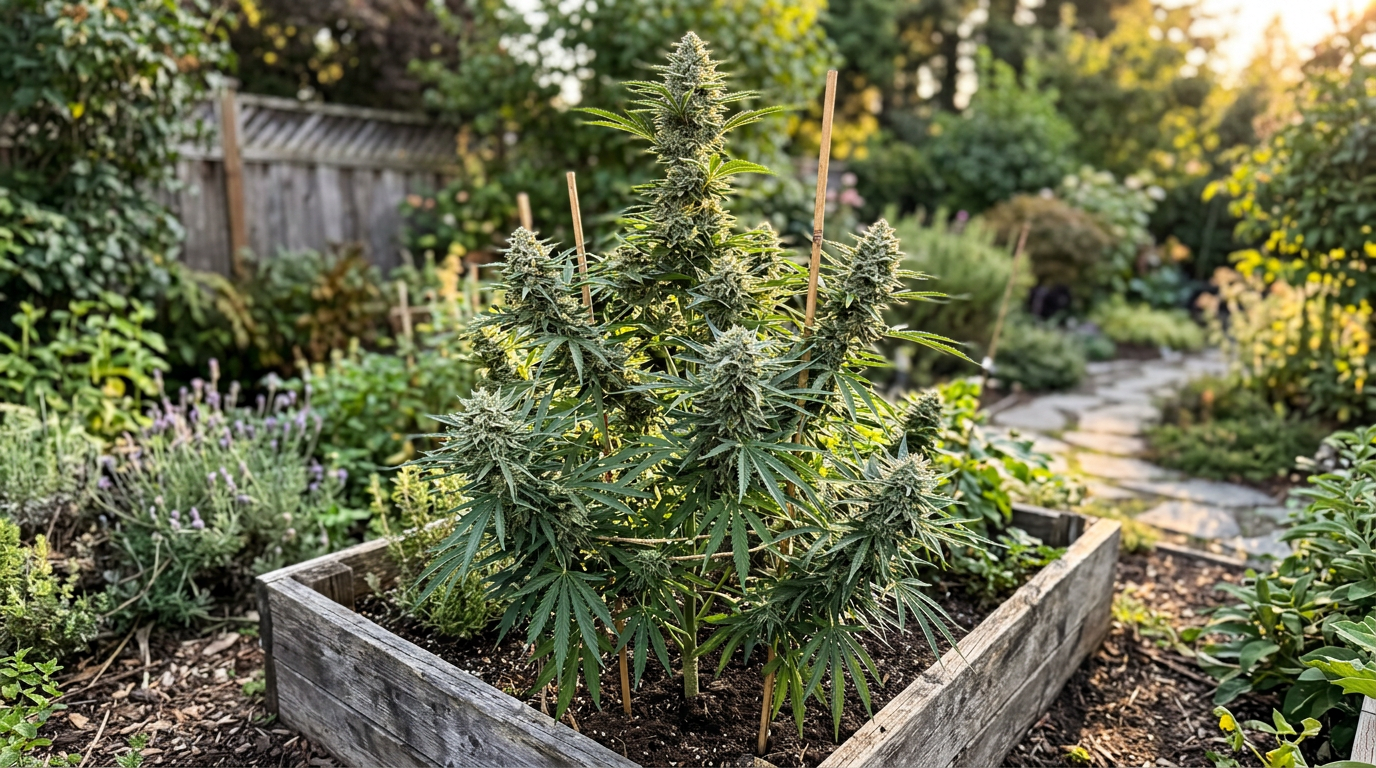
Do-Si-Dos’s flowering time is 8-9 weeks indoors, making it a moderately fast producer with a beginner-friendly growth profile that belies its genetic complexity. Despite carrying OG Kush lineage, which can be finicky, Do-Si-Dos tends to grow with vigor and consistency that rewards growers at all experience levels. The plant stays compact, averaging around 90 centimeters indoors, with a moderate stretch during the transition to flower. That manageable height makes it well-suited to indoor tent grows where vertical space is limited. Outdoors in the Northern Hemisphere, harvest falls around mid-October, and some phenotypes, particularly those with more sativa expression from the GSC side, can reach considerable size, with outdoor grows occasionally exceeding expectations in height. Indoor yields vary significantly by cultivar. The Barney’s Farm Dos Si Dos 33 phenotype is the standout performer, with some grow logs documenting up to 700 grams per plant indoors under optimized conditions. Standard Do-Si-Dos genetics produce more modest but still respectable yields. Outdoor potential is high for growers in temperate climates with a long growing season.
One consistent finding across grow reports is that moisture management during drying matters more than usual with this strain. The dense bud structure that makes Do-Si-Dos visually impressive also creates conditions where improper drying leads to excessively hard buds, a texture issue that affects the smoking experience more than the flavor. Slow-drying at 60% humidity and a proper cure of at least two weeks makes a measurable difference. For growers comparing difficulty, Do-Si-Dos is a more forgiving grow than something like Slurricane, which demands tighter environmental control to express its full terpene profile. If this terpene profile interests you, get Do-Si-Dos seeds here. Discreet shipping with germination guarantee.
Best Ways to Consume Do-Si-Dos
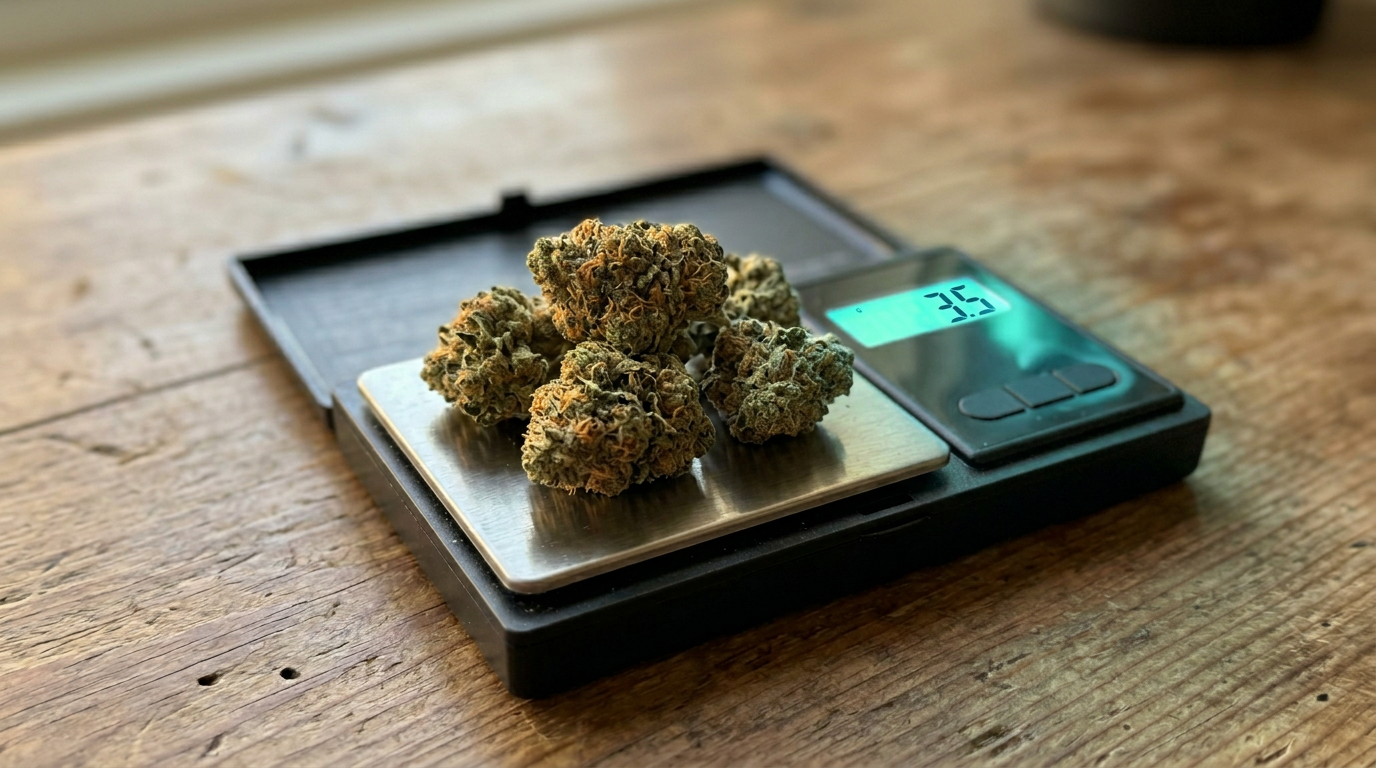
The recommended vaporization temperature for Do-Si-Dos is 170-185°C to preserve its limonene and linalool terpenes, which begin to degrade above 190°C. At that lower range, the citrus and floral notes come through with remarkable clarity, and the effect profile stays closer to the euphoric, mood-lifting end of the spectrum. Push the temperature above 200°C and you’ll extract more myrcene and caryophyllene, shifting the experience toward heavier body relaxation and sedation. Combustion remains a valid option, and the flavor holds up well in a clean glass pipe or water piece. The key-lime-pie aroma translates faithfully to the smoke, with a sweet, slightly peppery exhale. One community reviewer specifically noted that Do-Si-Dos “vaped beautifully”, and from a terpene-preservation standpoint, that tracks. For edibles, the fat-soluble terpenes and cannabinoids in Do-Si-Dos decarboxylate effectively, and the dessert-forward flavor profile makes it a natural fit for baked goods. Jessica Reed put together an edibles guide featuring dessert-forward strains like this one, worth reading if you’re curious about that preparation route. Concentrates made from Do-Si-Dos, particularly live resin, which preserves the fresh terpene profile, can be exceptional. The limonene content holds up particularly well in solventless extractions.
Do-Si-Dos vs Similar Strains
Do-Si-Dos shares its GSC parentage with several strains that offer meaningfully different experiences depending on what you’re looking for.
Do-Si-Dos vs Girl Scout Cookies
Do-Si-Dos is a direct descendant of Girl Scout Cookies, inheriting its dessert terpene profile and cerebral euphoria while adding the deep physical relaxation of Face Off OG. GSC typically runs 19-25% THC with a more balanced hybrid effect, less sedating in the back half than Do-Si-Dos. If you want the cookie flavor without committing to an evening of deep relaxation, GSC is the better call. Do-Si-Dos is the choice when you need that physical release alongside the mood lift.
Do-Si-Dos vs Gelato
Gelato shares the GSC lineage and a similarly sweet, dessert-forward terpene profile, but its Sunset Sherbet parentage pushes it toward a more balanced hybrid experience. Gelato tends to produce more sustained creative energy alongside its body relaxation, making it more versatile across times of day. Do-Si-Dos is the heavier, more sedating option, choose it over Gelato when sleep or deep physical recovery is the goal.
Do-Si-Dos vs Sunset Sherbet
Sunset Sherbet is another GSC offspring, but it leans more toward euphoric, mood-elevating effects with less of the sedative pull. Its terpene profile tends toward myrcene dominance rather than limonene, giving it a fruitier, earthier character compared to Do-Si-Dos’s citrus-pastry signature. Flowering time is comparable at around 8-9 weeks. For daytime relaxation with less risk of falling asleep, Sunset Sherbet is the stronger choice.
| Strain | Type | THC | Key Effects | Growing |
|---|---|---|---|---|
| Do-Si-Dos | Indica-dominant Hybrid | 19-25% | Relaxed, Euphoric, Sleepy | Moderate |
| Girl Scout Cookies | Hybrid | 19-25% | Happy, Euphoric, Relaxed | Moderate |
| Gelato | Hybrid | 17-25% | Euphoric, Creative, Relaxed | Moderate |
| Sunset Sherbet | Indica-dominant Hybrid | 15-19% | Happy, Uplifted, Relaxed | Moderate |
Potential Side Effects and Precautions
The most common side effects of Do-Si-Dos are dry mouth and dry eyes, reported across the majority of user reviews, standard responses to THC-dominant cannabis that are easily managed with hydration. Some users, particularly those with lower THC tolerance, report mild dizziness or headache following higher doses, which is consistent with the strain’s potency ceiling. The 50% sleepy rating in community data is worth taking seriously as a precaution rather than just an effect. If you have obligations in the next two to three hours, this is not the strain to reach for. Users prone to THC-induced anxiety should approach Do-Si-Dos carefully despite its limonene content. The mood-lifting terpene can help, but at higher doses the THC load can override those anxiolytic effects, particularly in the first 15 minutes before the caryophyllene and linalool settle in. New consumers and those with anxiety disorders should start with the minimum effective dose and wait a full 20 minutes before considering more. Avoid combining with alcohol or other sedatives, as the sedative potential compounds significantly.
Frequently Asked Questions
What are the parent strains of Do-Si-Dos?
Do-Si-Dos is a cross between Girl Scout Cookies and Face Off OG. Girl Scout Cookies contributes the sweet, dessert-forward terpene complexity and cerebral euphoria, while Face Off OG, an indica-dominant OG Kush phenotype, adds deep physical relaxation and dense resin production. This genetic combination is why Do-Si-Dos has an unusual limonene-dominant terpene profile for an indica-leaning hybrid.
Why is Do-Si-Dos limonene-dominant instead of myrcene-dominant?
Most indica-dominant hybrids lead with myrcene, the sedating terpene associated with classic couchlock. Do-Si-Dos inherits its limonene dominance from the Girl Scout Cookies side of its genetics, which traces back to Durban Poison, a sativa landrace known for high limonene and terpinolene content. This is what gives Do-Si-Dos its citrus brightness and mood-lifting quality despite its predominantly relaxing effect profile.
How does the Barney’s Farm Dos Si Dos 33 differ from standard Do-Si-Dos genetics?
Dos Si Dos 33 is a specific phenotype selection made by Barney’s Farm, optimized for indoor yield and structural consistency. Grow logs document indoor yields up to 700 grams per plant under optimized conditions, significantly higher than standard Do-Si-Dos genetics. The #33 designation refers to the specific phenotype number selected during Barney’s Farm’s breeding process. Some growers also report a more pronounced grapefruit aromatic note in this variant compared to the key-lime-pie signature of other phenotypes.
Is Do-Si-Dos suitable for first-time growers?
Yes, despite its OG Kush lineage, which can be temperamental, Do-Si-Dos consistently receives beginner-friendly assessments across grow communities. The plant grows vigorously, responds well to standard feeding schedules, and maintains a compact, manageable structure indoors. The main consideration for new growers is moisture management during drying, as the dense bud structure requires careful humidity control to avoid overly hard buds.
Does Do-Si-Dos cause couch-lock?
Do-Si-Dos sits in a nuanced middle ground on the sedation spectrum. Community data shows Most users report feeling relaxed and 50% report feeling sleepy, but the limonene-dominant terpene profile provides an initial euphoric phase that prevents the immediate, heavy sedation associated with true couchlock strains. Whether you end up sedated largely depends on dose: moderate consumption tends to land in the “deeply relaxed but functional” range, while higher doses push toward sleep.
Do-Si-Dos is one of those strains where the chemistry genuinely rewards understanding. The limonene-dominant profile makes it more versatile than its indica-dominant classification suggests, but the caryophyllene and linalool combination means the sedative potential is real and dose-dependent. My practical recommendation: grow or source it from a cultivator who prioritizes soil over hydroponics, keep your first session to a modest amount in the early evening, and pay attention to which phase of the experience you’re in. The terpene science here is doing a lot of work, and it’s worth letting it do its job.
Related Strains You Might Enjoy
If you enjoyed this strain, you might also like MAC Cannabis, Mimosa, Kush Mints, and Sunset Sherbet.