
Animal Mints is an indica cannabis strain with 18.4-29.8% THC and caryophyllene-dominant terpenes, known for its menthol flavor profile and relaxed and happy effects. Commonly chosen by those managing anxiety, stress, depression.
Quick Facts: Animal Mints
| Strain Type: | Indica |
| THC Content: | 18.4-29.8% |
| CBD Content: | <1% |
| Primary Effects: | Relaxed, Happy, Euphoric, Uplifted, Hungry |
| Flavors: | Menthol, Mint, Apple, Earthy |
| Growing Difficulty: | Moderate |
| Flowering Time: | |
| Best For: | Anxiety, Stress, Depression, Pain, Insomnia |
Last updated: March 31, 2026
There’s something that happens when you look at the terpene data for Animal Mints and realize the caryophyllene is doing most of the heavy lifting. At 0.79%, it’s the dominant compound, and it explains a lot about why this strain feels both grounding and surprisingly complex on the palate. Animal Mints is an indica-dominant hybrid cannabis strain with THC levels ranging from 18.4% to 29.8%, built on a terpene profile that pairs spicy caryophyllene with earthy myrcene and bright limonene. With a 4.47/5 rating across 223 community reviews, this is a strain that earns its reputation through chemistry, not just hype.
Origins and Genetics of Animal Mints
Animal Mints is an indica-dominant hybrid strain with genetics that remain partially unverified across sources, though the breeding lineage consistently points toward Animal Cookies and SinMint Cookies as parent strains, with some phenotypes crossed further into Kush and Sherbet territory. That combination gives it the dense, resinous structure of a classic Cookies-family plant with the cooling, herbal edge that “mints” genetics reliably introduce. What makes the Animal Mints family genuinely interesting from a genetics standpoint is how many distinct phenotypes have emerged from it. There are at least four recognized variants circulating: the base Animal Mints, Animal Mint Cake (which leans cakey and talkative in its effects), Animal Kush Mints (running around 24% THC with a limonene-forward profile), and Animal Sherb Mints (the heavyweight of the family, pushing 28-34% THC with humulene taking the lead). This kind of phenotype variability tells me the genetic base is rich and expressive, which is both exciting and occasionally frustrating if you’re chasing a specific experience. The strain’s rise in popularity tracks closely with the broader Cookies-family explosion in cannabis culture, but Animal Mints carved out its own identity through that unmistakable mint-meets-fuel aromatic signature. I first encountered it at a Portland dispensary where the budtender described it as “what happens when dessert strains grow up,” and honestly, that framing stuck with me. It’s not trying to be sweet and approachable. It has an edge. One thing worth flagging for anyone sourcing seeds: reports on Reddit’s r/microgrowery suggest that some seed banks advertising Animal Mints genetics may not be offering verified lineage. Stick to reputable breeders and, if possible, cross-reference with grower communities before purchasing.
Appearance, Aroma and Flavor Profile
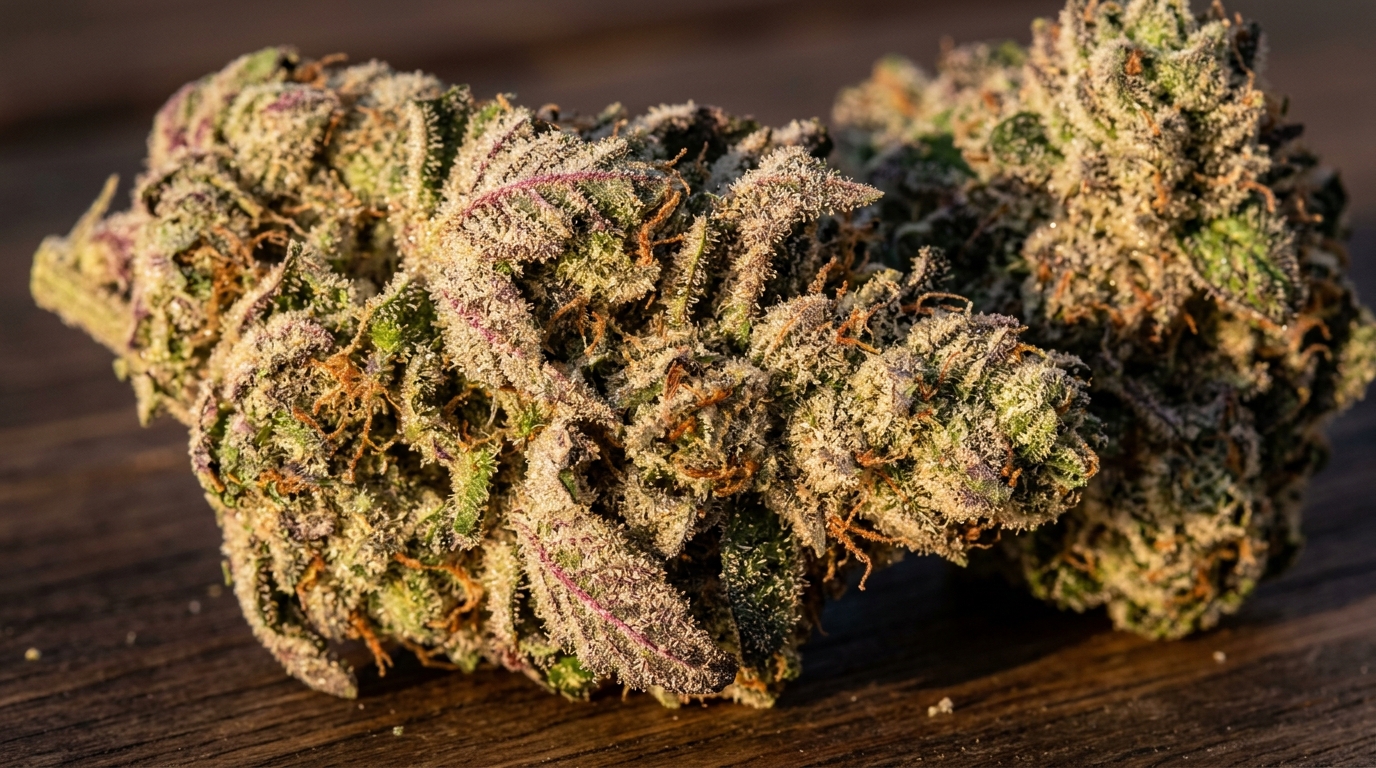
The dominant terpene in Animal Mints is caryophyllene at 0.79%, responsible for its peppery, spicy base aroma and its notable anti-inflammatory potential through CB2 receptor interaction. Myrcene follows at 0.35%, adding an earthy, almost damp-soil quality that grounds the sharper top notes. Limonene at 0.31% lifts everything with a citrus brightness that keeps the profile from feeling too heavy. The buds themselves are visually striking. Dense, spongy, and sticky, with green and purple hues running through tight calyxes that are coated in trichomes. One reviewer on Reddit described them as “gorgeous buds” that are “almost too sticky to break up by hand,” which tracks with what I’ve seen from well-cured Animal Mints. The trichome coverage is exceptional, and when you finally do break a bud apart, the aroma shifts from that initial gassy, dank exterior into something warmer and more complex. On the palate, Animal Mints reads differently depending on your consumption method. Smoked, it delivers a smooth mint-and-dessert-forward flavor with an earthy mustiness underneath. Some users detect a vaguely sweet, purple-kush quality. Vaped, the terpene character really opens up. Community reviewers consistently note that the cakey, minty notes are more pronounced through a vaporizer, and the smoke is remarkably smooth, with at least one user with asthma reporting zero irritation. Not every batch announces itself with a loud mint signature. Some lean more toward the gassy, dank end of the spectrum, with the mint playing a subtle supporting role rather than leading. That variability between batches is real, and it’s worth knowing going in.
Effects and Experience
Animal Mints’ primary effects are relaxation and euphoria, with community data showing Most users reporting feeling relaxed and 61% reporting happiness as a dominant effect. This is an indica-dominant strain that earns that classification honestly, with a body effect that builds steadily over the first 20 to 30 minutes before settling into something genuinely heavy at higher doses. The onset is one of the things I find most interesting about this strain scientifically. Multiple community reviewers describe it as “a hard hitter that creeps in,” which is consistent with what myrcene does at the pharmacological level. Myrcene is known to enhance cannabinoid permeability across the blood-brain barrier, which can delay and then intensify the perceived onset. You think you’ve found your ceiling, and then 20 minutes later you realize you haven’t.
“Animal Mints is the strain I reach for when I want to understand what ‘entourage effect’ actually means in practice. The caryophyllene-myrcene-limonene combination here isn’t just pleasant, it’s mechanistically interesting. The caryophyllene binds CB2 receptors for body relief, myrcene amplifies THC absorption, and limonene nudges serotonin pathways upward. You feel all three layers distinctly if you pay attention.”
, Maya Chen, Cannabis Science Writer & Terpene Specialist
The mental effects arrive first, a warm euphoric uplift that Many users describe as distinctly euphoric. Then the body catches up. At moderate doses, you get relaxed and happy without losing function. At higher doses, couch-lock is a real possibility, and the appetite stimulation (reported by Some users) kicks in hard.
Linalool at 0.17% contributes a mild floral, calming quality to the tail end of the experience, which helps explain why the comedown from Animal Mints tends to feel gentle rather than abrupt. This isn’t a strain that drops you off a cliff.
| Effect Category | Intensity (1-10) | Onset | Duration |
|---|---|---|---|
| Euphoria | 8/10 | 10-20 min | 2-3 hrs |
| Relaxation | 9/10 | 20-30 min | 3-4 hrs |
| Creativity | 4/10 | 15-25 min | 1-2 hrs |
| Pain Relief | 8/10 | 20-30 min | 3-4 hrs |
| Appetite | 7/10 | 30-45 min | 2-3 hrs |
| Sedation | 7/10 | 30-45 min | 3-5 hrs |
Medical Benefits and Therapeutic Uses
The most commonly reported medical use for Animal Mints is stress and anxiety relief, with community data showing that Some users specifically report using it to manage anxiety, despite anxiety also appearing as a potential adverse effect in some users. That paradox is worth unpacking, because it’s not actually a contradiction. It’s a dose-response relationship. Caryophyllene, the dominant terpene here, is one of the few terpenes that directly activates cannabinoid receptors, specifically CB2 receptors, which are heavily involved in inflammation and pain signaling. Research published on PubMed confirms beta-caryophyllene’s role as a functional CB2 agonist, suggesting genuine anti-inflammatory and analgesic potential beyond placebo. For chronic pain patients, this terpene profile is particularly relevant. The high myrcene content supports muscle relaxation and sedation, which makes Animal Mints a reasonable option for people managing muscle tension, sleep difficulties, and physical discomfort. The limonene at 0.31% has been associated in preliminary research with mood elevation and potential anti-anxiety effects, which helps explain why many users report feeling genuinely uplifted rather than just sedated. Appetite stimulation is a consistent effect, reported by Some users, making this a potential option for patients managing nausea or appetite loss. The THC range of 18.4% to 29.8% means dosing precision matters significantly here. A low-to-moderate dose will deliver the mood-lifting, pain-relieving benefits without tipping into the paranoia or anxiety territory that some users report at higher doses. I have a friend who manages fibromyalgia and describes Animal Mints as one of the few strains that addresses both the pain and the anxiety around the pain simultaneously. She keeps her doses small and consistent, which is exactly the approach the terpene and cannabinoid profile supports.
💡 Quick tip: For medical users targeting pain or inflammation, the caryophyllene content makes Animal Mints worth trying even at lower THC doses, since CB2 receptor activation doesn’t require high THC levels to be effective.
Disclaimer: This article is for informational purposes only and does not constitute medical advice. Always consult with a qualified healthcare professional before using cannabis for medical purposes.
What the Community Says About Animal Mints
Several threads in Reddit’s r/trees highlight a specific quality that makes Animal Mints stand out from other high-THC indicas: strain-to-strain consistency. Users note that regardless of which cultivator grew it, “any cultivator’s Animal Mints is going to be pretty good,” suggesting the genetics produce reliably quality results across different growing environments. That’s not something you can say about every strain. Among the 223 community reviews averaging 4.47/5, the sensory descriptions cluster around a specific experience: smooth, dense, and unexpectedly complex. One Ohio user flagged a dryness issue with a particular batch, pointing toward curing as the variable that separates good Animal Mints from exceptional Animal Mints. Proper curing seems to be where the minty, cakey notes fully develop. On Reddit’s r/microgrowery, a grower described a 29.8% THC batch as “spongy, dense, sticky,” with bud structure so resinous it was difficult to break up by hand. That stickiness is a direct indicator of high trichome density, and Darrel, who has grown the Animal Kush Mints phenotype, confirmed to me that the 0.35% myrcene content in this family consistently produces unusually tacky, resin-heavy flowers even when other grow parameters are average. One detail I keep coming back to: multiple users independently note that the effects “creep in” slowly, then arrive all at once. That’s the myrcene-facilitated onset I mentioned earlier, and it’s consistent enough across different batches and users to feel like a genuine pharmacological signature of this strain rather than individual variation.
Growing Animal Mints: Complete Guide
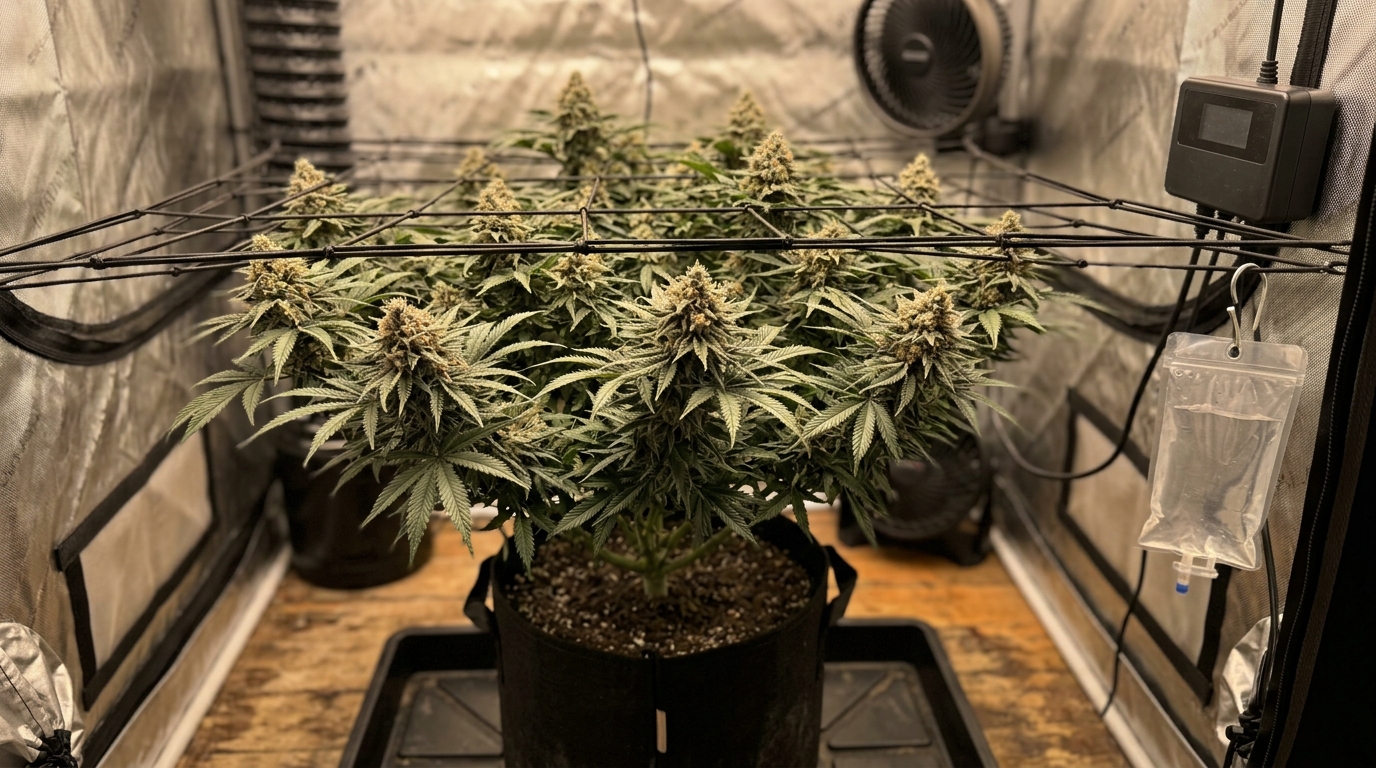
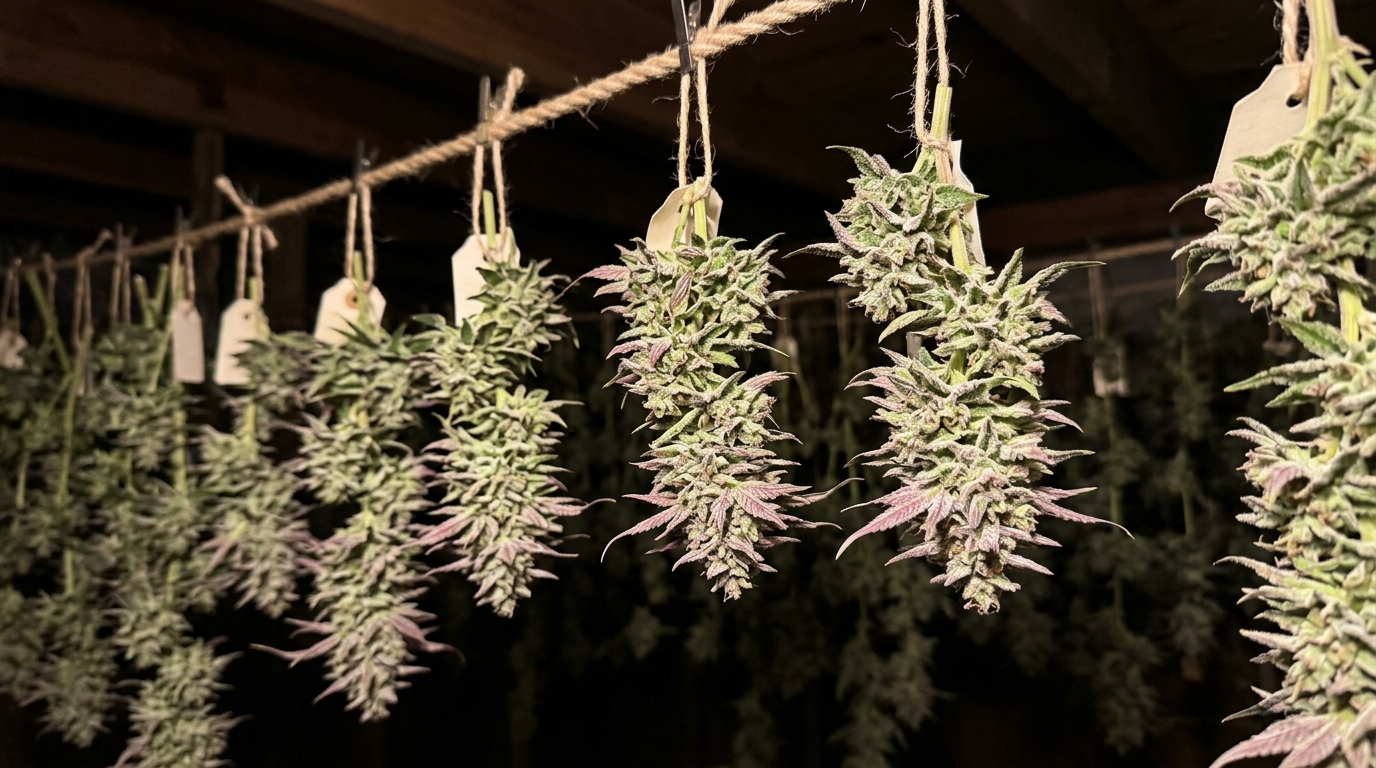
Animal Mints’ growing difficulty ranges from easy to intermediate, making it accessible to newer cultivators while still rewarding experienced growers who dial in their environment. Grow logs on GrowDiaries describe it as beginner-friendly, with one grower calling it “the best strain I grew this run,” noting strong disease and pest resistance as a standout trait. Indoor growing is where most cultivators find the most control over the final product. The strain responds well to standard training techniques, and the dense bud structure benefits from good airflow to prevent moisture-related issues. Those sticky, resinous buds are gorgeous, but that same stickiness creates some humidity management responsibility. Keeping relative humidity below 50% during late flower is worth the effort. Specific flowering time data isn’t well-documented for the base Animal Mints phenotype, which is a gap in the available research. The Animal Sherb Mints variant is reported to produce high yields, and GrowDiaries logs suggest the broader family leans toward generous harvests when given adequate light intensity and proper nutrition. Soilless growers on r/microgrowery recommend adding perlite or vermiculite to improve the gas-to-water ratio in the root zone, which seems to push resin production noticeably. Curing deserves serious attention with this strain. The difference between a properly cured batch and a rushed one is significant, particularly for the mint and cakey terpene notes that define the experience. A minimum two-week cure in controlled humidity (58-62% relative humidity) is the standard recommendation from experienced cultivators. One sourcing note: reports on r/microgrowery specifically flag Canuck Seeds and True North Seed Bank as unreliable sources for verified Animal Mints genetics. Do your research before purchasing seeds. If this terpene profile interests you, check our seed collection for available options. Discreet shipping with germination guarantee.
Best Ways to Consume Animal Mints
The recommended vaporization temperature for Animal Mints is between 185°C and 210°C (365°F to 410°F) to preserve its terpene profile while fully activating the THC. Starting at the lower end of that range, around 185-190°C, lets the caryophyllene and limonene express themselves before the myrcene’s heavier, earthier notes come through at higher temperatures. Vaporizing is genuinely the best method for this strain if terpene fidelity matters to you. Community reviewers consistently note that the cakey, minty character “shines” in vape format, including cartridges and disposables, in a way that combustion partially obscures. The smooth smoke quality is real regardless of method, but the complexity is better preserved through vapor.
Animal Mints vs Similar Strains
Animal Mints vs Kush Mints
Animal Mints and Kush Mints share a minty terpene signature and dense, resinous bud structure, but they diverge meaningfully in their dominant terpene drivers. Kush Mints leans harder into the cooling, almost mentholated quality of its mint genetics, while Animal Mints leads with caryophyllene’s peppery spice before the mint appears. If you want the cleanest mint expression, Kush Mints delivers it more directly. Animal Mints offers more aromatic complexity.
Animal Mints vs Do-Si-Dos
Both Animal Mints and Do Si Dos trace lineage through the Cookies family and share that dense, indica-dominant body effect with strong relaxation scores. Do-Si-Dos typically runs slightly lower in THC and has a more pronounced earthy-floral character driven by linalool. Animal Mints pushes higher on the THC ceiling (up to 29.8%) and delivers a spicier, more fuel-forward flavor. For sedation-focused use, Do-Si-Dos is the gentler option. For potency and complexity, Animal Mints wins.
Animal Mints vs Girl Scout Cookies
Girl Scout Cookies is a likely genetic ancestor in the Animal Mints family tree, and the resemblance in bud structure and sweet-earthy base flavor is noticeable. Girl Scout Cookies’ effects tend to be more balanced between cerebral and body, with a more pronounced creative and uplifting quality. Animal Mints tilts heavier toward physical relaxation and sedation. GSC is the better daytime option of the two; Animal Mints is the better evening strain.
| Strain | Type | THC | Key Effects | Growing |
|---|---|---|---|---|
| Animal Mints | Indica-dominant Hybrid | 18.4-29.8% | Relaxed, Euphoric, Sedating | Easy-Intermediate |
| Kush Mints | Indica-dominant Hybrid | 20-26% | Relaxed, Happy, Tingly | Intermediate |
| Do-Si-Dos | Indica-dominant Hybrid | 19-25% | Relaxed, Sleepy, Happy | Intermediate |
| Girl Scout Cookies | Hybrid | 17-28% | Euphoric, Creative, Relaxed | Intermediate |
Potential Side Effects and Precautions
The most common side effects of Animal Mints are paranoia, anxiety, and headache, all of which are reported in the community data and are primarily dose-dependent. Dry mouth and red eyes are standard across the THC range and should be expected. The anxiety paradox with this strain is real and worth taking seriously. At moderate doses, the limonene and linalool content can genuinely reduce anxiety, which is why Some users cite it as a therapeutic benefit. At high doses, particularly with batches testing above 25% THC, the same strain can trigger anxious or paranoid thinking in sensitive users. NIDA’s cannabis research overview confirms that high-THC cannabis is associated with increased anxiety risk, particularly in individuals with pre-existing anxiety disorders or low tolerance. Anyone new to cannabis, sensitive to THC, or managing anxiety or psychosis-related conditions should approach Animal Mints cautiously and start with a very small dose. This is not a strain to experiment with in an unfamiliar environment or at a social event where you can’t control your setting.
Frequently Asked Questions
What are the parent strains of Animal Mints?
Animal Mints is most consistently attributed to a cross between Animal Cookies and SinMint Cookies. Animal Cookies contributes the dense, resinous bud structure and heavy indica-leaning effects, while SinMint Cookies adds the cooling herbal quality and smooth smoke character. Exact lineage varies by phenotype, and the Animal Kush Mints and Animal Sherb Mints variants involve additional crosses into Kush and Sherbet genetics respectively.
Why does Animal Mints have such variable THC levels across batches?
Animal Mints’ THC range of 18.4% to 29.8% reflects genuine phenotype variability within the strain family, not just testing inconsistency. The four recognized phenotypes (base Animal Mints, Animal Mint Cake, Animal Kush Mints, and Animal Sherb Mints) each have distinct cannabinoid profiles. Growing conditions, cure quality, and the specific phenotype being grown all contribute to where a given batch lands within that range.
Is Animal Mints a good strain for anxiety or will it make anxiety worse?
Animal Mints presents a genuine dose-response relationship with anxiety. Approximately 29% of community users report using it specifically to manage anxiety, while others list anxiety as an adverse effect. Low to moderate doses, supported by the limonene and linalool content, tend to be calming. High doses, particularly from high-THC batches, increase the risk of anxious or paranoid thinking. Dose carefully and know your tolerance before using this strain for anxiety management.
How does Animal Mints compare to other Cookies-family strains for growing?
Animal Mints sits on the easier end of the Cookies-family growing spectrum. GrowDiaries logs describe it as beginner-accessible with notably strong disease and pest resistance, which is not always the case with Cookies-derived genetics. The main challenge is managing humidity around the dense, sticky buds in late flower, and curing properly to develop the full terpene profile. Yield data for the base phenotype is limited, but the Animal Sherb Mints variant is reported to produce high yields.
What does Animal Mints actually taste like, and is the mint flavor always present?
Animal Mints delivers a smooth mint-and-dessert-forward flavor profile when well-cured, with earthy, gassy, and cakey notes underneath. The mint is not always the loudest element. Some batches lean more toward earthy mustiness or a gassy, dank quality, with the mint as a subtle background note rather than a defining characteristic. Vaporizing at lower temperatures (around 185°C) tends to bring the mint and cakey notes forward more clearly than combustion.
From a terpene science perspective, Animal Mints is one of the more mechanistically interesting strains in the current market, precisely because the caryophyllene-myrcene combination does something that most high-THC indicas don’t: it creates a layered, timed experience where the mental and physical effects arrive in distinct waves rather than simultaneously. If you’re someone who pays attention to how cannabis actually works in your body, this strain gives you a lot to notice. Start low with any new batch, respect the creeping onset, and give the curing quality the attention it deserves when sourcing.
Related Strains You Might Enjoy
If Animal Mints’ indica-dominant terpene profile appeals to you, these strains are worth exploring for similar or complementary reasons.
- OG Kush shares caryophyllene as a dominant terpene, offering a similarly spicy, fuel-forward base with heavy physical relaxation.
- LA Confidential is a pure indica alternative for users who want Animal Mints’ sedating body effect without the minty dessert complexity.
- Cereal Milk comes from the same Cookies-adjacent genetic neighborhood and offers a sweeter, more balanced hybrid experience for daytime use.
- Wedding Cake A Sweet Vibe for Friends and Flavor shares the dense, resinous Cookies-family structure and high THC ceiling, but leans more toward vanilla and cake flavors over mint and gas.