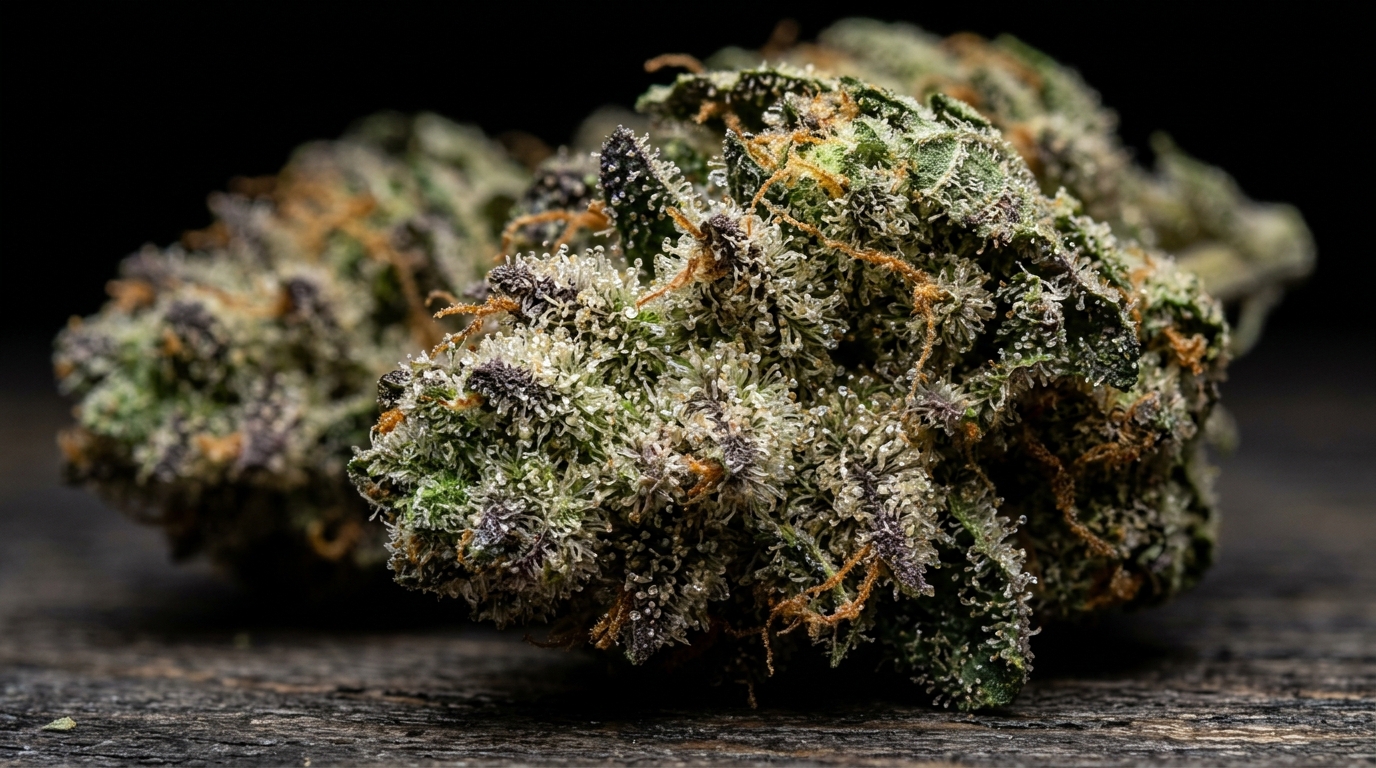
Skunk weed is a term used in two distinct ways: it refers to the original Skunk #1 strain developed in the 1970s from Colombian, Mexican, and Afghani genetics, and it’s also used loosely as slang for any potent, pungent cannabis with high THC content. The name comes from the sharp, sulfurous odor these strains produce, which can genuinely stop you in your tracks.
Reviewed by Travis Cole, Cannabis Culture Writer | Updated April 18, 2026
What Is Skunk Weed, Really?
Skunk weed traces its roots to a specific breeding project completed in the United States during the late 1970s, producing what became known as Skunk #1. This strain combined Colombian Gold, Acapulco Gold, and Afghani landrace genetics into a stable, high-yielding hybrid that changed cannabis cultivation forever. It arrived in the Netherlands in the 1980s and became the backbone of Amsterdam’s seed trade.
The term gets thrown around loosely enough to mean three different things depending on who’s talking. In the UK, “skunk” became a media buzzword for any potent street cannabis, especially after high-THC varieties started dominating the market in the 2000s. Back home in Texas, old-timers use it the same way they say Dank or Chronic, just meaning something that reeks and hits hard. Then you’ve got the actual Skunk #1 lineage, a specific genetic family that breeders still work with today.
The original strain is a roughly 75% sativa, 25% indica hybrid, though modern Skunk descendants have drifted all over that spectrum. What stays consistent is that smell. Sharp. Funky. Sulfurous in a way that fills a room fast. I grew a Skunk-descended plant one summer out back of my place in Austin, and neighbors were asking questions from two houses down.
Why Does Weed Smell Like Skunk?
The distinctive skunk-like odor in cannabis comes primarily from volatile sulfur compounds (VSCs), particularly a molecule called prenylthiol, which is also found in actual skunk spray. Research published in ACS Omega (2021) identified these sulfur-containing compounds as the primary drivers of skunky cannabis aroma, separate from the terpene profile that shapes most other cannabis scents.
Terpenes like myrcene, caryophyllene, and limonene contribute to the overall aroma, sure. But that specific eye-watering, skunk-spray quality? That’s the VSCs doing their thing. The concentration of these compounds tends to increase as plants mature and as THC levels climb, which is part of why “skunk weed” became synonymous with potency in the first place. Strong smell started signaling strong weed, and that association stuck hard in the culture.
Not every high-THC strain smells skunky, though. Trichomes produce the cannabinoids and terpenes, but VSC production is a separate genetic trait. You can have a powerhouse strain that smells like berries and fuel without a single skunky note.
Did you know? According to research published in Drug and Alcohol Dependence, high-potency cannabis (often labeled “skunk” in UK studies) accounted for the majority of cannabis seized by police in England and Wales by the mid-2010s, compared to a much smaller share in the early 2000s. This dramatic shift prompted significant public health discussion about how modern breeding practices have changed what consumers actually encounter.
Skunk Weed Potency and Effects
Modern Skunk-lineage strains typically test between 15% and 25% THC, with some phenotypes pushing higher. Effects lean toward a balanced head-and-body high, energetic and euphoric early on, settling into something warmer and more relaxed as time passes.
The potency question is real and worth taking seriously. Some studies indicate that high-potency cannabis may carry different risk profiles than lower-THC varieties. A study in The British Journal of Psychiatry found associations between high-potency cannabis use and increased risk of psychotic episodes, particularly in individuals with existing vulnerability. Research suggests these associations are stronger with daily use of very high-THC material. Worth knowing, not to scare you, just to inform you.
For most folks enjoying skunk-lineage strains responsibly, the experience is genuinely pleasant. Think clear, buzzy sativa energy up front, the kind that makes a long porch session with good music feel perfect, followed by a body warmth that has you slowing down and reaching for whatever’s coming off the grill. Strains like Sour Diesel and AK-47 carry some of that same skunky energy in their lineage. Is skunk weed stronger than Reggie Weed? In most cases, yes. But modern craft cannabis has pushed THC numbers across the board, so the gap between skunk-lineage and other premium strains has narrowed considerably.
Skunk Weed in Growing Culture
Skunk #1 earned its legendary status among growers long before it became a media talking point. It flowers fast, yields generously, and adapts well to both indoor and outdoor environments, passing those traits down through its descendants reliably. Breeders have used Skunk #1 as a foundational parent in hundreds of modern strains, including Northern Lights and White Widow.
Growing a Skunk-lineage plant outdoors in a warm climate like Central Texas is a genuine pleasure. These plants are vigorous, forgiving of beginner mistakes, and they finish before the fall rains get serious. The smell management is the real challenge. Even in the vegetative stage, a mature Skunk plant announces itself. By deep flower, you’re committed to the whole neighborhood knowing something interesting is happening in your backyard.
Skunk genetics are often recommended for first-time outdoor growers because of their resilience and predictable growth patterns. Brushing up on cannabis glossary terms around growing, things like Flushing, Topping, and Supercropping, will help you get the most out of these plants. The terpene profile of true Skunk genetics tends to be myrcene-heavy with significant contributions from caryophyllene and limonene, all working together to shape that unmistakable aroma.
Key Facts
✓ Skunk #1 was developed in the late 1970s from Colombian Gold, Acapulco Gold, and Afghani landrace genetics
✓ The skunky odor in cannabis comes primarily from volatile sulfur compounds (VSCs), not just terpenes
✓ “Skunk weed” is used loosely in media and slang to mean any potent, pungent high-THC cannabis
✓ Skunk-lineage strains typically test between 15% and 25% THC
✓ Skunk #1 genetics appear in the lineage of hundreds of modern strains, including Northern Lights and White Widow
✓ Research suggests associations between high-potency cannabis and psychosis risk, particularly with heavy daily use
✓ Skunk genetics are widely considered beginner-friendly for outdoor growing due to resilience and fast flowering
✓ The term “skunk” is used differently in the UK versus the US, reflecting distinct cultural and regulatory contexts
Frequently Asked Questions
Is skunk weed stronger than regular weed?
Generally speaking, yes. Skunk-lineage strains tend to carry higher THC concentrations than older, lower-grade varieties or what’s often called Reggie Weed. Most Skunk-descended strains test between 15% and 25% THC. That said, modern craft cannabis has pushed potency across the board, so the distinction matters more when you’re comparing skunk weed to genuinely low-grade material rather than to other premium strains.
What kind of weed is skunk weed, indica or sativa?
The original Skunk #1 is generally classified as a sativa-dominant hybrid, sitting around 75% sativa and 25% indica. That genetic balance gives it the energetic, heady qualities that made it famous. However, the broader “skunk” family has branched out enormously over decades of breeding. You’ll find Skunk-descended strains across the full spectrum today, so the name alone doesn’t tell you the whole story anymore.
Does skunk weed get you high?
Absolutely. That’s kind of the whole point of why the name became slang for potent cannabis in the first place. True Skunk-lineage strains deliver a well-rounded high with a clear, euphoric head effect early on and a warm body sensation as it develops. The experience is often described as sociable and energetic in moderate doses, heavier and more sedating in larger ones. Starting low and going slow is the sensible approach, especially if you’re new to strains in this potency range.
Is skunk weed legal?
The legal status of skunk weed follows the same rules as any other cannabis. In the United States, legality varies by state, with recreational use permitted in roughly half the country as of 2026. In the UK, where “skunk” gets the most media attention, cannabis remains a Class B controlled substance regardless of THC content. Always check your local regulations before growing, purchasing, or possessing any cannabis product. The name “skunk weed” carries no special legal classification anywhere.
Ready to grow your own Skunk-lineage genetics? We carry a solid selection of high-THC outdoor seeds built for warm climates and big harvests.