Cannabis is the correct scientific and botanical name for the plant genus. “Marijuana” is a colloquial and historically politicized term referring specifically to the psychoactive form of that plant. In scientific, medical, and legal reform contexts, “cannabis” is now strongly preferred. “Marijuana” still appears in older legislation and some everyday conversation, but its use is declining as the industry professionalizes.
Reviewed by Maya Chen, Cannabis Science Writer | Updated April 21, 2026
What Is Cannabis?
Cannabis is the formal taxonomic genus name for a flowering plant family in the order Rosales. It encompasses three recognized species: Cannabis sativa, Cannabis indica, and Cannabis ruderalis. The genus produces over 100 known Cannabinoids, along with Terpenes and other bioactive compounds. It includes hemp, high-THC varieties, and everything in between.
What Is Marijuana?
Marijuana refers specifically to cannabis plant material that contains significant levels of tetrahydrocannabinol (THC), the primary psychoactive cannabinoid. The term is applied to dried flower, leaves, and stems used for recreational or medical purposes. It does not describe hemp, which by legal definition in the United States contains 0.3% THC or less by dry weight.
Key Differences
| Factor | Cannabis | Marijuana |
|---|---|---|
| Type of term | Scientific/botanical genus name | Colloquial/slang/political term |
| Scope | Covers all varieties including hemp | Refers only to high-THC varieties |
| THC content | Any level (0% to 30%+) | Implies psychoactive levels, above 0.3% |
| Legal usage | Standard in modern legislation and regulation | Still present in older federal law (US) |
| Medical/scientific context | Universally preferred in research and clinical settings | Largely avoided in peer-reviewed literature |
| Cultural/political baggage | Neutral, professional | Carries historical stigma and racial associations |
| Includes hemp? | Yes | No |
The distinction matters more than most people realize. In my research and writing, I use “cannabis” almost exclusively because it reflects the science accurately. When someone says “marijuana,” they are almost always talking about the high-THC form of the plant. When they say “cannabis,” the conversation could include hemp-derived CBD products, industrial fiber crops, or the full spectrum of psychoactive flower. The terms are not interchangeable if precision matters to you.
Linguistically, the word “marijuana” entered American English during the early 20th century, heavily promoted by anti-drug campaigners who deliberately chose a foreign-sounding word to associate the plant with Mexican immigrants. This history is not incidental. A 2017 review in Cannabis and Cannabinoid Research specifically documented the political and racial origins of the term, and many researchers, advocates, and state regulators have since moved away from it entirely.
Did you know? According to the Oregon Liquor and Cannabis Commission, Oregon’s adult-use program officially uses the term “marijuana” in its regulatory framework because it mirrors the language of the Oregon Revised Statutes, even though the broader industry has largely shifted to “cannabis.” This kind of institutional lag is common across many US states where older ballot measure language locked in the term before the terminology debate gained traction.
When to Choose “Cannabis”
Use “cannabis” any time you want to be scientifically accurate, professionally credible, or inclusive of the full plant genus. This applies in medical conversations, research contexts, product labeling, and any discussion that encompasses hemp-derived products alongside high-THC flower.
Researchers publishing in peer-reviewed journals almost universally use “cannabis.” The National Academies of Sciences, Engineering, and Medicine report on the health effects of cannabis uses the term throughout, explicitly noting the preference for neutral scientific terminology over politicized colloquialisms. If you are writing a product description, a grow guide, or a medical disclosure, “cannabis” is the right word every time.
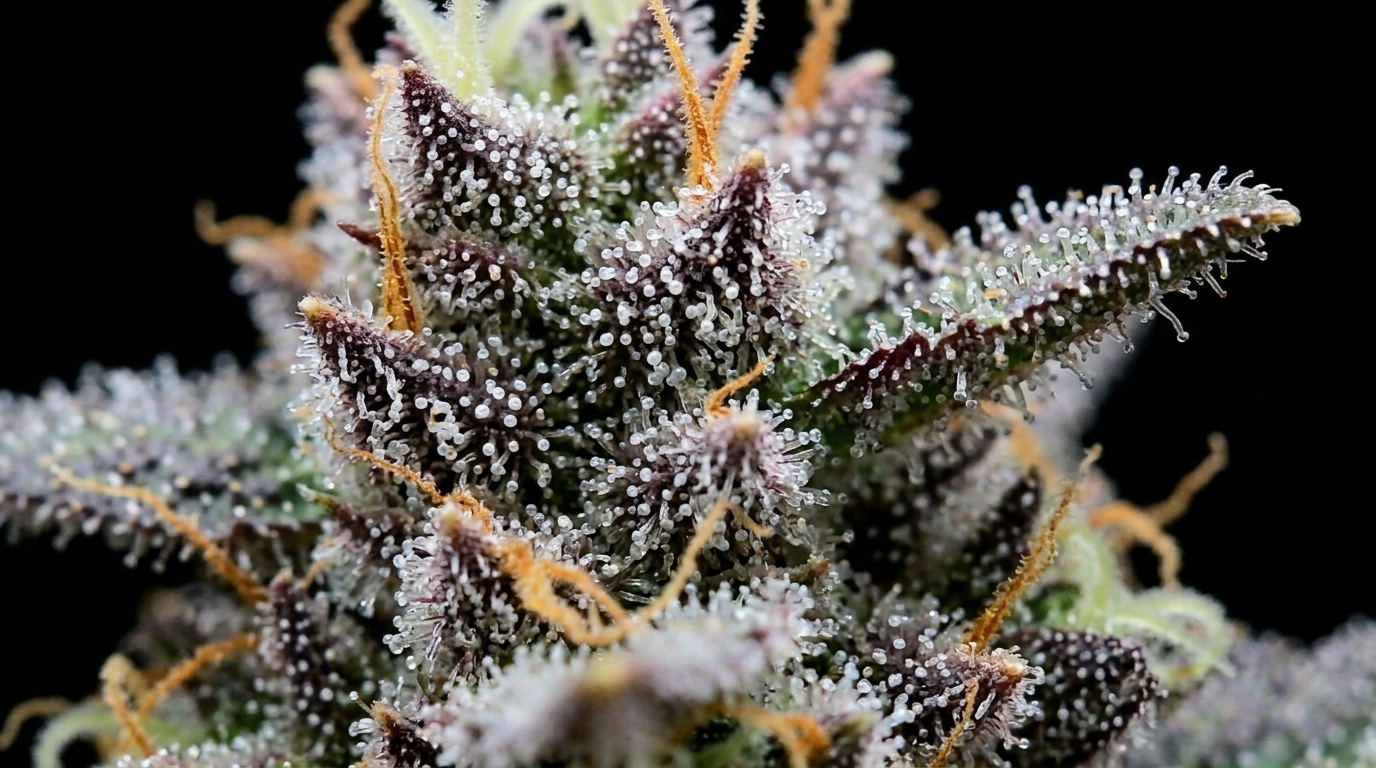
It is also the correct term when discussing terpene profiles, Trichomes, Cannabinoids, or the entourage effect. Strain names, seed types, and cultivation methods all fall under the cannabis umbrella. When I write about something like Blue Dream or OG Kush, I am writing about cannabis, not just “marijuana.”
When to Choose “Marijuana”
Honestly? Rarely, in a professional setting. But context matters. “Marijuana” remains appropriate when quoting legislation directly, since the Controlled Substances Act in the United States still uses the term. It also appears in historical analysis, harm reduction discussions aimed at specific demographics familiar with the word, and some consumer-facing contexts where plain language is a priority over technical precision.
Some advocacy organizations retain “marijuana” deliberately, arguing that reclaiming the word removes its stigma rather than running from it. That is a legitimate philosophical position. In everyday conversation among consumers, “marijuana,” “weed,” “pot,” and “cannabis” all refer to the same thing. Nobody is wrong for using any of these terms casually. The distinction only becomes important when legal, medical, or scientific precision is required.
You will also still encounter “marijuana” in dispensary menus, older grow forums, and state-level licensing documents. Knowing both terms and their context makes you a more informed consumer and grower.
The Hemp Distinction Makes This More Than Semantic
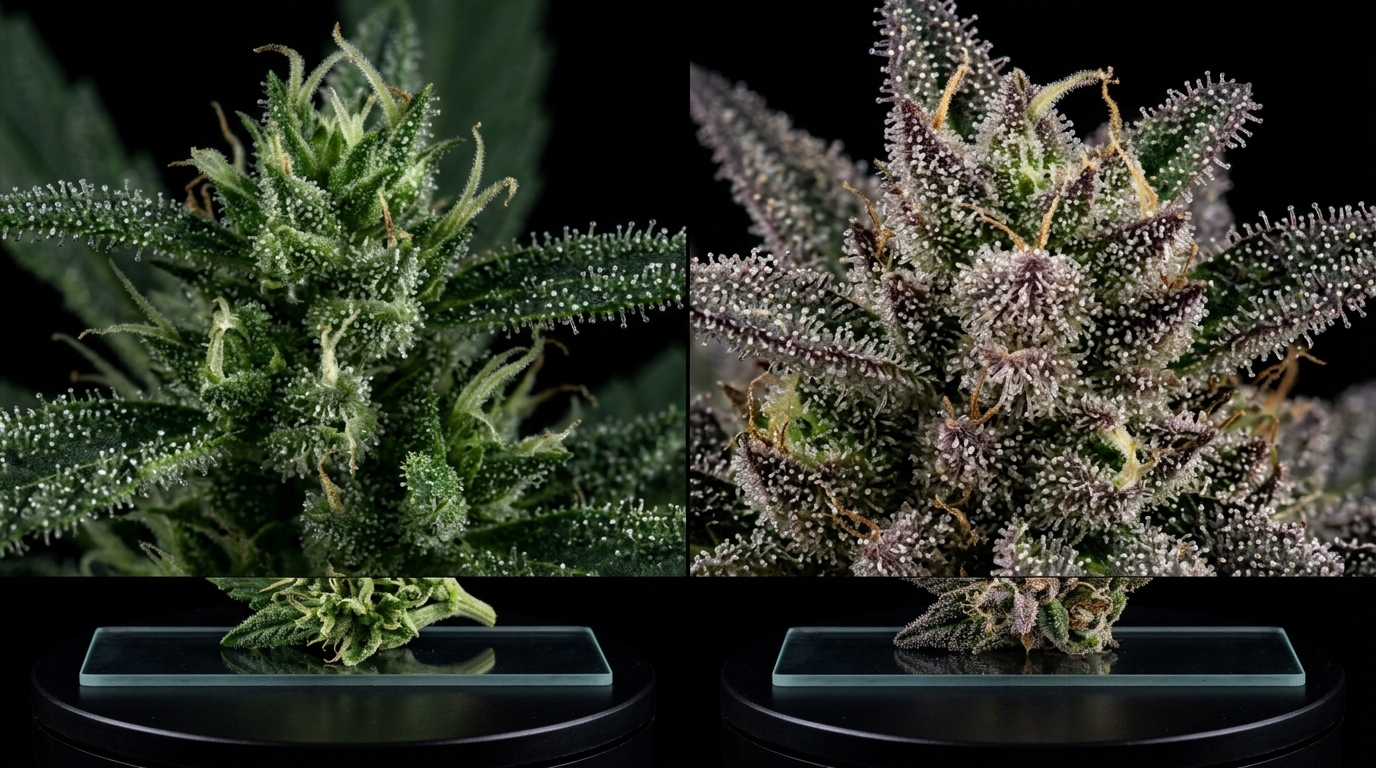
This is where the terminology gap has real legal consequences. Hemp and marijuana are both cannabis. Same genus, same species in many cases. The only legally recognized difference in the US is THC concentration. Below 0.3% THC by dry weight, it is hemp. Above that threshold, it becomes “marijuana” under federal law and is classified as a Schedule I controlled substance.
That single number determines whether a farmer can legally grow a crop outdoors in Kentucky or whether a grower in a non-legal state faces criminal charges. The word “cannabis” encompasses both sides of that line. “Marijuana” only describes one side. Using the terms interchangeably in a legal or regulatory context can create genuine confusion about what is and is not permitted.
For growers interested in high-THC genetics, understanding this distinction is foundational. Whether you are starting with feminized seeds, autoflowering varieties, or regular photoperiod genetics, you are growing cannabis. The product you harvest, if it exceeds 0.3% THC, becomes what the law calls marijuana. Same plant. Different word. Enormous legal difference.
Frequently Asked Questions
Is marijuana the same as cannabis?
Technically, marijuana is a subset of cannabis. Cannabis is the genus name for the entire plant family, including hemp. Marijuana refers specifically to cannabis with psychoactive THC levels above the 0.3% legal threshold. All marijuana is cannabis, but not all cannabis is marijuana. Hemp, for example, is cannabis but is not marijuana under US federal law.
Why do scientists prefer “cannabis” over “marijuana”?
The word “marijuana” carries documented political baggage from early 20th-century US drug prohibition campaigns, during which it was used to stigmatize both the plant and immigrant communities. Scientific literature has largely abandoned the term in favor of the neutral, taxonomically accurate “cannabis.” Research published by the National Academies and in major peer-reviewed journals consistently uses “cannabis” to avoid embedding historical bias into clinical and scientific discourse.
Is the word “marijuana” considered offensive?
Its use is contested. Many advocates, researchers, and public health professionals avoid it because of its racist origins in American drug policy history. Others argue that reclaiming the word removes its power. There is no universal consensus, but the professional and scientific trend is clearly moving toward “cannabis.” If you are writing for a broad or formal audience, “cannabis” is the safer and more accurate choice.
Does it matter which term I use when buying seeds?
Not for the transaction itself. Seed banks and retailers use both terms interchangeably. What matters is understanding that you are purchasing cannabis genetics. Whether a site calls them “marijuana seeds” or “cannabis seeds,” you are getting the same product. The terminology becomes important when discussing legality in your jurisdiction, since local laws may use one term or the other in their statutes.
Can hemp become marijuana?
Genetically, hemp and high-THC cannabis are often the same species. A hemp plant grown under stress or bred selectively could theoretically produce higher THC concentrations. In practice, licensed hemp cultivars are bred to stay below the 0.3% THC threshold. If a crop tests above that level, it is legally reclassified as marijuana under US federal law, regardless of the grower’s intent. This is a real and costly problem for hemp farmers.
For a broader look at cannabis terminology, plant science, and growing concepts, explore our cannabis glossary. You might also find our deep-dive into the entourage effect useful for understanding why cannabinoid ratios matter beyond just the THC percentage. And if you want to understand the third cannabis species that makes autoflowering genetics possible, our guide to Cannabis ruderalis is worth reading.
Ready to grow high-quality cannabis from verified genetics? Browse our full selection of feminized seeds, chosen for consistent cannabinoid ratios and reliable terpene profiles.