Deps is cannabis slang for “light deprivation” flower. Growers use blackout tarps or automated greenhouse systems to artificially shorten daylight hours, tricking photoperiod plants into flowering earlier than nature intended. The result sits quality-wise between full outdoor and true indoor, often offering better terpene expression than you’d expect from a sun-grown harvest.
Reviewed by Travis Cole, Cannabis Culture Writer | Updated April 2, 2026
I remember the first time a buddy handed me a jar and said, “That’s deps, bro.” I had no idea what he meant. I just knew the flower smelled like a fruit stand in July and hit cleaner than half the indoor I’d been buying. That jar sent me down a rabbit hole I never really climbed out of.
What Does “Deps” Mean in Weed Culture?
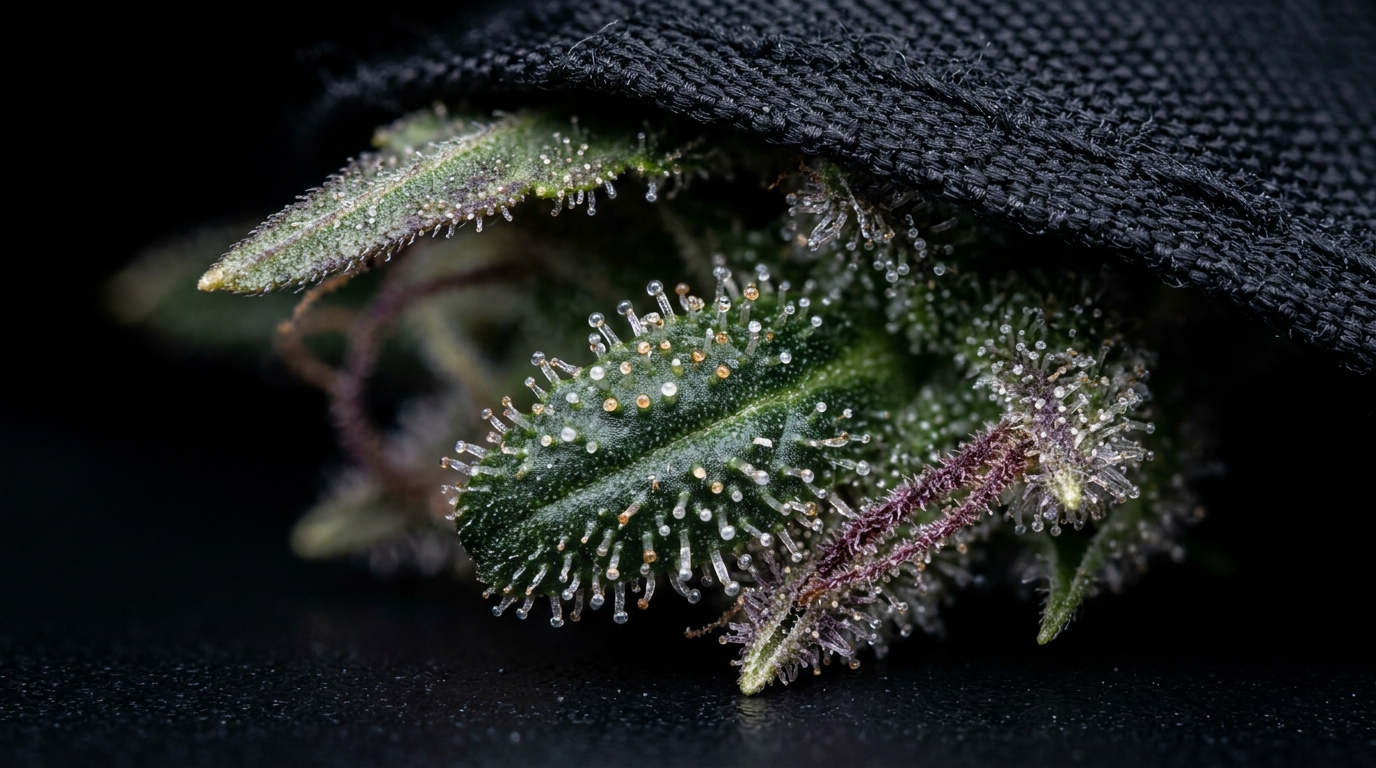
Light deprivation is a cultivation technique where growers control how much light their cannabis plants receive each day, forcing them into the flowering stage on the grower’s schedule rather than waiting for autumn’s natural shortening of daylight hours. “Deps” is simply the shorthand the cannabis community landed on for flower produced this way.
The science is pretty straightforward. Cannabis photoperiod strains flower when they sense roughly 12 hours of uninterrupted darkness per day, their biological signal that fall is coming. With deps, you pull heavy blackout tarps over your greenhouse each afternoon and remove them the next morning. You’re essentially lying to the plant about what season it is. The plant believes you completely.
Some operations use fully automated systems with motorized blackout curtains and timers. Others are just farmers hauling tarps by hand twice a day. Both produce what the market calls deps. The California Department of Cannabis Control actually recognizes light deprivation as its own cultivation category, separate from standard outdoor and mixed-light, which tells you how established this method has become in legal markets.
Deps vs Indoor vs Outdoor: Where Does It Actually Sit?
Light dep cannabis occupies a distinct middle tier in the quality spectrum, generally outperforming standard outdoor in terpene preservation and bag appeal while costing less to produce than fully climate-controlled indoor flower.
Full outdoor grows let the sun do everything on its own schedule. Harvest comes once a year in the fall. The plants get enormous, which is beautiful, but pest pressure and weather events can wipe out months of work with zero warning.
True indoor growing gives you total environmental control over lights, temperature, humidity, and CO2. You can run back-to-back cycles year-round. The trade-off is cost, and that cost gets passed to consumers, which is why premium indoor commands the highest shelf prices.
Deps sits right between those two worlds. You’re using the sun as your primary light source, keeping energy costs low, but controlling the photoperiod artificially so you can run two to three harvests per season. That’s common practice in California’s Emerald Triangle. The greenhouse also offers some protection from the elements that plague fully outdoor grows, and terpene profiles on good deps can be genuinely stunning because natural sunlight produces a full spectrum that even the best LED arrays struggle to fully replicate.
Did you know? According to the California Department of Cannabis Control, “Mixed-Light Tier 1” and “Mixed-Light Tier 2” licenses specifically cover light deprivation cultivation, making California one of the few states with a formal regulatory framework that distinguishes deps growing from standard outdoor production.
How the Deps Process Works in Practice
The practical execution of a light dep grow involves consistent daily light management, solid greenhouse infrastructure, and careful attention to plant health throughout an artificially shortened vegetative period. Most experienced deps farmers develop a tight daily rhythm the whole operation runs around.
You start your seeds or clones under long days, letting them veg out and build a solid canopy. Then you start the blackout schedule, pulling tarps at the same time every single day. Miss a day, or let light leak through a gap in your covering, and you risk stressing the plant into hermaphroditism. That’s a nightmare scenario. No grower wants pollen sacs showing up in a female crop.
Good blackout material has to block light completely, because even a small amount of stray light during the dark period can interrupt the hormonal cascade that drives flowering. Growers in hot climates, and I’m looking at myself here in Central Texas, also wrestle with heat buildup under tarps during afternoon pulls. Ventilation is something you think about constantly in a deps setup.
The flowering period runs the same as any photoperiod strain, anywhere from seven to eleven weeks depending on genetics. Strains like Sunset Sherbet, Zkittlez, and Lemon Cherry Gelato are popular deps choices because they finish fast, express gorgeous terpene profiles under natural light, and hold up well to the minor environmental fluctuations that greenhouse growing involves. Research published through Cannabis and Cannabinoid Research suggests that environmental factors including light quality and temperature significantly influence terpene expression during the flowering stage, which is a big part of why sun-grown deps gets so much love from terpene-forward consumers.
Why Deps Weed Has Earned Serious Respect
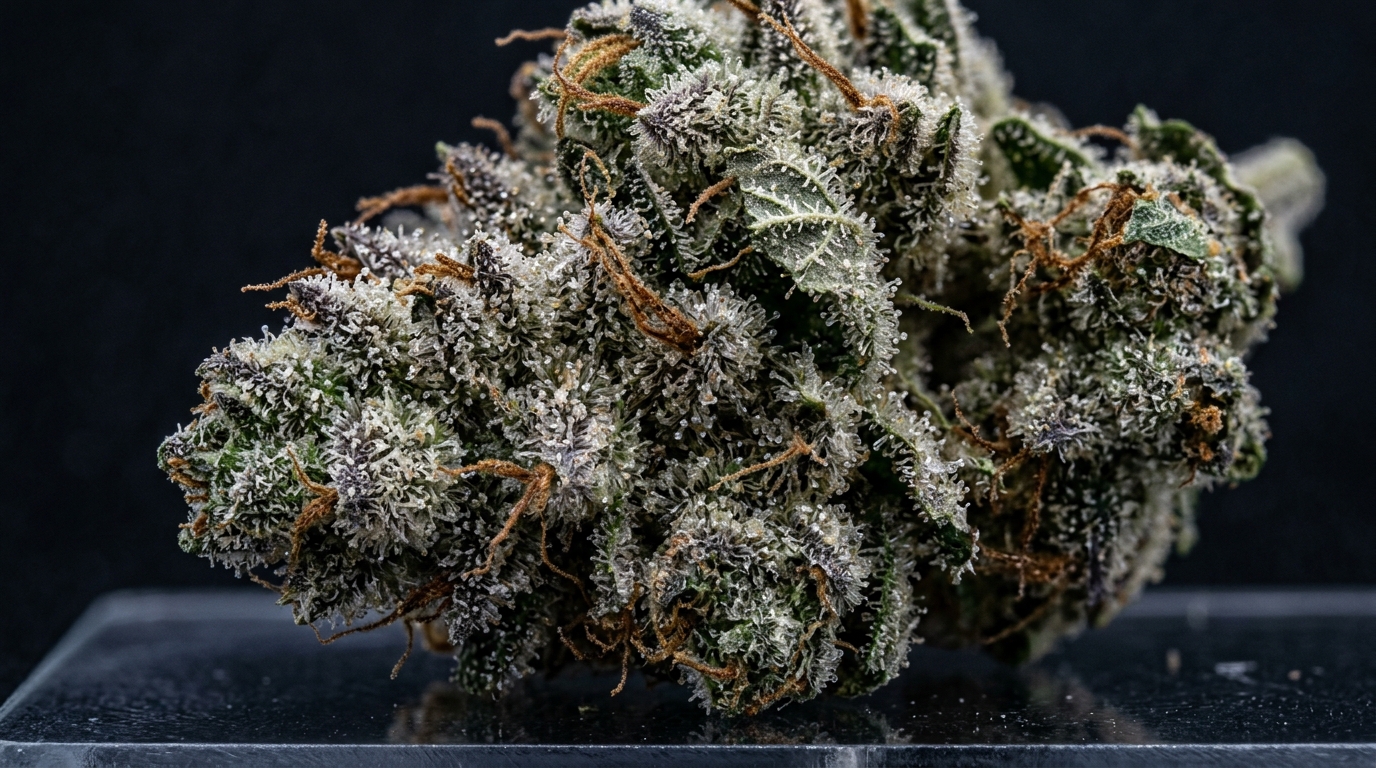
Light deprivation cannabis has moved from a niche West Coast technique to a widely respected cultivation category because it consistently delivers quality flower at a price point that makes sense for both producers and consumers.
The economics matter a lot here. A deps grower running two or three cycles per season on the same greenhouse footprint produces significantly more flower per year than a single outdoor harvest allows, while keeping energy costs a fraction of what full indoor operations spend. That efficiency often translates to better value for consumers without sacrificing quality.
I’ve smoked deps flower from Northern California that genuinely rivaled some of the best indoor I’ve ever had. The terps were alive. The bag appeal was there. And knowing it grew under the actual sun, just with a little human help on the light schedule, made it feel more connected to the earth somehow. Understanding how Photoperiod genetics respond to light cycles is key to appreciating why deps works as well as it does. The plant’s sensitivity to darkness is the whole mechanism, and deps growers are simply using that sensitivity as a tool.
Key Facts
✓ “Deps” is short for light deprivation, a technique using blackout covers to trigger flowering in photoperiod cannabis plants ahead of the natural season
✓ Deps growers can typically run 2 to 3 harvest cycles per season compared to a single annual harvest for standard outdoor grows
✓ California’s Department of Cannabis Control recognizes light deprivation as a distinct cultivation license category under Mixed-Light Tier 1 and Tier 2
✓ Deps flower generally sits above standard outdoor but below premium indoor in quality tier, with sun-grown terpene profiles as a key selling point
✓ Light leaks during the dark period can stress deps plants into hermaphroditism, making consistent blackout coverage the most critical part of the process
✓ The technique is especially common in California’s Humboldt, Mendocino, and Trinity counties, known collectively as the Emerald Triangle
Frequently Asked Questions
Are deps indoor or outdoor cannabis?
Deps is neither fully indoor nor fully outdoor. It’s a greenhouse or hoop-house method that uses natural sunlight as the primary light source while artificially controlling the daily light cycle with blackout coverings. Most cannabis markets and regulatory frameworks categorize deps as “mixed-light” cultivation, placing it in its own tier. Quality-wise, good deps typically outperforms standard outdoor and approaches premium indoor, though the best fully controlled indoor environments can still edge it out on consistency.
What does “AAA deps” mean?
AAA deps refers to top-shelf light deprivation flower graded at the highest quality tier. The grading system isn’t standardized across the industry, but AAA generally signals dense, well-trimmed buds with strong terpene expression, good trichome coverage, and no visible defects. It’s the premium end of the deps market, and when you find it, the price usually reflects that. Think of it as a quality grade stamp stacked on top of the cultivation method itself.
Is deps weed better than regular outdoor?
Generally speaking, yes. Deps tends to produce higher quality flower than single-harvest outdoor grows, though exceptional outdoor can absolutely compete. The main advantages are better pest and environmental protection from the greenhouse structure, more precise harvest timing, and often stronger terpene preservation. That said, a skilled outdoor grower with ideal climate conditions and premium genetics can produce flower that holds its own against anything. Grower skill matters more than method alone.
Can I grow deps at home?
Absolutely, and it doesn’t have to be complicated. Home growers run small-scale deps setups all the time using simple hoop houses with blackout fabric, or by manually covering outdoor plants with a dark tarp each evening and removing it each morning. The key is consistency. Same time every day, zero light leaks. A small greenhouse kit with blackout curtain material is an affordable setup for backyard growers who want multiple photoperiod harvests per season. Browse our cannabis glossary for more growing terms explained in plain language.
Ready to run your own deps cycle? Start with proven photoperiod genetics that reward natural light and finish fast enough for multiple harvests per season.