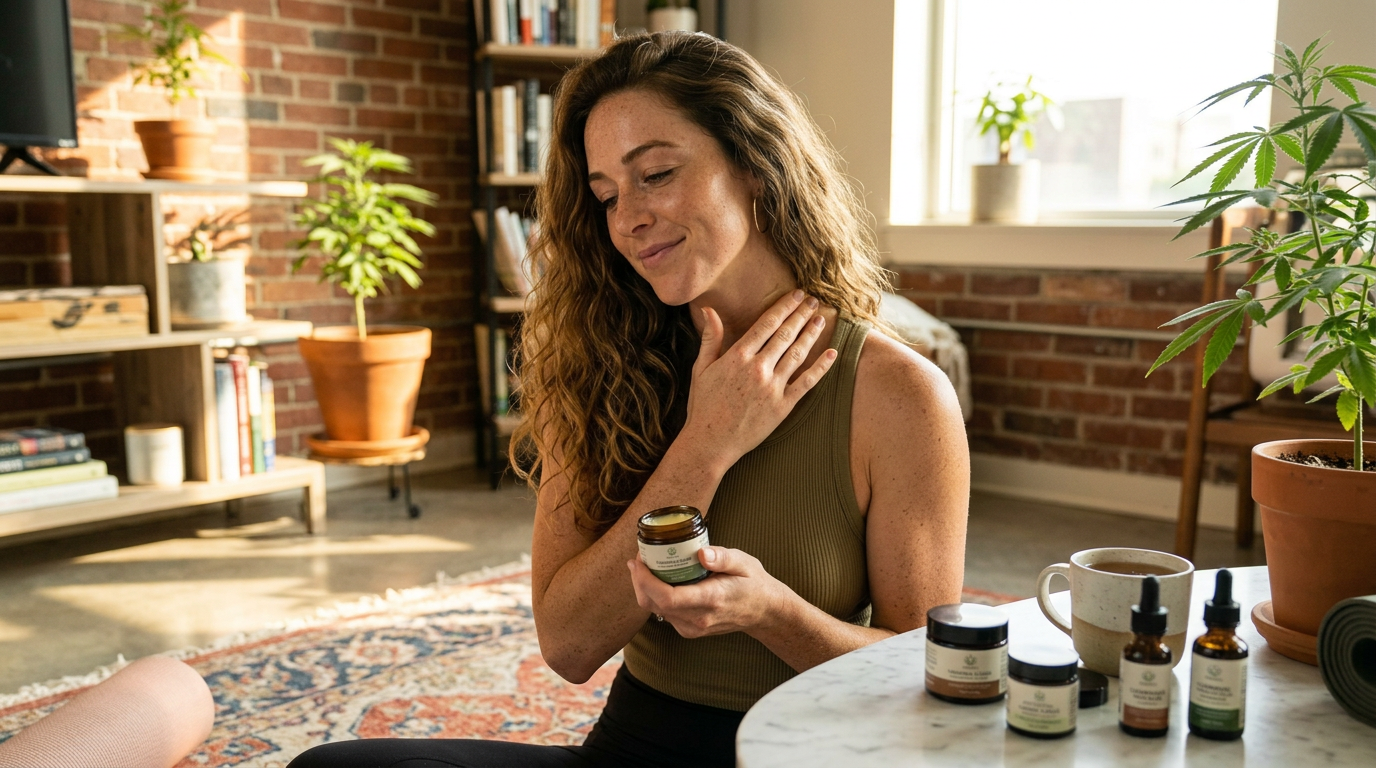
I still remember the first time a friend handed me a cannabis-infused balm at a dinner party in Silver Lake. I was skeptical — not about cannabis in general, obviously, but about rubbing it on my skin. I’d been nursing a stubborn knot in my shoulder from hunching over my laptop for weeks, and she just smiled and said, “Trust me, you won’t feel high. You’ll just feel better.” Twenty minutes later, the tension had genuinely softened. No head change, no couch lock, just… relief. That moment changed how I think about cannabis as a wellness tool, and honestly, it’s one of the reasons I’m so passionate about covering the full spectrum of what this plant can do. Not every cannabis experience has to involve smoking, vaping, or even eating an edible. Sometimes it’s as simple as a balm you massage into your hands before bed.
Cannabis topicals are one of the most misunderstood corners of the cannabis world, and I want to change that. Whether you’re curious about pain relief, nervous about drug tests, or just wondering if that CBD lotion your coworker swears by actually does anything — this guide covers everything. We’ll dig into the science, break down the different product types, and address the big question everyone Googles at least once: will this get me high? Spoiler: probably not. But the “probably” has some nuance worth understanding. For a broader look at all the ways people consume cannabis, the complete consumption method guide is a great companion read to this one.
What Exactly Are Cannabis Topicals?
Cannabis topicals are cannabis-infused products applied directly to the skin rather than inhaled or ingested — and they represent one of the fastest-growing segments of the legal cannabis market in states like California, Colorado, and New York. The category includes a surprisingly wide range of products: creams, balms, salves, lotions, oils, gels, bath bombs, and transdermal patches. What they all share is the delivery mechanism — your skin — but how deeply those cannabinoids penetrate, and what they do once they get there, varies dramatically by product type.
Most topicals contain THC, CBD, or a combination of both cannabinoids, and increasingly you’ll see formulations featuring minor cannabinoids like CBG and CBN alongside terpenes that add their own therapeutic dimension. The formulation matters enormously. A well-made topical uses a carrier base — think coconut oil, shea butter, or beeswax — that helps cannabinoids bind to the skin and reach the receptors underneath. A poorly formulated one might just sit on the surface and do very little, which explains the mixed reviews you’ll find on Reddit threads about topical effectiveness. The quality of the extraction, the concentration of cannabinoids, and the sophistication of the base formula all determine whether a product actually works.
How Do Cannabis Topicals Actually Work? The Skin Science
Cannabis topicals work by engaging the endocannabinoid system (ECS) that exists within your skin itself — and this localized interaction is the key to understanding why they behave so differently from other consumption methods. Your skin isn’t just a barrier; it’s a biologically active organ with its own network of CB1 and CB2 receptors, along with other receptor types like TRPV1 that respond to cannabinoids. When you apply a topical, cannabinoids bind to these receptors in the skin, underlying muscle tissue, and peripheral nerves, triggering anti-inflammatory and analgesic responses right at the site of application.
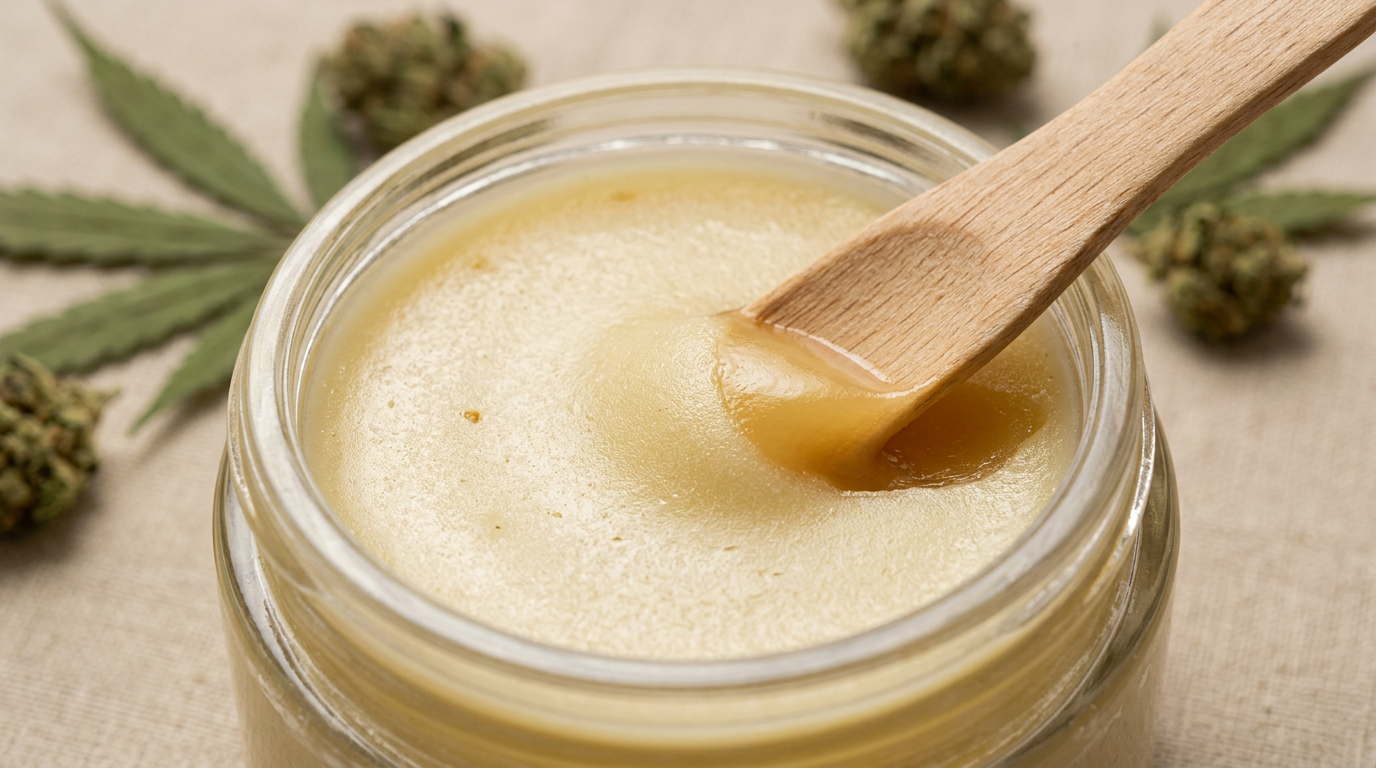
The reason standard topicals don’t produce psychoactive effects comes down to skin barrier mechanics. Your skin is remarkably good at keeping things out of your bloodstream — that’s literally one of its primary jobs. The outermost layer, the stratum corneum, acts as a lipid-rich gatekeeper. While cannabinoids are lipophilic (fat-loving) and can penetrate this layer to some degree, research published on PubMed found that topical application of THC-containing products is not able to cause positive cannabinoid findings in blood or urine. The cannabinoids simply don’t make it through in quantities that would reach the brain or trigger systemic effects. They do their work locally and stop there.
This is also why topicals can feel so fast-acting compared to edibles. When you eat a cannabis edible, it has to travel through your digestive system, get metabolized by your liver, and then enter the bloodstream before reaching its targets — a process that can take anywhere from 30 minutes to two hours. With a topical, you’re applying cannabinoids directly to the area that needs them. Most users feel relief within 10 to 30 minutes of application, which is a meaningful advantage when you’re dealing with acute soreness or flare-up pain. Maya Chen covers the deeper biochemistry of how cannabinoids interact with receptors in her work on how cannabinoids work together, which is worth reading if you want to go further down the science rabbit hole.
Do Cannabis Topicals Get You High? The Honest Answer
No — standard cannabis topicals, including creams, balms, salves, and lotions containing THC, do not produce psychoactive effects under normal use conditions. This is the most important thing to understand about topicals, and it’s also what makes them so appealing to people who want the therapeutic benefits of cannabis without any intoxication. You can apply a THC-rich balm to your knee before a work meeting and nobody — including you — will notice anything except potentially less knee pain.
The science backs this up clearly. Cannabis does not produce its psychoactive effects through local skin application. THC has to reach your brain via the bloodstream to produce the “high” most people associate with cannabis, and as we covered above, the skin barrier prevents that from happening with conventional topical formulations. I’ve personally used high-THC topicals (we’re talking 500mg+ per jar) on sore muscles after hiking in Griffith Park and felt zero psychoactive effect — just genuine muscle relief.
Here’s where I have to give you the important exception, though: transdermal patches are a different category entirely. Unlike creams and balms that work at the skin surface and just below it, transdermal patches are specifically engineered to drive cannabinoids through all layers of the skin and into the bloodstream. They use penetration enhancers — chemical agents that temporarily disrupt the skin barrier — to achieve systemic delivery. A THC transdermal patch absolutely can produce psychoactive effects, because that’s literally what it’s designed to do. If you see a patch marketed for “systemic relief” or “full-body effects,” treat it like any other THC product and plan accordingly. Start low, don’t drive, and don’t wear one to your 9 a.m. Zoom call.
Transdermal Patches vs. Traditional Topicals: Why the Difference Matters
Transdermal patches represent a fundamentally different delivery system from every other topical product — they’re essentially slow-release edibles worn on the skin, and understanding this distinction can save you from an unexpectedly interesting afternoon. Traditional topicals (creams, balms, salves, lotions) are designed for localized, surface-level delivery. Patches are designed for systemic delivery, meaning the cannabinoids enter your bloodstream and circulate throughout your body, just like they would if you’d eaten an edible or vaped.
The practical implications are significant. Transdermal patches can get you high if they contain THC. They can also potentially show up on a drug test, for the same reason edibles and inhalation can — once THC is in your bloodstream, your body metabolizes it into THC-COOH, the metabolite that urine tests screen for. The advantage of patches, from a medical standpoint, is that they provide steady, controlled dosing over an extended period — often 8 to 12 hours — which makes them useful for chronic pain management where consistent cannabinoid levels matter more than localized spot treatment.
CBD-only transdermal patches are a middle ground worth knowing about. Because CBD is non-intoxicating even when it reaches the bloodstream, a CBD transdermal patch won’t get you high. However, if you’re subject to drug testing, even CBD patches carry a small risk if the product contains trace amounts of THC (as full-spectrum products do), since systemic absorption could theoretically accumulate enough THC metabolites to trigger a sensitive test. If drug testing is a concern for you, CBD isolate patches are the safest option in this category.
Types of Cannabis Topicals: A Breakdown by Product Form
The topical category has exploded in the years since California legalized adult use, and walking into a dispensary in LA or Denver now means facing an entire wall of options. Understanding what each format does well helps you pick the right tool for the job rather than just grabbing whatever has the prettiest packaging.
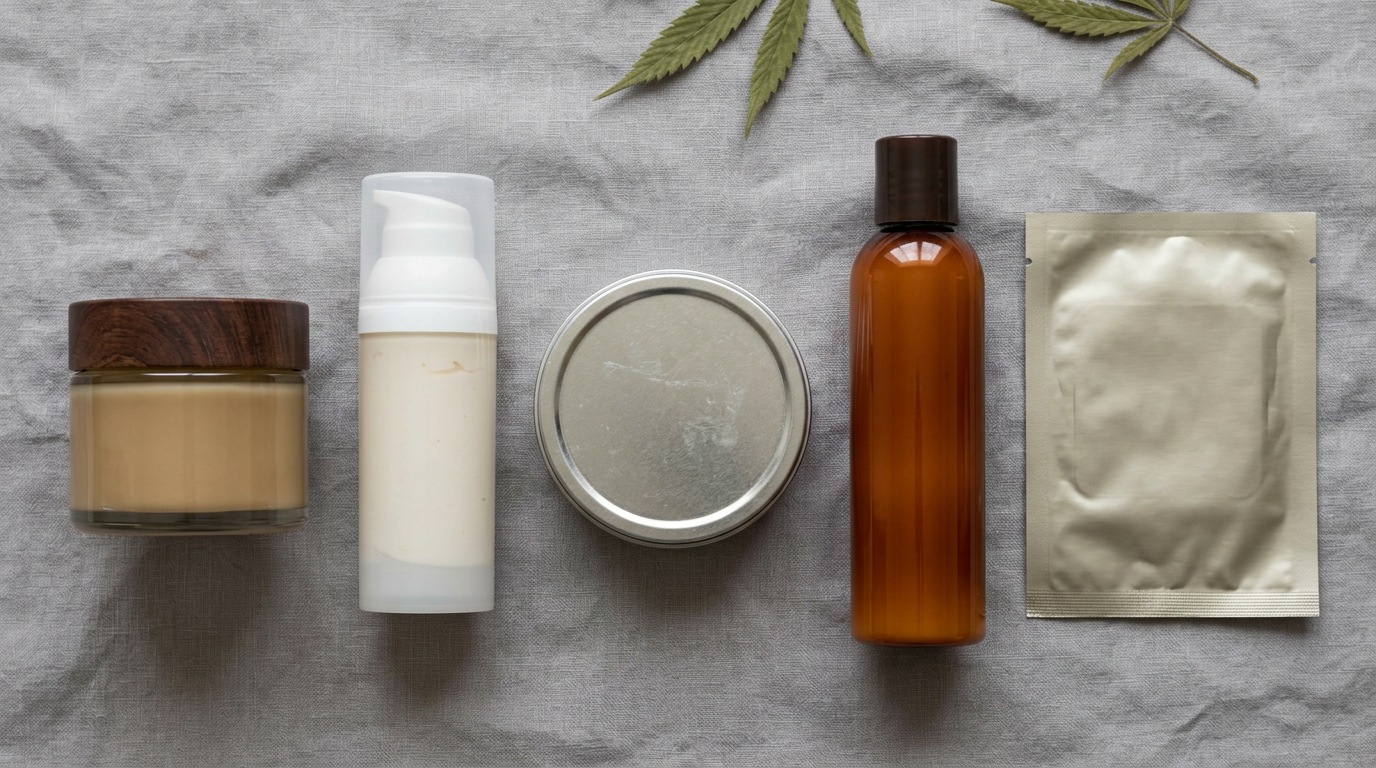
Creams and lotions are the most familiar format — they feel like any moisturizer you’d buy at a pharmacy, with a water-and-oil emulsion base that absorbs relatively quickly. They’re great for covering larger surface areas like your back, thighs, or chest, and they tend to have a lighter feel that works well for daily use. The tradeoff is that because they absorb faster, their effects may not last as long as thicker formulations.
Balms and salves are my personal favorites for targeted pain relief. They’re thicker, wax-based formulas (often using beeswax or plant waxes) that sit on the skin longer and create a more sustained delivery window. Because they don’t absorb as quickly, they tend to have the longest-lasting effects among topical product types — which makes them ideal for joint pain, arthritis flare-ups, and anything you want to treat before bed. I keep a CBD-dominant balm on my nightstand for exactly this purpose.
Bath bombs are the most indulgent entry in the category, and honestly one of my favorite ways to introduce skeptical friends to cannabis wellness. You drop one in a warm bath, the cannabinoids disperse in the water, and your entire body surface absorbs a gentle dose. The warm water opens your pores and increases blood flow to the skin, which may enhance absorption. The effects are diffuse and relaxing rather than targeted — think full-body tension release rather than spot treatment. They’re non-intoxicating, they smell incredible, and they make for a genuinely luxurious experience.
Oils and serums are increasingly popular for facial use and skin conditions like eczema and psoriasis. CBD-dominant face oils have found a real audience among people dealing with inflammation-related skin issues, and the lightweight texture works well for the face. Just be mindful of formulations — not everything marketed as “cannabis-infused” contains meaningful cannabinoid concentrations.
Intimacy products — lubricants, arousal serums, and massage oils — are a growing subcategory that deserves its own mention. Cannabis-infused intimacy products typically use CBD or THC (or both) to increase blood flow, reduce tension, and heighten sensitivity in a very localized way. They’re non-intoxicating when applied topically, though some formulations designed for mucous membranes may have slightly different absorption profiles than products applied to regular skin.
| Product Type | Onset Time | Duration | Gets You High? | Best For |
|---|---|---|---|---|
| Cream / Lotion | 10–20 min | 2–4 hours | No | Large areas, daily use, skin conditions |
| Balm / Salve | 15–30 min | 4–6 hours | No | Joint pain, arthritis, targeted relief |
| Bath Bomb | 20–40 min | 1–3 hours | No | Full-body relaxation, muscle tension |
| Transdermal Patch (THC) | 30–60 min | 8–12 hours | Yes (THC only) | Chronic pain, systemic relief |
| Transdermal Patch (CBD) | 30–60 min | 8–12 hours | No | Sustained CBD delivery, chronic conditions |
| Oil / Serum | 10–20 min | 2–4 hours | No | Facial skin conditions, eczema, psoriasis |
| Intimacy Product | 5–15 min | 1–2 hours | No (topical use) | Arousal, tension relief, sensitivity |
What Are Cannabis Topicals Good For? Real Use Cases
Cannabis topicals are most effective for conditions where localized relief is the goal — and the research increasingly supports their use for inflammation-related pain in particular. A study published in the National Institutes of Health’s PubMed Central found that patients treated with cannabis or cannabinoids are more likely to experience clinically significant pain reduction, and rodent studies have shown that topical THC application reduced inflammation by inhibiting proinflammatory mediators. While human clinical research on topicals specifically is still catching up to anecdotal evidence, the mechanistic basis for their effectiveness is well-established.
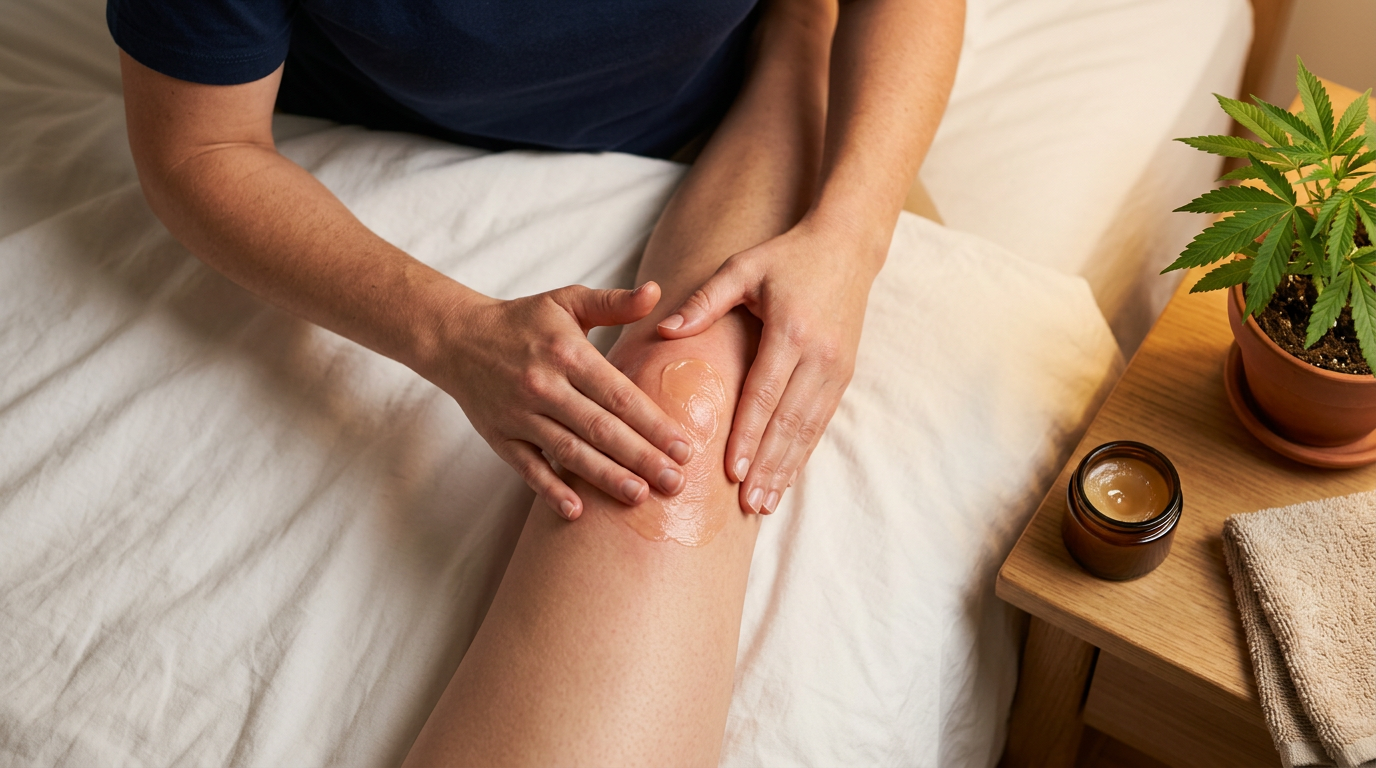
Arthritis and joint pain is probably the most common reason people seek out topicals, and it makes intuitive sense — you’re applying cannabinoids directly to the inflamed joint rather than relying on systemic delivery to find its way there. Many people with hand arthritis in particular swear by regular balm application, and I’ve heard similar feedback from older family members in states like Florida and Arizona where medical cannabis programs have been running long enough for patients to develop real routines around topical use.
Muscle recovery is another strong use case. After workouts, long hikes, or any activity that leaves muscles sore and inflamed, a topical can help address that localized inflammation faster than waiting for an oral supplement to work. I love reaching for a CBD-THC ratio balm after a particularly intense yoga class — it’s become as routine as stretching.
Skin conditions like eczema, psoriasis, and dermatitis are an area where CBD topicals in particular are gaining attention. The anti-inflammatory properties of CBD, combined with the moisturizing bases most topicals use, can help soothe irritated skin. Some dispensaries in California and Oregon now stock topicals specifically formulated for skin conditions with dermatologist-friendly ingredient lists.
Headaches and tension respond well to topical application at the temples, neck, and base of the skull for some users — though this is more anecdotal than the joint pain evidence. The menthol or camphor that many topicals include alongside cannabinoids contributes meaningfully to that cooling, tension-releasing sensation.
Neuropathic and nerve pain — conditions like carpal tunnel, tennis elbow, or sciatica — are trickier because the pain source may be deeper than surface topicals can reach. This is where transdermal patches or higher-potency formulations may perform better than a standard cream.
THC vs. CBD Topicals: Which One Should You Choose?
Choosing between THC and CBD topicals — or a ratio product combining both — depends on your specific condition, your state’s regulations, and your personal comfort level with THC-containing products, even in non-intoxicating form. Both cannabinoids have anti-inflammatory properties, but they work through slightly different mechanisms and may perform better for different applications.
CBD-dominant topicals are the most widely available option across the US because hemp-derived CBD products are federally legal under the 2018 Farm Bill. You can find them at pharmacies, wellness shops, and online retailers in states where cannabis remains restricted. They’re a great starting point for anyone new to topicals, and for skin-level inflammation and general muscle soreness, they perform very well.
THC-dominant or THC-CBD ratio topicals are available only in states with legal medical or adult-use cannabis programs — think California, Colorado, Michigan, Illinois, and similar markets. Many experienced topical users find that products with both cannabinoids outperform single-cannabinoid formulations, which aligns with the entourage effect principle: cannabinoids and terpenes working synergistically tend to produce better outcomes than any single compound alone. A 1:1 THC-to-CBD ratio is a popular starting point for pain relief, while higher CBD ratios work well for skin conditions where you want maximum anti-inflammatory effect without any concern about THC content.
Full-spectrum topicals, which include the full range of cannabinoids and terpenes from the cannabis plant, are generally considered more effective than isolate-based products for this reason. If you’ve tried a CBD isolate cream and felt underwhelmed, a full-spectrum or broad-spectrum alternative might give you noticeably better results. The terpene component matters too — caryophyllene, for example, directly binds to CB2 receptors and contributes meaningfully to anti-inflammatory effects. Our cannabis terpenes deep dive has a great breakdown of which terpenes support which therapeutic goals.
Will Cannabis Topicals Show Up on a Drug Test?
Standard cannabis topicals — creams, balms, salves, and lotions — are very unlikely to cause a positive drug test result, and this is one of the most reassuring facts about this product category. Because cannabinoids from conventional topicals don’t enter the bloodstream in significant quantities, they don’t produce the THC metabolites that drug tests screen for. The PubMed research referenced earlier specifically confirms this: topical THC application does not produce positive cannabinoid findings in blood or urine.
The exception, again, is transdermal patches. If a THC transdermal patch delivers cannabinoids systemically — which is its entire purpose — those cannabinoids will be metabolized by your body exactly the same way as inhaled or ingested THC. That means THC-COOH will appear in your urine, and you could test positive. The detection window depends on frequency of use, body composition, and the sensitivity of the test, but the risk is real and shouldn’t be dismissed.
For CBD topicals, the drug test picture is slightly more nuanced. Hemp-derived CBD products can legally contain up to 0.3% THC under federal law, and while that’s a very small amount, there’s a theoretical concern that heavy, regular use of full-spectrum CBD topicals could accumulate trace THC metabolites. In practice, the risk is very low for conventional topicals because of the skin barrier, but if you’re subject to strict drug testing — military, federal employment, professional athletics — CBD isolate products are the safest choice, and transdermal delivery of any kind should be avoided.
How to Make Cannabis Topicals at Home
Making your own cannabis-infused topical at home is genuinely one of the most satisfying DIY projects in the cannabis lifestyle space, and it’s more approachable than most people expect. The basic process involves infusing a carrier oil with decarboxylated cannabis, then incorporating that infused oil into a balm or cream base. If you’re already comfortable making cannabis butter at home, you’ll find the topical process very similar in its early stages.
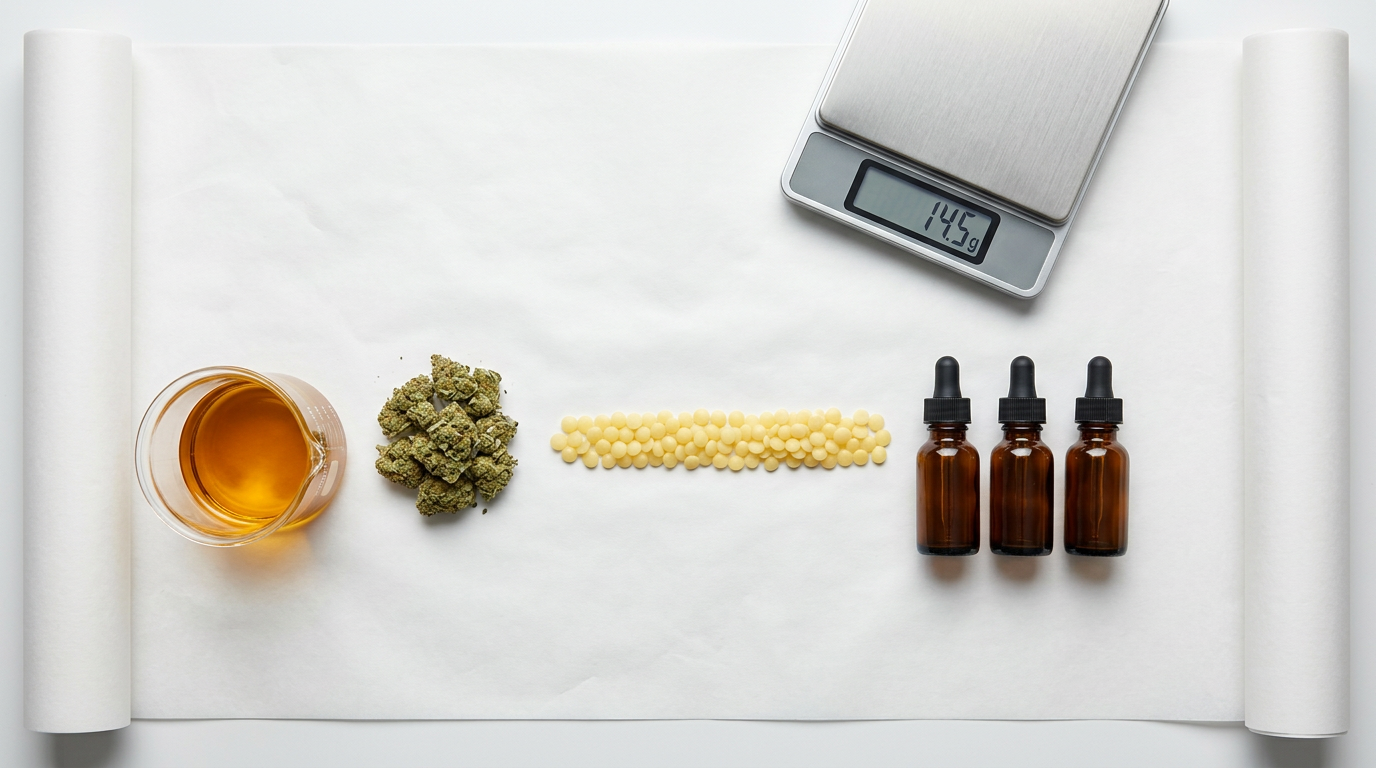
Simple Cannabis-Infused Balm
Ingredients
- 3.5g decarboxylated cannabis (or hemp flower for CBD-dominant)
- 1/2 cup coconut oil
- 2 tbsp beeswax pellets
- 1 tbsp shea butter
- 10–15 drops essential oil of choice (lavender, eucalyptus, or peppermint)
- Optional: 1 tsp arnica oil for extra anti-inflammatory support
Instructions
- Decarboxylate cannabis at 240°F (115°C) for 40 minutes to activate cannabinoids.
- Combine decarboxylated cannabis and coconut oil in a double boiler. Heat on low (160–180°F) for 2–3 hours, stirring occasionally.
- Strain infused oil through cheesecloth, pressing firmly. Discard plant material.
- Return infused oil to double boiler, add beeswax and shea butter. Stir until melted.
- Remove from heat, cool 5 minutes, then stir in essential oils.
- Pour into glass jars and cool completely at room temperature before sealing.
- Label with date and approximate potency.
The quality of your starting material matters enormously in topical making. A high-myrcene strain like Northern Lights or a caryophyllene-forward cultivar like Girl Scout Cookies can add terpene-driven anti-inflammatory benefits to your finished product alongside the cannabinoids. Darrel Henderson has written about cultivar selection for different end uses, and the same logic that applies to choosing strains for edibles applies here — the terpene profile you start with influences the therapeutic character of your final product.
How to Store Cannabis Topicals Properly
Proper storage extends the shelf life of cannabis topicals significantly and prevents the degradation of cannabinoids and the rancidity of carrier oils — two things that will quietly ruin an otherwise great product. The same principles that apply to storing cannabis flower and edibles apply here: keep topicals away from heat, light, and air. Our guide on how long cannabis products last covers the broader picture, but topicals have some specific considerations worth knowing.
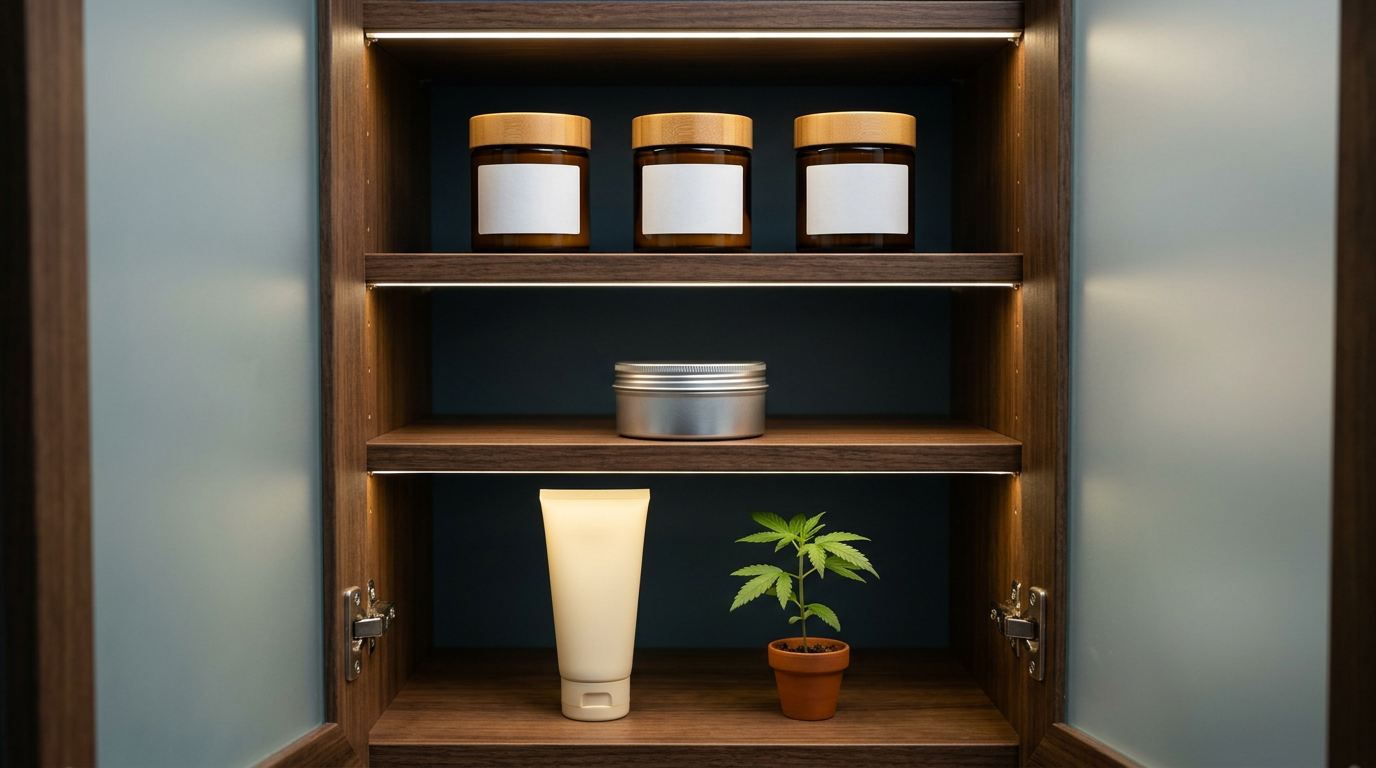
Most commercial topicals have a shelf life of 12 to 24 months when stored correctly. Heat is the biggest enemy — it accelerates both cannabinoid degradation and the breakdown of fats in the carrier base, which leads to rancidity. Keep topicals in a cool, dark cabinet rather than in a bathroom where steam and temperature fluctuations are constant. If you live somewhere with hot summers (hello, fellow Angelenos), storing balms in the refrigerator during peak heat months is a smart move — they’ll firm up in the cold but soften quickly when applied to skin.
Homemade topicals without preservatives have a shorter window, typically three to six months. Using vitamin E oil as an antioxidant in your formula can extend this somewhat. Always use clean hands or a spatula to scoop product from jars — introducing bacteria is the fastest way to shorten a topical’s usable life. And if a topical develops an off smell, changes color dramatically, or separates in a way it didn’t before, trust your instincts and replace it.
How to Choose the Right Cannabis Topical for Your Needs
The best cannabis topical for you depends on three main factors: the condition you’re treating, the potency and cannabinoid profile you need, and the practical format that fits your routine. Thinking through these before you shop — whether you’re at a California dispensary or ordering a hemp CBD product online — will save you from buying something that doesn’t serve your actual needs.

For acute, localized joint pain or arthritis, I’d steer you toward a balm or salve with a meaningful cannabinoid concentration — look for products listing at least 300–500mg of cannabinoids per container, not just a percentage. A 1:1 THC-to-CBD ratio or CBD-dominant formula with full-spectrum extraction tends to work best here. Apply generously and massage in thoroughly; the mechanical action of massage itself improves local circulation and enhances absorption.
For post-workout muscle recovery over larger areas, a cream or lotion is more practical — easier to spread across your back, legs, or shoulders than a thick balm. Look for formulations that include cooling agents like menthol or arnica alongside cannabinoids for that immediate soothing sensation while the cannabinoids do their deeper work.
For skin conditions like eczema or psoriasis, prioritize CBD-dominant formulations with clean, fragrance-free bases. Fragrance can irritate already-sensitive skin, so scan ingredient lists carefully. For chronic, systemic pain that topicals alone can’t address, consider whether a transdermal patch might be appropriate — and if you’re in a legal state, talk to a cannabis-knowledgeable healthcare provider about dosing.
For general wellness, relaxation, and sleep support, a bath bomb or a CBD-rich body oil used in a massage context is a beautiful, low-commitment entry point. Pair it with a relaxing evening routine and you’ll understand very quickly why this category has grown so dramatically. And if you’re curious about other non-smoking consumption methods that work well for relaxation and sleep, the complete edibles guide and the rest of our cannabis blog have plenty of options to explore.
Potential Side Effects and Things to Watch For
Cannabis topicals have a genuinely favorable safety profile compared to most other consumption methods — there’s no respiratory impact, no risk of overconsumption, and no psychoactive effects to manage for most product types. That said, a few considerations are worth keeping in mind, especially if you’re new to the category or have sensitive skin.
Skin irritation or allergic reactions are the most common concern, and they’re usually caused by other ingredients in the formulation rather than cannabinoids themselves. Essential oils, fragrances, and certain preservatives are common culprits. Always do a patch test — apply a small amount to your inner wrist and wait 24 hours before using a new product more broadly. This is especially important if you have a history of contact dermatitis or sensitive skin.
Drug interactions are a theoretical concern for transdermal patches specifically, since systemic cannabinoid delivery could interact with medications metabolized by the CYP450 enzyme system — the same concern that exists for oral cannabis consumption. If you’re on blood thinners, seizure medications, or other medications with narrow therapeutic windows, check with your doctor before using transdermal cannabis products.
For conventional topicals, the main practical risk is simply wasting money on an ineffective product. The market contains a wide range of quality levels, and a $15 “CBD cream” from a gas station is not the same thing as a well-formulated, lab-tested product from a licensed dispensary or reputable hemp brand. Look for products with a Certificate of Analysis (COA) from a third-party lab — this document confirms the actual cannabinoid content and verifies the product is free of pesticides, heavy metals, and solvents.
Frequently Asked Questions
Do cannabis topicals get you high?
No — standard cannabis topicals including creams, balms, salves, and lotions do not produce psychoactive effects, even when they contain THC. The skin barrier prevents cannabinoids from reaching the bloodstream in meaningful quantities, so they work locally without affecting your brain. The one significant exception is transdermal patches specifically designed to deliver cannabinoids systemically, which can produce psychoactive effects if they contain THC.
How long do cannabis topicals take to work?
Most users feel relief within 10 to 30 minutes of applying a cannabis topical. This is faster than edibles, which can take 30 minutes to two hours, because topicals work directly at the site of application rather than requiring digestion and systemic distribution. Thicker formulations like balms may take slightly longer to absorb but often provide longer-lasting effects as a result.
Will cannabis topicals show up on a drug test?
Standard cannabis topicals — creams, balms, and salves — are very unlikely to trigger a positive drug test because the cannabinoids don’t enter the bloodstream in significant amounts. Research published on PubMed confirms that topical THC application does not produce positive cannabinoid findings in blood or urine. Transdermal patches are the exception: since they deliver cannabinoids systemically, THC patches can absolutely cause a positive test result.
What is the difference between a transdermal patch and a regular topical?
A regular topical (cream, balm, salve) works at the skin surface and just below it, providing localized relief without entering the bloodstream. A transdermal patch uses penetration-enhancing agents to drive cannabinoids through all layers of the skin and into systemic circulation, producing full-body effects similar to an edible or inhalation method. This is why THC transdermal patches can get you high and can show up on a drug test, while THC creams and balms cannot.
Does CBD lotion make you relax or feel sleepy?
CBD lotion applied topically won’t produce the systemic relaxation or sedation that some people experience from oral CBD, because the cannabinoids stay localized rather than reaching your brain. However, the act of applying a topical — especially with massage — combined with the tension relief in the treated area can absolutely contribute to a sense of physical relaxation. If you’re looking for sleep or full-body relaxation support from CBD, oral formats like tinctures or capsules are more effective for that purpose.
Can CBD lotion make you test positive on a drug test?
It’s very unlikely for a conventional CBD lotion to cause a positive drug test. Because the skin barrier prevents meaningful systemic absorption, the trace amounts of THC in full-spectrum CBD products don’t accumulate as detectable metabolites. However, if you use a CBD transdermal patch (systemic delivery) with a full-spectrum formula, there is a small but real risk. For anyone subject to strict drug testing, CBD isolate topicals and avoiding transdermal delivery are the safest approach.
What are the benefits of cannabis ointment or balm?
Cannabis balms and ointments offer targeted, localized relief for joint pain, arthritis, muscle soreness, inflammation, and certain skin conditions. They’re non-intoxicating, fast-acting (typically within 10 to 30 minutes), and have a favorable safety profile with minimal side effects. Balms tend to have the longest-lasting effects among topical formats because their thick, wax-based formulation slows absorption and extends the delivery window. They’re also discreet, easy to use, and increasingly available in a wide range of cannabinoid profiles to match specific therapeutic goals.