The Lemon Bean strain is a citrus-forward, sativa-leaning hybrid created from Lemon Tree × OG Eddy (also known as Eddy OG/OG Eddy Lepp in some breeder lines). Often sold by producers such as Cresco and other West Coast breeders, this Lemon Bean weed strain is known for its sharp lemon aroma, energetic effects and dense, resinous flowers. With THC levels commonly reported around 20–22%, Lemon Bean is typically recommended for users with some experience who enjoy bright, daytime-friendly strains.
Growers looking for a zesty sativa-leaning hybrid can find Lemon Bean strain seeds from various breeders. Where available, we offer it as Lemon Bean seeds for home cultivation.
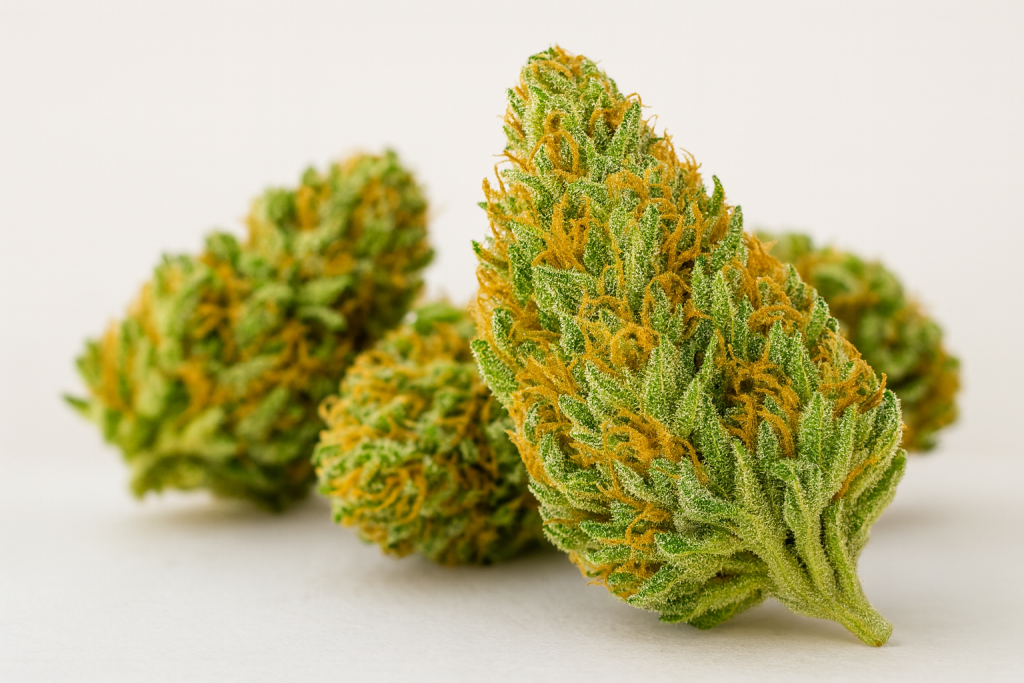
Lemon Bean strain: Quick Specs
| Feature | Details |
|---|---|
| Genetics (commonly reported) | Lemon Tree × OG Eddy (Eddy OG) |
| Type | Sativa-dominant hybrid (often treated as ~70–90% sativa) |
| THC | ~20–22% (commonly reported) |
| CBD | <1% (trace) |
| Dominant terpenes | Limonene, Myrcene, Caryophyllene |
| Flowering (indoor) | ~8–9 weeks (55–60 days) |
| Harvest (outdoor) | Early October |
| Yield (commonly reported) | Approx. 550–600 g/m² indoor; up to 600–800 g/plant outdoor |
| Difficulty | Intermediate |
| Height | Medium–tall (especially outdoors) |
Prefer similar energetic cultivars? Explore more high THC seeds with sativa-leaning effects.
Genetics & Phenotypes
Lemon Bean is commonly reported as a cross of Lemon Tree × OG Eddy, combining the citrus-heavy terpene profile of Lemon Tree with the potency and character of OG Eddy genetics. Several seedbanks and brands have released their own versions of this Lemon Bean cannabis strain, including popcorn flower lines from licensed producers and feminized seed lines from European breeders.
Because multiple breeders work with the same name, Lemon Bean can show some variation from one cut to another. Depending on the phenotype, growers may notice:
- Bud structure: dense, slightly elongated flowers, often “popcorn” size in some commercial batches, larger tops in full-term plants
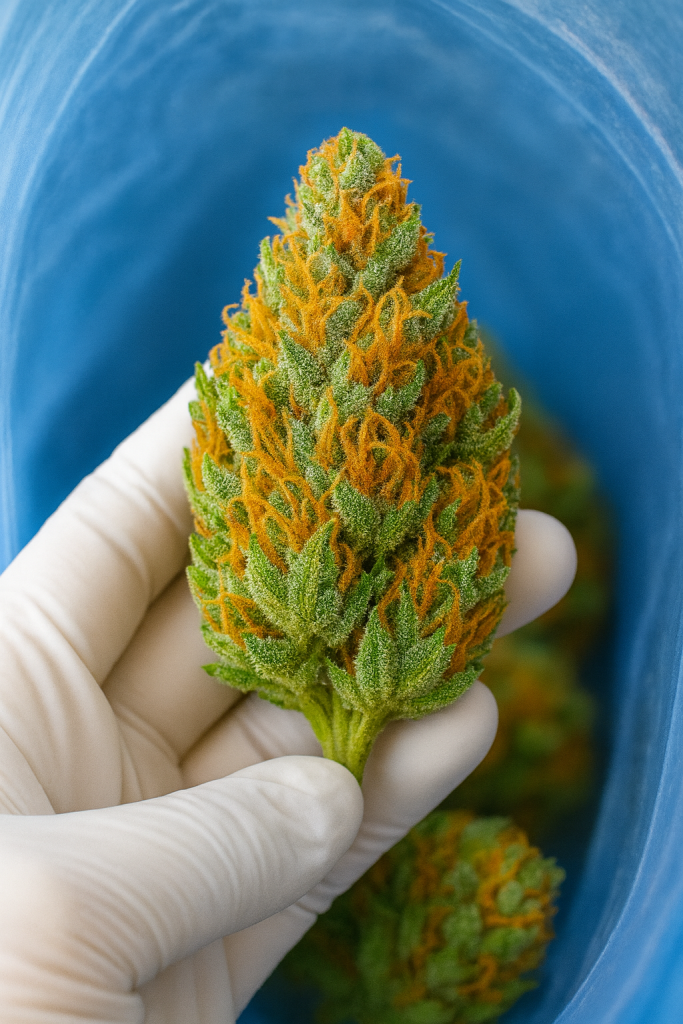
- Color variation: bright lime to deeper green buds with vivid orange pistils and a heavy frosting of trichomes
- Aroma differences: some cuts lean toward intense lemon and citrus rind, others show more floral, earthy or hoppy notes
- Effect shifts: most phenotypes feel strongly sativa-like and uplifting; a few express a slightly more relaxing, tingly finish
Such genetic and phenotypic variation is normal for widely circulated strains, especially when multiple breeders have independently stabilized their own Lemon Bean or Lemon Bean #3/#5 lines.
Aroma, Flavor & Terpene Profile
The Lemon Bean weed strain is all about bright citrus and fresh, zesty top notes. Its terpene profile usually centers on limonene, supported by myrcene and caryophyllene.
Dominant Terpenes
- Limonene – bold lemon peel, citrus zest and a bright, refreshing nose
- Myrcene – softens the profile with light herbal and fruity undertones
- Caryophyllene – adds subtle spice and earth in the background
Aroma Profile
Dry Lemon Bean flowers typically release a vivid citrus-forward aroma with hints of:
- Fresh lemon and lime
- Light diesel or hoppy notes in some cuts
- Floral and herbal hints
- Occasional sweet coffee or spice nuances in Lemon Bean × Italian Ice crosses
Breaking or grinding the buds intensifies the lemon rind character. Some users compare the scent to sparkling lemonade or citrus candy with a faint earthy backbone.
Flavor
When consumed, Lemon Bean often tastes very similar to its aroma:
- Sharp lemon and citrus on the inhale
- A slightly sweet, fruity mid-palate
- Herbal, earthy and sometimes lightly hoppy notes on the exhale
Vaporizing the strain can highlight more delicate lemon and floral tones, while combustion sometimes brings forward more diesel, spice or coffee-like nuances, especially in crosses such as Lemon Bean × Italian Ice.
Effects & Experience
The Lemon Bean strain effects are frequently described as bright, energetic and mentally engaging. Anecdotal reports suggest a fast onset that may bring a noticeable uplift in mood, increased alertness and a sense of motivation. Many users describe a clear-headed, focused high that pairs well with daytime activities, creative work or social situations.
As the session continues, some people experience a gentle, tingly body relaxation while the mind remains active and uplifted. Because Lemon Bean tends to be on the racier side of the spectrum compared to heavier hybrids, it is often considered better suited for daytime or early evening use rather than late at night. As always, experiences vary by individual tolerance, setting and personal sensitivity.
Use Cases & Functional Effects
People who enjoy sativa-leaning strains often reach for Lemon Bean when they want a citrusy, upbeat flower that doesn’t feel too heavy. Commonly reported functional uses include:
- Adding energy and focus to daytime tasks
- Supporting creative projects, brainstorming or problem-solving
- Enhancing walks, outdoor activities or social meetups
- Providing a flavorful, aromatic “wake-and-bake” option for experienced users
Some users say Lemon Bean helps them feel more optimistic or mentally “switched on” during the day, while others simply enjoy it for the flavor and bright effect profile. None of this is medical advice; effects are subjective and not guaranteed.
Possible Side Effects
As a relatively strong, sativa-leaning hybrid, Lemon Bean may feel intense for some users, especially in higher amounts. Reported side effects include:
- Dry mouth and dry or red eyes
- Occasional mild anxiety or nervousness in sensitive users
- A racing or stimulated feeling at high doses
- Difficulty relaxing or falling asleep if used too late in the day
Starting with a low amount and increasing slowly is the safest way to explore Lemon Bean or any other high-THC, sativa-leaning strain.
Grower & User Impressions
Growers and consumers often highlight the following points in Lemon Bean strain reviews and informal reports:
- “Citrus-forward aroma that really smells like fresh lemon.”
- “Popcorn-sized nugs from some Cresco Lemon Bean batches, but very flavorful and well-cured.”
- “Feels like a true daytime sativa – energetic but still manageable when dosed reasonably.”
- “Great choice for people who like lemon, haze and other citrus-heavy profiles.”
Overall, Lemon Bean is often remembered as a lively, lemony hybrid that rewards careful dialing-in of dose and environment.
Grow Guide
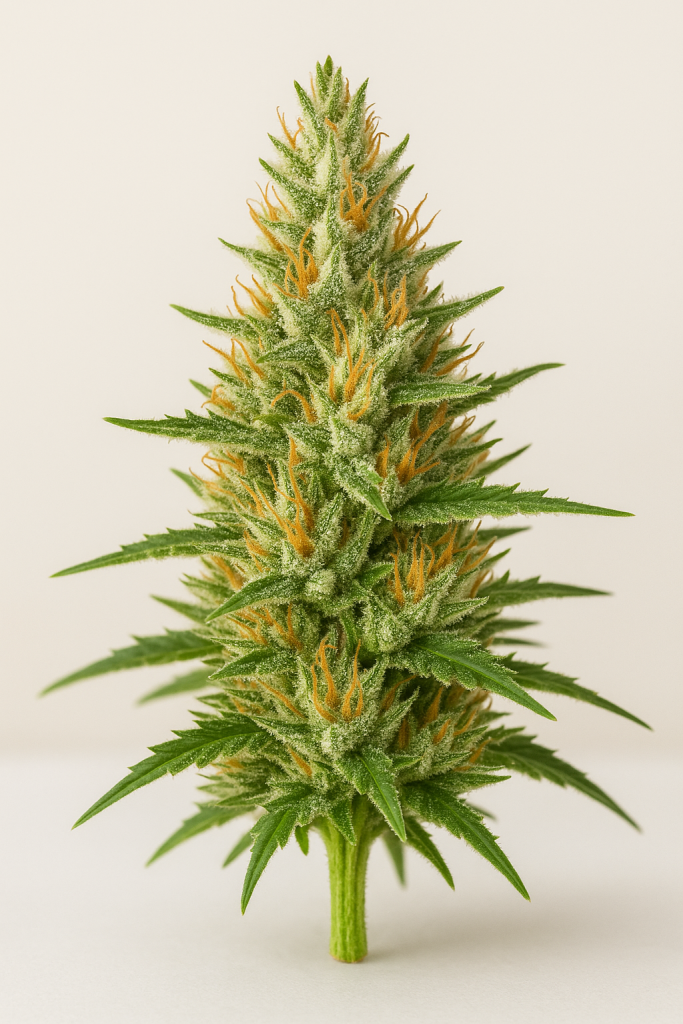
Lemon Bean generally grows as a vigorous, branching plant with a sativa-leaning structure. Internodal spacing tends to be medium, and plants can stretch noticeably after the flip to 12/12. Indoors, growers often top the plant once or twice in veg and use basic training to keep the canopy even.
Reported flowering time indoors is roughly 8–9 weeks (55–60 days). Under strong lights and in a controlled environment, growers commonly achieve around 550–600 g/m². Outdoors, plants can grow quite tall and may yield up to 600–800 g per plant when given ample root space and a warm season.
Ideal conditions for Lemon Bean typically include daytime temperatures around 21–26°C with slightly cooler nights, plus good air movement to support resin development and reduce moisture around the buds. Outdoor growers in mild to warm climates usually target an early October harvest.
Growing Characteristics Summary
| Factor | Rating |
|---|---|
| Difficulty | Intermediate |
| Nutrient sensitivity | Medium (responds well to balanced feeding; avoid heavy overfeeding) |
| Training response | Very good (topping, LST and SCROG-friendly) |
| Stretch during flower | Medium–High (up to ~2×) |
| Mold resistance | Moderate (dense buds require good airflow) |
| Climate preference | Warm, relatively dry with strong air circulation |
Advanced Grow Tips for Lemon Bean
These observations are based on common grower reports, indoor trials, and comparisons across different Lemon Bean seed lines from European seedbanks and licensed producers.
1. Training Techniques (Topping, LST & SCROG)
Lemon Bean responds well to topping and Low Stress Training (LST). Topping once or twice in veg and gently bending branches outward can create a broad, even canopy. In more advanced setups, a SCROG (Screen of Green) layout can help tame stretch and maximize light exposure to each top.
2. Managing Humidity & Airflow
Because Lemon Bean can produce dense, resin-coated buds, humidity and airflow management are important. Many growers aim for relative humidity around 55–60% in veg and 40–50% in late flower, with oscillating fans keeping air moving across the canopy to reduce the risk of mold and to support terpene development.
3. Nutrient Strategy
A balanced nutrient program generally works best, with:
- Moderate nitrogen during veg, tapering off into early flower
- Robust phosphorus and potassium through mid-to-late bloom
- Consistent calcium and magnesium to support vigorous growth and resin production
As with other high-THC hybrids, it’s safer to start with slightly lower EC/PPM and increase gradually than to push nutrients hard and risk burn or lockout.
4. Avoiding Overwatering
Lemon Bean prefers a classic wet–dry cycle, with enough time between waterings for the root zone to receive oxygen. Symptoms of overwatering may include drooping leaves, slow growth and overly saturated media. Well-draining soil or coco and appropriately sized pots help keep roots healthy and active.
5. Temperature Control & Resin Development
Many growers report best results at daytime temperatures of 22–26°C and nighttime temperatures of 18–20°C. Keeping temperatures and VPD (vapor pressure deficit) in a comfortable range supports strong growth, trichome production and full expression of Lemon Bean’s lemon-forward terpene profile.
Lemon Bean Variants & Related Strains
Because of its popularity, several breeders and brands have created related cultivars and phenotype selections linked to Lemon Bean. Examples described by dispensaries and reviewers include:
- Lemon Bean #3 / Lemon Bean #5: phenotype labels sometimes used by producers to distinguish particular cuts that lean more citrusy, more potent or more balanced in effect.
- Lemon Bean × Italian Ice: a cross blending Lemon Bean’s sharp citrus with Italian Ice’s sweet, fruity and creamy profile, often described as having citrus, coffee and dessert-like notes.
- Purple Lemon Bean and purple-leaning cuts: phenotypes or crosses that bring out deeper colors from their lineage, sometimes marketed alongside names like Purple Zkittlez Lemon Bean or Purple Gelato Lemon Bean.
Because these names are used by different breeders and brands (including lines from Cresco, FloRCal and others), the flavor, potency and growth pattern of each Lemon Bean flower strain can vary. Always check breeder or producer documentation and, where available, lab reports for the specific version you are considering.
FAQs
Lemon Bean is generally described as a sativa-dominant hybrid. Many listings classify it as strongly sativa-leaning, even though some breeders note a more balanced hybrid effect with a tingly, relaxing finish.
Most sources list Lemon Bean as a cross of Lemon Tree × OG Eddy (sometimes labeled Eddy OG or Eddy Lepp). Lineages may vary slightly between breeders, but the core profile is citrus-forward and uplifting.
Lemon Bean is known for a sharp lemon and citrus flavor with supporting notes of fruit, herbs and light earth. Some phenotypes and crosses, such as Lemon Bean × Italian Ice, add creamy, sweet or coffee-like undertones.
THC levels for Lemon Bean are commonly reported around 20–22%, with CBD usually under 1% (trace). Actual potency varies by breeder, batch and grow conditions.
Indoors, Lemon Bean usually flowers in about 8–9 weeks (around 55–60 days) after the switch to 12/12, depending on phenotype and setup.
Most growers rate Lemon Bean as intermediate difficulty. It responds well to topping and training, but its vigor and stretch mean that canopy management, airflow and feeding all benefit from some prior growing experience.
Variation Notice
Cannabis strains can express differently depending on grow conditions, phenotype, breeder selection and batch variability. The effects, aroma, potency and yield described on this page are based on common user and grower experiences and may vary in practice.
Disclaimer
This Lemon Bean strain guide is provided for educational and botanical reference purposes only.
It does not constitute medical advice, and no health or therapeutic claims are made.
Cannabis laws vary by location; always check your local regulations before cultivating or consuming cannabis.
References & Sources
The information provided on this strain page is supported by established botanical, horticultural and analytical references widely used in cannabis cultivation research:
Cannabinoids & Chemistry
- International Cannabinoid Research Society (ICRS)
General cannabinoid chemistry and plant variability.
https://icrs.co/ - UNODC – Recommended Methods for Testing Cannabis
Guidelines on cannabinoid profiling and chemical variability.
https://www.unodc.org/unodc/en/scientists/recommended-methods-for-the-identification-and-analysis-of-cannabis-and-cannabis-products.html - Journal of Natural Products (ACS)
Peer-reviewed research on terpene and cannabinoid biosynthesis.
https://pubs.acs.org/journal/jnprdf
Terpene & Aroma Research
- NCBI – Terpene Biosynthesis Pathways in Plants
Overview of terpene chemistry found across aromatic species.
https://www.ncbi.nlm.nih.gov/ - American Chemical Society – Monoterpene Research (Limonene, Myrcene, Caryophyllene)
Chemical structure, aroma mechanisms & occurrence.
https://pubs.acs.org/ - Phytochemistry Reviews (Springer Nature)
Environmental influence on terpene expression.
https://link.springer.com/journal/11101
Plant Growth, Cultivation & Training Techniques
- Royal Horticultural Society (RHS) – Plant training, pruning and LST fundamentals.
https://www.rhs.org.uk/ - Horticulture Research (Nature Publishing Group) – Controlled-environment plant growth studies.
https://www.nature.com/hortres/ - “Cannabis Horticulture” by Jorge Cervantes
Widely referenced cultivation methodology (industry standard).
https://www.amazon.com/dp/187882323X
Community & Practical Observations
- Generalized user and grower reports aggregated from open cannabis communities, grow journals and cultivation databases.
- Phenotype and chemotype variation observed across independent breeder batches and controlled indoor/outdoor grows.
- Practical experience with sativa-dominant hybrids using topping, LST, SCROG and controlled-environment setups.