The Fruity Pebbles strain (often called Fruity Pebbles OG or FPOG) is a colorful, slightly indica-leaning hybrid (around 55% indica / 45% sativa) known for its sweet tropical berry aroma and cereal-like flavor. With THC levels typically reported around 18–21%, this Fruity Pebbles weed strain has become popular among enthusiasts who enjoy a balanced mix of happy, heady effects and gentle body relaxation. Flowering in about 8–9 weeks indoors and ready for harvest from late September to early October outdoors, Fruity Pebbles is considered suitable for beginner to intermediate growers.
Prefer similar energizing cultivars? Browse our wider range of high THC seeds for more sativa-leaning hybrids.
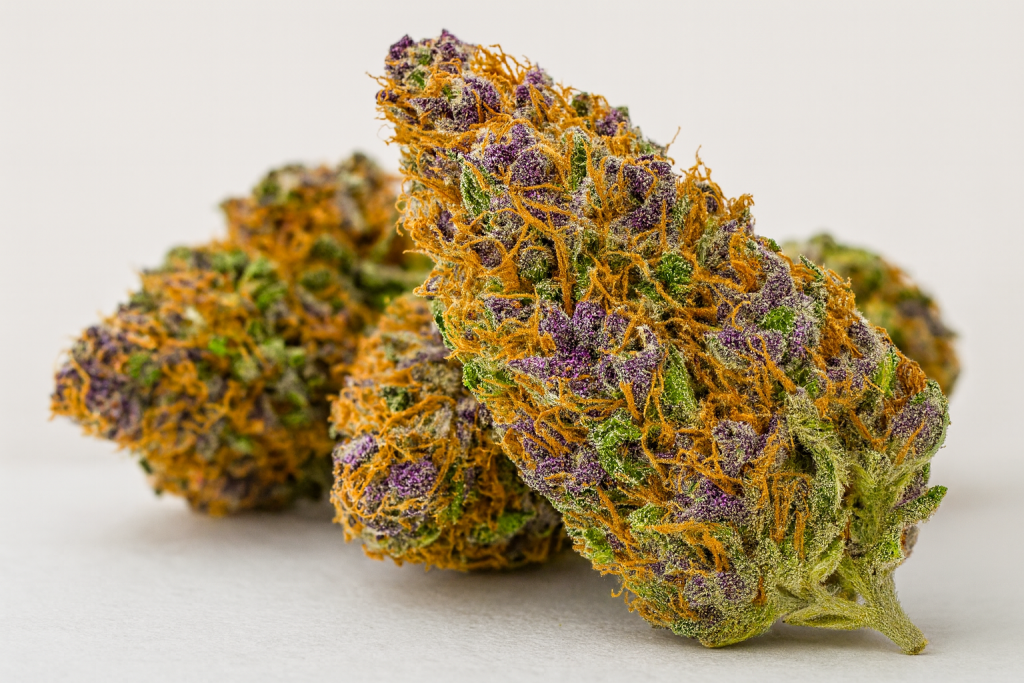
Fruity Pebbles strain: Quick Specs
| Feature | Details |
|---|---|
| Genetics (commonly reported) | Green Ribbon × Granddaddy Purple × Tahoe OG × Alien Kush (Alien Genetics) |
| Type | Indica-leaning hybrid (~55% Indica / 45% Sativa) |
| THC | ~18–21% |
| CBD | <1% (trace) |
| Dominant terpenes | Myrcene, Limonene, Caryophyllene |
| Flowering (indoor) | ~8–9 weeks |
| Harvest (outdoor) | Late September – early October |
| Yield (commonly reported) | Approx. 450–550 g/m² indoor; up to ~600 g/plant outdoor |
| Difficulty | Beginner–Intermediate |
| Height | Medium to tall |
Genetics & Phenotypes
Fruity Pebbles OG was originally released as a limited-run hybrid by Alien Genetics, combining Green Ribbon, Granddaddy Purple, Tahoe OG and Alien Kush. Over time, this Fruity Pebbles cannabis strain spread through clone and seed lines, and today multiple breeders offer their own versions of Fruity Pebbles and FPOG.
Most modern Fruity Pebbles phenotypes lean slightly indica in structure while still showing hybrid vigor. Depending on breeder and cut, plants may show:
- Bud structure: chunky, medium-dense flowers with plenty of resin
- Color variation: lime to forest green with possible purple hues and bright, multi-colored pistils
- Aroma differences: some phenotypes lean more towards tropical citrus, others towards berry, candy or creamy notes
- Effect shifts: balanced, happy hybrid effect in some cuts; more relaxing and sleepy in others, especially at higher doses
Such genetic and phenotypic variation is common in widely circulated strains, especially when multiple breeders have independently stabilized their own Fruity Pebbles or Fruity Pebbles OG lines.
Aroma, Flavor & Terpene Profile
The Fruity Pebbles weed strain is famous for an aroma that many compare to a bowl of fruity cereal. Its terpene profile typically centers around myrcene, limonene and caryophyllene, with supporting notes that create a dessert-like bouquet.
Dominant Terpenes
- Myrcene – soft berry sweetness, tropical fruit and light herbal depth
- Limonene – citrus zest, bright, candy-like top notes
- Caryophyllene – subtle spice and earth that keeps the profile from becoming too sugary
Aroma Profile
Typical Fruity Pebbles buds release a bold, sweet smell with layers of:
- Berry and tropical fruit
- Candy-like sweetness reminiscent of fruity cereal
- Citrus peel and light sherbet notes
- Soft earth and cream in the background
Breaking or grinding the buds usually intensifies the candy and citrus elements, with some phenotypes pushing more grape or cherry tones, and others leaning into tangy pineapple or orange.
Flavor
When consumed, Fruity Pebbles often tastes very similar to its aroma:
- Sweet, fruity inhale with berry and tropical notes
- Creamy, candy-like mid-palate with hints of cereal
- Citrus and light earth on the exhale
Vaporizing the strain can bring out more delicate fruit tones, while combustion may emphasize its sweetness and mild spice. Different phenotypes and curing styles can shift the balance between berry, citrus and candy-like flavors.
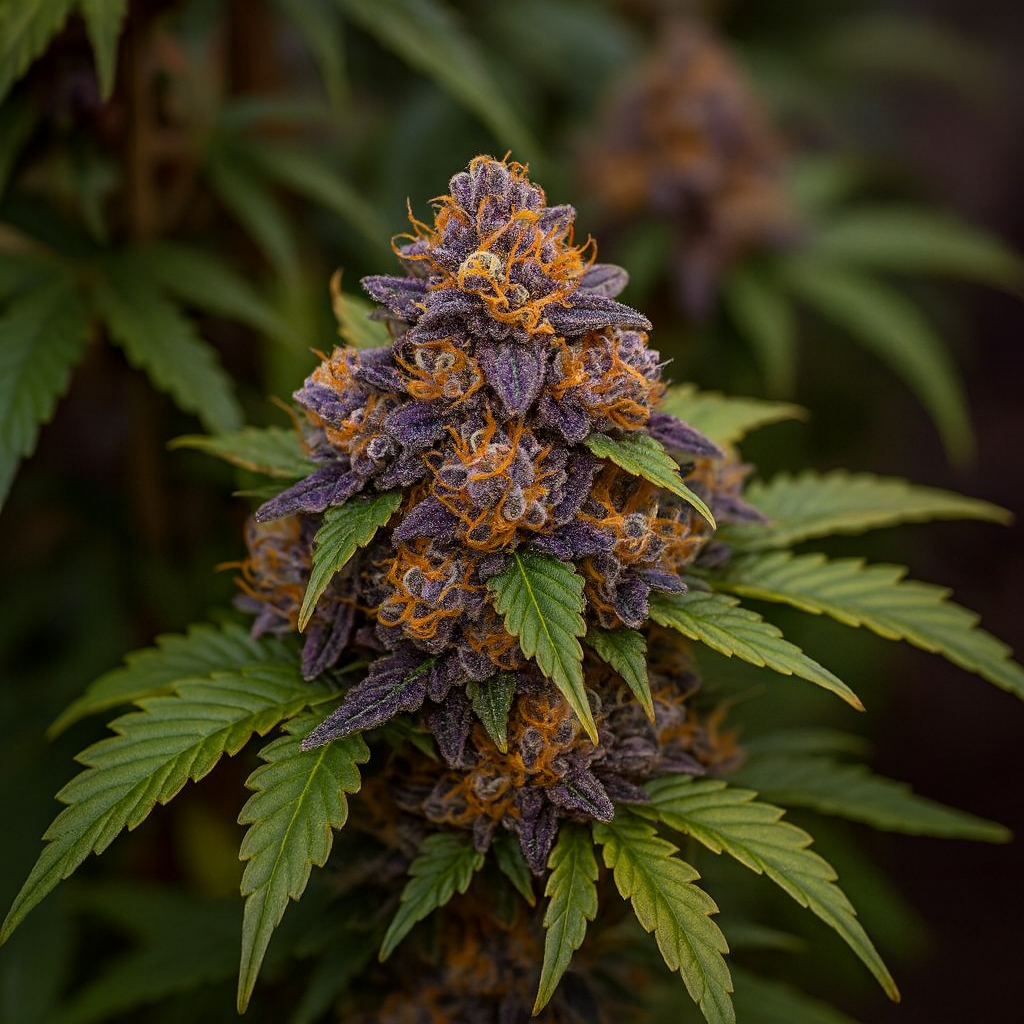
Effects & Experience
The Fruity Pebbles OG strain is widely described as a balanced hybrid with both head and body effects. Anecdotal reports often mention an initial uplifting wave that may promote a good mood, ease mental tension and encourage sociability. Many users describe a gently euphoric, creative headspace paired with a comfortable body ease that never feels too heavy at moderate doses.
As the session progresses, the indica side becomes more noticeable. The experience may gradually drift toward deeper relaxation, making Fruity Pebbles a popular choice for winding down in the late afternoon or evening. In higher amounts, some people find it more sedating and better for couch-time than for productivity. As always, effects are subjective and influenced by tolerance, environment and personal physiology.
Use Cases & Functional Effects
Because of its balanced profile, Fruity Pebbles is often chosen by those who want a hybrid strain that feels both cheerful and physically soothing. Commonly reported functional uses include:
- Unwinding after work while staying conversational and present
- Light creative sessions (drawing, music, gaming)
- Social evenings with friends
- Adding some color to a relaxed weekend at home
Some users say that Fruity Pebbles supports a more positive outlook or helps them mentally “switch off” from day-to-day stress, while others enjoy it simply for its flavor and colorful presentation. None of this is medical advice, and experiences vary significantly from person to person.
Possible Side Effects
As with most moderately strong hybrids, the Fruity Pebbles marijuana strain can feel intense for sensitive or inexperienced users, especially at higher doses. Reported side effects include:
- Dry mouth and dry, sometimes red eyes
- Occasional slight dizziness, especially on quick uptake
- Mild anxiety or unease in higher doses for some users
- In rare cases, a sense of being “too spacey” or distracted
Starting with a low amount and increasing slowly is the best way to find your own comfortable range with Fruity Pebbles or any other hybrid strain.
Grower & User Impressions
Grower and user feedback on Fruity Pebbles often highlights the following themes:
- “Tastes and smells surprisingly close to fruity cereal.”
- “Buds show beautiful pastel colors and vibrant pistils when dialed in.”
- “Feels like a happy, floaty hybrid that relaxes without knocking me out right away.”
- “Great flavor and bag appeal – a classic exotic strain for many collectors.”
If you’re growing Fruity Pebbles for the first time, expect a visually appealing plant with strong aroma and solid resin production, particularly when environmental conditions and nutrition are well managed.
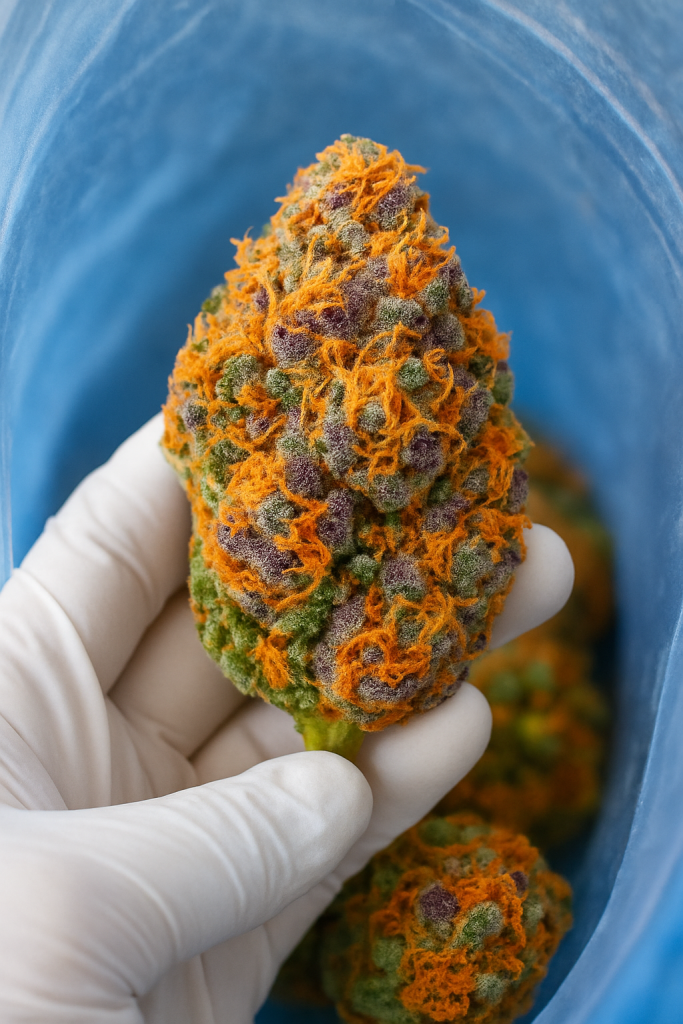
Grow Guide
Fruity Pebbles tends to grow into a medium-tall plant with a hybrid structure and strong side branching. Seed lines and phenotypes can vary, but many show a robust growth pattern that responds well to topping and training. Internodal spacing is moderate, and with proper management, growers can create a flat, productive canopy suited for indoor lights.
Indoors, Fruity Pebbles generally flowers in about 8–9 weeks. Reported yields range from average to high, depending on phenotype and grower skill. A warm, slightly dry environment with good air circulation tends to work best. Many growers target temperatures of roughly 21–26°C during the day and a few degrees cooler at night, with relative humidity around 50–60% in veg and 40–50% in late flower.
Buds often become dense and resinous toward the end of flowering, so keeping airflow strong around the canopy is important. In outdoor grows, Fruity Pebbles usually prefers a warm, dry, sunny climate and is typically ready for harvest from late September into early October, depending on latitude and local weather.
For general tips on handling flowering plants and timing your harvest, see our guide on harvesting buds.
Growing Characteristics Summary
| Factor | Rating |
|---|---|
| Difficulty | Beginner–Intermediate |
| Nutrient sensitivity | Medium (avoid heavy overfeeding) |
| Training response | Very good (LST / topping / SCROG friendly) |
| Stretch during flower | Medium (around 1.5–2×) |
| Mold resistance | Moderate (needs airflow around dense buds) |
| Climate preference | Warm, relatively dry with good air movement |
Yield & Harvest
Many seedbanks and grow reports describe Fruity Pebbles as capable of above-average yields when conditions are optimized. Indoors, growers often report around 450–550 g/m² under strong lighting. Outdoors, plants grown in the ground or in large containers with full-season veg can reportedly produce up to ~600 g per plant in favorable climates.
Outdoor harvest windows usually fall between late September and early October. Because colas can become quite thick, outdoor plants may benefit from staking or trellising late in flower to support the weight of maturing buds.
Outdoor growers in suitable climates often combine Sour Punch with other resilient outdoor seeds to make the most of their season.
Advanced Grow Tips for Fruity Pebbles
These observations are based on common grower reports, indoor trials and comparisons across different Fruity Pebbles and Fruity Pebbles OG seed lines.
1. Training Techniques (Topping, LST & SCROG)
Fruity Pebbles reacts very well to topping and Low Stress Training (LST). Topping once or twice in veg and gently pulling branches outward helps open the canopy and create multiple main colas. In more advanced setups, a SCROG (Screen of Green) approach can maximize light distribution and produce impressive, even canopies of colorful buds.
2. Managing Humidity & Airflow
Because the flowers can become dense and resin-heavy, maintaining good airflow is essential. Aim for relative humidity around 55–60% in veg and 40–50% in late flower. Oscillating fans, a clean environment and proper spacing between plants go a long way toward avoiding moisture-related issues during the last weeks of flowering.
3. Nutrient Strategy
Fruity Pebbles generally does well on a balanced nutrient schedule with:
- Moderate nitrogen during veg, tapering back as flowering progresses
- Healthy levels of phosphorus and potassium through mid-to-late flower
- Consistent calcium and magnesium support, especially under powerful lights
As with any strain, it’s better to start on the lighter side and increase EC/PPM carefully than to overfeed and spend time correcting nutrient burn or lockout.
4. Avoiding Overwatering
This strain prefers a classic wet–dry cycle. Let the top layer of the medium dry out between waterings so roots receive enough oxygen. Signs of overwatering may include drooping leaves, slow growth and overly saturated media. Good drainage and appropriately sized containers help keep root zones healthy.
5. Temperature Control & Color Expression
Ideal temperature ranges for most Fruity Pebbles grows are:
- Day: roughly 22–26°C
- Night: roughly 18–20°C
Slightly cooler nights late in flowering can sometimes encourage more purple or pastel tones in the buds, particularly in phenotypes that are genetically inclined toward colorful expressions.
6. Harvest Timing
For a balanced hybrid effect that stays uplifting but also comfortably relaxing, many growers harvest when:
- 60–70% of pistils have darkened
- Most trichomes are cloudy with a small portion turning amber
Growers who prefer a heavier, more sedating feel sometimes wait for more amber trichomes before chopping. As always, the ideal harvest window depends on personal preference.
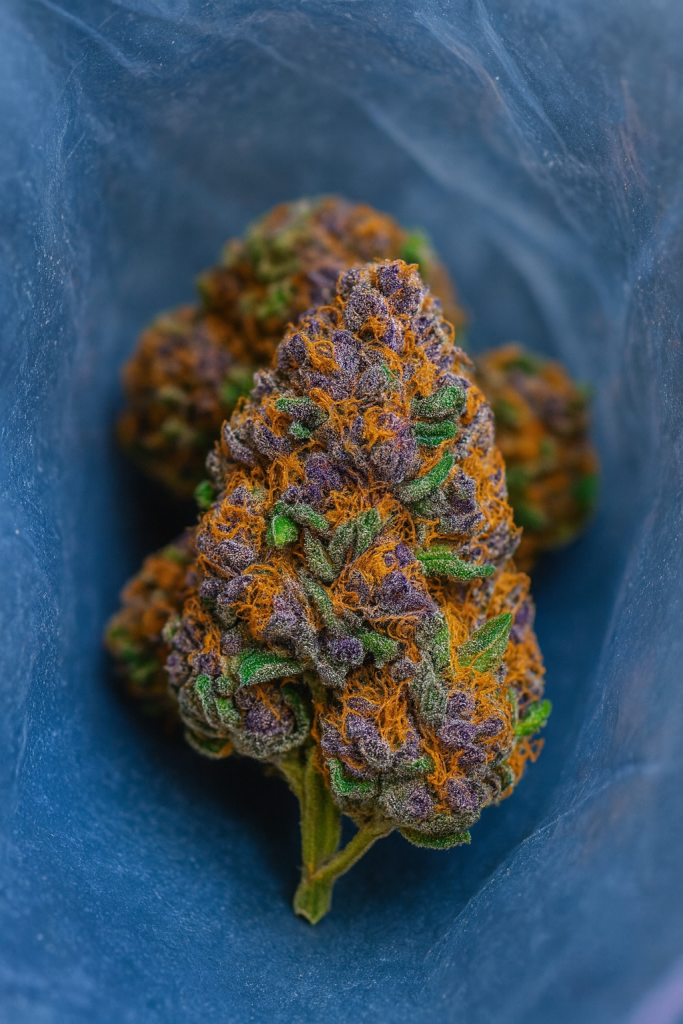
Fruity Pebbles Variants & Related Strains
Because Fruity Pebbles OG became such a popular exotic hybrid, many breeders have created spin-offs and related cultivars. Examples found on various seedbanks and review sites include:
- Orange Fruity Pebbles (OFP): a cross that combines Fruity Pebbles OG with orange-leaning genetics for a sweeter citrus focus.
- Strawberry Fruity Pebbles: strawberry-flavored phenotypes of the original Fruity Pebbles OG line with extra red fruit notes.
- Other crosses marketed as Fruity Pebbles Runtz, Rainbow Sherbet Fruity Pebbles, Marshmallow Fruity Pebbles or Fruity Zushi Pebbles, where breeders blend FPOG-style genetics with modern dessert strains.
Because these names are used by different breeders, “real Fruity Pebbles” can vary significantly from one source to another. Always check breeder descriptions and lab data where available if you are looking for a specific type of flavor, effect or growth pattern.
FAQs
Fruity Pebbles (often sold as Fruity Pebbles OG or FPOG) is usually described as a slightly indica-leaning hybrid, commonly reported around 55% indica and 45% sativa.
Fruity Pebbles is a hybrid cannabis strain created by Alien Genetics using Green Ribbon, Granddaddy Purple, Tahoe OG and Alien Kush in its lineage. Many later breeders have released their own versions of Fruity Pebbles OG based on that original genetic combination.
Most users describe Fruity Pebbles as tasting like sweet berries and tropical fruit with a candy-like or cereal-inspired character, often backed by light citrus and a gentle earthy or creamy finish.
Reports typically place Fruity Pebbles THC levels in the 18–21% range, with CBD usually under 1% (trace). Potency can vary by breeder, phenotype and growing conditions.
Indoors, Fruity Pebbles generally flowers in about 8–9 weeks after the switch to 12/12, depending on the specific cut and setup.
Most versions of Fruity Pebbles are rated as medium difficulty: suitable for growers with some experience, but forgiving enough that focused beginners can do well if they manage environment, training and feeding carefully.
Variation Notice
Cannabis strains can express differently depending on grow conditions, phenotype, breeder selection and batch variability. The effects, aroma, flowering time and yield described on this page are based on common user and grower experiences and may vary in practice.
Disclaimer
This Fruity Pebbles strain guide is provided for educational and botanical reference purposes only.
It does not constitute medical advice, and no health or therapeutic claims are made.
Cannabis laws vary by location; always check your local regulations before cultivating or consuming cannabis.
References & Sources
The information provided on this strain page is supported by established botanical, horticultural and analytical references widely used in cannabis cultivation research:
Cannabinoids & Chemistry
- International Cannabinoid Research Society (ICRS)
General cannabinoid chemistry and plant variability.
https://www.icrs.com/ - UNODC – Recommended Methods for Testing Cannabis
Guidelines on cannabinoid profiling and chemical variability.
https://www.unodc.org/unodc/en/scientists/recommended-methods-for-the-identification-and-analysis-of-cannabis-and-cannabis-products.html - Journal of Natural Products (ACS)
Peer-reviewed research on terpene and cannabinoid biosynthesis.
https://pubs.acs.org/journal/jnprdf
Terpene & Aroma Research
- NCBI – Terpene Biosynthesis Pathways in Plants
Overview of terpene chemistry found across aromatic species.
https://www.ncbi.nlm.nih.gov/ - American Chemical Society – Monoterpene Research (Limonene, Myrcene, Caryophyllene)
Chemical structure, aroma mechanisms & occurrence.
https://pubs.acs.org/ - Phytochemistry Reviews (Springer Nature)
Environmental influence on terpene expression.
https://link.springer.com/journal/11101
Plant Growth, Cultivation & Training Techniques
- Royal Horticultural Society (RHS) – Plant training, pruning and LST fundamentals.
https://www.rhs.org.uk/ - Horticulture Research (Nature Publishing Group) – Controlled-environment plant growth studies.
https://www.nature.com/hortres/ - “Cannabis Horticulture” by Jorge Cervantes
Widely referenced cultivation methodology (industry standard).
https://www.amazon.com/dp/187882323X
Community & Practical Observations
- Generalized user and grower reports aggregated from open cannabis communities, grow journals and cultivation databases.
- Phenotype and chemotype variation observed across independent breeder batches and controlled indoor/outdoor grows.
- Practical experience with indica-leaning hybrid strains using topping, LST, SCROG and controlled-environment setups.